Troubleshooting a Necklace Chain 20 Inch: Fit, Knots, and Pendants
Solve common issues with your necklace chain 20 inch. Expert fixes for tangling, pendant flipping, neckline clashes, and hardware failures.

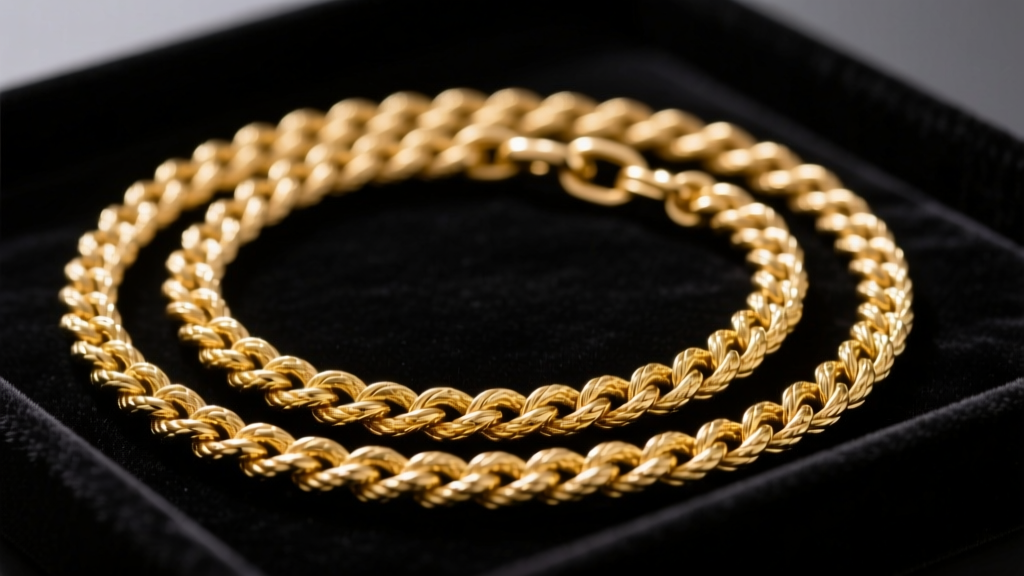
The 20-inch necklace chain is widely considered the universal standard in jewelry. Sitting right at the collarbone or upper chest, it bridges the gap between a choker and a deep matinee drop. However, this versatile length is not without its mechanical and stylistic flaws. From persistent micro-tangles and pendant flipping to unexpected neckline clashes, a poorly optimized necklace chain 20 inch can quickly become a source of daily frustration.
As jewelry construction evolves, understanding the physics of chain links, bail compatibility, and metal fatigue is essential for troubleshooting. Below, we break down the most common problems associated with the 20-inch drop and provide expert-level solutions to restore your chain's functionality and aesthetic.
The "Choking" Hazard: Why Your 20-Inch Chain Feels Too Tight
A true 20-inch chain should drape comfortably below the Adam's apple and rest gently on the upper sternum. If your necklace chain 20 inch feels restrictive or sits too high, you are likely dealing with one of three issues: clasp creep, metal stretching, or anatomical mismatch.
- Metal Stretching (Creep): Thin chains (under 1.5mm) made from high-karat gold (18k or 24k) are highly susceptible to tensile stretching. Over time, the weight of a pendant can permanently elongate the links, altering how the chain drapes and causing the clasp to migrate forward, which creates a localized tight spot at the nape of the neck.
- Clasp Migration: Heavy lobster clasps on lightweight chains (like a 1mm box chain) act as a counterweight. Gravity pulls the heavy clasp down the back of the neck, pulling the front of the chain upward and creating a choking sensation.
The Fix: Upgrade your hardware. Replace heavy clasps with lightweight spring rings or hollow-tube clasps. If the chain has stretched, consult a jeweler to snip the excess links and re-solder the jump ring. According to the Gemological Institute of America (GIA), understanding the alloy composition of your gold is critical; 14k gold offers superior tensile strength compared to 18k, making it a better choice for thin, pendant-bearing chains.
The Pendant Flip: Troubleshooting Bail and Chain Compatibility
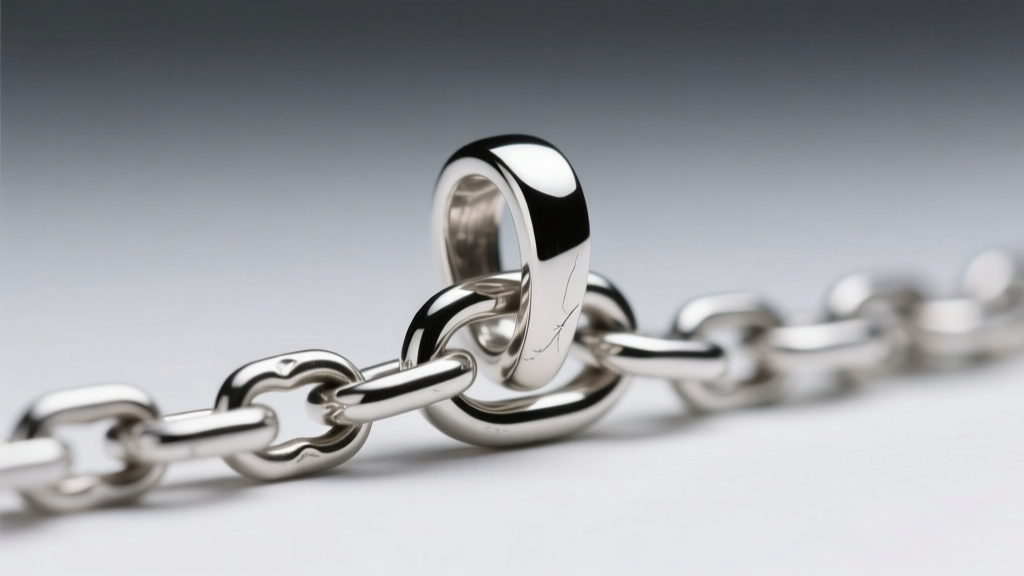
Nothing ruins the look of a carefully curated necklace faster than a pendant that constantly flips backward or slides off-center. This is a physics problem rooted in the relationship between the chain's width and the pendant bail's interior diameter.
When a bail is too wide for the chain, the pendant lacks lateral stability, allowing it to slide toward the clasp. Conversely, if the chain is too thick for the bail, friction prevents the pendant from settling at the natural gravitational center (the lowest point of the 20-inch drape).
Chain Width vs. Bail Compatibility Matrix
| Chain Width | Ideal Bail Opening | Troubleshooting Symptom | Expert Solution |
|---|---|---|---|
| 0.8mm - 1.2mm | 1.5mm - 2.0mm | Pendant slides off-center constantly. | Add a silicone jewelry o-ring inside the bail to increase friction. |
| 1.5mm - 2.5mm | 3.0mm - 4.0mm | Optimal drape and centering. | Maintain with regular ultrasonic cleaning to remove skin oils. |
| 3.0mm - 5.0mm | 5.5mm+ | Pendant flips backward; bail gets stuck. | Replace the bail with a "tube bail" or use a pendant enhancer. |
The Tangle Nightmare: Link Geometry and Micro-Knots
Tangling is the most frequent complaint regarding any necklace chain 20 inch, but the root cause lies in the specific geometry of the chain links. Not all chains tangle equally.
- Cable and Rolo Chains: The uniform, open circular links easily hook into one another, especially when stored loosely in a jewelry box.
- Box Chains: While they lay flat, the sharp 90-degree edges of the square links can catch on fine hair or knit fabrics, creating sudden snags.
- Herringbone and Omega Chains: These flat, fluid chains rarely tangle with themselves but are notorious for permanent kinking if bent backward against their natural articulation.
The Baby Oil and Needle Extraction Method
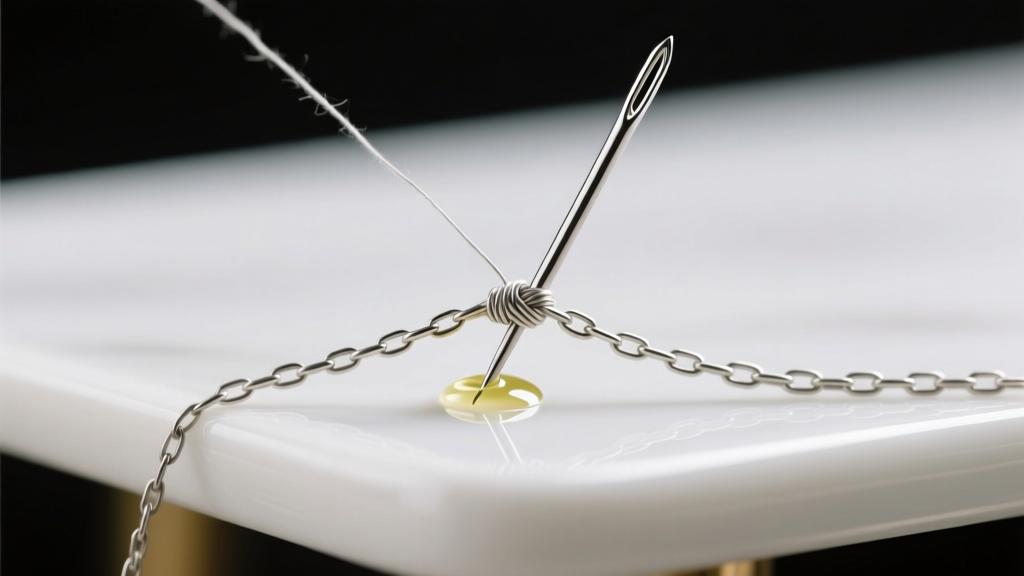
When your 20-inch cable chain develops a stubborn micro-knot, pulling it will only tighten the metal links, potentially warping them. Instead, use this jeweler-approved troubleshooting method:
- Lay the knotted section flat on a non-porous surface like a glass or ceramic tile.
- Apply a single drop of baby oil or mineral oil directly to the knot to eliminate metal-on-metal friction.
- Take two fine sewing needles. Insert the tips into the center of the knot and gently push inward toward each other to loosen the tension, rather than pulling outward.
- Once the core is loose, use the needles to tease the individual links apart.
- Clean the chain with a mild dish soap solution to remove the oil residue.
Neckline Clashes: Styling Troubleshooting for the 20-Inch Drop
A 20-inch chain sits in a transitional zone that can clash with specific garment necklines if not styled intentionally. Troubleshooting these visual clashes requires understanding the exact drop measurement relative to standard clothing cuts.
"The 20-inch drop is the ultimate V-neck companion, but it requires careful manipulation when paired with structured collars or high crew necks."
- The Crew Neck Clash: On a standard cotton t-shirt, a 20-inch chain will rest exactly on the ribbed collar, creating a visual stutter. Fix: Opt for a pendant with a vertical drop of at least 1 inch to break the horizontal line of the collar, or layer it with a 16-inch choker to create intentional depth.
- The Button-Down Dilemma: Worn under an unbuttoned dress shirt, a 20-inch chain can easily snag on the inner collar stays or get lost in the fabric folds. Fix: Switch to a heavier, wider chain (like a 3mm Figaro) that possesses enough structural rigidity to lay flat against the sternum without folding into the shirt placket.
- The V-Neck Synergy: This is the ideal pairing. The 20-inch length naturally bisects the angle of a standard V-neck, drawing the eye downward and elongating the neck.
Hardware Failures: Jump Rings and Clasp Fatigue
The structural integrity of your necklace chain 20 inch is only as strong as its weakest connection point. For most chains, this is the jump ring that connects the chain to the clasp.
Standard split jump rings act like tiny springs. Over time, the repetitive motion of putting on and taking off the necklace causes the metal to fatigue, creating a microscopic gap. This gap is the primary culprit for lost pendants and sudden chain breakages. The Jewelers of America strongly recommends regular inspection of these connection points to prevent catastrophic loss.
Troubleshooting Hardware:
- The Paper Test: Run the edge of a piece of printer paper over the jump ring. If the paper catches or snags, the ring is open and needs to be closed with chain-nose pliers.
- The Soldered Upgrade: For chains bearing heavy pendants (over 5 grams), take the piece to a jeweler to have the open jump ring replaced with a soldered (closed) ring. This creates a continuous loop of metal that is virtually impossible to pull apart under normal wearing conditions.
- Lobster Clasp Springs: If the lever on your lobster clasp feels mushy or fails to snap back flush against the body, the internal spring is compromised. Do not attempt to bend the lever back; the pot metal or gold alloy will snap. Replace the entire clasp immediately.
By addressing these mechanical and stylistic friction points, you can transform a problematic necklace chain 20 inch into a reliable, everyday staple that drapes perfectly and withstands the rigors of daily wear.


