Troubleshooting Phiten Necklaces: Fix Odor, Fraying & Irritation
Fix common issues with Phiten necklaces. Learn how to eliminate sweat odor, prevent cord fraying, stop skin irritation, and spot fake sports jewelry.

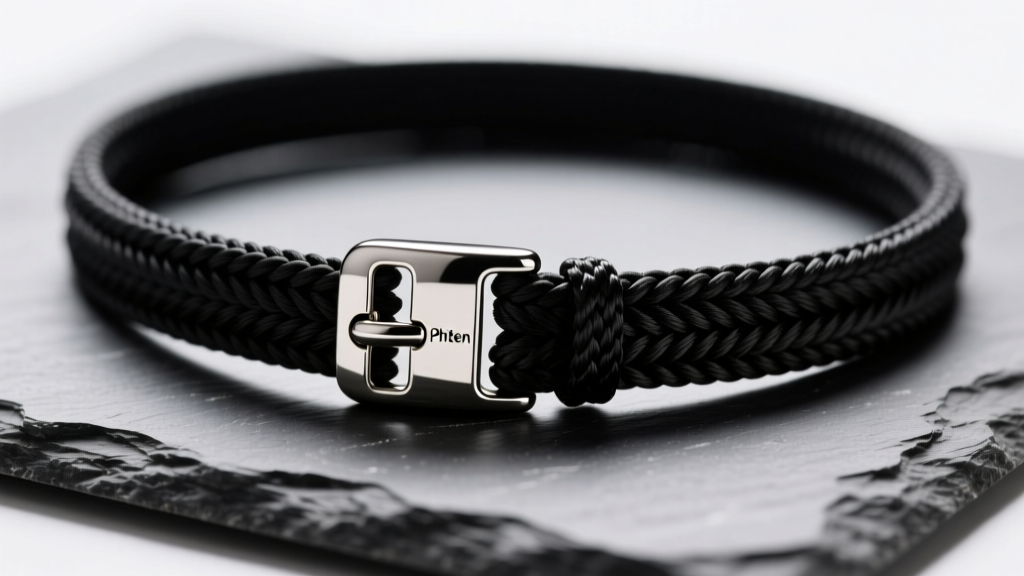
The Anatomy of a Phiten Necklace: Where Problems Occur
Phiten necklaces have become a staple in the lockers of Major League Baseball players, professional golfers, and endurance runners. Marketed for their proprietary Aqua-Titanium technology—which allegedly helps relax muscles and improve recovery—these athletic accessories are subjected to extreme conditions. Unlike traditional fine jewelry crafted from solid precious metals, Phiten necklaces are primarily constructed from synthetic polymers (nylon, polyester, or silicone) that have been infused with titanium nanoparticles at a microscopic level.
Because the core material is fabric or elastomer rather than solid metal, the failure points of a Phiten necklace are entirely different from a standard gold or silver chain. The most common issues reported by athletes and daily wearers include persistent sebum odor, cord fraying near the clasp, and contact dermatitis. Troubleshooting these issues requires an understanding of sports textile care and basic metallurgy, rather than traditional jewelry polishing techniques.
Troubleshooting Skin Irritation and "Titanium Allergies"
A frequent complaint among new Phiten users is the development of a red, itchy rash around the base of the neck. Many mistakenly attribute this to a "titanium allergy." However, pure titanium is highly biocompatible and is the standard for surgical implants; true titanium allergies are exceptionally rare. If you are experiencing irritation, the culprit is almost always one of two factors: trapped bacteria or the clasp metallurgy.
The Clasp Culprit: SUS316L vs. Base Metals
Genuine Phiten necklaces typically utilize high-grade stainless steel for their clasps, often SUS316L (surgical steel), which contains very low levels of nickel. However, prolonged exposure to highly acidic sweat can still cause microscopic corrosion in lower-grade stainless steel (like SUS304) or base-metal alloys used in counterfeit versions. This corrosion releases nickel salts directly into the skin, triggering allergic contact dermatitis.
The Fix: Inspect the back of the clasp for a "SUS316L" or "Stainless Steel" stamp. If the rash is localized strictly to the clasp area, apply a thin layer of clear nail polish to the metal parts of the clasp to create a barrier between the alloy and your skin. If the rash wraps around the entire neck, the issue is bacterial (see the odor section below).
Eliminating Sweat Odor and Bacterial Buildup
The woven nylon and polyester cords of Phiten necklaces act like wicks, absorbing sweat, dead skin cells, and sebum. Over time, bacteria such as Micrococcus and Staphylococcus colonize the synthetic fibers, breaking down the sweat and releasing volatile organic compounds (VOCs) that cause a persistent, sour odor. Standard soap often fails to penetrate the tight synthetic weave.
The Enzyme Cleaning Protocol
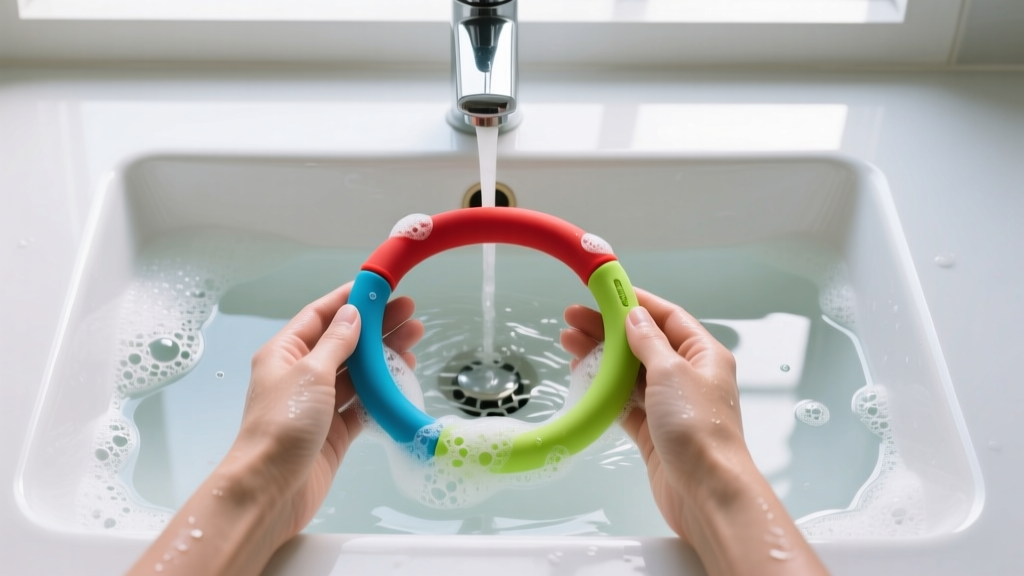
To permanently eliminate odor without degrading the Aqua-Titanium infusion, you must use an enzyme-based cleaner rather than a standard detergent or bleach. Bleach will destroy the nylon fibers and strip the color dye, while harsh degreasers can break down the adhesive holding the end-caps together.
- Step 1: Fill a bowl with lukewarm water (never hot, as heat melts the end-cap glue).
- Step 2: Add a capful of an enzyme-based sports detergent (e.g., Nathan Sport-Wash or Hex Performance).
- Step 3: Submerge the necklace and gently agitate it for 60 seconds. Let it soak for exactly 15 minutes.
- Step 4: Rinse thoroughly under cold running water to remove all enzyme residue.
- Step 5: Lay flat on a microfiber towel to air dry. Never use a hair dryer or place it in direct sunlight, as UV rays accelerate polymer degradation.
Preventing and Repairing Cord Fraying
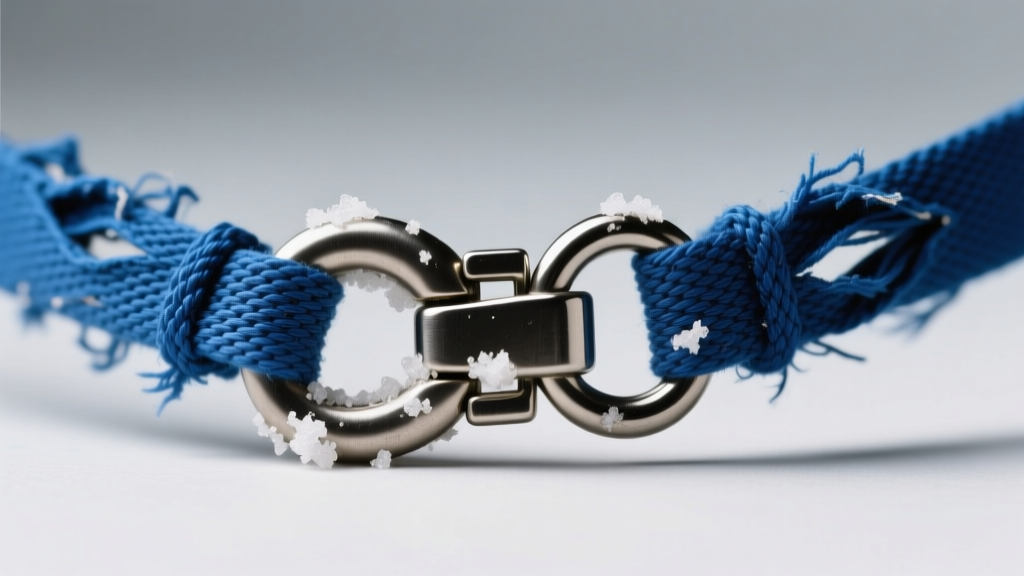
Fraying usually occurs at the "pigtail" ends where the cord loops through the clasp, or where the necklace rests against the collarbone during repetitive athletic movements. The structural integrity of the necklace relies on the braided end-caps, which are secured with industrial adhesives that degrade when exposed to high heat and acidic sweat.
| Material | Tensile Strength | Sweat Resistance | Common Failure Mode | Troubleshooting Tip |
|---|---|---|---|---|
| Braided Nylon | High | Moderate (Absorbs moisture) | Fraying at the clasp loop; odor retention | Use a heat-shrink tubing sleeve over the loop joint |
| Polyester Weave | Very High | High (Wicks moisture) | Color fading from UV exposure | Rinse immediately after ocean swimming (salt degrades dye) |
| Silicone / Elastomer | Low (Prone to snapping) | Excellent (Non-porous) | Snapping under tension; clasp tearing through | Never pull by the cord; always unfasten the clasp |
The Fix for Minor Fraying: If the nylon cord near the clasp is beginning to fuzz but has not yet snapped, you can halt the damage by applying a microscopic drop of flexible cyanoacrylate (super glue gel) to the frayed fibers. Allow it to cure for 24 hours before wearing. For silicone models that have torn near the clasp, repair is impossible; the structural integrity is permanently compromised, and the necklace must be replaced.
Fading Coatings and Color Restoration
Unlike anodized titanium jewelry where the color is created by light refraction through an oxide layer, the colors on Phiten's fabric and silicone necklaces are achieved through traditional synthetic dyes. Prolonged exposure to UV radiation, chlorine from swimming pools, and the natural acidity of human sweat will cause these dyes to break down, resulting in a washed-out or chalky appearance.
Unfortunately, because the Aqua-Titanium nanoparticles are integrated into the core of the fibers, you cannot simply dye the necklace back to its original color without risking a chemical reaction that alters the polymer matrix. To prevent fading, rotate between two or three necklaces, allowing each to "rest" out of direct sunlight for a few days, and always rinse the necklace with fresh water immediately after exposure to chlorinated or salt water.
Authenticity Check: Spotting Counterfeit Phiten Gear
Because Phiten necklaces command premium prices (ranging from $30 for basic silicone models to over $150 for premium braided titanium-infused chains), the market is flooded with counterfeits. Fake necklaces not only lack the proprietary Aqua-Titanium infusion, but they also frequently use cheap, lead-laced base metals for the clasps, which can cause severe dermatological reactions. According to the Federal Trade Commission's Jewelry Guides, manufacturers must accurately represent the metal content of any jewelry sold. Counterfeits routinely violate these guidelines.
How to verify authenticity:
- The Holographic Tag: Genuine Phiten products include a specific holographic authenticity sticker on the packaging that shifts color when tilted. Fakes often use static, reflective foil stickers.
- The Clasp Engraving: Authentic metal clasps feature a clean, laser-etched Phiten logo. Counterfeits often have shallow, stamped, or slightly blurred logos.
- The Weight and Drape: Genuine nylon-braided models have a specific, dense drape due to the titanium infusion process. Fakes feel remarkably light and stiff, behaving more like standard paracord than premium athletic textiles.
Final Maintenance Framework
To maximize the lifespan of your Phiten necklace and avoid the most common troubleshooting nightmares, adopt this simple maintenance framework:
- Post-Workout (Daily): Rinse the necklace under cold tap water to remove surface sweat and salt. Hang to dry in a well-ventilated, shaded area.
- Deep Clean (Bi-Weekly): Perform the 15-minute enzyme soak to break down sebum and prevent bacterial odors.
- Hardware Inspection (Monthly): Check the jump ring connecting the clasp to the cord. If the ring is slightly open, use two pairs of flat-nose jewelry pliers to gently twist it closed. Never pull the ring apart laterally, as this weakens the metal's temper.
By treating your Phiten necklace as a piece of high-performance athletic textile equipment rather than traditional jewelry, you can easily extend its functional life from a few months to several years, ensuring it remains a comfortable, odor-free staple in your daily rotation.


