The Ultimate 2026 Turquoise Chip Necklace Gift Guide
Discover the ultimate 2026 gift guide for turquoise chip necklaces. Learn grading, sizing, and occasion-matching to find the perfect piece.

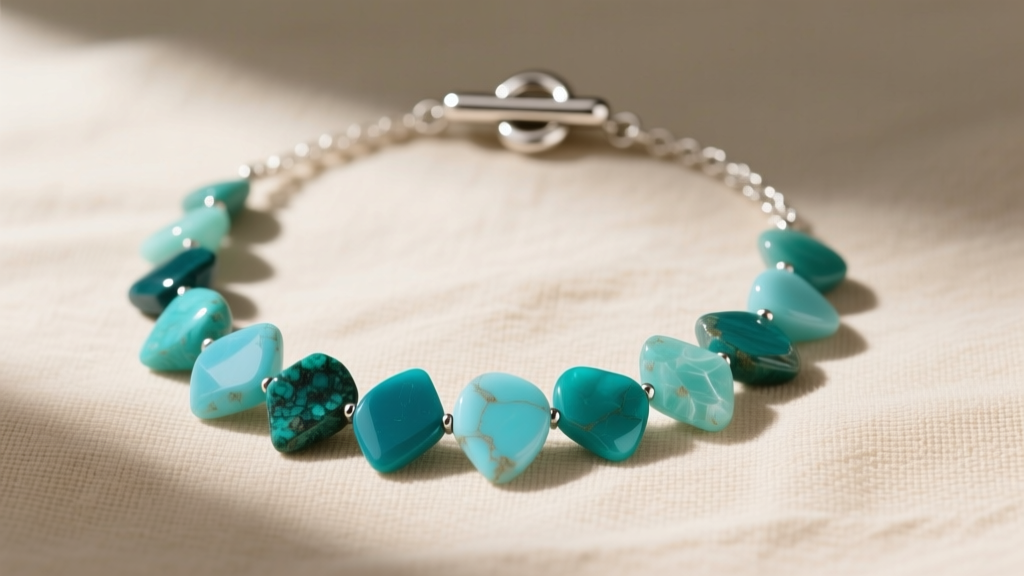
Why a Turquoise Chip Necklace is the Ultimate Thoughtful Gift
Gifting jewelry is an exercise in storytelling, and few stones carry as much historical weight and earthy elegance as turquoise. While perfectly calibrated round beads offer a uniform, classic look, a turquoise chip necklace provides an organic, free-spirited aesthetic that resonates deeply with modern bohemian and artisanal style trends. As we move through 2026, the demand for raw, unpolished, and irregular gemstone cuts has surged, making chip necklaces a highly sought-after gift for those who appreciate natural beauty over manufactured perfection.
However, the turquoise market is notoriously fraught with imitations, misleading treatments, and poor stringing techniques. To gift a piece that will last a lifetime, you must understand the nuances of stone origins, stabilization methods, and hardware quality. This comprehensive guide will equip you with the gemological knowledge and styling insights needed to select the perfect turquoise chip necklace for any occasion.
The Anatomy of a Chip Necklace: Embracing Imperfection
Unlike standard bead necklaces, chip beads are created by tumbling rough turquoise nuggets into small, irregular, multi-faceted fragments. This process preserves the natural matrix (the host rock veining) and results in a necklace where no two beads are exactly alike. When evaluating a chip necklace for a gift, consider the drilling quality. Because turquoise is relatively soft (ranking 5 to 6 on the Mohs hardness scale), drilling irregular chips often leads to micro-fractures. High-end jewelers use ultrasonic drilling and specialized stabilization to prevent the beads from cracking at the drill hole, a critical detail that separates a $30 fast-fashion necklace from a $150 artisan piece.
Decoding the Stone: Natural, Stabilized, and Imitation
The most critical factor in your purchase is the treatment of the turquoise. According to the Gemological Institute of America (GIA), untreated, gem-grade natural turquoise accounts for less than 10% of the global market. Understanding the treatment spectrum is vital for accurate gifting:
- Natural (Untreated): Mined, cut, and polished with zero chemical alterations. It is porous and can change color over time as it absorbs skin oils. Extremely rare in chip form due to high breakage rates during tumbling.
- Stabilized: The industry standard for high-quality turquoise. A clear epoxy or polymer is forced into the porous stone under pressure to harden it, enhance the color, and allow for safe drilling. The Zachary process is a premium stabilization method that mimics natural aging without using dyes.
- Dyed & Reconstituted: Lower-grade chalk turquoise is ground into powder, mixed with epoxy, dyed blue, and molded into chips. Alternatively, howlite or magnesite is dyed to mimic turquoise. Pro-Tip: Swipe a cotton swab dipped in acetone across a bead; if it turns blue, the stone is dyed.
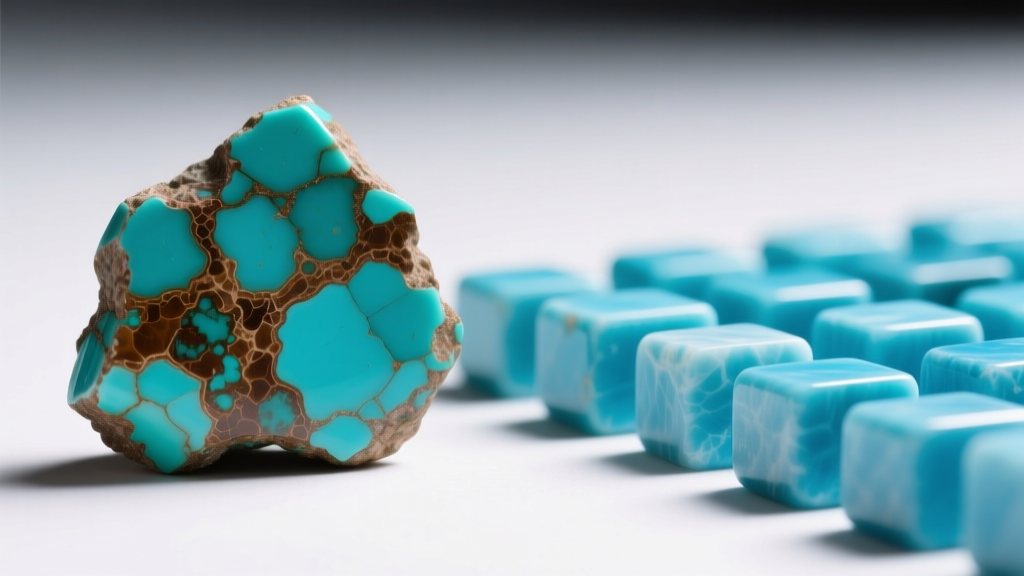
Turquoise Origins & Matrix Guide
The origin of the stone dictates its color profile, matrix patterns, and ultimate value. Mindat.org catalogs these mineralogical differences extensively. Here is what to look for based on the recipient's aesthetic preferences:
| Origin / Mine | Color Profile | Matrix Characteristics | Best Gift For |
|---|---|---|---|
| Kingman (Arizona, USA) | Vibrant sky blue to deep blue | Distinctive black or brown webbing | Classic Southwest style lovers |
| Sleeping Beauty (AZ, USA) | Uniform, solid robin's egg blue | Little to no matrix (clean) | Minimalists and modern boho chic |
| Nishapur (Persia / Iran) | Intense, deep Persian blue | Fine, golden-brown spiderweb | Collectors and luxury gifting |
| Hubei (China) | Yellow-green to teal | Heavy black matrix, often dyed | Budget-friendly earthy aesthetics |
Sizing the Chips: How Bead Dimensions Dictate the Vibe
Chip beads are generally sorted by their longest dimension. The size you choose should align with the recipient's personal style and the intended layering strategy.
- Micro Chips (3mm - 5mm): Delicate and lightweight. These mimic the look of seed beads and are perfect for subtle layering with gold or silver chain necklaces. Ideal for a minimalist December birthstone gift.
- Standard Chips (5mm - 8mm): The most versatile size. They offer substantial color presence without feeling heavy. Perfect for standalone wear over a linen blouse or a simple v-neck tee.
- Chunky / Nugget Chips (8mm - 15mm): Bold, heavy, and highly textured. These act as statement pieces and are best suited for festival wear, winter layering over thick knits, or those who favor a rugged, artisanal aesthetic.
Matching the Occasion: When to Gift Turquoise
Turquoise is deeply symbolic, representing protection, wisdom, and positive energy. Matching the stone to the occasion elevates the emotional resonance of your gift.
The December Birthstone & 11th Anniversary
As one of the three official December birthstones (alongside tanzanite and zircon), turquoise is a staple holiday gift. For the 11th wedding anniversary, turquoise symbolizes the unbreakable, enduring bond of marriage. Gifting a multi-strand Sleeping Beauty chip necklace for an anniversary conveys deep thoughtfulness and a departure from traditional, predictable jewelry.
Graduation & 'Safe Travels' Talismans
Historically, Persian warriors wore turquoise amulets believing the stone would protect them from unnatural death. Today, a turquoise chip necklace serves as a modern talisman for high school or college graduates embarking on gap years, study abroad programs, or new career paths. It is a grounded, protective stone that wishes the wearer safe travels and clear communication.
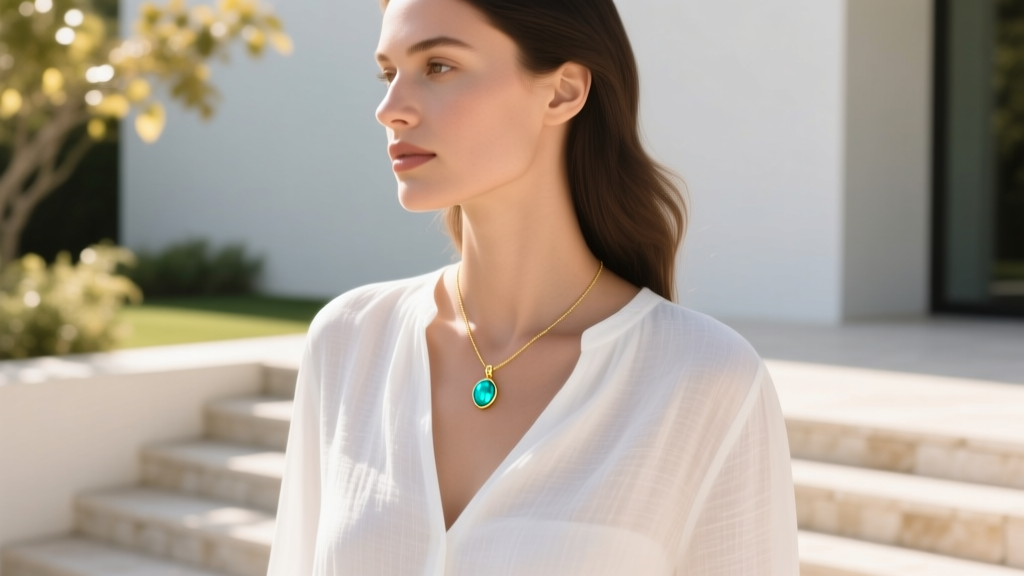
The Hardware & Stringing: What Separates Fine from Fast Fashion
A common failure mode in lower-tier chip necklaces is the snapping of the stringing material at the crimp bead. Because turquoise chips have sharp, irregular edges inside the drill holes, they can act like tiny saws against cheap nylon thread or low-strand wire. When inspecting a necklace for gifting, verify the following hardware specifications:
- Stringing Material: Look for 49-strand micro-wire (like Soft-Flex) coated in nylon. This provides the drape of silk thread with the tensile strength of steel. Avoid monofilament or basic elastic.
- Crimp Beads: High-end pieces use sterling silver or gold-filled crimp covers that are smoothly folded over the wire, preventing the sharp wire ends from scratching the wearer's neck.
- Clasps: A sterling silver (.925) or 14k gold-filled lobster claw clasp is standard. For chunkier chip necklaces, a heavy toggle clasp is not only more secure but adds an elegant, artisanal finish to the back of the neck.
2026 Pricing Tiers & Buyer’s Checklist
To ensure you are paying a fair market price, use this tiered framework when shopping for a turquoise chip necklace in 2026:
- Budget Tier ($25 - $60): Expect Hubei turquoise, dyed howlite, or heavily stabilized chalk turquoise. Hardware will likely be sterling silver-plated brass or stainless steel. Great for casual, trendy gifts where longevity is not the primary concern.
- Mid-Tier ($75 - $180): The sweet spot for gifting. Features genuine stabilized Kingman or Turquoise Mountain stones, strung on 49-strand wire with solid .925 sterling silver clasps and French wire finishes.
- Premium Tier ($200 - $500+): Reserved for natural, untreated gem-grade turquoise (often vintage or sourced from closed mines like Sleeping Beauty or Lander Blue), featuring 14k solid gold hardware and hand-knotted silk between beads to prevent stone-on-stone abrasion.
The Golden Rule of Turquoise Gifting: Always ask the seller for the stone's origin and treatment status. A reputable jeweler will proudly disclose if a stone is stabilized, natural, or dyed. Transparency is the hallmark of a piece worthy of being gifted.
By prioritizing origin, structural integrity, and thoughtful sizing, your turquoise chip necklace will transcend being a mere accessory, becoming a cherished, protective heirloom for the recipient.


