Turquoise and Gold Necklace Value Guide: 2026 Pricing & Tiers
Discover the true value of a turquoise and gold necklace in 2026. Learn how to assess gold purity, turquoise treatments, and fair market pricing.

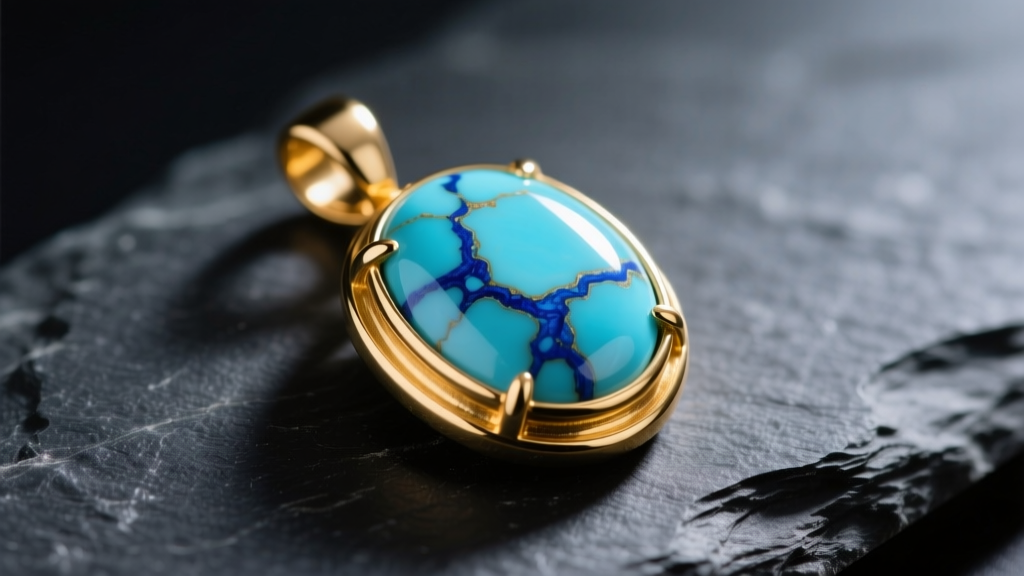
The market for a turquoise and gold necklace is fraught with inflated prices, misleading terminology, and sophisticated imitations. As of 2026, the intersection of rising precious metal costs and the severe depletion of historic American turquoise mines has created a polarized market. You can find pieces labeled as "turquoise and gold" ranging from $35 at fast-fashion retailers to $8,500 at high-end lapidary galleries. But how do you determine the actual intrinsic and aesthetic value of the piece in front of you?
This comprehensive value assessment guide strips away the marketing jargon. We will evaluate the metallurgical realities of gold alloys, the gemological truth about turquoise stabilization, and the exact price brackets you should expect to pay in the current market.
The Real Cost of Materials in 2026
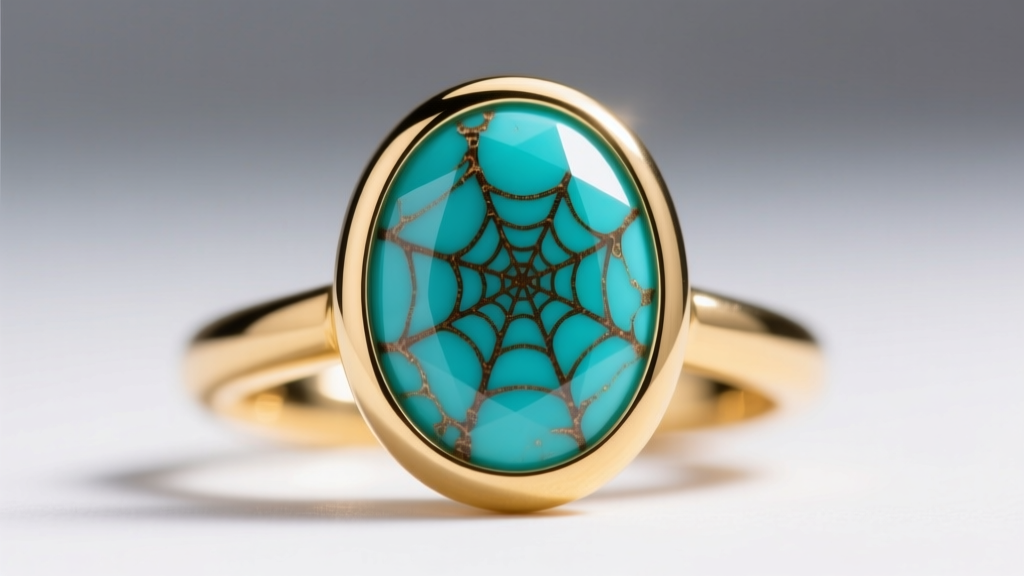
To accurately assess value, you must first understand the baseline material costs. Gold prices have remained historically high, meaning any solid gold turquoise and gold necklace carries a significant intrinsic melt value. However, the turquoise itself is where the true value variance lies. According to the Gemological Institute of America (GIA), natural, untreated turquoise from legendary, now-closed mines like Lander Blue or Number 8 commands premium collector pricing, often exceeding $15 per carat for high-grade spiderweb matrix stones.
Conversely, the market is flooded with dyed howlite and reconstituted turquoise dust. When a seller offers a "natural turquoise and gold necklace" for under $100, you are almost certainly looking at gold vermeil or gold-filled chain paired with an imitation or heavily treated stone. Understanding the distinction between these materials is the first step in protecting your budget.
Decoding the Gold: Solid Karat vs. Vermeil
The term "gold" in jewelry descriptions is heavily regulated by the Federal Trade Commission (FTC), yet consumer confusion remains high. The metal holding your turquoise cabochon dictates both the durability and the price of the necklace.
14k and 18k Solid Gold
For high-end turquoise pendants, 14k gold (58.5% pure) is the industry sweet spot. It offers the necessary Vickers hardness to maintain a tight bezel setting around the stone. 18k gold (75% pure) is richer in color but significantly softer. If an 18k bezel wall is too thin, a simple snag on a sweater can deform the metal and pop the turquoise cabochon out of its setting. When evaluating a solid gold piece, check the bezel thickness; it should be at least 0.5mm to ensure longevity.
Gold Vermeil and Gold-Filled
If you are shopping on a budget, gold vermeil is the superior choice over standard gold plating. By 2026 industry standards, true vermeil requires a base of sterling silver (.925) plated with at least 2.5 microns of 10k, 14k, or 18k gold. Gold-filled wire, which contains a mechanically bonded layer of gold making up at least 5% of the total weight, is also an excellent, durable alternative for the chain portion of a turquoise and gold necklace. Avoid standard "gold plated" brass or copper bases, as the acidic nature of human sweat will cause the base metal to corrode and turn your skin green within months.
Turquoise Grading: Natural, Stabilized, and Imitation
The most critical factor in the value assessment of a turquoise and gold necklace is the gemological treatment of the stone. Turquoise is a porous phosphate mineral with a Mohs hardness of 5 to 6, making it inherently fragile.
| Treatment Type | Process Description | Value Impact | Durability |
|---|---|---|---|
| Natural (Untreated) | Mined, cut, and polished with zero chemical alteration. Rare (less than 10% of mined rough). | Highest. Commands premium pricing, especially with distinct matrix. | Low. Porous; will absorb oils and change color (patina) over time. |
| Stabilized | Subjected to epoxy or acrylic resin under pressure to harden the stone and enhance color. | Moderate. Standard for commercial jewelry. Not considered "fake" by gemologists. | High. Resists scratching, chipping, and color alteration from skin oils. |
| Zachery Treated | A proprietary, non-polymer zinc-based treatment that hardens the stone without adding plastics. | High. Accepted by serious collectors as a premium alternative to epoxy stabilization. | High. Maintains the natural feel and porosity of the stone without plastic fillers. |
| Reconstituted | Turquoise dust and scraps mixed with epoxy resin and dyes, then pressed into blocks. | Very Low. Should be disclosed and priced as costume jewelry. | Moderate. Prone to chipping and discoloration over time. |
| Imitation (Dyed) | Howlite or magnesite dyed blue to mimic turquoise. Zero actual turquoise content. | None. Purely decorative. Often used in deceptive fast-fashion pieces. | Moderate. The dye can rub off or fade with UV exposure. |
Expert Insight: Stabilization is not a scam; it is a necessity. Over 80% of mined turquoise is too soft to be cut into cabochons without shattering. However, sellers must disclose stabilization. If a piece is marketed as "100% natural" but features a perfectly uniform, bright blue stone with no matrix and a low price tag, it is almost certainly dyed howlite.
2026 Price Tiers: What Should You Actually Pay?
Use this framework to evaluate the fairness of a turquoise and gold necklace based on its material composition and craftsmanship.
- Tier 1: Fashion & Imitation ($40 - $120)
Expect gold-plated brass or thin vermeil chains paired with dyed howlite or reconstituted turquoise. The hardware will likely be hollow spring-ring clasps that fail easily. Buy this tier only for temporary trend-wear. - Tier 2: Commercial Artisan ($250 - $600)
The entry point for genuine materials. Features heavy gold vermeil or 10k solid gold chains with stabilized, genuine turquoise cabochons. The bezel work should be clean, with no visible glue lines between the stone and the metal. - Tier 3: Fine Jewelry & Natural Stone ($800 - $2,500)
Solid 14k gold chains (such as a 1.5mm rope or box chain) paired with natural, untreated turquoise. Stones in this tier often feature beautiful, asymmetrical spiderweb matrix from known mines like Kingman or Sleeping Beauty. Soldered jump rings and secure lobster clasps are standard. - Tier 4: Collector & Investment Grade ($3,000+)
Museum-quality natural turquoise from depleted mines (e.g., Lander Blue, Bisbee) set in heavy 18k or 22k gold. These pieces are often custom-fabricated by master lapidaries and come with a certificate of authenticity detailing the exact mine of origin.
Red Flags and Authentication Tips
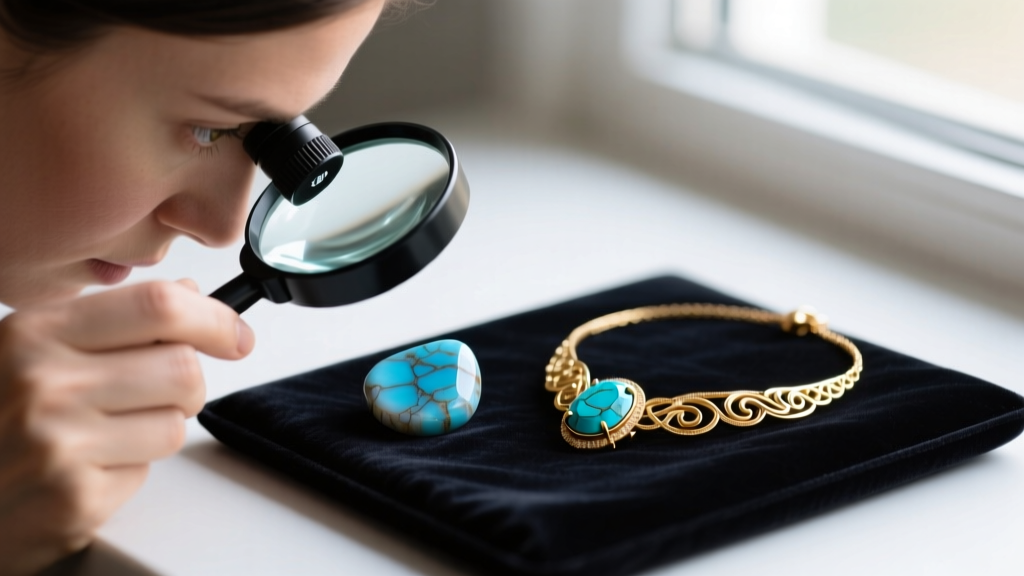
When assessing a turquoise and gold necklace in person or evaluating high-resolution photos online, look for these specific failure modes and deception tactics:
The Acetone Test
If you already own the piece and suspect it is stabilized with cheap epoxy or dyed, apply a small drop of pure acetone (nail polish remover) to an inconspicuous area on the back of the stone using a cotton swab. If the cotton turns blue, the stone has been dyed or surface-treated with unstable polymers. Note: Do not use acetone on pearls, opals, or porous organic gems, but it is generally safe for testing raw turquoise.
Matrix Uniformity
Natural turquoise matrix (the brown or black host rock veining) is chaotic, three-dimensional, and asymmetrical. If the "spiderweb" pattern looks like it was drawn on with a fine-tip pen, or if the veining is perfectly uniform across multiple stones in a multi-pendant necklace, you are looking at a printed or dyed imitation.
Hardware Integrity
A genuine turquoise and gold necklace featuring a $400 stone will never be strung on a chain with unsoldered jump rings. Inspect the small ring connecting the clasp to the chain. If there is a visible gap where the wire ends meet, a simple tug will pull the chain apart, resulting in the loss of your pendant. High-value pieces use soldered jump rings or seamless welds.
Final Verdict: Maximizing Your Investment
A turquoise and gold necklace is a timeless investment that bridges Southwestern heritage with modern fine jewelry aesthetics. To ensure you are paying a fair market value, demand transparency from the seller regarding both the gold purity (vermeil vs. solid karat) and the exact gemological treatment of the turquoise. By focusing on structural integrity, such as bezel thickness and soldered hardware, and accepting stabilization as a valid, durable treatment for mid-tier stones, you can confidently acquire a piece that retains both its beauty and its financial value for decades to come.


