2026 Gift Guide: The Perfect Turquoise Necklace Choker
Discover the ultimate 2026 gift guide for a turquoise necklace choker. Learn stone grades, occasion matching, and sizing tips for the perfect present.

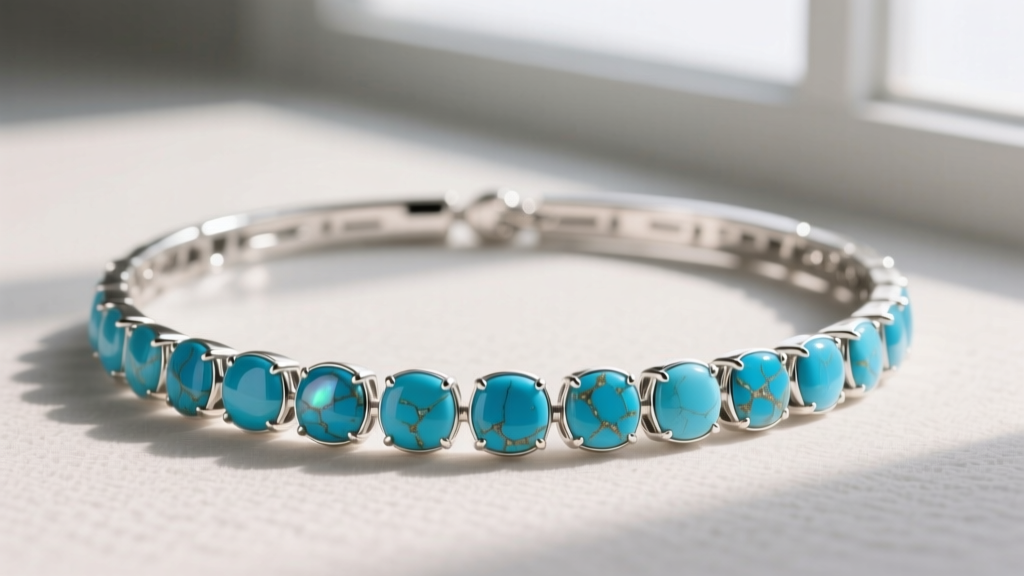
The 2026 Resurgence of Southwestern Elegance
In 2026, the jewelry world has fully embraced the revival of Southwestern and bohemian aesthetics, moving away from minimalist micro-pendants toward bold, heritage-rich statement pieces. At the forefront of this movement is the turquoise necklace choker. Whether you are shopping for a milestone anniversary, a December birthday, or a lover of festival fashion, a turquoise choker offers a deeply personal, visually striking gift. However, gifting turquoise requires more than just picking a pretty shade of blue. Because turquoise is a porous, relatively soft phosphate mineral, understanding its geological origins, treatment processes, and structural hardware is essential for selecting a piece that will last a lifetime.
Decoding Turquoise: Natural vs. Stabilized vs. Imitation
Before purchasing a turquoise necklace choker as a gift, you must understand what you are actually buying. According to the Gemological Institute of America (GIA), turquoise ranges from 3 to 6 on the Mohs hardness scale. High-grade natural turquoise is rare and expensive, while lower-grade material is often treated to make it suitable for jewelry.
| Turquoise Type | Appearance & Matrix | Durability (Mohs) | Choker Price Range |
|---|---|---|---|
| Natural (High-Grade) | Vibrant blue/green, minimal matrix | 5.5 - 6 | $450 - $1,500+ |
| Stabilized | Enhanced color, varied matrix | 5 - 6 | $120 - $400 |
| Reconstituted | Uniform color, manufactured look | 4 - 5 | $40 - $90 |
| Dyed Howlite (Imitation) | Opaque white/grey with dyed veins | 3.5 | $20 - $50 |
Stabilization is not inherently a bad thing; it is a widely accepted industry practice where soft turquoise is infused with a clear epoxy or polymer resin under pressure. This prevents the stone from cracking and protects it from absorbing skin oils. However, ethical jewelers will always disclose stabilization. Avoid dyed howlite or magnesite, which are cheap imitations that lack the cultural and geological significance of genuine turquoise.
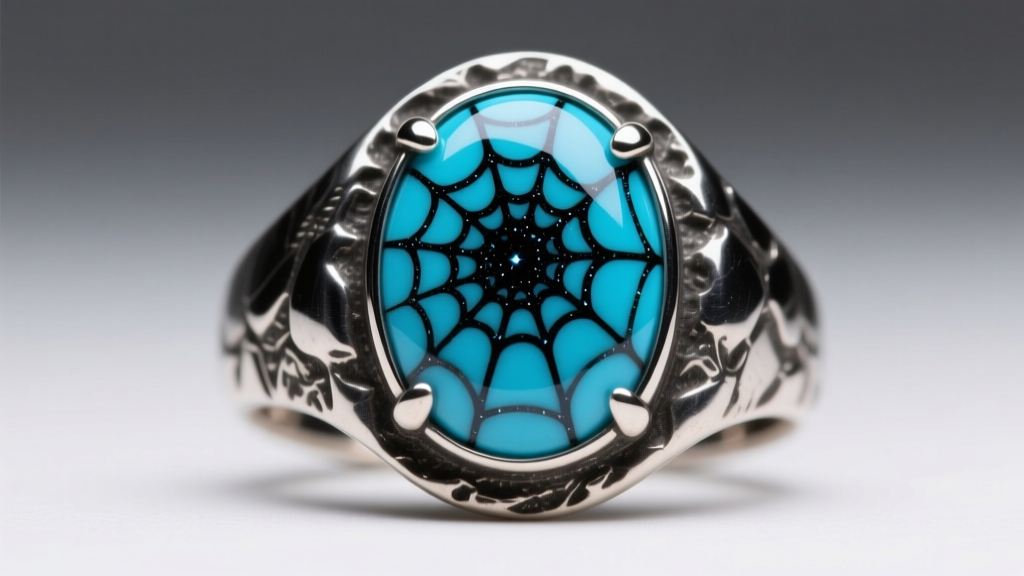
Occasion Matching: Which Choker Fits the Milestone?
A turquoise necklace choker is highly versatile, but the specific mine origin and setting should align with the occasion you are gifting it for.
The 11th Wedding Anniversary: High-Grade Natural Stones
Turquoise is the traditional gemstone for the 11th wedding anniversary. For such a significant milestone, invest in natural, untreated turquoise. Sleeping Beauty turquoise from Arizona is highly prized for its pure, sky-blue color and lack of matrix (the host rock webbing). Because the Sleeping Beauty mine closed in 2012, natural stones have become valuable collector's items. Alternatively, high-grade Kingman turquoise features a striking black or brown spiderweb matrix that looks spectacular when set in heavy, oxidized sterling silver or 14k yellow gold. Expect to pay between $600 and $1,200 for a high-quality natural choker from a reputable lapidary.
December Birthdays & Graduations: Stabilized Durability
As one of the three December birthstones (alongside tanzanite and zircon), turquoise makes a thoughtful birthday gift. For daily wear, a stabilized turquoise choker is actually the superior choice. The stabilization process ensures the stone will not absorb lotions, perfumes, or sweat, which can cause natural turquoise to turn a murky green over time. Look for Royston turquoise from Nevada, known for its beautiful green-to-blue gradients and rich brown matrix, often set in modern gold-filled or sterling silver bezel settings.
Festival & Casual Wear: Leather & Beaded Styles
For a younger recipient or someone who loves bohemian festival fashion, a beaded turquoise choker on a leather cord or silk thread is ideal. These pieces often use stabilized or reconstituted turquoise beads, keeping the price point accessible ($50–$150). The rustic aesthetic pairs perfectly with casual wear, denim, and layered outfits.
Sizing and Hardware: Engineering the Perfect Fit
The difference between a comfortable choker and a choking hazard lies entirely in precise sizing and hardware selection. Unlike standard necklaces that hang at 18 or 20 inches, chokers sit snugly at the base of the neck.
The 14 to 16-Inch Sweet Spot
- 14 Inches (Collar): Sits tightly against the upper neck. Best for very slender necks or open-back gowns. Not recommended for everyday wear due to restricted movement.
- 15 Inches (Standard Choker): The most universally flattering length. It rests comfortably at the base of the neck, drawing the eye to the collarbone. If you cannot measure the recipient's neck, 15 inches with a 2-inch extender chain is the safest gifting strategy.
- 16 Inches (Princess/Choker Hybrid): Sits just below the collarbone. Ideal for those who dislike the feeling of jewelry resting directly on their throat, or for wear over crew-neck sweaters.
Clasp Mechanics and Cord Materials
The hardware of a turquoise necklace choker must balance security with ease of use. For delicate sterling silver or gold chains, a lobster claw clasp is standard, though it can be difficult to fasten on oneself. For thicker leather or silk cord chokers, a silver toggle clasp is vastly superior. Toggles are easy to fasten blindly and add an element of Southwestern architectural design to the front or back of the neck. Avoid magnetic clasps for long hair, as they tend to catch and pull strands when unfastening.
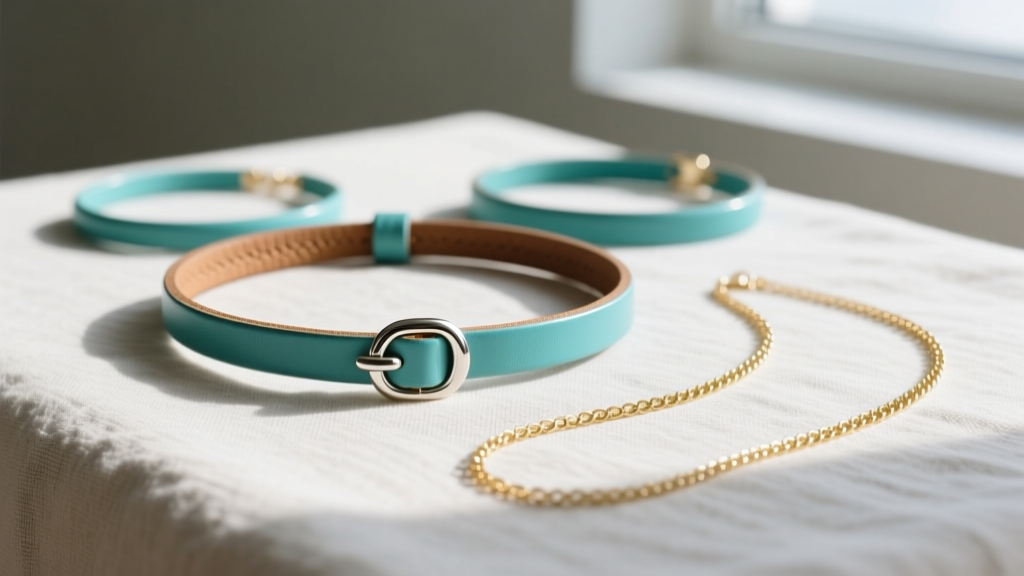
The Unboxing Experience: Gifting Care Instructions
Gifting a porous gemstone comes with a responsibility to educate the recipient. The Smithsonian National Museum of the American Indian notes that turquoise has been revered for centuries, but its physical fragility requires modern maintenance. Include a beautifully printed care card in your gift box detailing the following rules:
The Golden Rules of Turquoise Care:
1. Last On, First Off: Always put your turquoise choker on after applying perfume, hairspray, and cosmetics. Remove it before applying lotions.
2. No Ultrasonic Cleaners: Never use ultrasonic jewelry cleaners, steamers, or harsh chemical dips. The vibrations and chemicals can shatter the stone or strip its polish.
3. Gentle Wiping: Clean the stones only with a soft, slightly damp microfiber cloth. Dry immediately.
4. Avoid Water: Remove the choker before swimming in chlorinated pools or saltwater, which can degrade both the stone and the metal settings.
Final Thoughts on Gifting Turquoise
A turquoise necklace choker is more than just an accessory; it is a piece of earth's history, carrying centuries of cultural significance and geological wonder. By carefully selecting the right grade of stone, matching the style to the recipient's specific milestone, and ensuring the hardware is engineered for a perfect 15-inch fit, you are giving a gift that transcends seasonal trends. In 2026, as we continue to value authenticity and heritage in our jewelry boxes, a well-chosen turquoise choker remains an unforgettable, deeply personal present.


