The Twisted Bead Necklace: 2026 Trend Analysis & Styling Guide
Discover why the twisted bead necklace is dominating 2026 jewelry trends. Explore material grades, layering techniques, and expert styling advice.

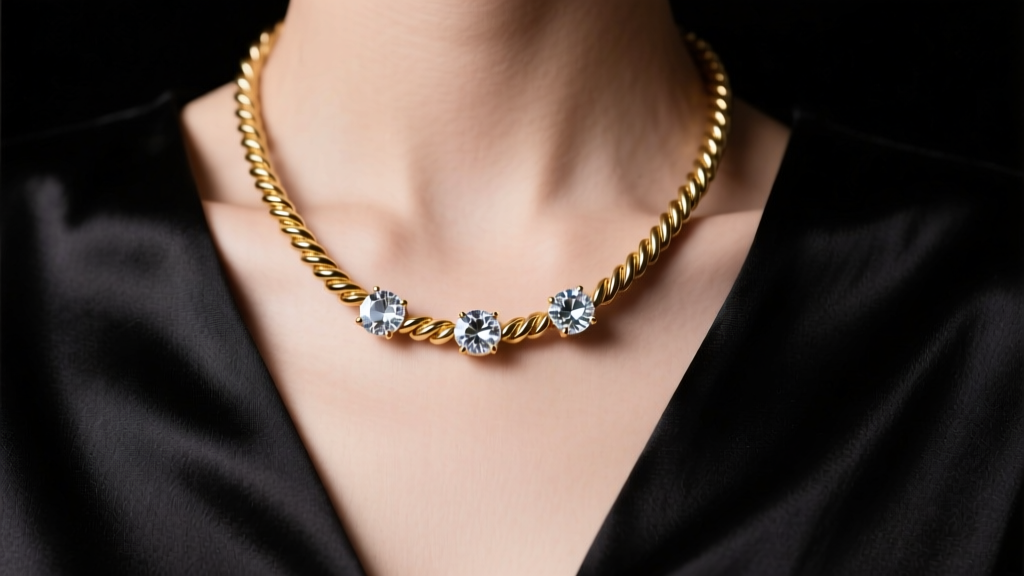
The Resurgence of the Twisted Bead Necklace in 2026
As the jewelry industry moves decisively past the ultra-minimalist, barely-there chain trends of the early 2020s, 2026 has ushered in an era of tactile, dimensional, and highly textured neckwear. At the forefront of this shift is the twisted bead necklace. No longer relegated to vintage costume jewelry boxes, the modern twisted bead necklace—often referred to in fine jewelry circles as a torsade or a multi-strand twist—has been re-engineered with advanced metallurgy and precision-cut gemstones. According to recent trend forecasts highlighted by Vogue's jewelry trend reports, consumers are increasingly seeking 'high-impact, low-effort' pieces that provide the visual weight of a multi-strand necklace without the tangling and heavy drape. The twisted bead necklace achieves exactly this by utilizing rotational tension to create a cohesive, rope-like silhouette that catches light from multiple angles.
However, not all twisted bead necklaces are created equal. The market is currently flooded with both structurally sound, demi-fine investments and poorly constructed fast-fashion iterations that fail within weeks. This comprehensive 2026 analysis breaks down the anatomy, material grades, failure modes, and advanced styling frameworks you need to navigate this trending category like a seasoned gemologist.
Anatomy of the Twist: Flexible Torsades vs. Rigid Wire-Wraps
To understand the value and durability of a twisted bead necklace, you must first identify its construction method. There are two primary engineering approaches used by jewelers today, each offering a vastly different drape, weight, and price point.
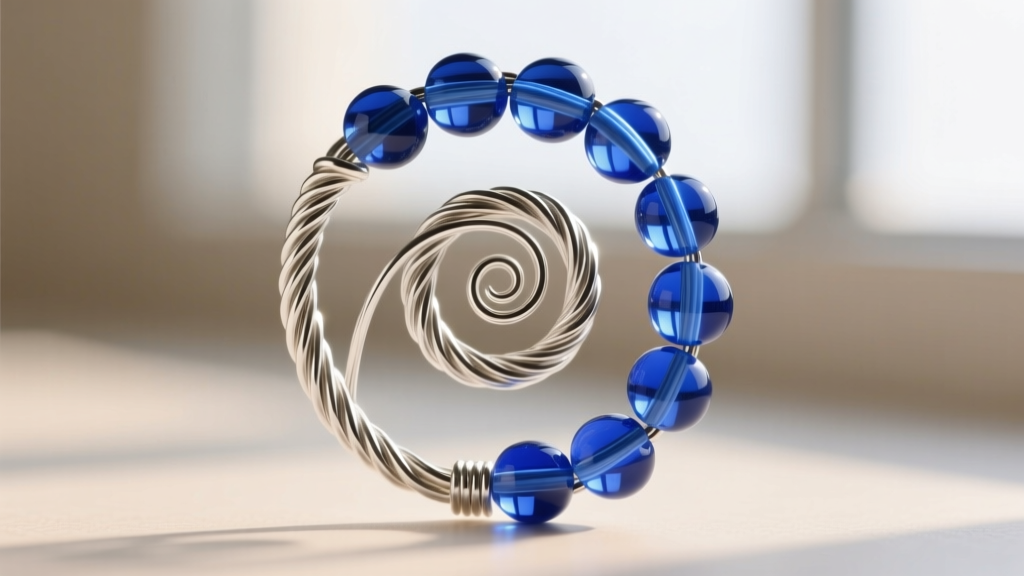
1. The Flexible Torsade (Multi-Strand Twist)
The flexible torsade is created by stringing a massive quantity of beads onto a single, extra-long strand of flexible beading wire, and then twisting the strand upon itself multiple times. The tension of the twist causes the beads to spiral around one another, creating the illusion of multiple distinct strands. High-end jewelers in 2026 utilize 49-strand micro-woven stainless steel cable coated in nylon (typically 0.015 to 0.018 inches in diameter). This specific wire gauge offers the drape of silk thread but the tensile strength of steel, allowing the necklace to twist tightly without snapping the core.
2. The Rigid Wire-Wrapped Twist
Alternatively, the rigid wire-wrapped twisted bead necklace relies on a solid core wire—usually 22-gauge to 24-gauge half-hard sterling silver or 14k gold-filled wire. The beads are threaded onto the wire, and the wire itself is physically twisted using a pin vise or jewelry mandrel. This creates a permanent, structured spiral that holds its shape like a torque choker. While visually striking and highly architectural, this method requires precise metallurgical knowledge to prevent the metal from becoming brittle during the twisting process.
Common Failure Modes and Structural Weaknesses
When evaluating a twisted bead necklace, particularly in the sub-$100 market, buyers must be aware of specific structural failure modes. The twisting process introduces immense physical stress to both the beads and the core wire. Here are the most common points of failure:
- Work-Hardening and Snap-Fractures: When half-hard sterling silver or brass wire is twisted, its crystalline lattice structure compresses. This increases tensile strength but drastically reduces malleability. If a manufacturer over-twists the wire, it becomes brittle and will inevitably snap precisely at the clasp jump ring due to torque stress when the wearer puts it on or takes it off.
- Nylon Coating Degradation: In flexible torsades, the nylon coating on the stainless steel wire can degrade when exposed to UV light, chlorine, and acidic sweat over time. Once the nylon micro-fractures, the internal steel cables fray, leading to a sudden, catastrophic break.
- Bead Reaming Damage: The rotational friction of a twisted bead necklace means the beads are constantly rubbing against the wire and each other. If glass or soft gemstone beads (like turquoise or opal) are not reamed smoothly or lined with protective metal micro-tubes, the wire will act like a saw, eventually cutting through the bead from the inside out.
Market Positioning: Price Tiers and Material Grades
The pricing of a twisted bead necklace is dictated by the purity of the core wire and the origin of the beads. Below is a breakdown of the 2026 market tiers to help you identify true value.
| Tier | Core Material | Bead Type | Price Range (USD) | Longevity |
|---|---|---|---|---|
| Fashion | Brass/Alloy Wire | Acrylic, Dyed Glass | $15 - $45 | Low (Prone to tarnish and snapping) |
| Demi-Fine | 14k Gold-Filled, Sterling | Swarovski Crystal, Freshwater Pearl | $60 - $180 | High (Excellent daily wear) |
| Fine Jewelry | Solid 18k Gold, Platinum | Sapphires, Diamonds, Emeralds | $800 - $5,000+ | Generational (Heirloom quality) |
As noted by the Gemological Institute of America (GIA), the abrasion resistance of the bead material is critical in twisted designs. For demi-fine buyers, opting for quartz-based crystals or hardened glass over soft organics like coral or untreated turquoise will drastically extend the lifespan of the piece.
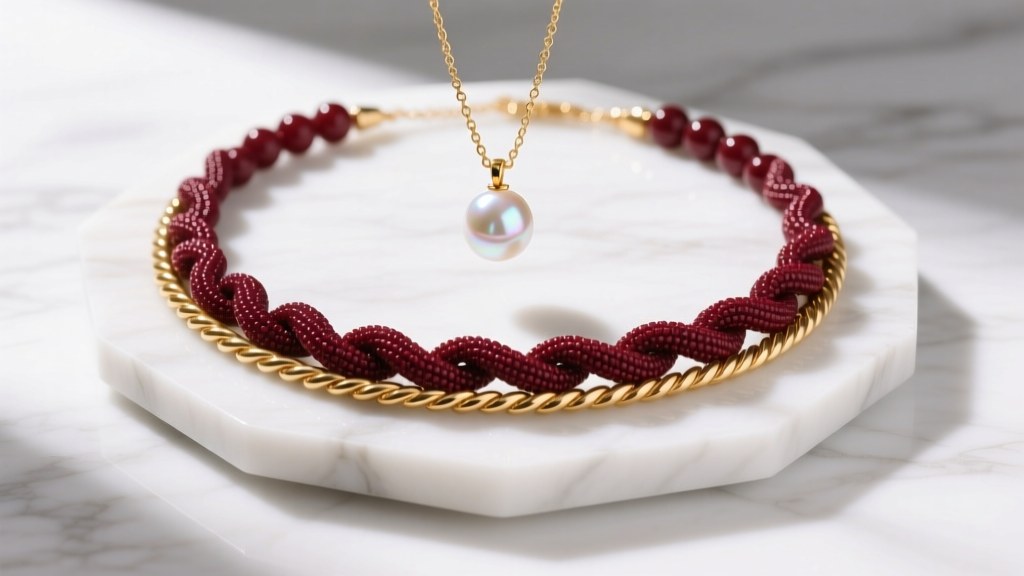
Mastering the Layering and Neckline Framework
The twisted bead necklace is inherently voluminous. Its spiral structure creates a 'thick' visual profile, which makes layering a complex exercise in balancing visual weight. In 2026, the haphazard, bohemian layering of the past decade has been replaced by deliberate, mathematically spaced stacking.
The 2-Inch Layering Rule
When pairing a twisted bead necklace with other chains, you must maintain a minimum 2-inch gap between the bottom of the twist and the top of the next pendant. Because the twist reflects light omnidirectionally, placing a delicate chain too close will cause the thinner chain to visually 'disappear' into the bead texture. A 16-inch twisted bead choker pairs best with a 20-inch or 22-inch lariat or heavy-link chain to create a cascading effect.
Neckline Pairing Matrix
Matching the twist length to your garment's neckline is crucial for maintaining proportional elegance.
| Neckline Type | Ideal Twist Length | Visual Effect & Rationale |
|---|---|---|
| V-Neck / Plunge | 20 to 24 Inches (Matinee) | Allows the V-shape to frame the face; the twist follows the lapel line without cluttering the collarbone. |
| Crew Neck / Tee | 16 to 18 Inches (Choker/Princess) | Sits firmly above the fabric line, acting as a structured collar that elevates casual wear. |
| Sweetheart / Strapless | 15 Inches (Tight Choker) | Creates a high-contrast horizontal line that emphasizes the bareness of the shoulders and décolletage. |
"The secret to styling a twisted bead necklace is treating it as the architectural anchor of your outfit. Let the twist be the sole source of texture near the face, and keep earrings minimal—perhaps simple gold hoops or diamond studs—to avoid visual competition." — Editorial Director, Jewel Style Radar
Care and Maintenance: Preserving the Tension
Maintaining the structural integrity of a twisted bead necklace requires specific care protocols. Never hang a flexible torsade on a standard jewelry tree; the constant downward pull of gravity will slowly stretch the nylon-coated wire and cause the twist to unravel, leaving you with a loose, tangled loop. Instead, store flexible twists coiled loosely in a velvet-lined, flat jewelry box. For rigid wire-wrapped twists, avoid bending the necklace to fit into small spaces, as reversing the twist will cause immediate work-hardening fractures. To clean, use a soft microfiber cloth and a mild, ammonia-free jewelry dip, ensuring you rinse thoroughly so no chemical residue is trapped between the tightly packed beads.
Final Verdict: Is It a 2026 Wardrobe Staple?
The twisted bead necklace has successfully transitioned from a nostalgic retro trend to a modern wardrobe staple, thanks to advancements in wire technology and contemporary bead cutting techniques. According to Forbes jewelry market analysis, consumer spending in the demi-fine textured necklace category has surged, indicating a strong preference for pieces that offer high visual impact and versatile styling options. If you invest in a 49-strand flexible torsade featuring high-quality crystal or semi-precious stones, you are acquiring a dynamic, light-catching piece that perfectly encapsulates the bold, tactile aesthetic of 2026.


