Silver Gold Necklace Value: 2026 Buying & Pricing Guide
Assess the true cost-per-wear of a silver gold necklace in 2026. Compare vermeil, gold-filled, and plated options to find the best budget value.

The 'Silver Gold Necklace' Dilemma: Decoding the Terminology
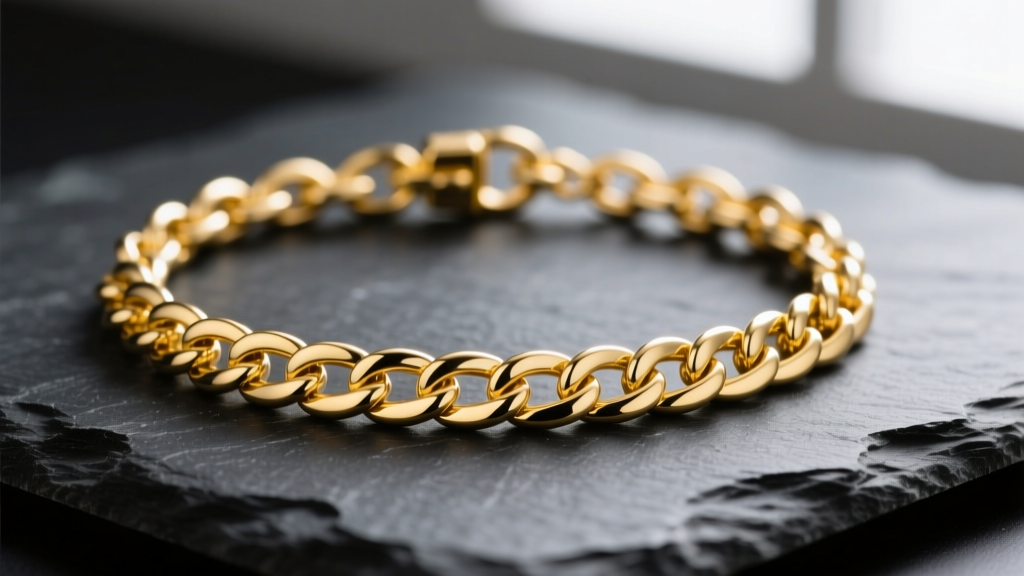
When modern consumers search for a silver gold necklace, they are rarely looking for a literal alloy of silver and gold. Instead, they are seeking the luxurious, warm aesthetic of solid gold without the prohibitive $500+ price tag of a solid 14k or 18k piece. In 2026, with precious metal spot prices continuing their upward trajectory, the demand for gold-toned necklaces built on a sterling silver (.925) foundation has reached an all-time high. However, the jewelry market is flooded with misleading terminology, making it incredibly difficult to separate a genuine investment from a disposable accessory.
To accurately assess the budget and value of these hybrid pieces, we must first establish the legal and gemological definitions governing them. According to the Federal Trade Commission (FTC) Jewelry Guides, terms like 'vermeil', 'gold-filled', and 'gold-plated' carry strict, legally binding requirements regarding base metals and micron thicknesses. Understanding these distinctions is the only way to calculate the true cost-per-wear of your jewelry.
Material Breakdown: Vermeil vs. Gold-Filled vs. Flash Plated
Not all gold-over-silver necklaces are created equal. The longevity, tarnish resistance, and ultimate value of your necklace depend entirely on the manufacturing process used to bond the gold to the silver core. Below is a comprehensive breakdown of the three primary categories you will encounter in the 2026 market.
| Category | Base Metal | Gold Layer Thickness | Expected Lifespan | 2026 Avg. Price (18' Chain) |
|---|---|---|---|---|
| Flash Plated | Sterling Silver (.925) | Less than 0.5 microns | 3 to 12 months | $25 - $60 |
| Gold Vermeil | Sterling Silver (.925) | Minimum 2.5 microns | 2 to 5+ years | $90 - $220 |
| Gold-Filled (Silver Core) | Sterling Silver (.925) | 1/20th of total weight | 10 to 30+ years | $180 - $350 |
| Solid 14k Gold (Benchmark) | 14k Gold Alloy | N/A (Solid throughout) | Lifetime / Heirloom | $450 - $700+ |
Flash Plating is an electrochemical process that deposits a microscopic layer of gold—often less than 0.1 microns thick—onto a silver base. While initially brilliant, this layer is essentially a surface stain. Friction from clothing and natural skin oils will wear it away in a matter of months, exposing the silver beneath, which will quickly oxidize and tarnish.
Gold Vermeil (pronounced ver-MAY) is the sweet spot for budget-conscious buyers who demand quality. The FTC mandates that vermeil must have a sterling silver base and be plated with at least 2.5 microns of 10k, 14k, or higher gold. Because the gold layer is substantially thicker, a well-cared-for vermeil necklace can easily last half a decade before requiring professional re-plating.
Gold-Filled Silver is a rare but exceptional find. Unlike plating, gold-filled material is created by mechanically bonding a thick sheet of gold to a core metal using extreme heat and pressure. While most gold-filled jewelry uses a brass core, premium brands occasionally use a sterling silver core. By law, the gold must constitute at least 1/20th (5%) of the total weight of the item. This results in a piece that is virtually indistinguishable from solid gold in terms of durability.
2026 Pricing Tiers: What Should You Actually Pay?
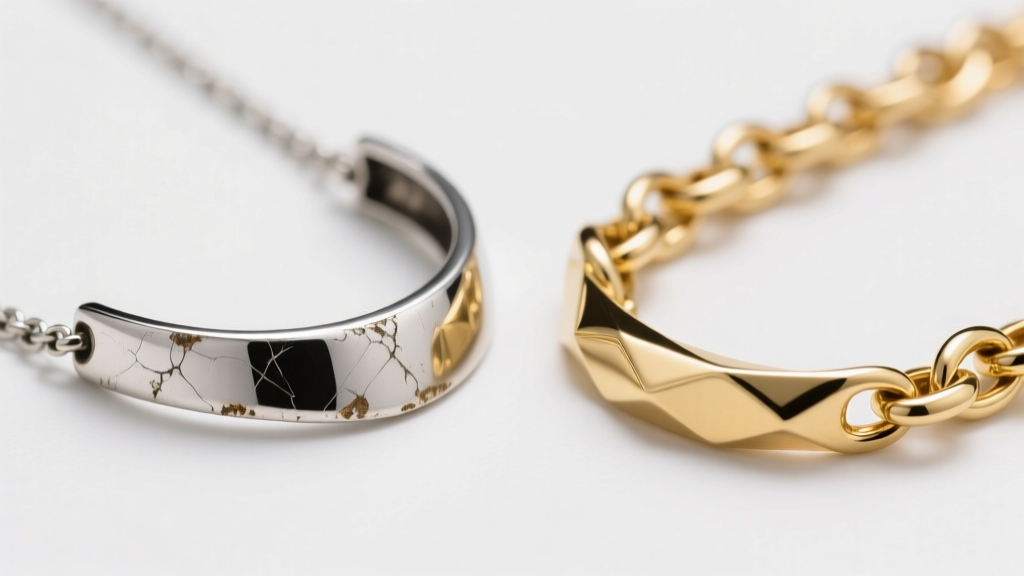
Evaluating the value of a silver gold necklace requires looking past the sticker price and examining the manufacturing overhead. In 2026, the rising cost of raw gold and silver has forced many mid-tier brands to cut corners on micron thickness while maintaining premium price points. Here is a realistic pricing framework to help you identify fair market value.
- The Fast Fashion Tier ($20 - $50): At this price point, you are almost certainly purchasing flash-plated sterling silver (or worse, brass). Brands in this tier spend heavily on influencer marketing rather than material quality. The cost-per-wear is exceptionally high because the necklace will likely degrade within a single season.
- The Accessible Luxury Tier ($80 - $180): This is the domain of high-quality gold vermeil. Brands operating here (such as Mejuri or Gorjana) typically use 14k or 18k gold plated at 2.5 to 3.0 microns over recycled sterling silver. This is the most rational budget allocation for everyday wear.
- The Artisan / Heavy Vermeil Tier ($200 - $350): Here you will find small-batch jewelers offering 4.0+ micron vermeil or silver-core gold-filled chains. These pieces bridge the gap between vermeil and solid gold, offering heirloom-like durability at a fraction of the cost of solid 14k.
Cost-Per-Wear Analysis: Is It a Smart Investment?
To truly assess value, jewelry experts rely on the Cost-Per-Wear (CPW) metric. Let us compare a $40 flash-plated silver gold necklace against a $140 heavy vermeil alternative, assuming you wear the piece twice a week.
The $40 flash-plated necklace will likely show severe wear and base-metal exposure within 6 months (approx. 50 wears). This results in a CPW of $0.80 per wear. Furthermore, once the plating is gone, the piece is essentially worthless, contributing to landfill waste.
Conversely, the $140 heavy vermeil necklace, cared for properly, will maintain its structural and aesthetic integrity for at least 4 years (approx. 400 wears). This drops the CPW to $0.35 per wear—less than half the cost of the 'cheaper' option. When the vermeil eventually wears thin, the underlying sterling silver core retains intrinsic melt value and can be professionally re-plated for $45 to $75, extending its life for another half-decade.
Failure Modes: When the Gold Rubs Off
Even the highest quality silver gold necklace will fail prematurely if subjected to harsh environmental stressors. According to the Gemological Institute of America (GIA), gold is highly resistant to corrosion, but the microscopic pores in electroplated layers can allow environmental chemicals to reach the silver base. Avoid the following failure triggers:
- Chlorine Exposure: Swimming pools and hot tubs are the enemies of vermeil. Chlorine reacts aggressively with the copper alloyed within the sterling silver base, causing microscopic pitting that shatters the gold layer from the inside out.
- Friction from Synthetics: Rough wool sweaters and synthetic polyester collars act like fine sandpaper against the neck. Over time, this mechanical abrasion will physically strip the gold from the high-friction zones near the clasp and the nape of the neck.
- Ultrasonic Cleaners: Never place a gold-plated or vermeil necklace in an ultrasonic jewelry cleaner. The high-frequency cavitation bubbles will literally blast the gold layer off the silver substrate.

Expert Verdict: Which Silver Gold Necklace Should You Buy?
If your budget strictly prohibits the $500+ investment required for a solid 14k gold chain, a high-quality silver gold necklace is an exceptionally smart alternative—provided you buy intelligently. Ignore flash-plated options entirely; they are a false economy that will leave you with tarnished, unwearable metal in a matter of months.
For the best balance of budget and longevity in 2026, target 14k or 18k gold vermeil with a guaranteed minimum thickness of 2.5 microns over a .925 sterling silver base. Always verify the maker's stamp (which should read '.925', not '14k', as stamping vermeil with a solid gold karat mark is illegal). By prioritizing micron thickness over brand hype, you can build a luxurious, durable jewelry collection that delivers unparalleled cost-per-wear value for years to come.


