Restoring the Pearl Necklace: Troubleshooting Knots, Clasps & Luster
Learn how to fix and restore the pearl necklace. Expert troubleshooting for frayed silk, loose knots, clasp failures, and dull nacre luster.

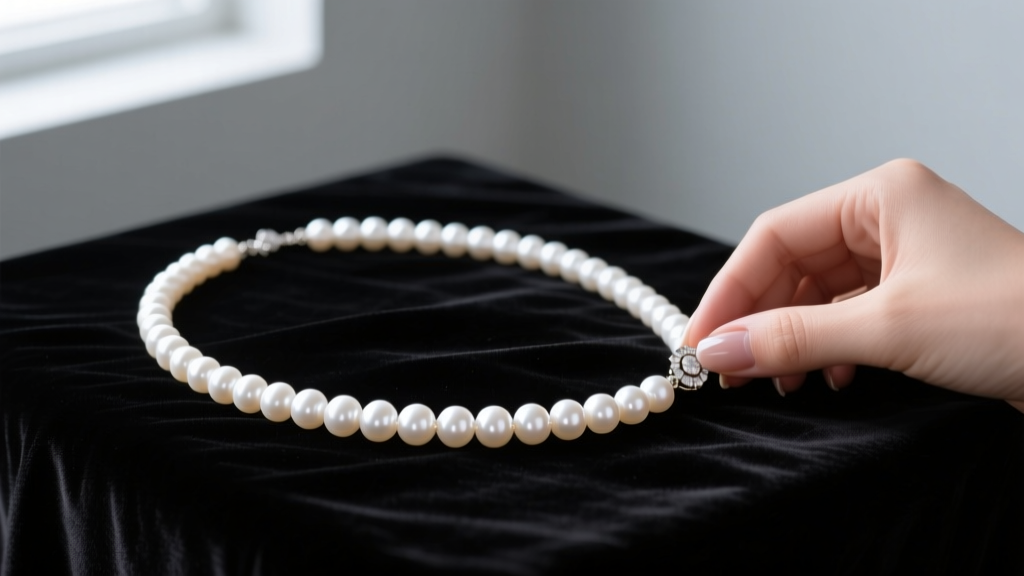
A strand of pearls is more than just an accessory; it is an heirloom, a rite of passage, and a masterclass in organic gemology. However, because pearls are delicate organic structures and traditional stringing relies on natural protein fibers, wearing the pearl necklace daily exposes it to a host of structural and chemical hazards. From stretched silk and frayed knots to acid erosion and clasp fatigue, the problems that plague pearl strands are as common as they are preventable.
As of 2026, while modern synthetic thread blends have entered the market, high-end jewelers and restoration experts still overwhelmingly rely on 100% natural silk for its superior knot-holding friction and elegant drape. If your strand is showing signs of wear, attempting a DIY fix without understanding the precise mechanics of pearl stringing can result in catastrophic nacre damage or total strand failure. This comprehensive troubleshooting guide will walk you through diagnosing, repairing, and restoring your pearl jewelry with professional-grade precision.
The Anatomy of a Failing Strand: Why Silk Degrades
To troubleshoot a failing necklace, you must first understand the materials involved. Traditional pearl stringing uses silk thread, a natural protein fiber. While silk possesses excellent tensile strength and a luxurious drape, it is highly susceptible to environmental and biological factors. Human sweat has an average pH of 4.5 to 5.5, making it mildly acidic. Over time, this acidity, combined with the salts and oils from your skin, breaks down the protein bonds in the silk.
Furthermore, gravity and the weight of the pearls themselves cause micro-tears in the fibers. When you notice gaps between your pearls, it is not merely a cosmetic issue; it is a critical structural warning. The thread has stretched beyond its elastic recovery point, and the friction holding the knots in place is compromised. According to the Gemological Institute of America (GIA), pearls should be restrung annually if worn frequently, or immediately if the thread appears soiled, stretched, or frayed.
Diagnostic Chart: Identifying Your Pearl Necklace Issues
Before picking up a beading awl or a polishing cloth, run your strand through this diagnostic framework to identify the exact failure points.
| Symptom | Underlying Cause | Actionable Solution |
|---|---|---|
| Visible gaps between pearls | Silk thread stretching due to weight and body oils. | Complete restringing with pre-stretched silk and tight French knots. |
| Yellowing or darkened thread | Oxidation, sweat absorption, and cosmetic buildup. | Restring immediately; old thread harbors acids that can etch the drill holes. |
| Clasp fails to latch securely | Worn spring mechanism or bent jump ring. | Replace the clasp; upgrade to a box clasp with a figure-8 safety catch. |
| Chalky, dull, or matte surface | Acid erosion from perfume, hairspray, or skin pH. | Gentle microfiber wiping; severe cases require professional nacre polishing. |
| Fraying at the clasp connection | Silk rubbing directly against a sharp metal jump ring. | Install French wire (gimp) to shield the silk from metal abrasion. |
Step-by-Step Troubleshooting: Restringing & Re-knotting
If your diagnostic reveals stretched silk or loose knots, the necklace must be restrung. This is not a simple matter of threading beads; it requires precise material selection and specialized tools.
Selecting the Correct Silk Thread Gauge
Using the wrong thread thickness will result in either knots that slip through the drill holes (thread too thin) or knots that refuse to seat properly against the pearl (thread too thick). Professional stringers typically use Griffin 100% Natural Silk, which is pre-waxed and comes on cards with attached collapsible-eye needles. Use this gauge framework:
- Size F (0.35mm): Ideal for small Akoya pearls (5mm - 6.5mm) and seed pearls.
- Size 1 (0.40mm): The standard for most classic Akoya and medium Freshwater pearls (7mm - 8mm).
- Size 2 (0.45mm): Required for larger Freshwater and smaller South Sea pearls (8.5mm - 9.5mm).
- Size 3 (0.50mm) or higher: Reserved for large South Sea and Tahitian pearls (10mm+).
The Beading Awl Technique for Tight Knots
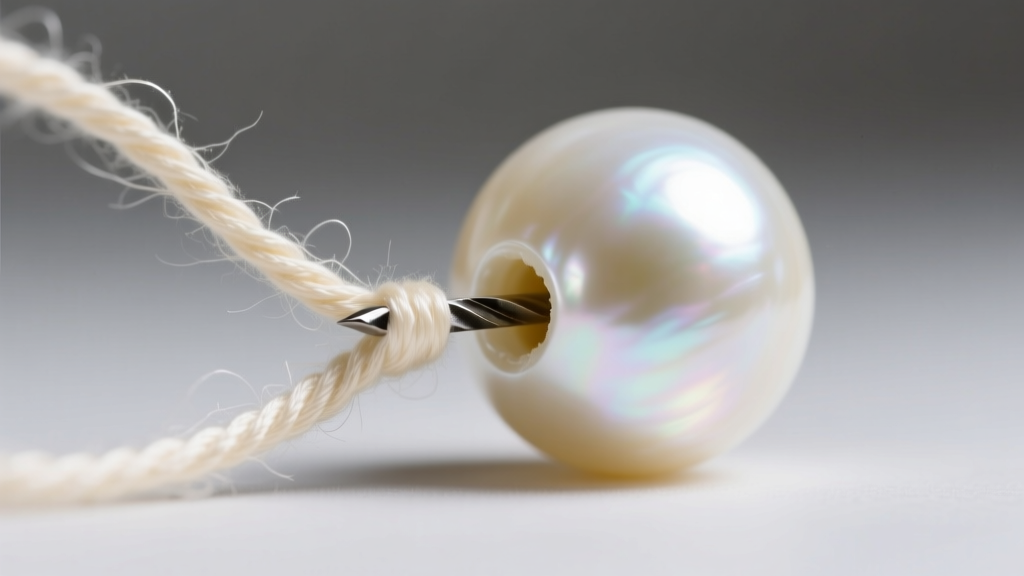
The hallmark of a high-quality pearl strand is that the knots sit flush against the pearls, leaving zero gaps. To achieve this, jewelers use a 0.6mm beading awl. After tying a standard overhand knot, the knot is left slightly loose. The tip of the awl is inserted into the loop of the knot, and as the knot is pulled tight, the awl is used to gently push and seat the knot directly against the drill hole of the preceding pearl. This technique requires practice, as pushing too hard can scratch the nacre, while pushing too softly leaves unsightly gaps.
Reviving Dead Luster: Surface Troubleshooting
Pearls are composed of calcium carbonate (aragonite) crystals held together by an organic protein called conchiolin. With a Mohs hardness of just 2.5 to 3.0, the nacre is incredibly soft and easily etched by common household chemicals. If your pearls have lost their signature orient and luster, you are likely dealing with surface acid erosion.
What NEVER to do: Never place a pearl necklace in an ultrasonic cleaner. The high-frequency cavitation bubbles will literally shatter the delicate nacre layers, destroying the pearl in seconds. Furthermore, avoid commercial silver dips, ammonia-based cleaners, and even mild dish soaps, which can strip the natural moisture from the conchiolin, leading to cracking.
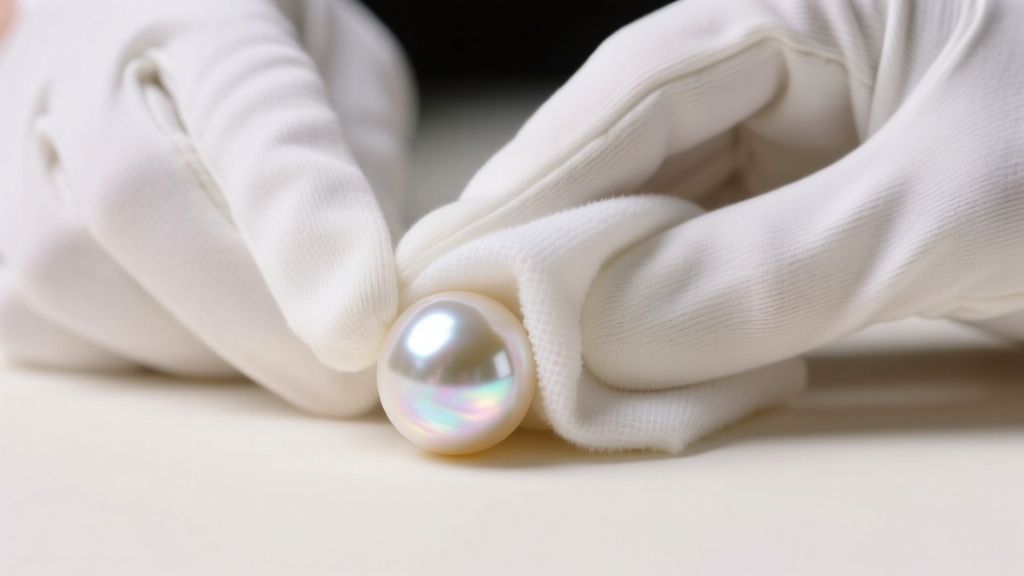
The Restoration Protocol: To safely clean and restore luster, use a slightly damp, lint-free microfiber cloth. Wipe each pearl individually, paying special attention to the areas near the drill holes where cosmetic residue accumulates. For stubborn buildup, a tiny drop of mineral oil on the cloth can help lift grime without harming the nacre. As noted in the GIA Pearl Description guidelines, pearls should always be the last thing you put on when dressing (after cosmetics and perfumes) and the first thing you take off.
Upgrading the Clasp: Preventing Future Catastrophes
The clasp is the single most critical point of failure on any necklace. A standard spring-ring clasp is wholly inadequate for a heavy strand of South Sea pearls. If the spring fails, the necklace drops, and the pearls scatter. When restringing, always upgrade the clasp hardware to match the value and weight of the pearls.
Installing French Wire (Gimp) and Safety Catches
The transition point where the soft silk thread meets the hard metal jump ring of the clasp is a high-friction zone. Over time, the metal acts like a microscopic saw, cutting through the silk. To solve this, professionals use French wire (also known as bullion or gimp). This is a micro-coiled spring of fine sterling silver or gold-filled wire. The silk thread is passed through the center of the French wire coil before attaching to the jump ring. This ensures that the metal ring rubs against the sacrificial metal coil, rather than the structural silk.
Finally, replace lightweight lobster or spring-ring clasps with a Box Clasp featuring a Figure-8 Safety Catch. The box clasp provides a secure mechanical lock, while the figure-8 safety wire acts as a secondary backup. If the primary box mechanism accidentally disengages, the safety catch ensures the necklace remains draped around your neck, giving you time to secure it and preventing a devastating drop.
Conclusion
Troubleshooting and restoring a pearl necklace requires a blend of material science, precision handiwork, and preventative care. By understanding the vulnerabilities of silk thread, respecting the delicate chemistry of calcium carbonate nacre, and insisting on professional-grade clasp hardware, you can ensure your strand remains structurally sound and radiantly lustrous for generations. Whether you are carefully seating knots with a beading awl or simply wiping away the day's oils with a microfiber cloth, treating your pearls with expert-level care is the ultimate key to preserving their timeless elegance.


