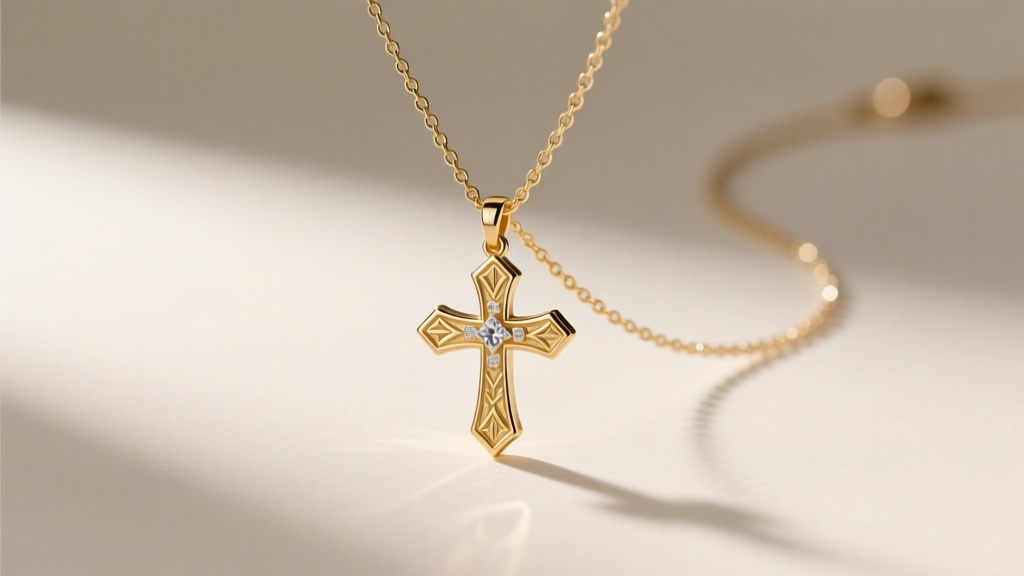
Every Type of Necklace Trending in 2026: A Style Guide
Discover every type of necklace dominating 2026 style. From modular lariats to heavy paperclip chains, master materials, layering math, and trends.

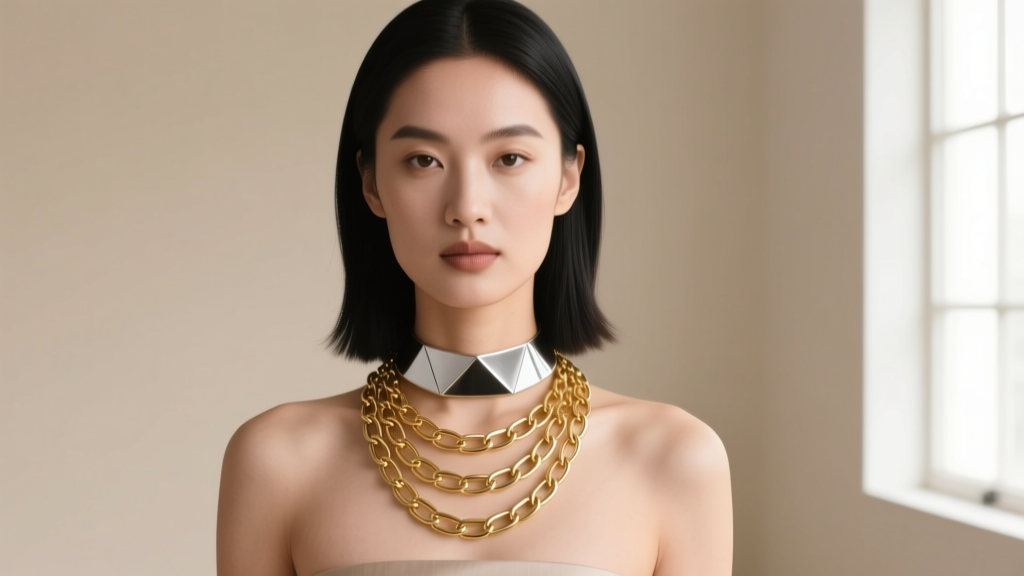
The 2026 Shift: Redefining the Classic Necklace Silhouette
The landscape of neckwear has fundamentally shifted as we move through 2026. Over the past decade, the market was heavily saturated with ultra-dainty, barely-there chains that prioritized subtlety over substance. Today, the pendulum has swung decisively toward architectural volume, modular functionality, and mixed-metal eclecticism. When analyzing every type of necklace currently dominating editorial spreads and luxury retail, a clear theme emerges: consumers are investing in versatile, heavyweight, and highly engineered pieces that serve as the anchor of their wardrobe rather than an afterthought.
According to recent market analyses by Bain & Company on the luxury market, buyers are increasingly prioritizing "hard luxury" and durable jewelry staples that offer high cost-per-wear value. This means understanding the exact construction, metal grade, and structural integrity of your neckwear is no longer just for jewelers—it is essential for the modern collector. Below, we deconstruct the dominant necklace types of 2026, providing the technical specifications and styling frameworks you need to navigate the current market.
Decoding the Dominant Necklace Types of 2026
To build a future-proof jewelry box, you must understand the specific mechanics and styling applications of the era's most prominent silhouettes. Here is the technical breakdown of the top trending styles.
The Rigid Collar and Omega Choker
Sitting flush against the collarbone at 14 to 15 inches, the modern collar has evolved from the flexible, flimsy chokers of the 1990s into rigid, tubular masterpieces. The 2026 iteration heavily features Omega chains and solid tubular wire designs ranging from 3mm to 6mm in width. Because these pieces lack flexibility, the hardware is critical. Look for collars equipped with a hidden box clasp and a figure-eight safety latch. If the piece relies solely on a standard lobster clasp, the rigid tension of the metal will eventually warp the jump ring, leading to structural failure.
The Modular Lariat and Y-Necklace
The lariat has been re-engineered for the modern era. Instead of a simple piece of chain that you manually tie or drape, the 2026 modular lariat features integrated sliding mechanisms. High-end versions utilize internal silicone-lined O-rings or precision-machined metal sliders that grip the chain without damaging the links. This allows the wearer to adjust the drop length from a 16-inch choker to a 24-inch matinee on the fly. The ideal chain weave for a sliding lariat is the rope or box chain, as their uniform, symmetrical links allow the slider to move smoothly without catching.
Heavyweight Chain Links: Paperclip and Curb
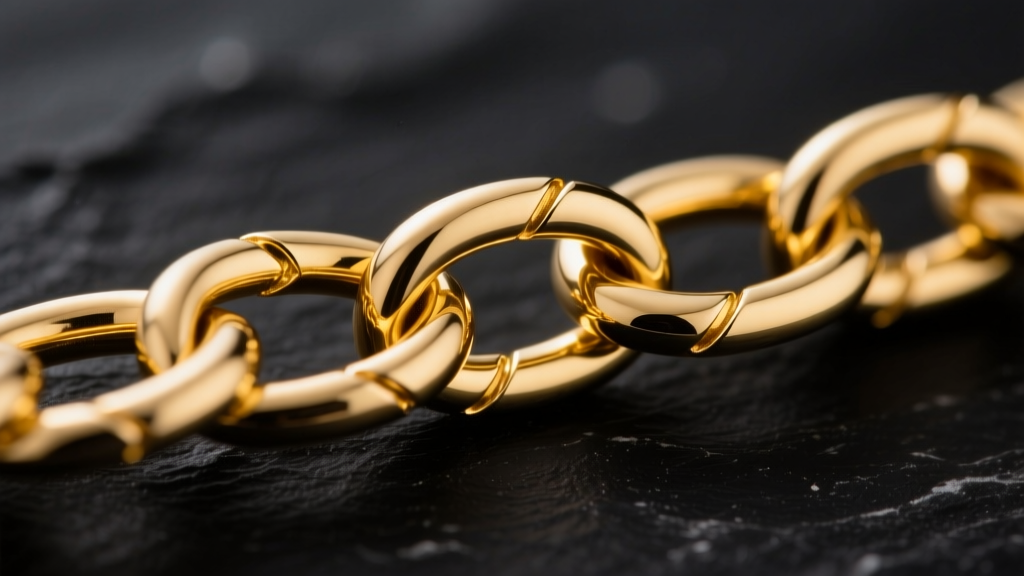
Maximalism in 2026 is defined by the heavyweight chain link. The paperclip chain (characterized by elongated, rectangular links) and the Cuban curb chain (tightly interlocking, flattened oval links) are the undisputed leaders. However, not all links are created equal. The market is currently flooded with "hollow" electroformed chains that offer a massive 7mm to 9mm visual footprint but weigh less than 5 grams. While affordable, hollow links are highly susceptible to crushing and cannot be easily repaired. For a true investment piece, seek out semi-solid or solid die-struck links in the 4mm to 6mm range, which offer substantial weight and long-term durability.
Material & Hardware Breakdown: What to Look For
Choosing the right type of necklace also means scrutinizing the metallurgy. As detailed by the Gemological Institute of America (GIA), the alloy composition of your gold dramatically affects its color, hardness, and tarnish resistance. Below is a comparative framework for the most common materials used in 2026's trending necklace types.
| Material Grade | Tarnish & Scratch Resistance | Best Necklace Type Application | 2026 Market Positioning |
|---|---|---|---|
| 316L Stainless Steel | Exceptional tarnish resistance; moderate scratch resistance. | Heavyweight Curb Chains, Industrial Chokers. | Entry-level luxury; highly durable for daily wear. |
| 14k Gold (58.5% Pure) | High scratch resistance; will not tarnish. Ideal hardness. | Paperclip Chains, Modular Lariats, Pendant Chains. | The premium standard for everyday structural chains. |
| 18k Gold (75% Pure) | Lower scratch resistance; richer yellow hue; softer metal. | Rigid Collars, Delicate Box Chains, Investment Pieces. | High luxury; requires careful storage to avoid link warping. |
| Platinum (95% Pure) | Develops a patina rather than losing metal; incredibly dense. | Heirloom Pendants, Diamond Tennis Necklaces. | Ultra-premium; best for securing high-value gemstones. |
The Mathematics of Layering: A 2026 Styling Framework
Layering remains a dominant styling technique, but the haphazard "pile it on" approach of previous years has been replaced by calculated, mathematical styling. To prevent tangling and ensure each type of necklace is visible, you must adhere to the "4-Inch Drop Rule."
- Layer 1 (The Anchor): 14 to 15 inches. This should be a rigid collar, a thick choker, or a snug herringbone chain that sits above the clavicle.
- Layer 2 (The Focal Point): 18 to 19 inches. This is the princess length, resting just below the collarbone. This layer should carry the visual weight, such as a 5mm paperclip chain or a substantial geometric pendant.
- Layer 3 (The Elongator): 22 to 24 inches. A matinee-length rope chain or a long lariat drop that draws the eye downward, creating a slimming, vertical silhouette.
By maintaining a minimum 3-to-4-inch differential between each layer, you eliminate the friction that causes chains to knot, particularly when mixing different link styles like a smooth snake chain with a textured rope chain.
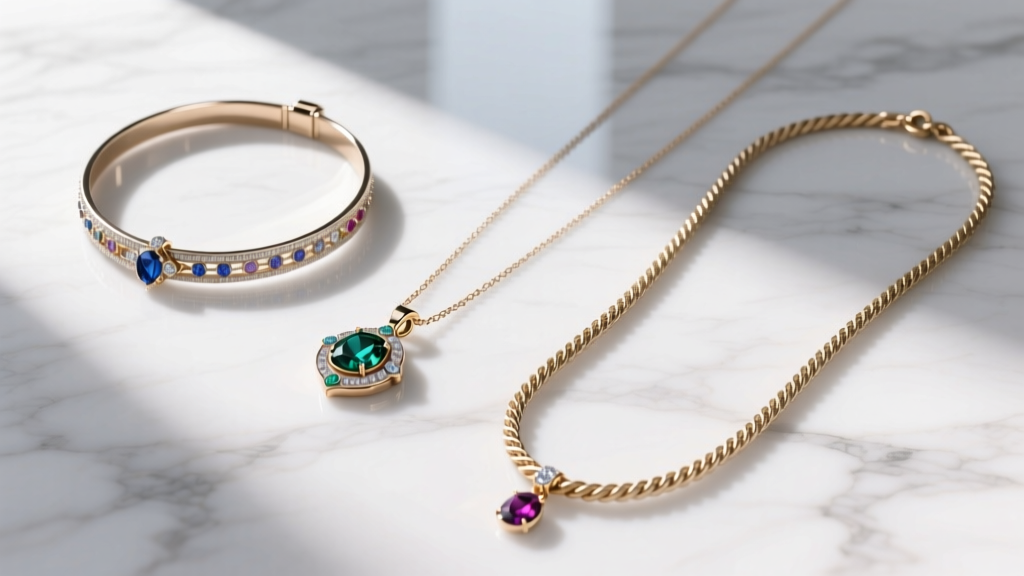
Matching the Necklace Type to Your Neckline
The most expensive, perfectly engineered chain will fail stylistically if it fights with your garment's neckline. As noted in recent seasonal styling guides by Vogue, the interplay between fabric and metal is paramount in 2026.
The V-Neck and Plunging Necklines
A V-neck creates a natural geometric frame that demands a Y-necklace or a lariat. The vertical drop of the lariat mirrors the plunge of the fabric, elongating the torso. Avoid wide, horizontal collar necklaces with deep V-necks, as the conflicting lines create visual clutter and cut off the neck.
The Crew Neck and High Collars
For high, restrictive necklines, you must either go entirely over or entirely under. A bold, 20-inch to 24-inch heavy curb chain worn over a black crew-neck sweater provides a striking, high-contrast focal point. Alternatively, a rigid 14-inch metal collar worn tight against the throat, peeking just above the fabric line, offers a sharp, avant-garde aesthetic.
Strapless and Off-the-Shoulder
Strapless garments expose a massive canvas of skin, which can easily look barren or, conversely, overwhelmed by the wrong jewelry. The optimal choice is a cascading bib necklace or a multi-strand 16-inch chain set that fills the collarbone area without extending down into the bust line. This frames the face and balances the exposed shoulders.
Expert Maintenance Tip: Regardless of the necklace type, always inspect the clasp mechanism every six months. For heavy chains (over 15 grams), a standard spring-ring clasp is a liability. Upgrade to a locking lobster clasp or a magnetic neodymium clasp with a secondary safety chain to prevent catastrophic loss.
Final Thoughts on Building Your Collection
Navigating the diverse landscape of neckwear requires a blend of aesthetic intuition and technical knowledge. By understanding the structural differences between a hollow paperclip chain and a solid curb link, or knowing exactly why an Omega collar requires a box clasp, you elevate your purchasing decisions from mere shopping to strategic collecting. The 2026 jewelry market rewards those who prioritize engineering, proportion, and material integrity, ensuring that every type of necklace in your rotation remains a timeless, functional asset.