How to Clean and Care for Your Diamond Lariat Necklace
Learn expert tips to clean, store, and maintain your diamond lariat necklace. Protect delicate chains and brilliant stones with our care guide.

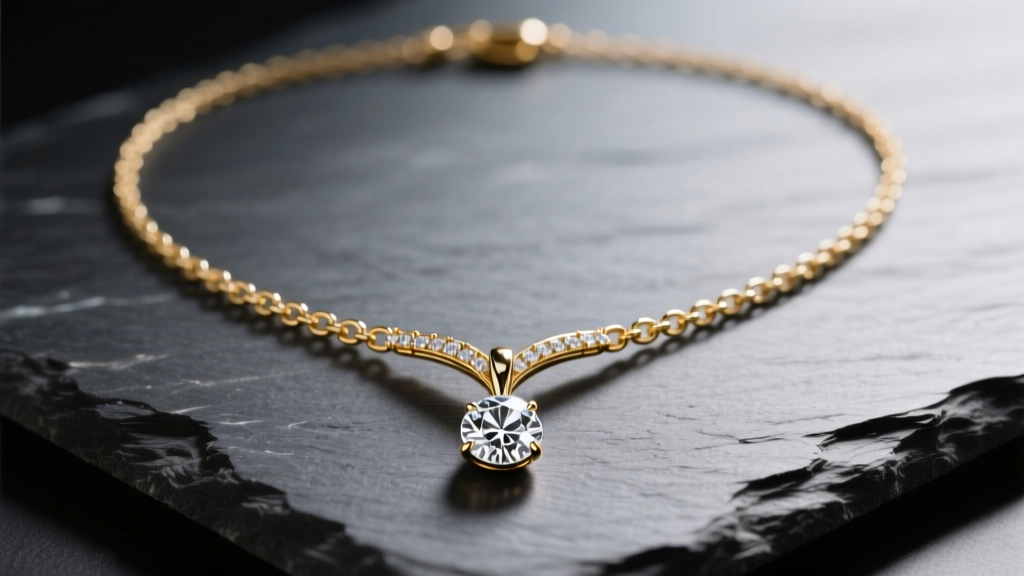
A diamond lariat necklace is a masterclass in elegant, minimalist design. Characterized by its distinctive Y-shape and a delicate drop chain that draws the eye downward, this style is a staple in both everyday and fine jewelry collections. However, the very features that make the lariat so alluring—its ultra-fine chain, sliding mechanisms, and exposed diamond drops—also make it uniquely vulnerable to damage, tangling, and grime buildup.
Unlike standard pendant necklaces, a lariat's elongated drop is prone to catching on fabrics, bending, and accumulating skin oils that dull the diamond's brilliance. In this comprehensive 2026 care guide, we break down the exact metallurgical and gemological protocols required to clean, store, and maintain your diamond lariat necklace, ensuring it remains as radiant as the day you acquired it.
The Anatomy of a Lariat: Understanding Chain Gauge and Alloy Vulnerabilities
Before applying any cleaning solution, you must understand the physical limitations of your necklace. Most high-end diamond lariats are crafted on cable, box, or rolo chains ranging from 0.8mm to 1.2mm in thickness. While 18k yellow gold and platinum are the industry standards for fine jewelry, their structural properties dictate how you handle them.
Platinum is highly durable and resistant to tarnish, but it can develop a 'patina' (micro-scratches) over time. 18k gold, comprising 75% pure gold and 25% alloy metals like copper, silver, and zinc, is softer and more susceptible to chemical corrosion. According to the Gemological Institute of America (GIA), exposure to harsh chemicals like chlorine can cause 'stress corrosion cracking' in gold alloys, leading to catastrophic chain failure at the solder points. Therefore, your cleaning regimen must be chemically inert to these specific alloys.
Step-by-Step Cleaning Routine for Diamond Lariats
Diamonds are naturally lipophilic, meaning they attract and hold onto oils from your skin, lotions, and cosmetics. This oil buildup settles on the pavilion (the underside of the diamond), blocking light return and making the stone look cloudy. Here is the safest, most effective method to restore your lariat's fire.
1. The Safe Soak Method
Never clean your necklace directly over an open sink drain. Always use a glass or ceramic bowl lined with a soft towel. Fill the bowl with warm (not hot) distilled water and add 3 to 4 drops of a mild, degreasing dish soap. Avoid soaps with added moisturizers or heavy fragrances, as these leave a residual film. Submerge the lariat necklace and let it soak for 15 to 20 minutes. This loosens the hardened sebum and cosmetic buildup trapped in the pavé settings and the sliding bail.
2. Brushing the Pavé and Prongs
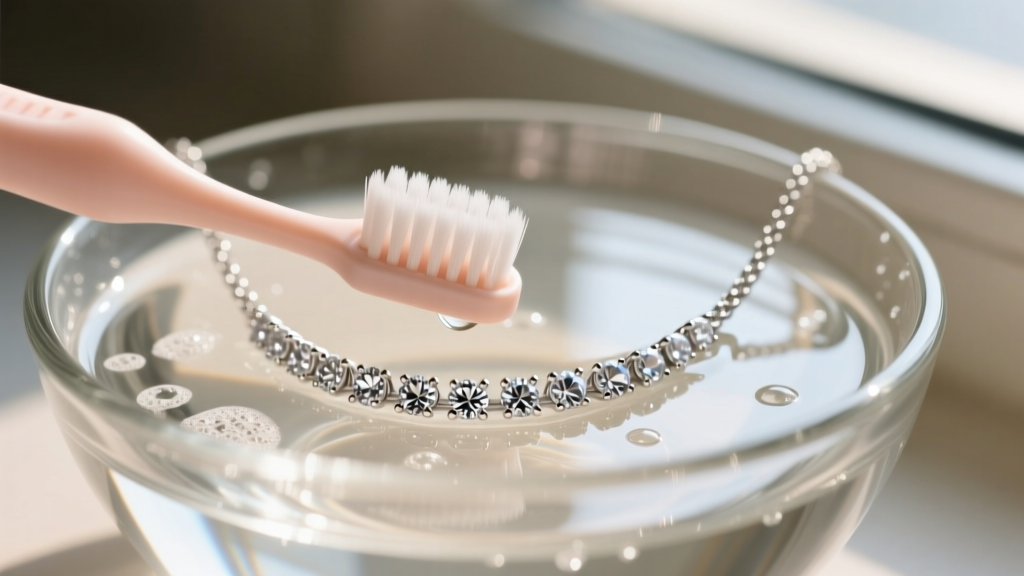
After soaking, use a dedicated, ultra-soft baby toothbrush to gently agitate the diamond settings. Focus specifically on the back of the central drop diamond and any pavé accents along the Y-junction. Use light, circular motions. Never scrub the delicate chain itself with a brush, as the bristles can catch on the links and stretch a 0.8mm chain. Rinse the necklace thoroughly under a gentle stream of lukewarm water.
3. Drying and Polishing
Pat the diamond and settings dry with a lint-free microfiber cloth. Allow the delicate chain to air-dry completely before storing it; trapping moisture against the gold or platinum links can lead to water spots or accelerate tarnishing in lower-karat solder joints.
Chemical and Mechanical Hazards: What to Avoid
The market is flooded with 'miracle' jewelry cleaners, but many are highly detrimental to the specific construction of a lariat necklace. Below is a definitive guide to what you should and should not use on your piece.
| Cleaning Agent / Method | Verdict | Why It Matters for Lariats |
|---|---|---|
| Mild Dish Soap & Warm Water | Highly Recommended | Safely degreases diamonds without harming gold alloys or platinum. |
| Ultrasonic Cleaners | Avoid | High-frequency vibrations can shake loose glued pavé stones and fracture-filled diamonds. |
| Chlorine / Bleach | Strictly Prohibited | Destroys copper/zinc alloys in 14k/18k gold, causing chain links to become brittle and snap. |
| Toothpaste / Baking Soda | Strictly Prohibited | Highly abrasive; will scratch the polished surface of the gold and the sliding mechanism. |
| Isopropyl Alcohol (90%+) | Use with Caution | Excellent for quick degreasing of the diamond drop, but can dry out silicone inserts in friction clasps. |
Handling the Sliding Mechanism and Friction Clasps
Many modern diamond lariats feature an adjustable sliding mechanism that allows the wearer to change the length of the Y-drop. These clasps typically rely on either a metal tension spring or a microscopic silicone O-ring insert to grip the chain. When cleaning the area around the slider, avoid using rubbing alcohol or harsh solvents, as these will degrade the silicone insert, causing the clasp to slip and the drop to fall to its lowest point throughout the day. If your metal tension slider becomes loose over time, a jeweler can use a specialized burnishing tool to gently tighten the internal metal grip without damaging the chain.
Storage Solutions to Prevent Chain Tangling
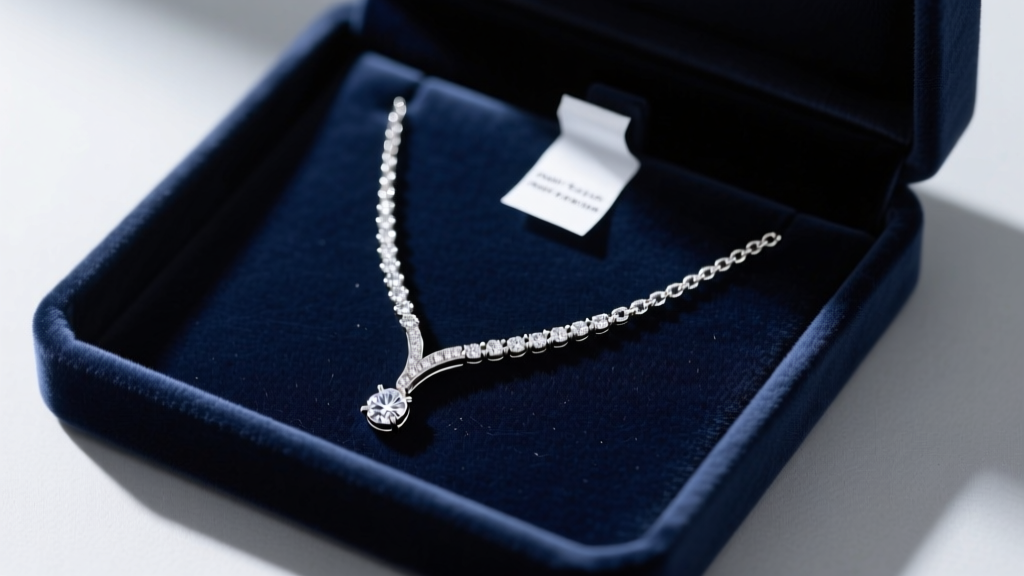
Lariat necklaces are notoriously difficult to store due to the dual-chain junction, which acts as a magnet for knots. Tangles not only cause frustration but can permanently kink a fine 0.8mm box chain, requiring professional laser soldering to repair.
To prevent this, never toss a lariat necklace into a communal jewelry box. Instead, utilize the 'straw trick' for long-term storage or travel: thread the clasp end of the chain through a plastic or silicone drinking straw and fasten the clasp. This keeps the main chain rigid and prevents it from wrapping around the Y-drop. Alternatively, lay the necklace perfectly flat in a velvet-lined drawer, ensuring the drop chain is extended straight down and not folded back over the main collar chain. For silver or white gold lariats, include a 3M anti-tarnish strip in the storage compartment to absorb sulfur compounds in the air.
Professional Maintenance: When to See a Jeweler
While at-home cleaning maintains brilliance, it does not replace structural maintenance. The Jewelers of America recommends having fine jewelry inspected by a professional at least once a year. For a diamond lariat, this is critical for two reasons:
- Prong Tightening: The central drop diamond takes the brunt of physical impact, swinging and bumping against surfaces. This can easily bend a micro-prong, putting the stone at risk of falling out.
- Rhodium Plating: If your lariat is crafted in 14k or 18k white gold, the rhodium plating will eventually wear off the high-friction areas (like the back of the neck and the sliding clasp), revealing the naturally yellowish-white gold beneath. A jeweler can re-plate the piece in under an hour, restoring its bright, mirror-like finish.
By adhering to these meticulous care, cleaning, and storage protocols, your diamond lariat necklace will retain its structural integrity and breathtaking sparkle for generations to come.


