Types of Gold Chain Necklaces: The Ultimate Buyer Guide
Discover the best types of gold chain necklaces in our expert buying guide. Learn about link styles, karat durability, and pricing for everyday wear.

Introduction to Gold Chain Anatomy
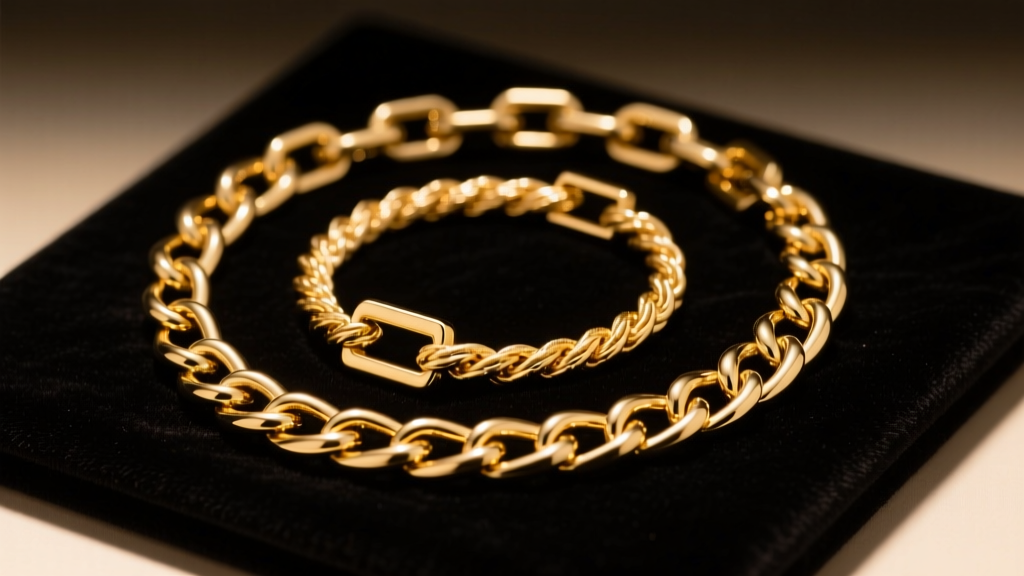
When navigating the jewelry market in 2026, understanding the different types of gold chain necklaces is essential for making a sound investment. A chain is more than just a conduit for a pendant; its link structure, alloy composition, and clasp mechanism dictate its longevity, drape, and overall value. Whether you are seeking a delicate 1.2mm layering piece or a heavy 10mm statement accessory, the structural integrity of the chain must align with your lifestyle. In this comprehensive buyer's guide, we break down the metallurgy, link styles, and critical failure points of gold chains to help you purchase with absolute confidence.
Understanding Gold Purity: Karats vs. Durability
The first decision when evaluating gold chains is the karatage. Pure 24k gold is exceptionally malleable; a 24k chain would stretch and deform under the weight of even a light pendant. To achieve the tensile strength required for jewelry, gold is alloyed with metals like copper, zinc, silver, or nickel. According to the Gemological Institute of America (GIA), the alloy mix not only determines the chain's hardness but also its color and resistance to tarnish.
| Karat | Gold Purity | Durability & Tensile Strength | Best Use Case | Avg. Price Premium |
|---|---|---|---|---|
| 10k | 41.7% | Highest strength, prone to dullness over time | Budget-friendly, heavy daily wear | Lowest |
| 14k | 58.3% | Excellent balance of strength and rich color | Everyday chains, pendant holders | Moderate |
| 18k | 75.0% | Softer, rich yellow hue, scratches easier | High-end luxury, occasional wear | High |
| 22k | 91.6% | Very soft, high risk of stretching | Short, heavy statement collars | Highest |
For most buyers, 14k gold remains the undisputed champion for chain necklaces. It offers enough gold content to maintain a warm, non-tarnishing luster while retaining the structural rigidity needed to support pendants up to 15 grams without stretching.
The Most Popular Types of Gold Chain Necklaces
The link profile dictates how a chain drapes, reflects light, and withstands friction. Here is a deep dive into the most prominent styles available today.
Cable & Curb Chains: The Everyday Staples
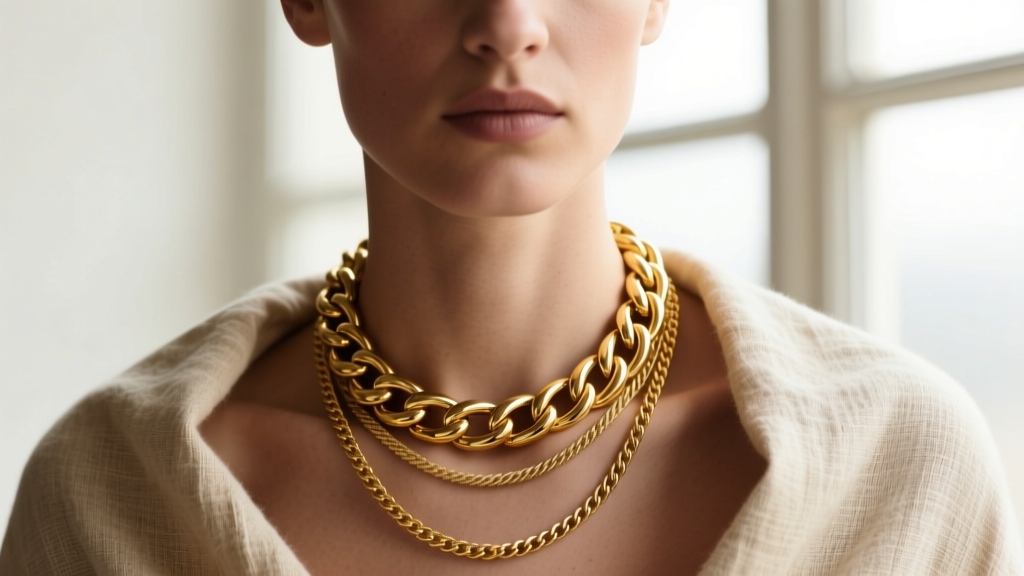
Cable chains feature uniform, oval links connected in a simple, continuous pattern. While classic, their weak point lies in the vertical stress on individual links; if yanked, a thin cable chain (under 1.5mm) will snap. Curb chains, however, are flattened and interlocked, allowing them to lay flush against the collarbone. This flattened geometry distributes tension evenly, making curb chains highly resistant to pulling and ideal for heavy pendants.
Figaro & Rope Chains: Textured & Statement
Originating in Italy, the Figaro chain alternates a pattern of two or three small circular links with one elongated oval link. It offers a vintage, masculine aesthetic that works beautifully in 5mm to 8mm widths. Rope chains are constructed by twisting oval links into a spiral. This twisting action creates a faceted surface that reflects light brilliantly and hides micro-scratches. However, the deep crevices of a rope chain trap skin oils and lotions, requiring monthly ultrasonic cleaning to maintain its brilliance.
Box & Wheat Chains: Strength & Pendants
Box chains consist of square, geometric links that create a smooth, sleek surface. They are incredibly strong and rarely kink, making them the top choice for holding heavy gemstone pendants. The drawback is that the sharp interior corners can occasionally snag on delicate silk fabrics. Wheat chains (or Spiga chains) feature woven, braided links that resemble stalks of wheat. Because the links are woven in multiple directions, wheat chains possess immense tensile strength and are virtually immune to kinking, though they command a higher manufacturing premium due to their complex assembly.
Snake & Herringbone Chains: Sleek but Fragile
Snake chains are made of tightly joined, slightly wavy rings that form a flexible, tubular surface. Herringbone chains feature flat, V-shaped links that create a liquid-metal effect. Buyer Beware: Both styles suffer from severe failure modes. Snake chains easily kink if bent at a sharp angle, and once kinked, the structural memory of the metal is permanently compromised. Herringbone chains are notorious for folding and warping when slept in. Reserve these styles for occasional, pendant-free evening wear.
Critical Buying Factors: What to Look For
Beyond the link style and karat, a true jewelry connoisseur inspects the micro-details of the chain's construction. Overlooking these elements is the primary reason chains end up in the repair shop.
- Solid vs. Hollow Construction: Many mall jewelers sell "hollow" gold chains. These chains offer the voluminous look of a 10mm curb chain but weigh a fraction of a solid piece. Hollow chains dent upon impact, crush under pressure, and are completely unrepairable by jewelers. Always verify that a chain is solid or, at minimum, semi-solid (tube-filled).
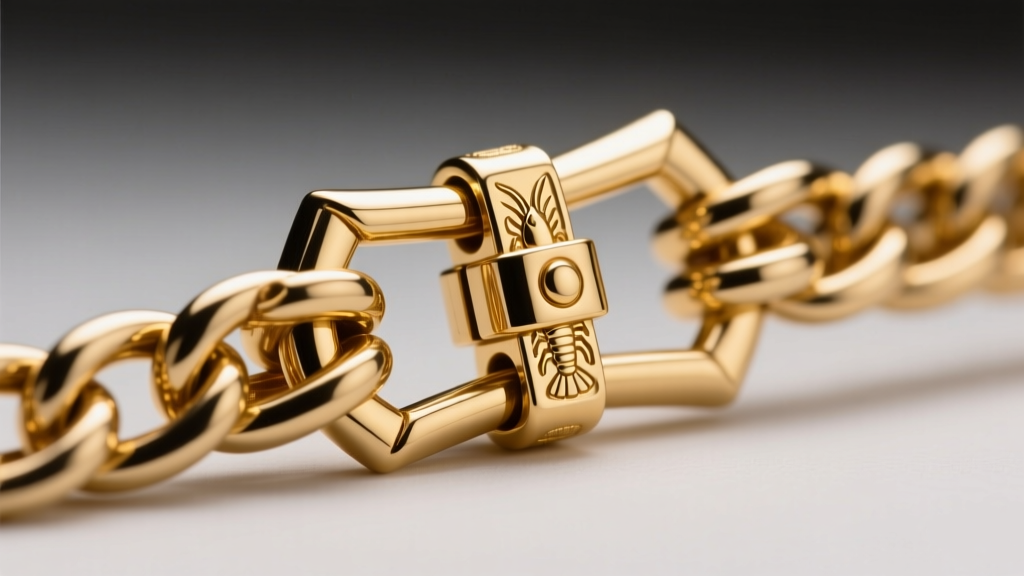
- Clasp Integrity: The clasp is the most common failure point. Avoid spring-ring clasps on anything thicker than 2mm, as the internal wire springs degrade quickly. Insist on a forged lobster claw clasp, which features a thicker, more robust internal spring and a wider jaw that securely grips the end ring.
- Soldered Jump Rings: Inspect the small circular rings (jump rings) that connect the chain to the clasp. If the jump ring has a visible slit and is not soldered shut, a heavy pendant will eventually pull the metal apart, resulting in a lost chain and pendant.
Pricing Expectations and Market Realities in 2026
According to data tracked by the World Gold Council, gold pricing is heavily dictated by the daily spot market. When buying a gold chain, you are paying for the raw melt value of the gold plus a "making charge" (the labor and manufacturing premium).
For example, a solid 14k yellow gold curb chain measuring 20 inches in length and 5mm in width weighs approximately 35 grams. With gold spot prices fluctuating around $60 to $65 per gram in 2026, the raw material value sits near $2,100. Expect reputable online jewelers to price this chain between $2,500 and $3,000, accounting for the intricate flattening and polishing of the curb links. If you see a 5mm chain of this length priced at $600, it is unequivocally hollow, heavily plated, or an alloy misrepresentation.
Maintenance and Longevity
To maximize the lifespan of your gold chain, remove it before swimming in chlorinated pools. Chlorine reacts aggressively with the copper and zinc alloys in 14k and 18k gold, causing a phenomenon known as "stress corrosion cracking," which makes the links brittle and prone to snapping. For routine maintenance, soak your chain in a bowl of warm water with a few drops of mild dish soap, gently agitate with a soft-bristled baby toothbrush, and dry thoroughly with a microfiber cloth. By prioritizing solid construction, secure lobster clasps, and structurally sound link types like the curb or wheat, your gold chain will remain a resilient, timeless staple in your wardrobe for decades.


