Under Armor Necklace Value Guide: Is It Worth It?
Evaluating the budget, materials, and real-world value of the Under Armor necklace. Discover if sports-branded jewelry survives intense gym sessions.

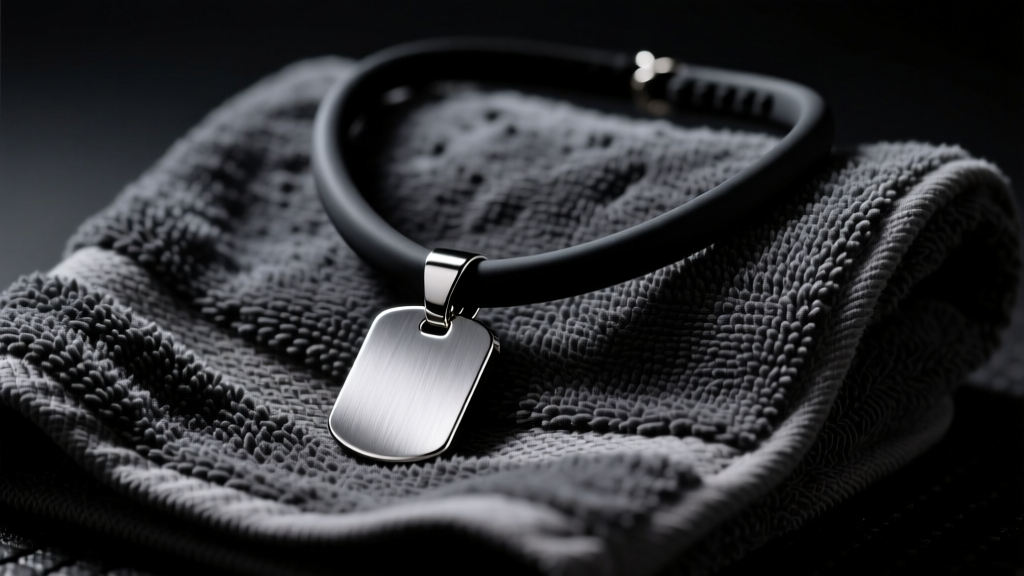
The Intersection of Athletics and Sports Jewelry
When athletes and fitness enthusiasts search for an Under Armor necklace, they are typically looking for one of two things: officially licensed sports merchandise featuring the iconic UA branding, or high-performance athletic jewelry designed to complement moisture-wicking compression gear. In 2026, the crossover between sports apparel and functional accessories is more prominent than ever. However, the budget and value assessment of these pieces remains a highly debated topic in the fitness community. Are you paying for genuine metallurgical durability, or just a rubber-stamped brand logo? This guide breaks down the exact materials, pricing tiers, and real-world failure modes of sports-branded necklaces to help you determine if they are a worthy investment for your gym bag.
Material Science: What Are You Actually Wearing?
To assess the true value of any athletic necklace, we must look past the marketing and examine the raw materials. Sports jewelry generally falls into three material categories, each with vastly different reactions to the harsh environment of a gym.
304 vs. 316L Stainless Steel
Most entry-level sports dog tags and branded pendants are stamped from 304 stainless steel. While 304 steel is adequate for indoor cutlery, it contains 18% chromium and 8% nickel, lacking the molybdenum required to resist chloride corrosion. Human sweat contains a chloride concentration of roughly 1,000 to 3,000 ppm. Over a period of 3 to 6 months of heavy gym use, 304 steel will begin to pit, tarnish, and leave a greenish-black residue on your chest.
Premium athletic jewelry utilizes 316L surgical stainless steel. The addition of 2-3% molybdenum drastically increases its resistance to pitting from salt and sweat. According to materials science data from AZoM, 316L is the standard for marine and medical environments precisely because it withstands continuous exposure to corrosive salts. If an Under Armor branded necklace or similar athletic pendant uses 316L, its baseline value increases significantly.
Silicone Grades and Skin Reactions
Silicone sport cords are incredibly popular for holding branded pendants because they do not conduct heat and will not scratch your skin during dynamic movements. However, not all silicone is created equal. Cheaper athletic necklaces use peroxide-cured silicone, which can leave residual chemical byproducts. When mixed with heavy sweating and friction, these byproducts can trigger contact dermatitis. The Cleveland Clinic notes that prolonged exposure to trapped sweat and irritants is a primary catalyst for exercise-induced skin rashes. High-value sports necklaces use platinum-cured, medical-grade silicone, which is entirely inert and hypoallergenic.
Budget vs. Value: Pricing Tiers & Longevity
How much should you reasonably spend on sports-branded jewelry? The table below outlines the expected market pricing, material quality, and functional lifespan of athletic necklaces in the current market.
| Material Type | Average Price Range | Sweat Resistance | Expected Gym Lifespan |
|---|---|---|---|
| 304 Stainless Steel & Nylon Cord | $15 - $25 | Low (4/10) | 3 - 6 Months |
| 316L Surgical Steel & Steel Chain | $30 - $60 | High (8/10) | 2 - 4 Years |
| Medical-Grade Silicone & Steel | $25 - $45 | Very High (9/10) | 1 - 3 Years |
| Solid Titanium & Kevlar Cord | $70 - $150 | Maximum (10/10) | Lifetime |
If you are buying an officially licensed Under Armor necklace in the $30 range, you are likely receiving a 316L steel pendant on a medical-grade silicone cord. This represents a fair market value for fan merchandise that can survive daily workouts. However, if the price pushes past $50, you are paying a premium purely for the brand licensing, as the underlying materials do not justify the cost compared to specialized athletic jewelry brands.
Real-World Failure Modes in Athletic Necklaces
A necklace is only as strong as its weakest mechanical link. In a gym environment, jewelry is subjected to high tensile forces, abrasive surfaces, and chemical corrosion. Understanding these failure modes is critical for your safety and your wallet.
The 2.4mm Ball Chain Weakness
The classic military-style dog tag chain is typically a 2.4mm stainless steel ball chain. These chains operate on a simple friction-fit connector bead. Under just 12 to 15 pounds of tensile force—such as getting caught on the knurling of a barbell or the edge of a squat rack—the connector bead will pop out, instantly snapping the necklace. While this is technically a safety feature to prevent choking, it makes ball chains a poor long-term value for heavy lifters.
Lobster Clasp Spring Fatigue
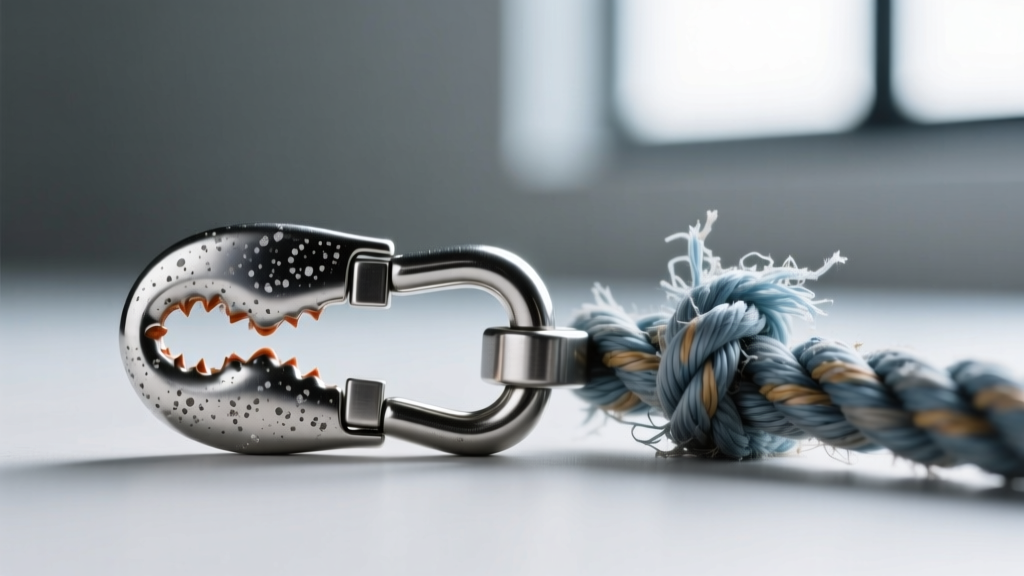
Higher-end sports necklaces use lobster clasps. The vulnerability here is the internal spring. To cut manufacturing costs, many brands use a lower-grade alloy for the spring mechanism. Over time, salt from sweat crystallizes inside the clasp housing, seizing the spring and causing the clasp to stick open or snap shut prematurely. Always inspect the clasp mechanism before purchasing, and rinse it with fresh water after heavy sweating.
Silicone Micro-Abrasions
Silicone cords are highly resistant to chemicals, but they are vulnerable to mechanical abrasion. Repeated friction against rough surfaces, like knurled steel dumbbells or climbing ropes, creates micro-tears in the silicone. These stress fractures eventually lead to catastrophic snapping during a lift. If you are a powerlifter or CrossFit athlete, a braided Kevlar or titanium-coated steel cable is a vastly superior investment to silicone.

Maintenance Protocols for Sports Jewelry
To maximize the ROI of your athletic necklace, you must implement a basic maintenance routine. The urea and salts in human sweat are highly corrosive to both metals and elastomers.
- Daily Rinse: After a heavy sweat session, rinse the necklace under lukewarm tap water. Do not use hot water, as it can degrade the Shore A hardness of silicone cords over time.
- Weekly Deep Clean: Use a soft-bristled toothbrush and a drop of pH-neutral dish soap to gently scrub the clasp mechanisms and the crevices of the pendant where dead skin and salt accumulate.
- Avoid Ultrasonic Cleaners on Silicone: While ultrasonic cleaners are excellent for bare metal chains, the high-frequency vibrations can accelerate the propagation of micro-tears in silicone and rubberized athletic cords.
The Final Verdict: Should You Buy It?
So, is an Under Armor necklace worth your hard-earned money? The answer depends entirely on your primary motivation. If you are a dedicated fan of the brand and want a piece of durable, sweat-resistant merchandise to wear during casual cardio or everyday athleisure styling, a $30 to $40 officially licensed 316L steel and silicone pendant offers solid budget value. It will outlast cheap fashion jewelry and resist the corrosive effects of the gym environment.
However, if you are a serious strength athlete, powerlifter, or someone who demands lifetime durability from their gear, sports-branded merchandise falls short. In that case, bypass the brand tax and invest the $50-$80 budget into a solid titanium pendant on a braided aerospace-grade cable. Titanium is entirely impervious to sweat corrosion, hypoallergenic, and possesses a tensile strength that will not fail when caught on gym equipment. Ultimately, true value in sports jewelry is dictated by metallurgy and mechanical engineering, not just the logo stamped on the metal.


