How to Untangle, Clean, and Repair a Snake Bead Necklace
Learn how to safely untangle, clean, and maintain your snake bead necklace. Expert steps to prevent kinking and restore shine without damaging beads.

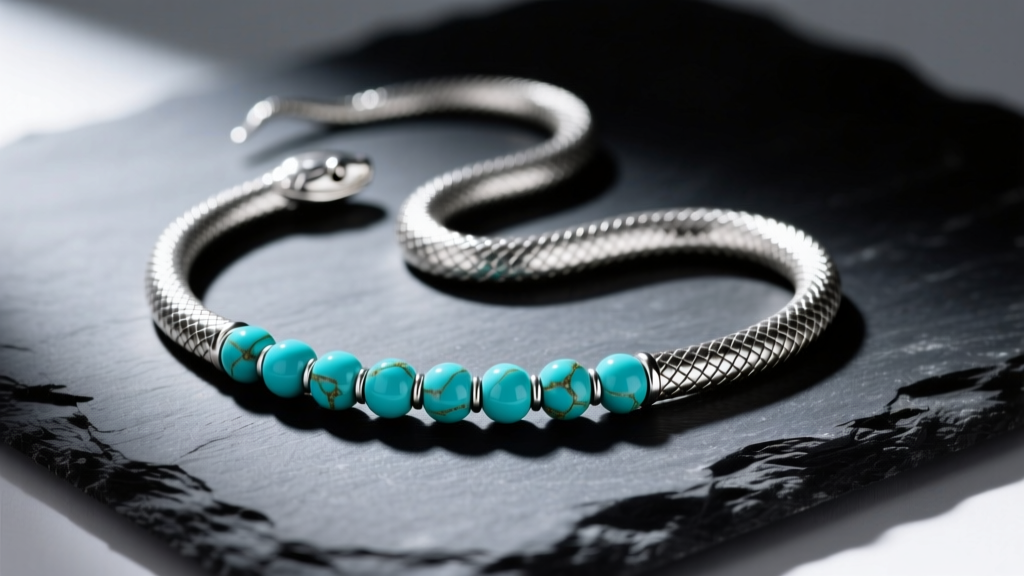
The Anatomy of a Snake Bead Necklace (and Why It Kinks)
A snake bead necklace is a striking hybrid of fluid metalwork and decorative gemstones. Unlike standard cable or curb chains, the underlying snake chain is constructed from tightly interlocked, slightly curved metal rings that form a continuous, flexible tube. This gives the metal a sleek, liquid-like drape. However, this structural elegance comes with a notorious vulnerability: kinking. When a snake chain is bent beyond its structural tolerance—typically a radius smaller than 1.5 inches for a standard 1.2mm to 2.0mm gauge—the micro-links crush against one another.
The addition of beads (whether threaded directly onto the chain or suspended as drops) alters the necklace's center of gravity. The beads act as pendulums, increasing the likelihood of the chain wrapping around itself during wear or storage. Furthermore, the microscopic gaps between the metal links act as magnets for sebum, dead skin cells, and cosmetic residues, which can degrade the chain's flexibility over time. Understanding these mechanical realities is the first step in mastering the care of your snake bead necklace.
Step-by-Step Guide: How to Safely Untangle a Kinked Snake Chain
If your necklace has tangled, never pull on the ends. Pulling tightens the micro-links into a rigid knot that is nearly impossible to reverse without snapping the metal. Instead, follow this professional jeweler's method:
- Prepare the Surface: Lay the necklace flat on a hard, well-lit surface. A glass or ceramic tray works best, as it provides zero friction and prevents the chain from catching on fabric fibers.
- Apply a Friction Reducer: Generously dust the knot with baby powder, cornstarch, or finely milled talc. This lubricates the microscopic metal joints and prevents them from grinding together.
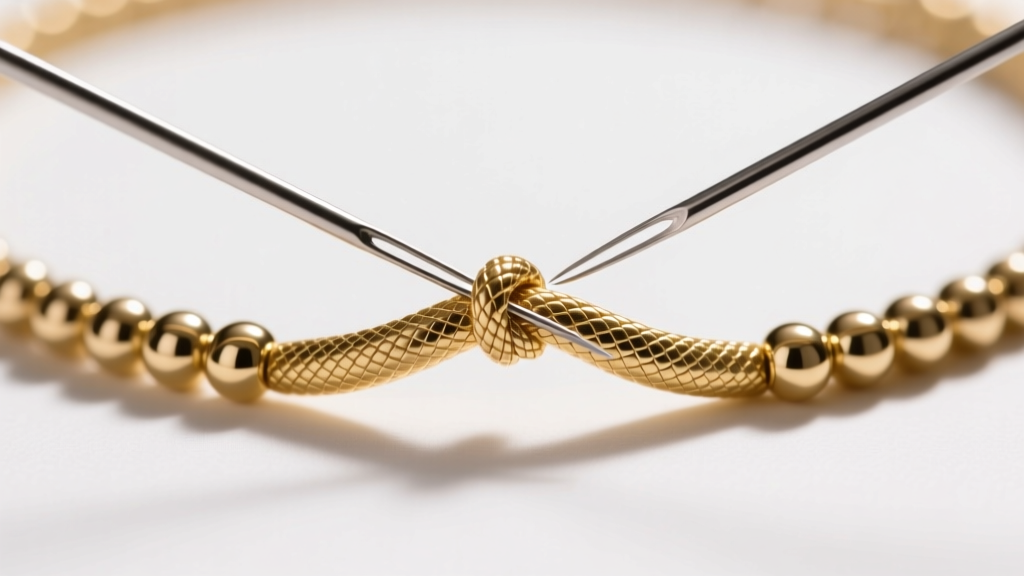
- Use Precision Tools: Take two fine sewing needles (size 10 or 12) or specialized jewelry knot-picking tools. Insert the tips into the center of the knot.
- Work Outward: Gently wiggle the needles to loosen the central links. Slowly push the metal outward from the center, allowing the chain to unspool. If beads are caught in the knot, maneuver the needles around the bead caps to avoid scratching softer gemstones like turquoise or lapis lazuli.
The Ultimate Cleaning Protocol for Metal and Bead Elements
Cleaning a snake bead necklace requires a bifurcated approach: you must clean the metal chain without exposing the beads to harmful chemicals. According to the Gemological Institute of America (GIA), many popular bead materials are highly porous and can be permanently stained or etched by standard commercial silver dips or ultrasonic vibrations.
Material-Specific Cleaning Agents
For the metal chain, a mild surfactant is all you need. Mix 1/4 teaspoon of phosphate-free dish soap (like Dawn) into one cup of lukewarm distilled water. Avoid tap water, as chlorine and heavy minerals can leave microscopic deposits in the chain's joints. Dip a baby toothbrush (with ultra-soft bristles) into the solution and gently brush the chain in the direction of the links.
Expert Warning: Never place a snake bead necklace in an ultrasonic cleaner. The high-frequency vibrations can easily shake loose the epoxy resin securing the bead caps, and the heat generated can fracture heat-sensitive stones like opals or emeralds.
Cleaning Matrix: Bead Material vs. Safe Solutions
| Bead Material | Mohs Hardness | Safe Cleaning Method | What to Avoid |
|---|---|---|---|
| Lapis Lazuli / Turquoise | 5.0 - 6.0 | Damp microfiber cloth only | Water immersion, soap, silver dip |
| Freshwater Pearl | 2.5 - 4.5 | Dry, soft lint-free cloth | All liquids, acids, perfumes |
| Glass / Crystal | 5.5 - 7.0 | Mild soapy water, soft brush | Harsh abrasives, ultrasonic |
| Sterling Silver Beads | 2.5 - 3.0 | Polishing cloth, mild soap | Chlorine, bleach, salt water |
Preventative Maintenance: Storing and Wearing Best Practices
As of 2026, jewelry conservators continue to emphasize that proper storage is the single most effective way to extend the lifespan of a snake chain. Because the chain behaves like a coiled spring, it will naturally try to bend and twist when left in a pile.
- The Straw Trick: Thread one end of the necklace through a plastic drinking straw and clasp it. The rigid straw forces the chain to remain straight, completely eliminating the risk of tangling or kinking in your jewelry box.
- Anti-Tarnish Environments: Store the necklace in a ziplock bag with a 3M anti-tarnish strip. The sulfur in the air reacts with the copper alloy in sterling silver, causing blackening that is difficult to scrub out of a snake chain's tight joints.
- Application Order: Always put your necklace on after applying perfumes, hairsprays, and lotions. The alcohol and oils in cosmetics degrade the structural integrity of the chain's lubricants and can cloud polished gemstone beads.
When to Seek Professional Jewelry Repair
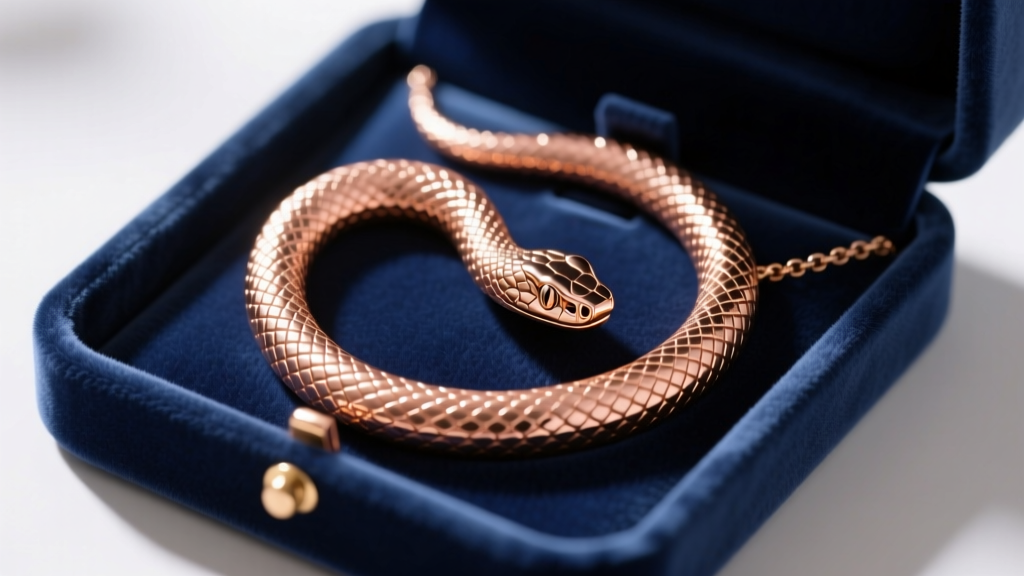
If your snake bead necklace has suffered a hard kink—a sharp, V-shaped fold in the metal—do not attempt to bend it back into place. The metal at the apex of the kink has undergone "work-hardening," meaning it has become brittle. Bending it back will almost certainly snap the chain.
According to guidelines from Jewelers of America, repairing a kinked snake chain requires specialized equipment. A master jeweler will typically use a laser welder to carefully excise the damaged section and fuse in a new piece of chain. Laser welding is preferred over traditional torch soldering because it applies pinpoint heat, preventing damage to nearby gemstone beads and preserving the rhodium plating on white gold or silver pieces. Expect to pay between $45 and $120 for this type of micro-welding repair, depending on the metal type and the proximity of the beads to the damage.
Conclusion
A snake bead necklace is an investment in fluid, dynamic design, but it demands a higher level of stewardship than standard chains. By understanding the mechanical limits of the snake weave, utilizing friction-reducing techniques for tangles, and respecting the chemical sensitivities of your specific bead materials, you can keep your piece draping beautifully for decades. Treat the metal with gentle precision, protect the beads from harsh environments, and rely on laser-welding professionals when structural failures occur.


