Urn Necklaces for Ashes: Material Comparison & Durability Guide
Compare the best materials for urn necklaces for ashes. Discover durability, sealing methods, and metal grades to safely preserve cremation jewelry.

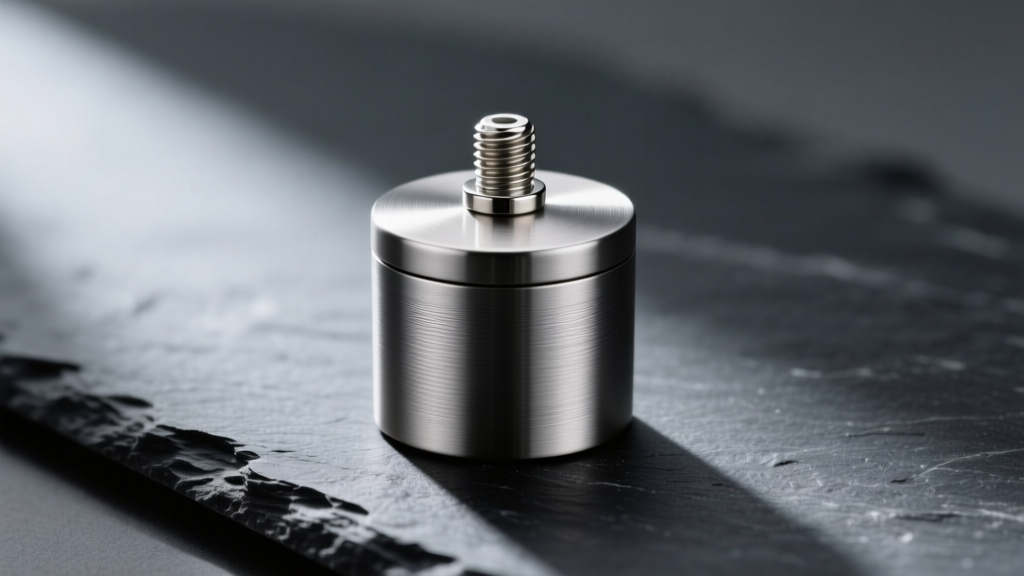
The Metallurgy of Memory: Why Material Choice Matters
When selecting urn necklaces for ashes, the emotional weight of the piece is often the primary focus. However, from a jewelry engineering perspective, the physical and chemical properties of the materials used are paramount. Cremation jewelry serves as a permanent, wearable vault. The material must resist environmental degradation, prevent moisture ingress, and withstand the mechanical stress of daily wear without compromising the internal chamber. A failure in material integrity doesn't just mean a broken necklace; it means the irreversible loss of the memorialized ashes.
In this comprehensive guide, we analyze the specific metal grades, alloy compositions, and structural failure modes associated with cremation pendants. By understanding the material science behind these pieces, you can make an informed decision that ensures the safe, long-term preservation of your loved one's remains.
Anatomy of an Ash-Keeping Pendant: The Sealing Mechanism
Before evaluating the exterior metals, we must address the most critical point of failure in any urn necklace: the sealing mechanism. The interior chamber must be hermetically sealed to protect the ashes from ambient humidity, skin oils, and cosmetic chemicals. There are three primary sealing methods used in the industry today:
- Metal-on-Metal Threading: Precision CNC-machined threads (typically M2 or M3 metric pitches) that screw directly into the pendant body. This requires high-tensile metals to prevent cross-threading or stripping.
- O-Ring Seals: A microscopic rubber or silicone gasket (usually 70A Shore hardness nitrile) seated in a groove beneath the screw cap. This provides a watertight barrier but requires periodic replacement as elastomers degrade over time.
- Adhesive Sealing: A permanent seal using cyanoacrylate or jeweler's epoxy. While secure, this prevents the pendant from ever being opened again without destructive force.
Metal Grade Comparison for Cremation Jewelry
The exterior shell of the pendant dictates its durability, weight, and hypoallergenic properties. Below is a detailed comparison of the most common metals used in high-quality urn necklaces for ashes.
| Material | Specific Grade | Pros | Cons | Avg. Price Range |
|---|---|---|---|---|
| Titanium | Grade 23 (Ti-6Al-4V ELI) | 100% hypoallergenic, highly corrosion-resistant, lightweight, will not tarnish. | Difficult to machine, cannot be easily soldered, limited design complexity. | $85 - $250 |
| Surgical Steel | 316L Stainless | Excellent tensile strength, highly durable, affordable, resists rust. | Heavier than titanium, contains trace nickel (may irritate severe allergies). | $40 - $120 |
| Sterling Silver | 925 Silver | Traditional aesthetic, easy to cast into intricate shapes, holds polish well. | Prone to oxidation/tarnishing, softer metal means threads can strip easier. | $60 - $180 |
| Yellow Gold | 14k (58.5% Gold) | Prestigious, does not tarnish, excellent longevity, holds threading well. | High cost, heavier than steel, 18k is too soft for threaded caps. | $350 - $900+ |
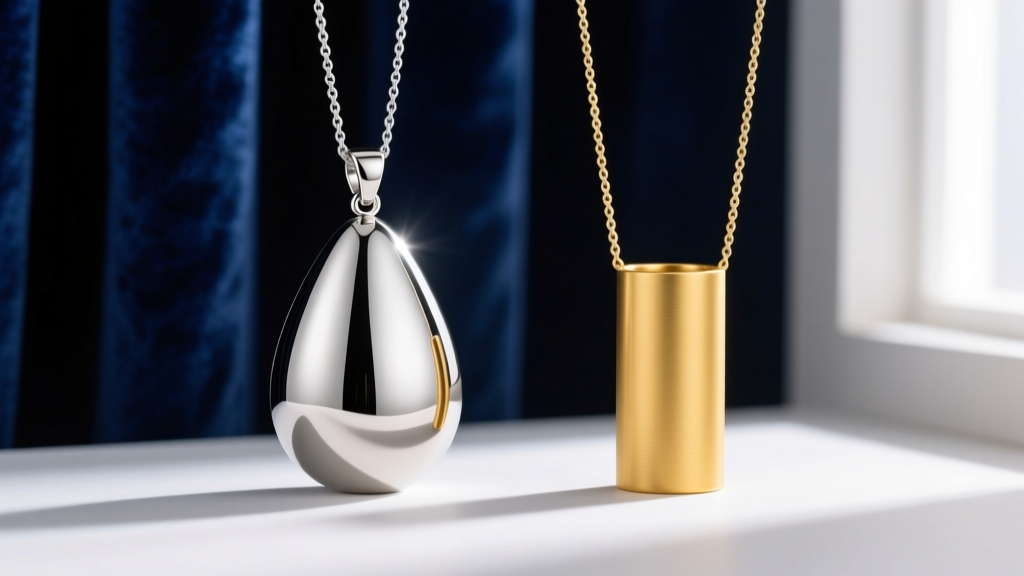
Deep Dive: Why 14k Gold Outperforms 18k for Threaded Urns
While 18k gold is highly prized in fine jewelry for its rich color and purity, it is a poor choice for the threaded components of an urn pendant. Pure gold is inherently soft. When alloyed to 75% (18k), the resulting metal lacks the shear strength required for microscopic screw threads. Repeated opening and closing will cause the threads to deform and eventually strip, compromising the seal. 14k gold, alloyed with copper, silver, and zinc, offers a significantly higher Vickers hardness rating, ensuring the threading remains crisp and secure over decades of use. For more on gold alloy properties, refer to the Gemological Institute of America (GIA).
The Superiority of Grade 23 Titanium
When discussing titanium jewelry, it is crucial to distinguish between Grade 2 (commercially pure) and Grade 23 (Ti-6Al-4V ELI). Grade 23, also known as Extra Low Interstitial, is the same alloy used in aerospace and medical implants. It offers superior fracture toughness and is completely biocompatible. Because titanium cannot be traditionally soldered with a jeweler's torch, titanium urn pendants are typically milled from a single solid billet of metal, ensuring the main chamber has no welded seams that could harbor microscopic fractures.
Glass and Resin Alternatives: Aesthetics vs. Failure Modes
Not all urn necklaces for ashes rely on metal chambers. Blown glass and cast resin pendants offer unique aesthetic possibilities, such as suspending ashes within a visible matrix. However, from a materials science standpoint, they introduce distinct failure modes.
Borosilicate Glass: Often used for its thermal shock resistance, borosilicate glass is highly durable against temperature changes. However, it is susceptible to micro-fractures from blunt impact. If a glass pendant is dropped on a hard surface, invisible internal stress fractures can form, eventually leading to a catastrophic shatter. Furthermore, the seal in glass pendants is usually a glued metal bail or a glass stopper, which is highly vulnerable to degradation from perfumes and lotions.
Epoxy Resin: Resin allows for vibrant colors and the suspension of ashes in a 3D space. The primary failure mode for resin is UV degradation. Unless the resin is formulated with high-grade UV inhibitors (like HALS - Hindered Amine Light Stabilizers), prolonged exposure to sunlight will cause the polymer chains to break down, resulting in yellowing, brittleness, and eventual cracking. Resin is also highly porous compared to metal, meaning it can absorb skin oils over time, altering its refractive index and making it appear cloudy.
Threading Mechanics and Bail Weight Ratios
The structural integrity of an urn necklace extends beyond the pendant itself to the bail (the loop that connects the pendant to the chain) and the chain gauge. Ashes themselves add negligible weight (a typical pendant holds less than a cubic centimeter of ash, weighing under a gram). However, solid metal pendants—particularly 316L steel and 14k gold—can weigh between 8 and 15 grams.
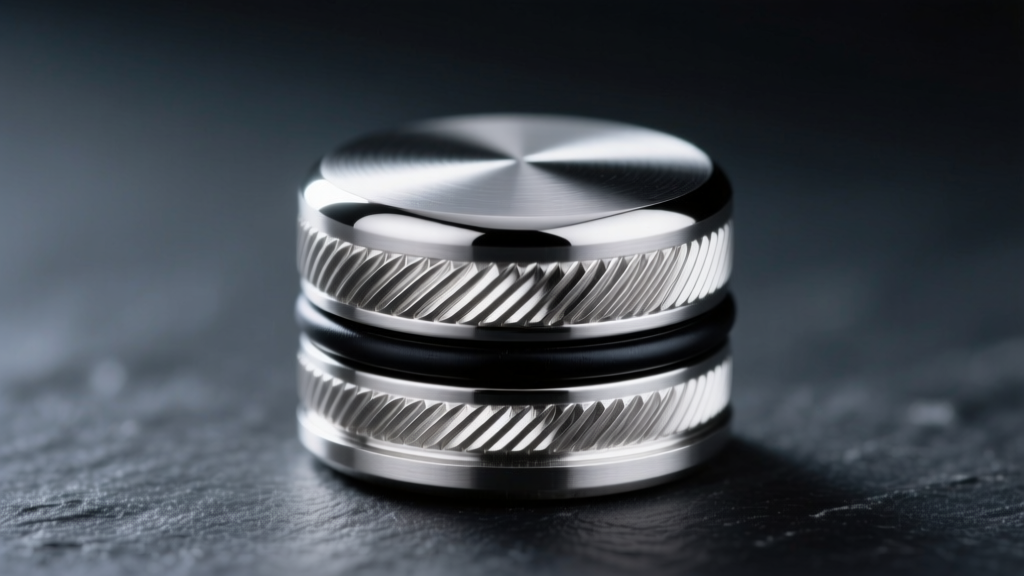
Preventing Bail Fatigue
A common point of mechanical failure is the bail snapping due to metal fatigue. This occurs when a heavy pendant is paired with a thin, flexible chain. The constant friction and micro-bending at the point where the bail meets the chain eventually work-hardens the metal until it snaps. To prevent this, the chain's wire gauge should be at least 1.2mm to 1.5mm for pendants weighing over 10 grams. Rope chains and curb chains are preferred over delicate box or snake chains, as their interlocking link structures distribute kinetic stress more evenly. For detailed metal working and chain link stress tolerances, Rio Grande's metallurgical resources provide excellent industry benchmarks.
Thread Sealants: The Hidden Hero
Even with precision CNC machining, metal-on-metal threads are rarely 100% watertight on a microscopic level. High-end urn necklaces often recommend the application of a specialized thread sealant. Vibra-Tite VC-3 is a popular choice among jewelers; it is a thread-locking material that absorbs vibration and prevents the cap from backing out due to the kinetic movement of walking or exercising, while still allowing the cap to be removed with deliberate hand torque if necessary.
Maintenance and Long-Term Preservation Protocols
To ensure the longevity of your urn necklace for ashes, specific maintenance protocols must be followed based on the material:
- Sterling Silver (925): Silver sulfide tarnish is accelerated by moisture. Never wear a silver urn pendant in the shower or swimming pool. If the pendant utilizes an inner glass vial to protect the ashes from direct contact with the silver, ensure the rubber stopper is checked annually for dry rot.
- 316L Stainless Steel & Titanium: These materials are virtually maintenance-free. They can be cleaned with mild dish soap and warm water. However, avoid ultrasonic cleaners if your pendant uses a rubber O-ring seal, as the high-frequency cavitation can dislodge or degrade the elastomer.
- Gold (14k/18k): Clean with a soft microfiber cloth. Avoid harsh chemical dips, which can degrade the alloyed metals (like copper and zinc) present in the 14k mixture, leading to surface pitting over time.
Final Verdict: Selecting the Right Material
Choosing the right material for urn necklaces for ashes requires balancing aesthetic desires with structural realities. If absolute permanence, hypoallergenic properties, and zero maintenance are your priorities, Grade 23 Titanium is the undisputed champion. If you prefer the traditional warmth of precious metals and are willing to perform basic maintenance, 14k Gold offers the best combination of prestige and threading durability. Avoid 18k gold for threaded components, and approach glass and resin with an understanding of their inherent fragility and UV vulnerabilities. By prioritizing material science alongside emotional significance, you ensure that the vessel holding your loved one's remains is as enduring as the memory itself.


