Ursula Seashell Necklace Buying Guide: Shells, Metals & Styles
Discover how to choose the perfect Ursula seashell necklace. Learn about CITES shell regulations, saltwater-safe metals, and sea witch styling tips.

The Anatomy of a Sea Witch Pendant
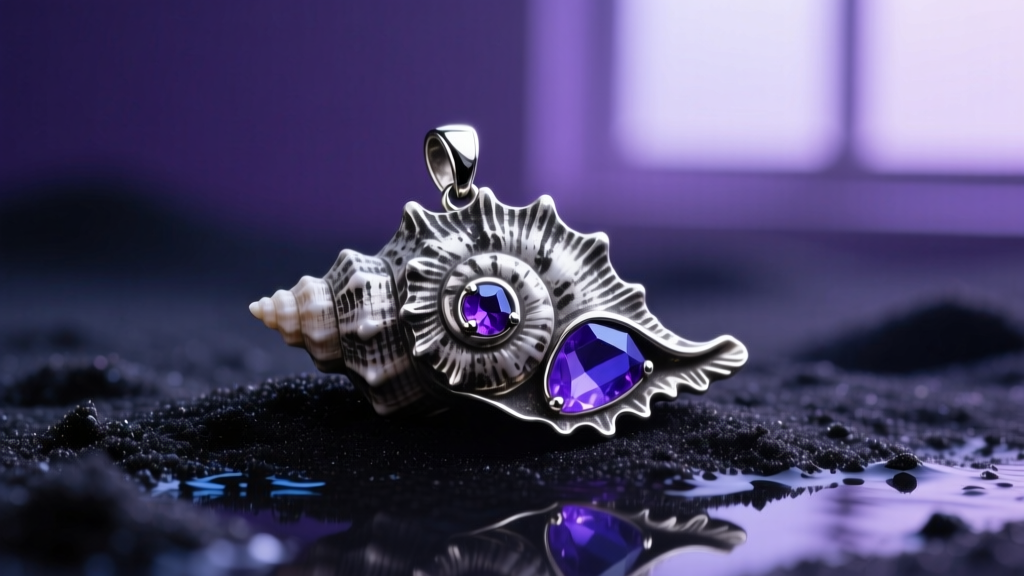
When searching for the perfect Ursula seashell necklace, you are diving into the heart of the dark mermaidcore and sea witch aesthetic. Unlike the bright, polished conch shells associated with traditional mermaid lore, the Ursula-inspired shell pendant demands a moodier, more mysterious profile. In cinematic and theatrical lore, the sea witch’s magical shell—often used to trap voices or channel dark oceanic magic—is typically depicted as a spiral auger shell, a turreted turritella, or a nautilus. However, translating this fantasy into wearable, high-quality jewelry requires a deep understanding of organic gemstones, metal durability, and ethical sourcing. A cheap, mass-produced resin shell will quickly degrade, while a poorly chosen metal will tarnish the moment it touches saltwater or sweat. This comprehensive buying guide will walk you through the exact material grades, shell species, and chain mechanics you need to invest in a piece that looks magical and lasts a lifetime.Shell Species & Ethical Sourcing: The CITES Factor
The most critical factor when buying an authentic seashell necklace is understanding international wildlife protection laws. Many buyers mistakenly seek out genuine nautilus shells to replicate the iconic spiral shape. However, the chambered nautilus (Nautilus pompilius) is heavily regulated.According to the CITES official database, the nautilus was added to Appendix II in 2017, meaning international trade is strictly monitored to prevent overexploitation. Purchasing genuine nautilus shells without proper documentation is not only unethical but potentially illegal in many jurisdictions.
| Shell Species | Mohs Hardness | CITES Status | Best Jewelry Application |
|---|---|---|---|
| Chambered Nautilus | 2.5 - 3.0 | Appendix II (Restricted) | Avoid; opt for ethically cast metal replicas |
| Auger Shell (Terebra) | 3.0 - 3.5 | Unrestricted (Check local) | Carved pendants, dark patina finishes |
| Turritella (Spiral) | 3.0 - 4.0 | Unrestricted | Wire-wrapped cages, raw organic settings |
| Black Lip Oyster | 2.5 - 4.0 | Unrestricted | Carved cameos, iridescent inlays |
Expert Recommendation: For an authentic Ursula vibe, seek out ethically sourced, naturally deceased Turritella shells or high-quality 3D-cast metal replicas of the nautilus. If you prefer real shells, ensure the artisan provides a certificate of ethical, non-harvested sourcing (often gathered from beachcombing rather than commercial dredging).
Metal Selection: Surviving the Saltwater Test
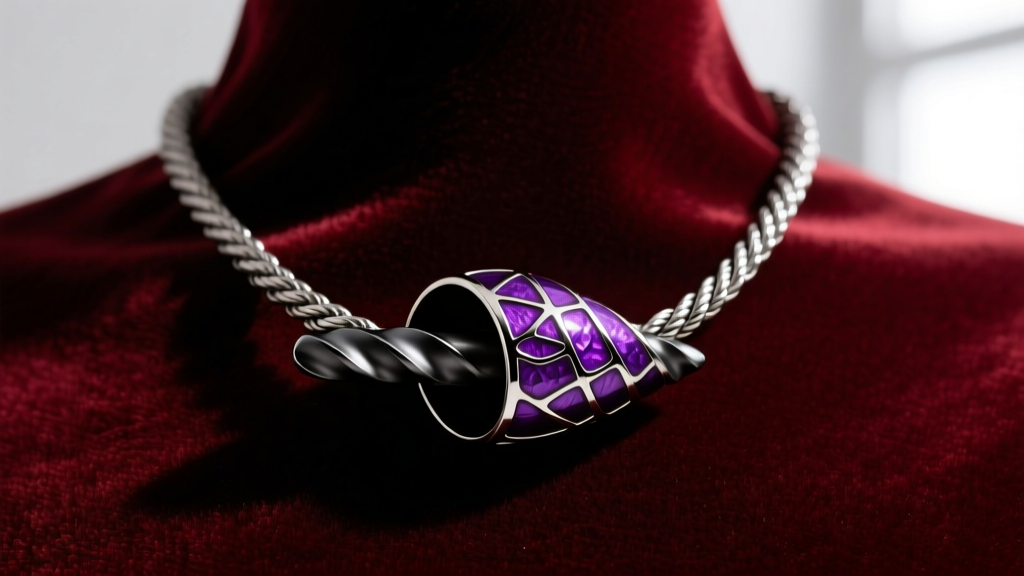
An Ursula seashell necklace is meant to be worn to the beach, in the ocean, and at summer festivals. Therefore, the metal housing the shell must withstand high salinity, humidity, and UV exposure.316L Surgical Stainless Steel
This is the gold standard for oceanic jewelry. 316L steel contains molybdenum, which drastically increases its resistance to chloride corrosion (saltwater). It will not rust, tarnish, or turn your skin green. Look for pieces with a PVD (Physical Vapor Deposition) black or gunmetal coating to achieve that dark sea witch aesthetic without sacrificing durability.
Grade 23 Titanium (Ti-6Al-4V)
If you have sensitive skin or metal allergies, titanium is your best option. It is completely hypoallergenic, incredibly lightweight, and impervious to saltwater corrosion. While harder to cast into intricate details than silver, titanium is frequently used for the wire-wrapping and structural cages that hold fragile organic shells.
Sterling Silver (925) - A Warning
While sterling silver is a premium jewelry metal, it reacts poorly to saltwater and sulfur. If you choose a 925 silver Ursula shell pendant, ensure it is heavily rhodium-plated or oxidized (blackened) and sealed with a jewelry-grade lacquer. Otherwise, a single swim in the ocean will permanently pit and tarnish the metal.
Chain Gauges and Clasp Mechanics
A heavy shell pendant requires a chain that can support its weight without snapping. Organic shells are surprisingly dense, and a large spiral pendant can easily weigh between 15 to 30 grams.- Optimal Gauge: Look for chains between 1.5mm and 2.5mm in thickness. Anything thinner (like a 0.9mm box chain) risks kinking and snapping under the pendulum weight of a swinging shell.
- Chain Styles: The Rope Chain and Mariner Chain are the best choices. Their interlocking, twisted links mimic nautical rigging and offer superior tensile strength compared to standard cable chains.
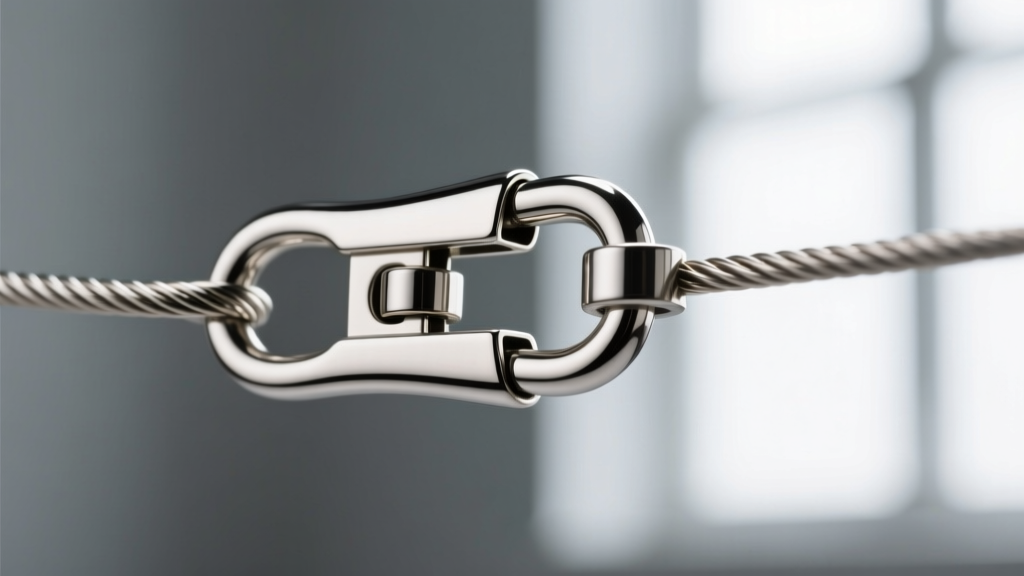
- Clasp Hardware: Avoid spring-ring clasps, which are notoriously fragile and difficult to operate with wet hands. Always opt for a stainless steel lobster clasp with a reinforced soldered jump ring.
Gemstone Accents: Channeling the Magic
To truly capture the Ursula aesthetic, the shell is often accented with gemstones that reflect the deep ocean and dark magic. According to the GIA Gem Encyclopedia, pairing organic gems (like shells) with crystalline minerals requires careful consideration of their differing Mohs hardness levels to prevent scratching.- Amethyst (Mohs 7): The quintessential Ursula stone. Deep purple amethyst clusters set into the base of a shell pendant mimic the bioluminescent glow of the sea witch’s lair. Ensure the amethyst is bezel-set so the harder quartz doesn't scratch the softer shell.
- Labradorite (Mohs 6 - 6.5): Known for its labradorescence, this stone flashes deep oceanic blues and greens. It pairs beautifully with raw, unpolished auger shells for a more natural, beachcombed look.
- Black Spinel (Mohs 8): For a sharper, more gothic edge, black spinel beads woven into the chain or used as a bail provide a striking contrast to the pearlescent interior of a shell.
Styling the Ursula Necklace for Different Necklines
The visual weight of a spiral shell pendant makes it a statement piece. How you style it depends on the chain length and the shell's orientation.The Choker Length (14-16 Inches)
Best for smaller, horizontal auger shells or flattened shell cameos. This length sits at the base of the throat, drawing immediate attention to the collarbone. Pair this with a deep V-neck or an off-the-shoulder top to maximize the gothic mermaid aesthetic without the pendant getting lost in fabric.
The Princess Length (18 Inches)
The most versatile length for a medium-sized spiral nautilus replica. An 18-inch chain allows the shell to rest perfectly on the sternum. This works beautifully over a dark, fitted turtleneck in the winter, or layered with shorter, delicate silver chains for a textured, treasure-hoard effect.
The Matinee Length (20-24 Inches)
Reserved for large, heavy statement pieces. A 24-inch rope chain holding a massive, wire-wrapped turritella shell creates a dramatic, bohemian sea-witch silhouette. Wear this over flowing maxi dresses or open linen shirts for a relaxed, coastal-goth vibe.
Maintenance: Cleaning Organic and Oxidized Materials
Caring for an Ursula seashell necklace requires a delicate touch, as harsh jewelry cleaners will dissolve the calcium carbonate structure of the shell.- Routine Cleaning: Wipe the shell with a damp, microfiber cloth after wearing it near saltwater or applying lotions. Never soak real shells in water for extended periods, as this can cause the organic layers to delaminate.
- Metal Care: If your piece features oxidized (blackened) silver or steel, avoid ultrasonic cleaners. The high-frequency vibrations can strip the intentional dark patina from the crevices of the metal setting. Instead, use a soft-bristled toothbrush and mild dish soap to gently lift dirt.
- Storage: Store the necklace flat or hung vertically in a dry environment. Tossing a shell pendant into a jewelry box with harder gemstones (like diamonds or sapphires) will result in severe scratching and chipping to the shell's fragile outer layers.
Pricing Tiers and Where to Buy
Understanding the market will help you avoid overpaying for mass-produced costume jewelry disguised as artisan work.
- Budget ($20 - $45): Mass-market alloy pendants with resin-cast shells. Often plated with thin zinc or copper that will peel. Acceptable for occasional cosplay, but not for daily wear or water exposure.
- Artisan Mid-Range ($60 - $150): The sweet spot for quality. Hand-wire-wrapped ethically sourced shells using 316L steel or solid 14k gold-filled wire. Often includes genuine amethyst or labradorite accents. Found on platforms like Etsy from specialized oceanic jewelers.
- High-End Couture ($250 - $600+): Custom-cast 3D nautilus replicas in solid sterling silver or 14k gold, featuring pavé-set sapphires and amethysts. These are heirloom-quality pieces designed by specialized fantasy jewelry houses.
Ultimately, the perfect Ursula seashell necklace is a balance of dark fantasy and practical material science. By prioritizing saltwater-safe metals, respecting wildlife regulations, and choosing durable gemstone accents, you can own a piece of sea witch magic that withstands the tides of time.


