Velvet Necklace Box Care: Storing and Cleaning Fine Jewelry
Learn expert tips for storing fine jewelry in a velvet necklace box, preventing tarnish, avoiding tangles, and cleaning the velvet interior safely.

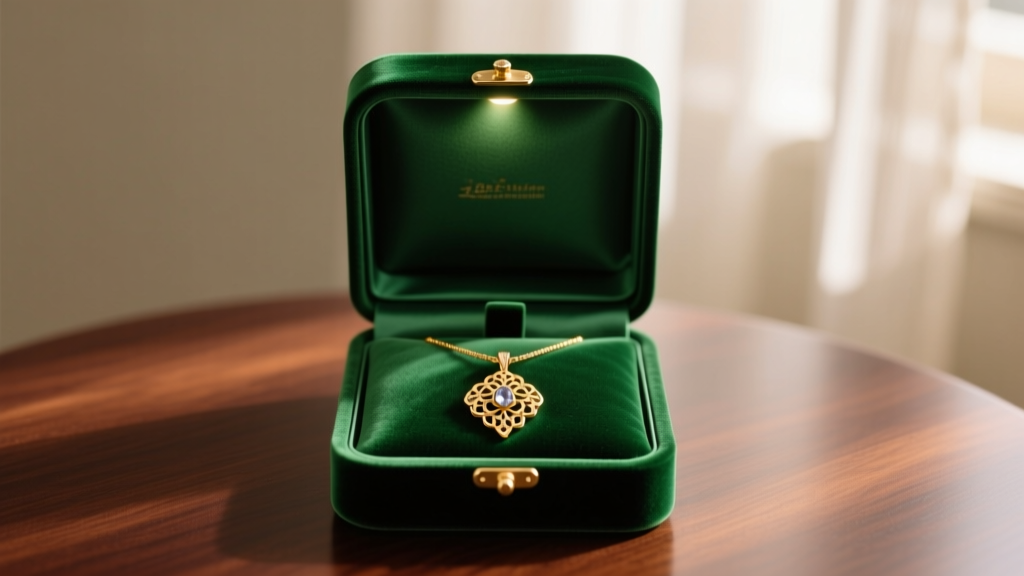
A velvet necklace box is more than just a luxurious presentation piece; it is a critical microenvironment for preserving the structural integrity and finish of your fine jewelry. While velvet provides a plush, scratch-resistant cushion for delicate chains and pendants, improper use and maintenance of the box itself can inadvertently accelerate tarnishing, trap moisture, and damage the textiles. According to the Gemological Institute of America (GIA), proper storage is just as vital as regular cleaning in maintaining the luster and longevity of precious metals and gemstones. This comprehensive guide details the exact protocols for prepping your necklaces, optimizing their placement, and maintaining the velvet interior to ensure your jewelry remains pristine for decades.
The Textile Science of Velvet in Jewelry Storage
To understand how to care for your storage environment, you must first understand the material. Modern velvet jewelry boxes typically utilize synthetic velvet (often polyester or nylon blends) rather than traditional silk or cotton velvet. Synthetic fibers are preferred in horology and jewelry storage because they are hydrophobic—they resist absorbing ambient moisture from the air. Moisture is the primary catalyst for silver sulfide (Ag2S) formation, commonly known as tarnish.
The 'pile' of the velvet—the dense, upright fibers that give it a soft feel—acts as a shock absorber. However, this same pile can trap microscopic dust, dead skin cells, and cosmetic residues transferred from your necklaces. Over time, these trapped particulates can become abrasive or acidic, potentially dulling high-polish finishes on 18k gold or platinum. Furthermore, if the velvet becomes compressed or matted from heavy jewelry, it loses its protective cushioning properties, increasing the risk of micro-scratches on softer gemstones like opals or pearls.
Prepping Your Necklaces for Velvet Storage
Never place a worn necklace directly into a velvet necklace box. The oils, sweat, and lotions on your skin will transfer to the velvet, creating a breeding ground for mildew and accelerating metal oxidation. Follow this strict preparation protocol before storage:
The Anti-Tarnish Cleaning Protocol
- Gold and Platinum: Wash in a lukewarm solution of distilled water and a few drops of phosphate-free dish soap. Use a soft baby toothbrush to gently clean around the bail and clasp. Rinse with distilled water to avoid mineral deposits from tap water.
- Sterling Silver: If light tarnish is present, use a specialized silver polishing cloth. Avoid liquid dip cleaners, as they can leave chemical residues that will stain the velvet fabric and degrade porous gemstones.
- Pearls and Opals: Wipe gently with a damp, lint-free microfiber cloth. Never submerge these organic and porous gems, and never use ultrasonic cleaners.
The Crucial Drying Phase
After cleaning, your necklaces must be 100% bone-dry before touching the velvet. Lay them flat on a clean, dry microfiber towel for at least two hours. Trapping even a single drop of moisture against the velvet pile can cause localized mildew spots on the fabric and severe pitting on silver chains.
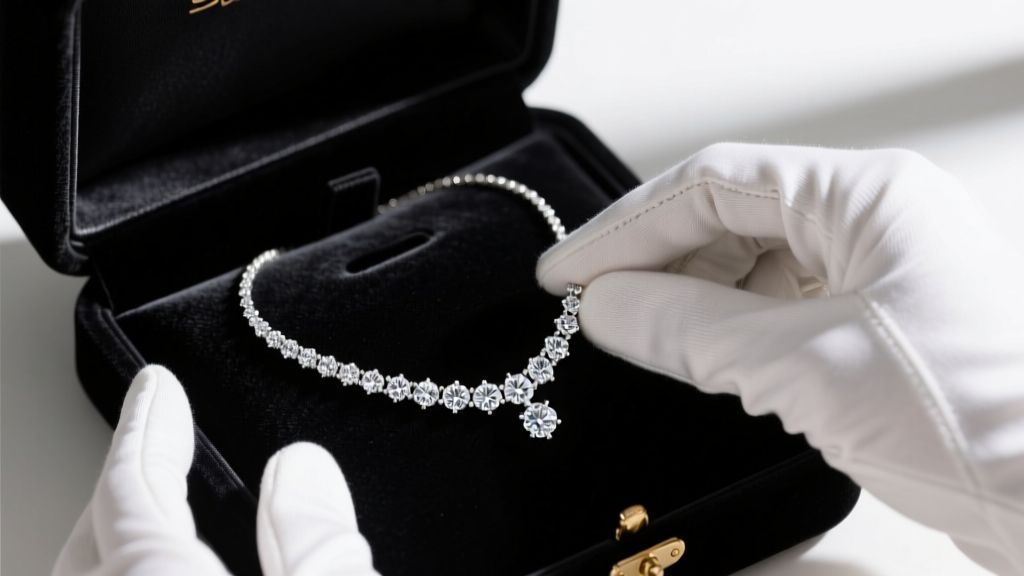
Proper Placement Techniques for Different Necklace Types
The interior configuration of a velvet necklace box usually features a combination of snap loops, pillow inserts, and flat recessed areas. How you utilize these features depends entirely on the chain style and length.
Securing the Clasp and Bail
Lobster clasps and spring rings have small, sharp levers that can easily snag and pull the delicate threads of the velvet pile. Always fasten the clasp before placing the necklace in the box. For pendants, ensure the bail (the loop connecting the pendant to the chain) is not resting directly under the heavy pendant, as this can cause the bail to warp or scratch the chain links over time.
Managing Chain Styles
- Cable and Figaro Chains: These are prone to kinking. Use the snap loops to hold the chain taut but not stretched. Leave a slight amount of slack to prevent stress on the soldered links.
- Rope and Herringbone Chains: Herringbone chains are notoriously fragile and prone to permanent bending. Never hang them from snap loops. Lay them completely flat in a recessed velvet tray, ensuring no links are folded over one another.
- Opera and Lariat Lengths: If your box lacks deep compartments, loop the excess chain in a wide, gentle figure-eight pattern. Secure the loops with unbleached cotton ties to prevent tangling without stressing the metal.
Maintaining and Cleaning Your Velvet Necklace Box
The velvet interior requires its own maintenance schedule. According to guidelines supported by the American Gem Society, keeping your storage environment free of contaminants is essential for jewelry preservation. Clean the box itself every three to six months.
Dust and Debris Removal
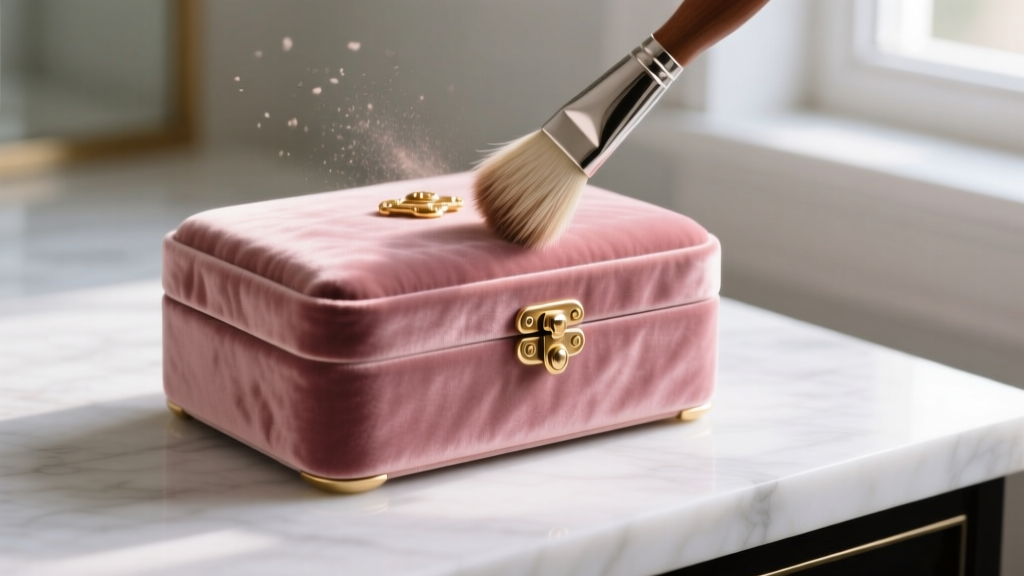
Do not use a standard vacuum cleaner, as the suction can pull the velvet fibers out of their backing, causing permanent bald spots. Instead, use a clean, soft-bristled horsehair detailing brush. Gently sweep the brush in the direction of the velvet's natural nap (the direction the fibers naturally lay) to dislodge trapped dust and skin cells. Follow up with a high-quality, unscented lint roller to pick up the loosened particulates.
Spot Cleaning Spills and Oils
If cosmetic oils or moisture stain the velvet, act quickly. Never soak the velvet. Mix a solution of one cup distilled water and a single drop of gentle, dye-free upholstery cleaner. Dampen a white cotton swab in the solution and gently dab (do not rub) the stained area. Rubbing will crush the velvet pile and cause the dye to bleed. Allow the box to air dry completely in a well-ventilated room, away from direct sunlight or heat sources, before returning any jewelry.
Environmental Factors: Humidity, Light, and Temperature
The velvet necklace box does not exist in a vacuum; it is influenced by the room it inhabits. Velvet is highly susceptible to UV fading, and the adhesives used to bind the velvet to the cardboard or wood substrate can fail under extreme temperatures. Maintain your storage environment within the following thresholds:
| Environmental Factor | Ideal Range | Risk if Exceeded |
|---|---|---|
| Relative Humidity | 40% - 50% | Mold growth on velvet; accelerated silver oxidation and copper verdigris. |
| Temperature | 65°F - 75°F (18°C - 24°C) | Adhesive failure in box hinges; thermal shock risk for treated gemstones. |
| Light Exposure | Zero direct UV | Permanent fading of velvet dye; UV degradation of amethyst, kunzite, and pearls. |
Pro Tip: Place a small, breathable silica gel desiccant packet in the corner of the box to regulate humidity. Ensure the packet does not directly touch the jewelry or the velvet, as the desiccant beads can sometimes leak dust if the packet is compromised.
Never store your velvet jewelry box in a bathroom or near a kitchen. The rapid fluctuations in humidity and the presence of airborne sulfur compounds (from cooking or personal care products) will penetrate the velvet and rapidly tarnish silver and copper alloys.
Common Mistakes to Avoid
Even well-intentioned jewelry owners make critical errors when utilizing velvet storage. Avoid these common pitfalls:
- Overstuffing the Box: Forcing multiple necklaces into a single compartment causes chains to tangle and pendants to scratch one another. It also permanently crushes the velvet pile, ruining its cushioning ability.
- Using Harsh Chemical Cleaners: Spraying glass cleaner, alcohol, or bleach near your velvet box will strip the fabric's dye and leave chemical residues that will actively corrode gold alloys and damage pearl nacre.
- Ignoring the Hinges and Hardware: The metal hinges and clasps on the box itself can rust or tarnish. Wipe the exterior hardware with a dry microfiber cloth monthly to prevent rust transfer to the velvet lining.
Conclusion
A velvet necklace box is a sophisticated tool for jewelry preservation, but it requires mindful usage. By understanding the textile properties of velvet, adhering to strict cleaning and drying protocols for your necklaces, and controlling the ambient environment, you transform a simple storage container into a professional-grade conservation vault. Treat your velvet box with the same care you afford your finest pendants and chains, and it will protect your investments flawlessly for a lifetime.


