Ultimate Care Guide for Your Viking Compass Necklace
Preserve the patina and runes of your viking compass necklace. Expert cleaning, storage, and maintenance tips for silver, bronze, and leather.

Understanding the Vegvisir: More Than Just Metal
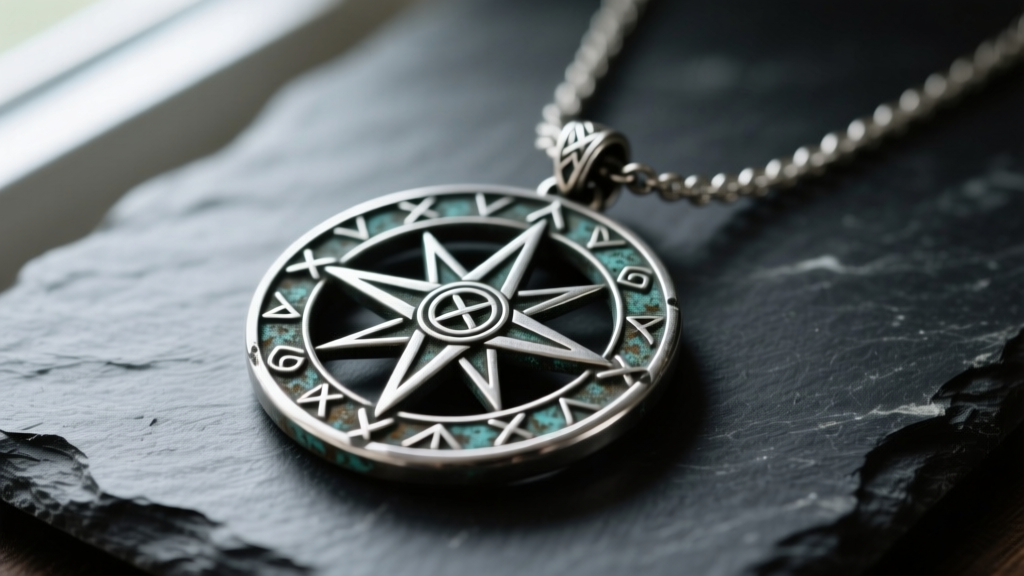
The Vegvisir, often referred to as the Norse or viking compass necklace, is a symbol of guidance and protection. Because of its intricate, interwoven runic staves, this pendant requires specialized maintenance. The deep grooves and angular intersections that make the design so visually striking are also prime traps for skin oils, environmental dust, and moisture. Furthermore, many high-quality viking compass necklaces feature intentional oxidation—a darkened patina applied to the recessed areas to make the raised silver or bronze runes pop. Standard jewelry cleaning methods can destroy this finish in seconds. This comprehensive guide will teach you how to clean, maintain, and store your pendant and chain without compromising its historical aesthetic or structural integrity.
Identifying Your Necklace Materials
Before applying any cleaning agent, you must identify the exact metallurgy of your pendant and the composition of its chain or cord. The most common materials for a viking compass necklace include:
- 925 Sterling Silver: The most popular choice. It is prone to silver sulfide tarnish but takes intentional oxidation (usually via liver of sulfur) beautifully.
- Bronze and Brass: Copper alloys that develop a natural verdigris or dark brown patina over time. They require sealing to prevent skin discoloration.
- Stainless Steel (316L):strong> Highly durable, rust-resistant, and often used for the accompanying chains (typically in 2.5mm to 4mm wheat or rope gauges to support the heavy pendant).
- Pewter: A softer, lead-free tin alloy. It is highly susceptible to scratching and warping in ultrasonic cleaners.
The Golden Rule: Protecting Intentional Oxidation
The most critical mistake owners make is treating an oxidized viking compass necklace like a standard high-polish silver chain. Commercial liquid silver dips (which rely on harsh chemicals like thiourea and hydrochloric acid) will strip the blackened patina from the rune crevices instantly, leaving you with a flat, blindingly bright, and historically inaccurate pendant. According to the Gemological Institute of America (GIA), abrasive pastes and chemical baths should be avoided on textured, antiqued, or oxidized silver.
What to Strictly Avoid
- Ultrasonic Cleaners: The high-frequency vibrations can loosen the epoxy or prongs holding inlaid stones (like onyx or lapis lazuli often found in the compass center) and can micro-fracture cast pewter.
- Toothpaste: Modern toothpastes contain silica micro-abrasives that will scratch 925 silver and brass, creating dull, cloudy patches on the raised runes.
- Chlorine and Saltwater: Swimming pools and the ocean will cause rapid, irreversible pitting in sterling silver and accelerate corrosive verdigris on bronze.
Step-by-Step Cleaning Methods by Metal Type
To safely clean your viking compass necklace while preserving the dark contrast of the Vegvisir staves, follow these targeted protocols.
For Oxidized Sterling Silver
- The Soap Bath: Mix a few drops of mild, phosphate-free dish soap (like Dawn) into a bowl of lukewarm water.
- Gentle Agitation: Submerge the pendant for 3-5 minutes. Use an extra-soft baby toothbrush to gently sweep dirt from the rune grooves. Do not scrub hard.
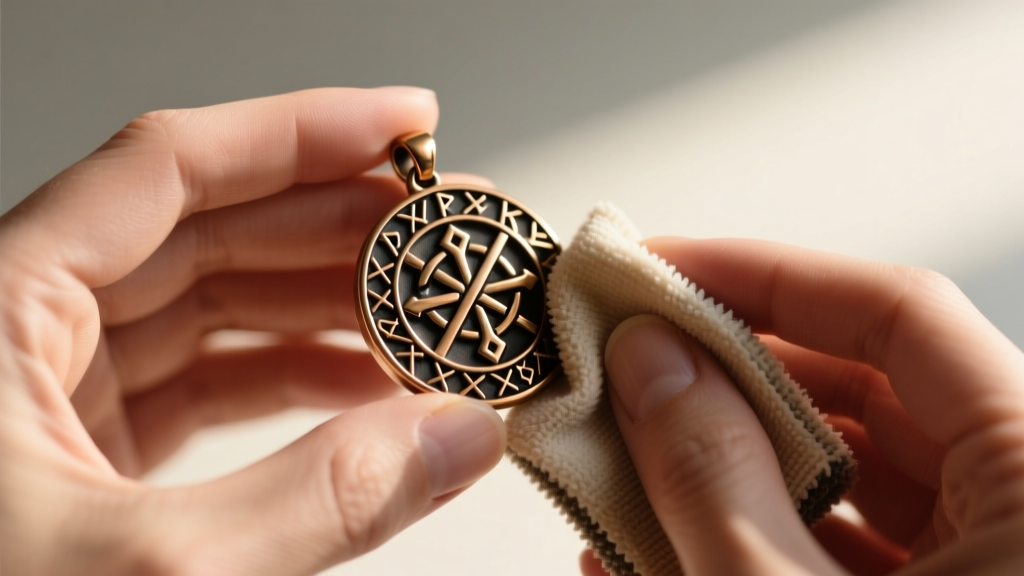
- Rinsing and Drying: Rinse under distilled water to prevent hard water spots. Pat dry with a lint-free microfiber cloth. Ensure no moisture remains in the deep crevices, as trapped water accelerates localized tarnish.
- Selective Polishing: Use a treated polishing cloth (such as a Sunshine cloth) to gently buff only the raised, high-polish areas of the compass. Fold the cloth to avoid accidentally touching the recessed black oxidation.
For Bronze and Brass Pendants
Bronze requires a different approach. After washing with mild soap and water, bronze can be sealed to prevent the copper content from reacting with your skin's acidity (which causes the dreaded green neck effect). Apply a microcrystalline wax, such as Renaissance Wax, using a soft brush. Let it dry for 10 minutes, then buff it lightly. This creates an invisible, museum-grade barrier that locks in the patina and protects the metal.
Material Maintenance Comparison Chart
| Metal Type | Tarnish Risk | Safe Cleaning Agent | Patina Safe? | Ultrasonic Safe? |
|---|---|---|---|---|
| Oxidized 925 Silver | High | Mild Soap + Treated Cloth | Yes (if careful) | No |
| Bronze / Brass | Medium (Verdigris) | Mild Soap + Microcrystalline Wax | Yes | Yes (with caution) |
| 316L Stainless Steel | Very Low | Isopropyl Alcohol / Soap | N/A | Yes |
| Cast Pewter | Low (Dulling) | Warm Water + Soft Cloth | Yes | No |
Leather and Suede Cord Maintenance
Many viking compass necklaces are suspended on braided leather or suede cords to enhance the historical, rugged aesthetic. However, leather is highly porous and degrades rapidly when exposed to sweat, sebum, and UV light. The Jewelers of America recommends keeping organic materials away from harsh chemicals and excessive moisture.
- Daily Wipe: After wearing, wipe the leather cord with a slightly damp cloth to remove salt and sweat, then dry immediately.
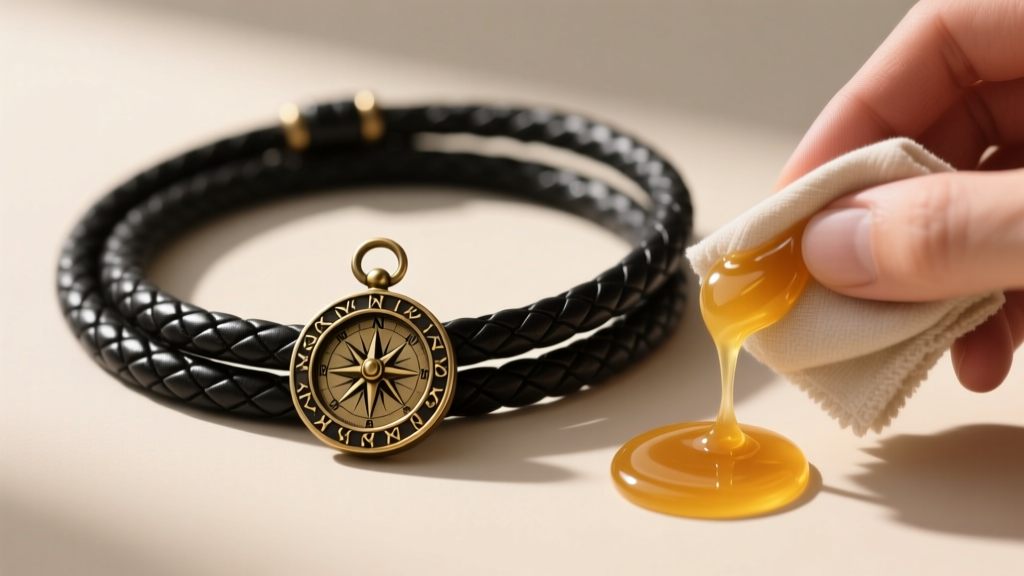
- Conditioning: Every 3 to 6 months, apply a tiny amount of natural beeswax or mink oil to the cord. Rub it in with your fingers, let it absorb for an hour, and buff off the excess. This prevents the leather from drying out, cracking, and snapping under the weight of the heavy metal pendant.
- Clasp Care: If your leather cord uses a stainless steel bayonet clasp, unscrew it monthly and apply a microscopic drop of mineral oil to the threads to prevent them from seizing or cross-threading.
Chain Maintenance and Jump Ring Inspections
If your Vegvisir hangs on a metal chain (like a 3mm Figaro or Rope chain), the primary point of failure is the jump ring connecting the pendant to the chain. Because viking compass pendants are often solid and heavy (frequently weighing between 15 to 30 grams), the constant friction of the pendant rubbing against the jump ring can cause the metal to wear thin over time. Every six months, inspect the gap in the jump ring. If you can see light through the seam, or if the wire has thinned noticeably, take it to a jeweler to have the jump ring soldered shut or replaced with a thicker gauge (e.g., upgrading from a 20-gauge to an 18-gauge jump ring). Additionally, clean your chain links by pulling them through a polishing cloth to remove the buildup of dead skin cells that can act as an abrasive paste inside the tiny links.
Proper Storage to Prevent Tarnish and Tangles
How you store your viking compass necklace when not in use is just as important as how you clean it. Silver tarnishes when exposed to hydrogen sulfide in the air and high humidity.
- Anti-Tarnish Strips: Store the necklace in an airtight ziplock bag along with a 3M anti-tarnish strip. These strips absorb airborne sulfur compounds and can protect the silver for up to 12 months.
- Pacific Silvercloth: For premium storage, wrap the pendant in a Pacific Silvercloth pouch. The cloth is embedded with microscopic silver particles that act as a sacrificial anode, tarnishing themselves so your pendant doesn't.
- Silica Gel Packs: If you live in a high-humidity climate, toss a small silica gel desiccant packet into the storage bag to control moisture levels and protect any leather components from mold.
- Hang or Lay Flat: Never toss a heavy pendant with a delicate chain into a jewelry box drawer. The weight of the compass will cause the chain to knot tightly. Hang the necklace on a padded hook or lay it completely flat and extended.
By following these meticulous care protocols, your viking compass necklace will remain a striking, legible, and enduring symbol of guidance for decades to come, retaining the deep, shadowy contrasts that give the Vegvisir its legendary presence.


