Evaluating a Vintage 14k Gold Pearl Necklace: An Expert Guide
Master the authentication, valuation, and technical grading of a vintage 14k gold pearl necklace with our expert gemological deep dive.

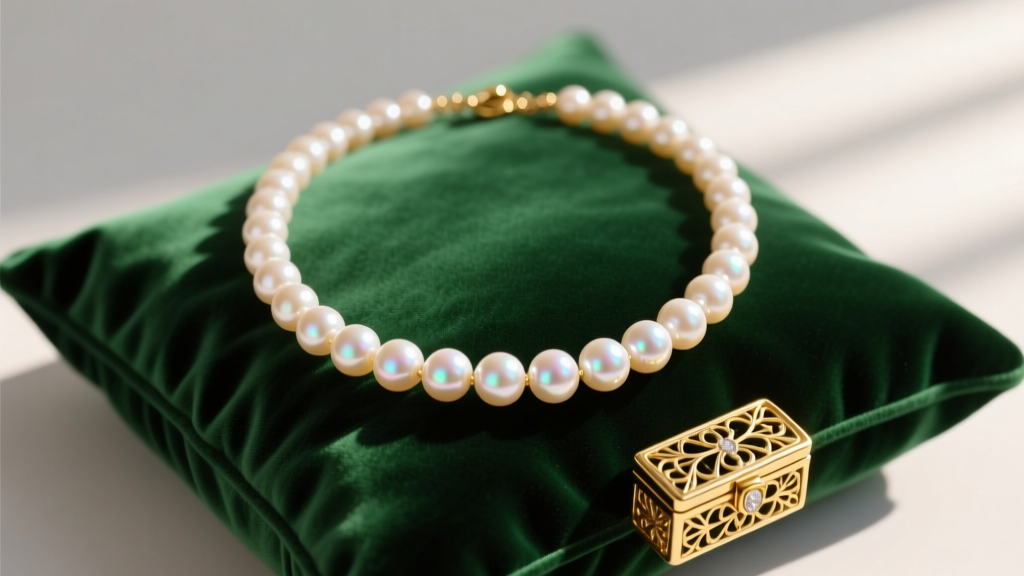
The Anatomy of a Vintage 14k Gold Pearl Necklace
In the secondary jewelry market of 2026, a genuine vintage 14k gold pearl necklace represents a highly specific intersection of metallurgical history and organic gemology. Unlike modern mass-produced strands, mid-century pieces (typically defined as originating between the 1940s and 1980s) were constructed with distinct manufacturing techniques that serve as vital authentication markers. For collectors and estate buyers, evaluating these necklaces requires moving beyond superficial aesthetics to perform a rigorous technical assessment of both the precious metal hardware and the cultured pearls themselves.
Authentication is a dual-layered process. You must verify the gold purity and age of the chain components while simultaneously grading the pearls for nacre thickness, luster quality, and drill hole integrity. Failing to scrutinize either component can lead to costly misattributions, such as purchasing a vintage chain restrung with modern, low-grade freshwater pearls, or a high-end vintage pearl strand fitted with a replacement, non-original gold clasp.
Decoding the Gold: Hallmarks and Chain Construction
The gold components of a vintage necklace—primarily the chain, clasp, and jump rings—must be evaluated for purity and period-correct construction. In the United States, 14k gold (58.5% pure gold alloyed with metals like silver, copper, or zinc) has been the standard for fine jewelry for over a century. According to the Antique Jewelry University, authentic vintage hallmarks will typically read '14K', '14KT', or the European equivalent '585'. However, the presence of a hallmark is only the first step; the method of application is equally telling.
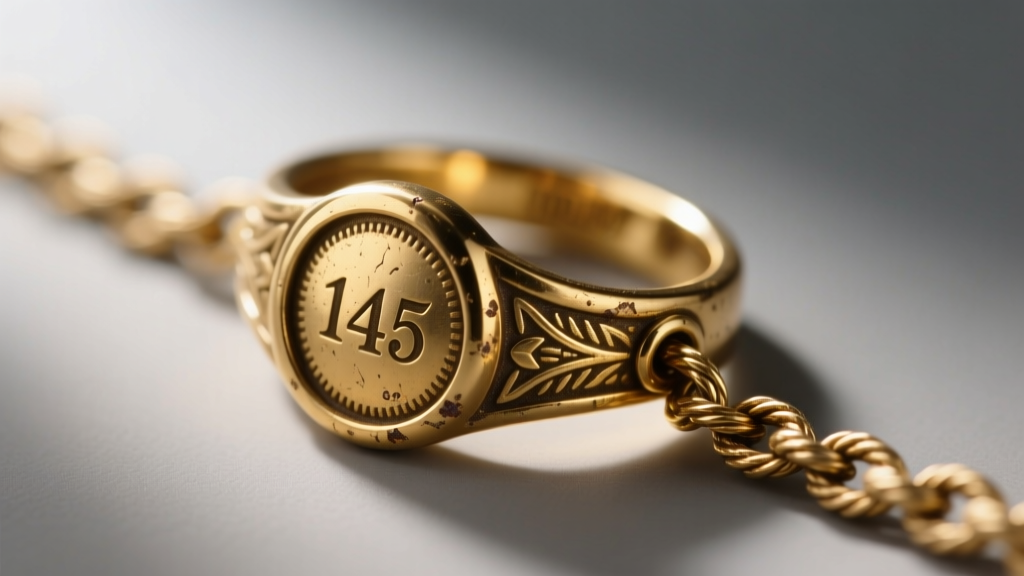
Vintage chains exhibit specific wear patterns and soldering techniques that are difficult to replicate. Torch soldering, standard before the widespread adoption of laser welding in the late 1990s, often leaves microscopic pools of solder at the jump rings and clasp connections. Furthermore, the chain weave itself offers chronological clues. Delicate rope chains, serpentine chains, and early box chains were prevalent in the 1940s and 1950s. When examining the chain, use a 10x triplet loupe to inspect the links for uniform patina. A chain that appears overly bright or lacks the micro-scratches consistent with decades of wear may be a modern replacement.
Pearl Authentication: Nacre, Luster, and Drill Holes
The pearls found in vintage 14k gold necklaces are predominantly Japanese Akoya cultured pearls, which dominated the mid-century market. Evaluating these organic gems requires an understanding of their internal structure and surface characteristics. The most critical metric for vintage pearls is nacre thickness. Over time, pearls with thin nacre (less than 0.2mm) will exhibit 'chalkiness,' peeling, or a visible bead nucleus beneath the surface.
Gemologists utilize a technique called candling—shining a strong, focused fiber-optic light through the pearl—to observe the internal structure. As noted by the Gemological Institute of America (GIA), a high-quality vintage Akoya pearl will reveal a distinct banded structure within the mother-of-pearl bead nucleus, covered by a thick, glowing layer of nacre. Luster is the second vital factor; vintage pearls of superior quality possess a sharp, mirror-like luster that reflects light crisply, rather than a dull, milky glow.

The drill hole provides a wealth of forensic information. Inspect the holes with a loupe to ensure they are clean and perfectly cylindrical. Jagged edges or a visible line of demarcation between the nacre and a synthetic coating are immediate red flags indicating imitation pearls (such as Majorica pearls) or heavily treated, low-grade specimens. Furthermore, the spacing and sizing of the pearls should be meticulously matched; vintage strands were hand-sorted, and a high-end necklace will show remarkable uniformity in diameter, typically ranging from 5.5mm to 7.0mm for mid-century Akoya strands.
Era-Specific Clasp Mechanics
The clasp is the ultimate chronological anchor for a vintage pearl necklace. Because pearls require periodic restringing, the silk thread is rarely original, but the gold clasp usually remains. Identifying the clasp type can accurately date the piece or reveal if a modern replacement has been installed.
| Clasp Type | Primary Era | Security Level | Collector Note |
|---|---|---|---|
| Spring Ring | 1920s - 1950s | Moderate | Early models lack the internal steel spring tension of later versions; often show significant wear. |
| Barrel / Screw Clasp | 1930s - 1960s | Low | Prone to cross-threading; often replaced by later owners due to frustration. |
| Box Clasp with Figure-8 Safety | 1950s - 1980s | High | The gold standard for premium mid-century strands; features a hinged wire safety catch. |
| Lobster Claw | 1970s - Present | High | If found on a purported 1940s strand, it indicates a modern clasp replacement. |
A premium vintage 14k gold pearl necklace from the 1960s will almost certainly feature a box clasp with a figure-8 safety wire. This clasp should be stamped with the same 14k or 585 hallmark as the chain. If the clasp is a modern lobster claw, the value of the piece drops, as the original historical integrity of the hardware has been compromised.
Common Failure Modes in Vintage Strands
When acquiring or appraising vintage pearl necklaces, experts must look for specific structural vulnerabilities that develop over decades of use. Recognizing these failure modes is essential for accurate valuation and necessary restoration budgeting.
- Silk Degradation and Stretching: Silk thread, the traditional material for knotting pearls, absorbs oils, sweat, and environmental moisture. Over 30 to 40 years, the silk will inevitably stretch and weaken. If you gently pull the strand and see gaps between the knots and the pearls, immediate restringing is required to prevent catastrophic breakage.
- French Wire (Gimp) Abrasion: The French wire is a tiny, hollow coil of gold or silver placed over the silk at the clasp connection to prevent the metal from cutting the thread. On vintage pieces, this wire often flattens, frays, or turns black due to oxidation. Replacing the French wire is a mandatory step during restoration.
- Spring Ring Failure: The tiny internal steel spring inside a vintage 14k gold spring ring clasp is highly susceptible to rust and fatigue. If the lever does not snap back with sharp, immediate tension, the clasp is a critical liability and must be replaced or rebuilt.
2026 Market Valuation and Pricing Tiers
The secondary market for vintage pearl jewelry has stabilized into distinct pricing tiers based on provenance, pearl quality, and hardware integrity. As of 2026, collectors are heavily favoring pieces with verifiable mid-century origins and thick-nacre Akoya pearls over later, mass-produced alternatives.
Tier 1: Assembled or Mismatched Strands ($150 - $350)
These necklaces feature genuine 14k gold clasps and real cultured pearls, but the pearls show significant variations in size, color, or luster. They may have been assembled from multiple broken strands or feature heavy silk stretching and missing French wire. The value here is primarily derived from the scrap weight of the 14k gold and the base value of the pearls.
Tier 2: Intact Mid-Century Akoya Strands ($500 - $1,200)
This tier represents the sweet spot for vintage collectors. The necklace features a matched strand of 6.0mm to 7.0mm Akoya pearls with excellent luster, thick nacre (0.4mm+), and a period-correct 14k gold box clasp with a safety catch. The silk knotting is either original and intact, or has been professionally restored using traditional techniques.
Tier 3: Signed and Premium Heritage Pieces ($2,000 - $8,000+)
Necklaces bearing the hallmark of premier mid-century jewelers or pearl houses, such as Mikimoto (identified by the 'M' in a clamshell logo on the clasp) or high-end department store commissions (e.g., Tiffany & Co., Cartier). These pieces feature Hanadama-grade pearls, flawless matching, and heavy, intricately detailed 14k or 18k gold hardware. Provenance documentation and original presentation boxes significantly amplify the premium.
Maintenance and Restringing Protocols
Owning a vintage 14k gold pearl necklace requires adherence to strict maintenance protocols to preserve both the organic gems and the historical hardware. Cleaning should never involve ultrasonic machines or harsh chemical dips, which will strip the pearl's delicate conchiolin layer and damage the porous surface.
Expert Insight: When restringing a vintage pearl strand, always insist on hand-knotted silk thread rather than modern synthetic alternatives like nylon or Beadalon. While synthetics are stronger, they lack the drape and traditional aesthetic of silk. For 6.0mm to 7.0mm vintage Akoya pearls, a Size F (0.35mm) silk thread is the optimal choice to ensure the knots are large enough to prevent the pearls from slipping through the drill holes, yet small enough to maintain a fluid, flexible drape.
Furthermore, the GIA Pearl Quality Factors guide emphasizes that pearls should be the last item put on and the first item taken off to avoid exposure to cosmetics, perfumes, and hairspray. After wearing, the strand should be gently wiped with a soft, lint-free microfiber cloth to remove acidic skin oils before being stored flat in a breathable, acid-free jewelry pouch. Storing pearls in airtight plastic bags or safety deposit boxes without a moisture source can cause the nacre to dehydrate and crack over time.
Final Verdict: Building a Heritage Collection
A vintage 14k gold pearl necklace is far more than a simple accessory; it is a wearable artifact of 20th-century craftsmanship. By rigorously evaluating the gold hallmarks, analyzing the clasp mechanics, and inspecting the pearls for nacre thickness and drill hole integrity, collectors can confidently navigate the estate market. Prioritizing pieces with thick-nacre Akoya pearls and period-correct hardware ensures that these elegant strands will continue to captivate and retain their value for generations to come.


