Evaluating a Vintage Add a Bead Necklace: 2026 Value & Pricing Guide
Evaluate the true market value of a vintage add a bead necklace in 2026. Expert pricing data, authentication tips, and hidden flaw checkpoints.

The Mid-Century Milestone: Why Add-A-Bead Necklaces Are Back
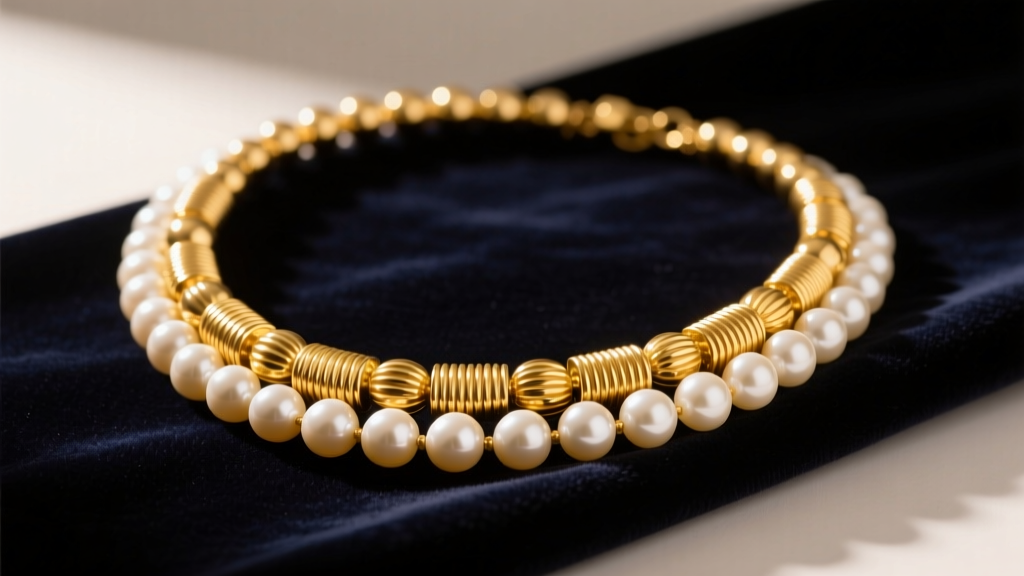
If you have ever browsed an estate jewelry case or inherited a delicate gold chain interspersed with pearls and gemstones, you have likely encountered a vintage add a bead necklace. Originally surging in popularity between the 1950s and 1970s, these necklaces were designed as milestone markers. A starter chain was gifted for a 16th birthday or graduation, and subsequent beads—representing births, anniversaries, or holidays—were added over the years.
In 2026, the vintage jewelry market has seen a massive resurgence in mid-century sentimental pieces, driven by a desire for sustainable, story-rich accessories. However, evaluating the budget and true market value of a vintage add a bead necklace requires looking past the nostalgia. As a buyer or seller, you must assess the metallurgical integrity of the chain, the authenticity of the beads, and the hidden wear patterns that dictate whether a piece is a valuable heirloom or a fragile liability.
The Anatomy of a Vintage Add-A-Bead Chain
To accurately assess value, you must first understand the specific engineering of these mid-century chains. Unlike standard pendant chains, add-a-bead chains were built to accommodate the constant friction of sliding beads.
Chain Profiles and Gauges
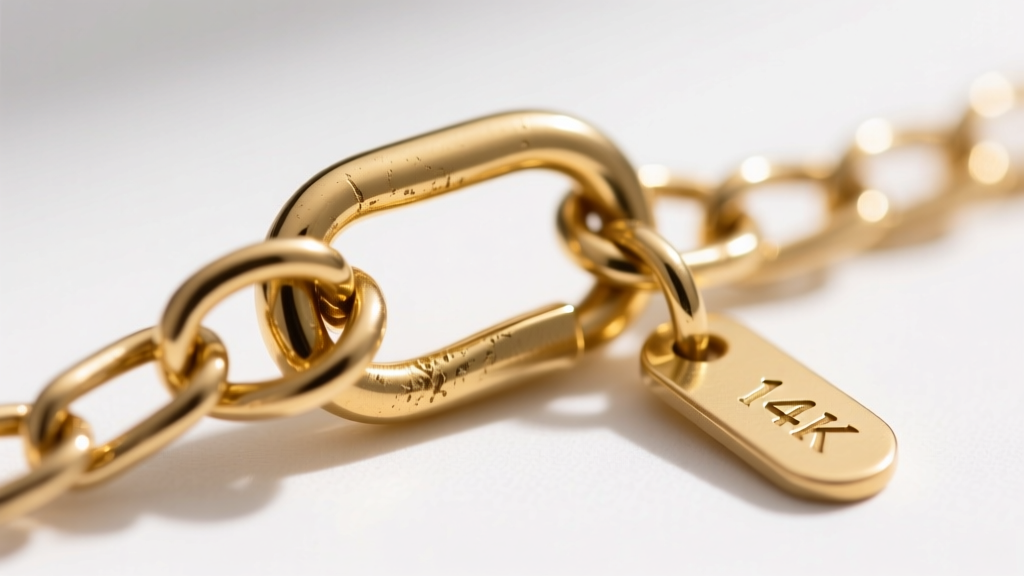
Most authentic vintage pieces from the 1960s and 70s feature a 14k or 18k yellow gold cable or curb chain. The gauge typically ranges from 0.9mm to 1.2mm. Chains thinner than 0.8mm are highly suspect for vintage authenticity and are often modern, mass-produced replacements. The links were traditionally soldered to prevent the beads from wedging between the gaps and snapping the chain.
The Clasp Mechanism
Original mid-century clasps are a major value driver. Look for small, unmarked spring ring clasps or early barrel clasps. If the necklace features a modern, stamped lobster claw clasp, the chain has likely been repaired, which diminishes its "all-original" vintage premium by roughly 15% to 20% among serious collectors.
2026 Market Pricing: What Should You Actually Pay?
Valuing a vintage add a bead necklace is not as simple as calculating the melt value of the gold. The market applies a "completeness premium" to fully loaded estate pieces. Below is a breakdown of the 2026 valuation matrix for standard 16-inch to 18-inch vintage chains.
| Component | Material / Specification | Estimated 2026 Market Value | Primary Value Driver |
|---|---|---|---|
| Base Chain (Empty) | 14k Gold, 1.0mm Cable, 16" | $180 - $260 | Scrap gold weight + vintage chain weave premium |
| Corrugated Gold Beads | 14k Yellow Gold, 5mm - 6mm | $35 - $65 per bead | Gold weight and condition of the ribbing |
| Cultured Pearl Beads | Akoya, 5mm - 6mm, Cream/Rose | $40 - $90 per bead | Luster, nacre thickness, and surface blemishes |
| Semi-Precious Gemstones | Faceted Amethyst, Garnet, Topaz | $25 - $50 per bead | Color saturation and quality of the lapidary cut |
| Fully Loaded Estate Piece | 14k Chain + 15 Mixed Beads | $850 - $1,400+ | Cohesive patina, original clasp, brand hallmarks |
Note: Pricing reflects retail vintage dealer margins. Private seller platforms like eBay or estate auctions will typically yield 30% to 40% less than these retail benchmarks.
Authentication and Quality Checkpoints
When assessing a vintage add a bead necklace, authentication goes beyond a simple acid test. You must verify the origins of the piece and the integrity of its components.
Hallmarks and Maker Stamps
The most prolific manufacturer of these chains in the mid-20th century was the J.E. McAndrew Co. based in New York. Authentic McAndrew chains often feature a tiny, distinct maker's mark on the jump ring or the clasp tag. According to the Antique Jewelry University, identifying these specific mid-century maker marks can increase the desirability and value of the chain among specialized vintage collectors. If you see a modern laser-etched hallmark or a generic "14K ITALY" stamp, you are looking at a contemporary reproduction, not a true vintage piece.
Verifying Bead Authenticity
Beads were often sourced from different jewelers over a span of decades, meaning a single necklace might feature a mix of natural and synthetic stones. For pearls, look for the subtle variations in overtone and surface texture that indicate natural or cultured origins, as outlined by the Gemological Institute of America (GIA). Glass or plastic imitation pearls were common in lower-budget milestone additions; a gemologist's loupe will reveal the perfectly smooth, painted surface of a fake pearl versus the microscopic crystalline structure of real nacre.
The Hidden Flaw: Bead Friction and Chain Degradation
Here is a critical troubleshooting insight that separates amateur buyers from seasoned estate jewelry experts: bead friction. Because the beads on an add-a-bead necklace slide freely along the chain, they act as tiny, persistent files against the gold links. Over 40 to 60 years of wear, the beads gravitate to the lowest point of the necklace (the center nape).
This constant sliding wears down the bottom half of the chain links, sometimes reducing the gold thickness by up to 30% in the center section while the links near the clasp remain pristine. When inspecting a vintage piece, run your fingers along the bottom three inches of the chain. If it feels noticeably flatter, thinner, or more brittle than the top sections, the structural integrity is compromised. A chain with severe bead friction is a high-breakage risk and should only be valued at its raw scrap gold weight, regardless of its vintage provenance.

Investment vs. Sentimental Value: The Final Verdict
Is a vintage add a bead necklace a sound financial investment in 2026? From a pure ROI perspective, the answer is nuanced. You are paying a premium for the labor, the historical assembly, and the mid-century aesthetic. If the chain breaks and requires laser soldering, the repair costs can quickly eclipse the vintage premium.
However, from a style and sustainability perspective, these necklaces offer unparalleled value. They provide a highly customizable, layered look that aligns perfectly with modern trends favoring personalized, eclectic gold stacks. To maximize your budget:
- Buy "Starter" Chains: Look for estate pieces with only one or two beads. You pay less upfront and can source your own modern or vintage beads to complete the look without paying the "fully loaded" estate premium.
- Prioritize 14k over 18k: While 18k gold is more valuable by weight, 14k gold is significantly harder and more resistant to the bead friction issue detailed above, making it a smarter buy for everyday wear.
- Check the Jump Rings: Ensure the jump rings connecting the clasp are soldered shut. If they are open, the heavy beads will eventually pull the ring apart, resulting in a lost necklace.
Ultimately, the value of a vintage add a bead necklace lies in its unique narrative. By understanding the metallurgical realities and market pricing of 2026, you can confidently acquire a piece of wearable history without overpaying for sentimental markup.