Estee Lauder Perfume Necklace: 2026 Collector's Buying Guide
Discover what to look for when buying an Estee Lauder perfume necklace. Our 2026 guide covers vintage authentication, materials, and pricing tiers.

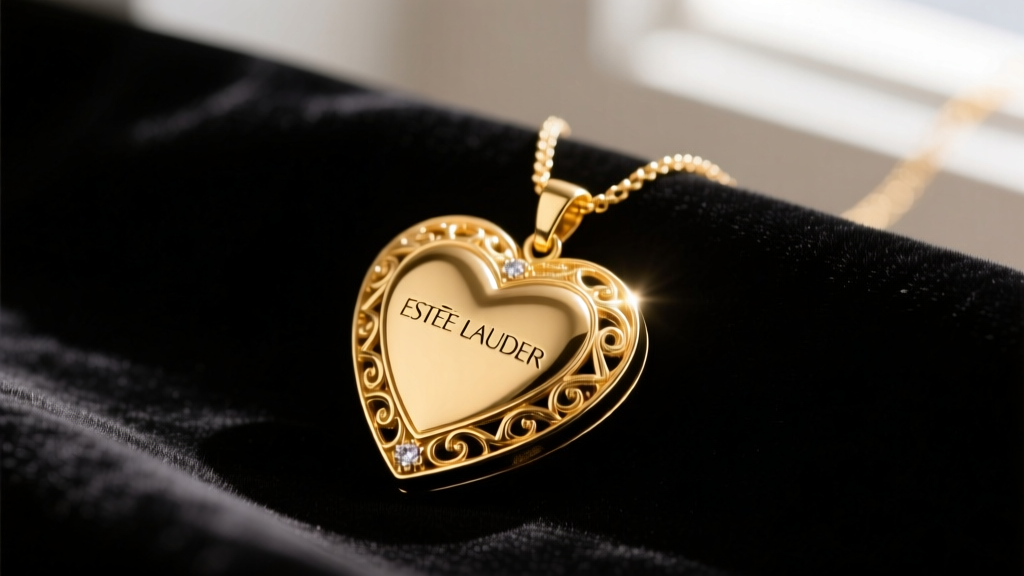
The Allure of the Estee Lauder Perfume Necklace
For decades, the Estee Lauder perfume necklace has occupied a unique intersection between functional fragrance, vintage jewelry, and high-end collectibility. Originally designed to house the brand's iconic solid perfumes, these pendants transcend mere utility. They are miniature works of art, featuring intricate metalwork, cold enamel, and Austrian crystals. Whether you are a seasoned compact collector or a jewelry enthusiast looking for a unique statement piece, navigating the secondary market for these items requires a keen eye for metallurgy, mechanical integrity, and historical provenance.
According to the Estée Lauder Archives, the brand's fascination with solid perfume compacts began in the 1960s, but the transition into wearable pendant necklaces truly exploded in the late 1980s and 1990s. Today, in 2026, these pieces are highly sought after, with specific limited-edition holiday releases commanding premium prices at auction. This comprehensive buying guide will equip you with the technical knowledge needed to authenticate, evaluate, and purchase an Estee Lauder perfume necklace with confidence.
Vintage vs. Modern: Understanding the Eras
To accurately assess value and condition, you must first identify the era of the pendant. The market is generally divided into two distinct categories: vintage collectibles and modern limited editions.
1980s–1990s: The Golden Era of Solid Perfume Pendants
The most highly coveted pieces among serious collectors stem from this era. Designs frequently featured romantic motifs like hearts, doves, and intricate floral baskets. The metalwork was often heavier, utilizing thick brass or zinc alloy bases with generous 18k or 22k gold electroplating. Many of these pieces were originally sold with a 24-inch to 30-inch gold-tone rope or snake chain. However, because these are now 30 to 40 years old, finding one with its original, untarnished chain and intact hinge mechanism is rare.
2000s–Present: Holiday Limited Editions
Starting in the early 2000s, Estée Lauder began releasing annual holiday solid perfume pendants. These modern iterations often feature brighter, more saturated cold enamel and a higher reliance on pavé-set rhinestones. While beautiful, the base metals are sometimes lighter, and the gold wash is thinner than the 1990s counterparts. Collectors value these primarily when they are New Old Stock (NOS) and factory-sealed, as the modern solid perfume wax base is prone to melting or degrading if exposed to fluctuating temperatures over time.
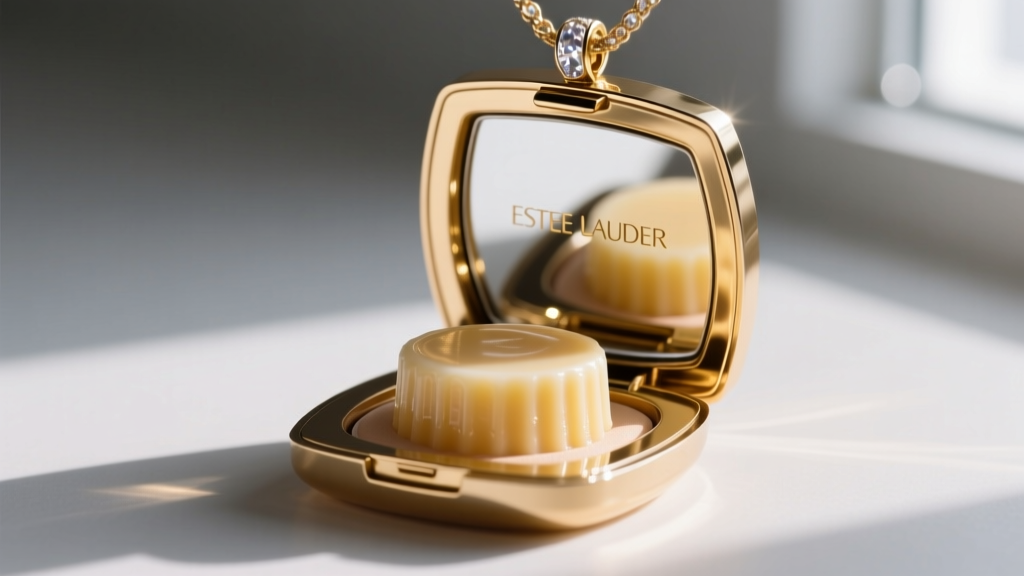
Material Composition & Mechanism Anatomy
Understanding the specific materials used in an Estee Lauder perfume necklace is critical for determining its longevity and authenticity. Below is a breakdown of the standard material grades and hardware you will encounter.
| Component | Material / Grade | Collector Notes & Vulnerabilities |
|---|---|---|
| Pendant Base | Zinc Alloy or Cast Brass | Brass bases (common in 90s pieces) hold detail better but are heavier. Zinc is prone to pitting if the plating fails. |
| Plating | 18k/22k Gold Electroplate | Vintage gold wash can wear thin on high-friction edges. Avoid pieces with 'brassing' (exposed base metal). |
| Embellishments | Cold Enamel & Austrian Crystals | Enamel is susceptible to thermal shock cracking. Crystals should be prong-set or bezel-set, not merely glued. |
| Hinge Mechanism | Soldered Steel Pin Hinge | The most critical failure point. Pins can slip or rust, causing the compact lid to detach entirely. |
| Chain | Base Metal with Gold Wash | Original spring-ring clasps often fail. Upgrading to a modern 14k gold-filled chain is a common and recommended restoration. |
Critical Inspection Points: What to Look For
When evaluating an Estee Lauder perfume necklace, whether online or in person, you must look past the aesthetic appeal and inspect the structural integrity. As noted by experts at Collectors Weekly, cosmetic compacts suffer from unique failure modes due to their mechanical nature and the chemical composition of their contents.
- Hinge and Latch Integrity: Open and close the pendant. The lid should snap shut with a crisp, audible click. If the lid wobbles or requires tape to stay closed, the soldered pin hinge has failed. Repairing micro-hinges on cast base metals is notoriously difficult and often costs more than the piece is worth.
- Enamel Condition: Inspect the enamel under bright, direct light. Look for microscopic spiderweb cracks (crazing). This occurs when the compact is exposed to rapid temperature changes, causing the metal base to expand and contract faster than the glass-like enamel surface.
- The Interior Mirror: Most pendants feature a small interior mirror. In vintage pieces, the silvering on the back of the glass often oxidizes, creating black spots or a 'foggy' appearance. While this doesn't ruin the piece, it significantly impacts the value for mint-condition collectors.
- Perfume Rancidity: If the pendant still contains the original solid perfume, smell it carefully. Vintage solid perfumes are formulated with beeswax, carnauba wax, and synthetic esters. After 20+ years, the lipid bases oxidize and turn rancid, smelling distinctly like old crayons or stale cooking oil. Many collectors prefer to buy 'empty' vintage pendants and refill them with modern solid fragrance balms.
- Crystal Retention: Use a jeweler's loupe to check the rhinestones. In cheaper modern runs, stones were glued rather than set. Missing stones leave behind discolored adhesive residue that is nearly impossible to clean without damaging the surrounding gold wash.
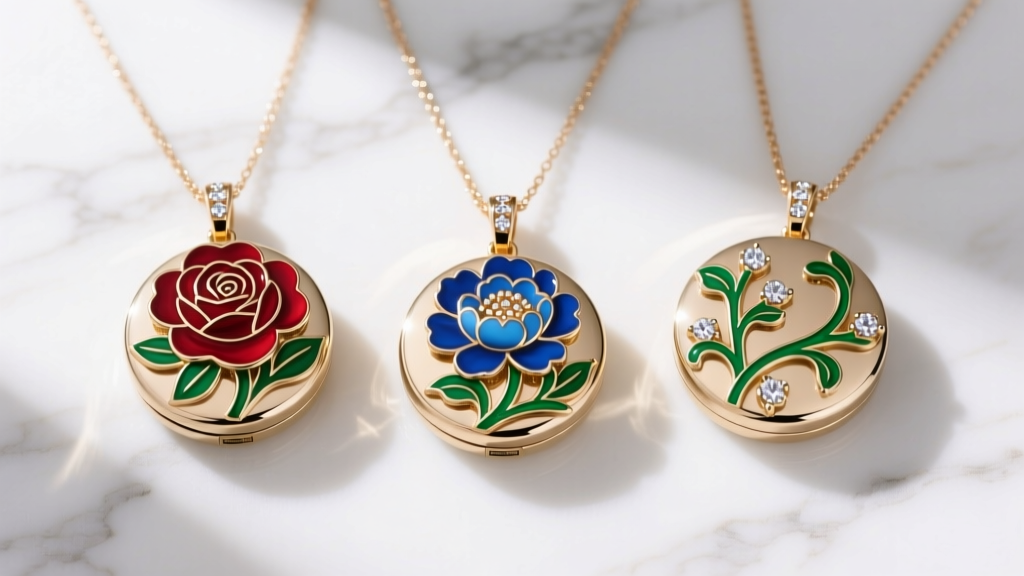
2026 Market Pricing & Valuation Guide
The secondary market for these necklaces is robust, with pricing heavily dictated by condition, rarity, and whether the original solid perfume is intact. Based on current 2026 market data from platforms like Ruby Lane Market Data and specialized auction houses, here is what you should expect to pay.
| Category | Condition | Estimated Price Range (USD) |
|---|---|---|
| Common Vintage (1980s-90s) | Empty, minor gold wear, good hinge | $45 – $85 |
| Rare Vintage Motif (e.g., 1994 Owl) | Empty, mint condition, original chain | $150 – $275 |
| Modern Holiday LE (2010s-2020s) | Factory sealed, boxed, pristine | $90 – $140 |
| Crystal/Gemstone Encrusted LE | Factory sealed, high carat weight | $250 – $600+ |
How to Wear and Layer Your Pendant
From a styling perspective, the Estee Lauder perfume necklace is inherently a statement piece. The pendants typically measure between 1.5 and 2.5 inches in diameter, making them too large for delicate, minimalist layering. Instead, embrace their vintage glamour.
For a contemporary 2026 aesthetic, discard the tarnished original base-metal chain. Re-string the pendant on a high-quality, 14k gold-filled or sterling silver rope chain. A 28-inch length allows the heavy pendant to rest at the sternum, creating a striking bohemian or vintage-revival silhouette. If you are layering, pair it with two thinner, matte-finish chains (one at 18 inches, one at 22 inches) to provide textural contrast without competing with the intricate enamel and crystal work of the pendant itself.
Final Verdict for Collectors
Purchasing an Estee Lauder perfume necklace is an exercise in appreciating miniature metallurgy and mid-century cosmetic history. The most critical advice for any buyer is to prioritize mechanical integrity over cosmetic perfection. A pendant with slightly worn gold plating but a flawless, snapping hinge is a far better investment than a pristine-looking piece with a compromised latch. By understanding the material grades, recognizing the failure modes of vintage wax and enamel, and accurately assessing the current market tiers, you can build a collection that is both structurally sound and historically significant.


