Vintage Ivory Bead Necklace: 2026 Styling & Trends
Discover 2026 trends for the vintage ivory bead necklace. Learn authentication, ethical sourcing, bead sizing, and modern layering techniques.

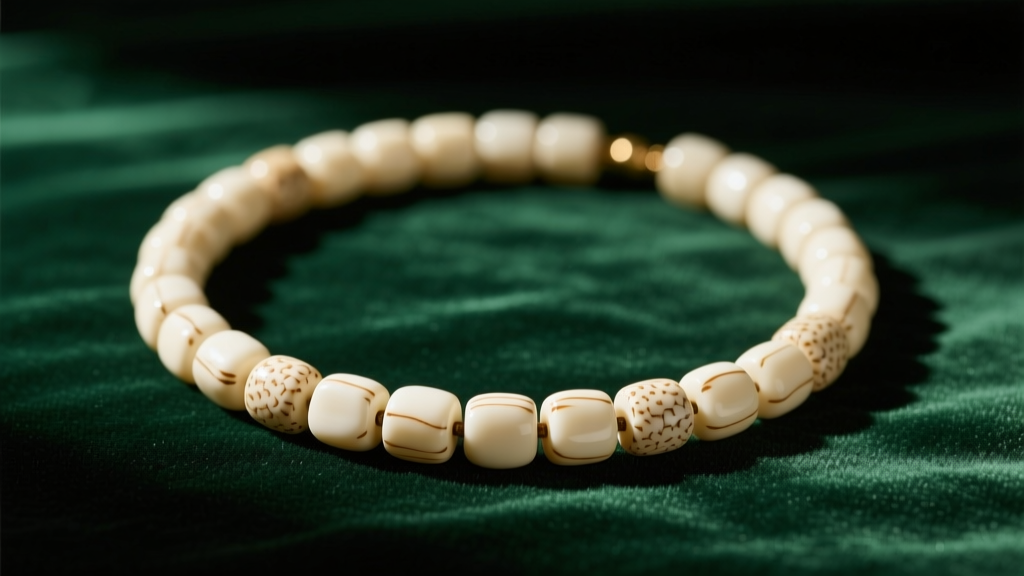
The Resurgence of the Vintage Ivory Bead Necklace
Once relegated to mid-century costume jewelry boxes and outdated pearl substitutes, the vintage ivory bead necklace has experienced a massive renaissance in 2026. Driven by the 'quiet luxury' movement and a broader appreciation for organic, textural heirlooms, collectors and stylists are actively seeking out these unique strands. However, navigating this market requires a sophisticated understanding of material authentication, international trade laws, and modern styling techniques that elevate these antique pieces beyond their traditional constraints.
Unlike uniform cultured pearls or mass-produced resin beads, genuine vintage ivory offers a distinct, warm patina and a subtle organic grain that cannot be perfectly replicated. Whether you are inheriting a family piece or hunting for a pre-1947 antique at an estate sale, understanding the nuances of this material is critical for both preservation and style.
Authentication: Real Ivory vs. Faux Alternatives
The most significant hurdle in acquiring a vintage ivory bead necklace is distinguishing genuine organic ivory from historical and modern simulants. Throughout the 20th century, materials like Bakelite, celluloid, and carved bone were frequently used to mimic ivory. Today, we also see synthetic resins and vegetable ivory (tagua nut) flooding the market.
Identifying Genuine Elephant Ivory
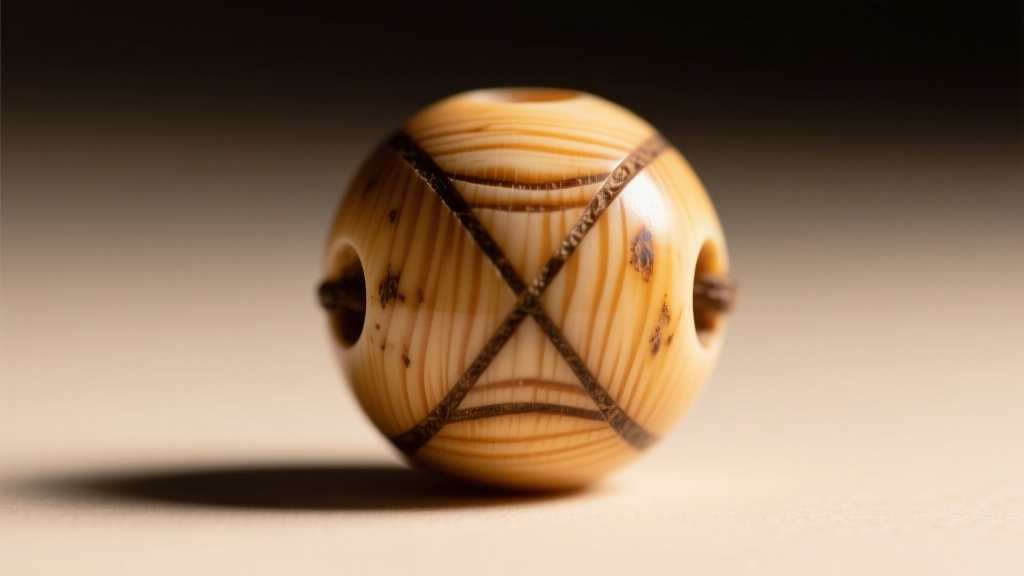
Authentic elephant ivory possesses unique structural markers. The most definitive is the presence of Schreger lines—a cross-hatched, engine-turned pattern visible in cross-section or under magnification. When examining a bead, look for these intersecting lines near the drill hole or on the bead's surface if the polish is slightly worn.
- The UV Light Test: Under long-wave ultraviolet light, genuine ivory will fluoresce a bright, chalky white or pale blue. Most early plastics (like Bakelite) will absorb the light and appear dull, while modern resins may fluoresce an unnatural milky blue.
- Weight and Temperature: Ivory is remarkably dense. A genuine strand will feel substantially heavier than a plastic equivalent and will remain cool to the touch for a longer period when held against the skin.
- The Hot Pin Warning: While traditional guides suggest touching a heated needle to an inconspicuous area (genuine ivory won't melt, but plastic will), never do this on a valuable vintage piece. It causes irreversible thermal damage and scorch marks.
Navigating CITES Regulations and the 1947 Rule
Ethical and legal sourcing is paramount. The Convention on International Trade in Endangered Species (CITES) strictly regulates the ivory trade to protect endangered elephant populations. In many jurisdictions, including the US and UK, the sale of ivory is heavily restricted. However, verified pre-1947 antique specimens are often exempt, provided they are accompanied by proper provenance and documentation from a certified appraiser. Always demand CITES-compliant paperwork when purchasing from high-end estate jewelers.
Bead Sizing and Proportion Matrix
The visual impact of a vintage ivory bead necklace is heavily dictated by the bead diameter and the overall strand length. Unlike modern uniform jewelry, vintage strands were often hand-carved, resulting in slight, charming variations in bead size (typically ranging from 4mm to 12mm). Below is a structural guide to help you select the right proportion for your wardrobe.
| Bead Diameter | Strand Length | Ideal Neckline | Aesthetic & Vibe |
|---|---|---|---|
| 4mm - 5mm | 28" - 32" (Opera) | Deep V-neck, Turtleneck | Bohemian, fluid, layered |
| 6mm - 8mm | 18" (Princess) | Scoop neck, Button-down | Classic, versatile, office-ready |
| 9mm - 12mm | 15" - 16" (Choker) | Off-shoulder, Strapless | Bold, statement, grandpacore |
Modern Styling: Breaking the Traditional Mold
In 2026, the most compelling way to wear a vintage ivory bead necklace is through intentional juxtaposition. The 'grandpacore' and eclectic layering trends have moved these pieces out of formalwear and into everyday high fashion.
Mixing Metals and Textures
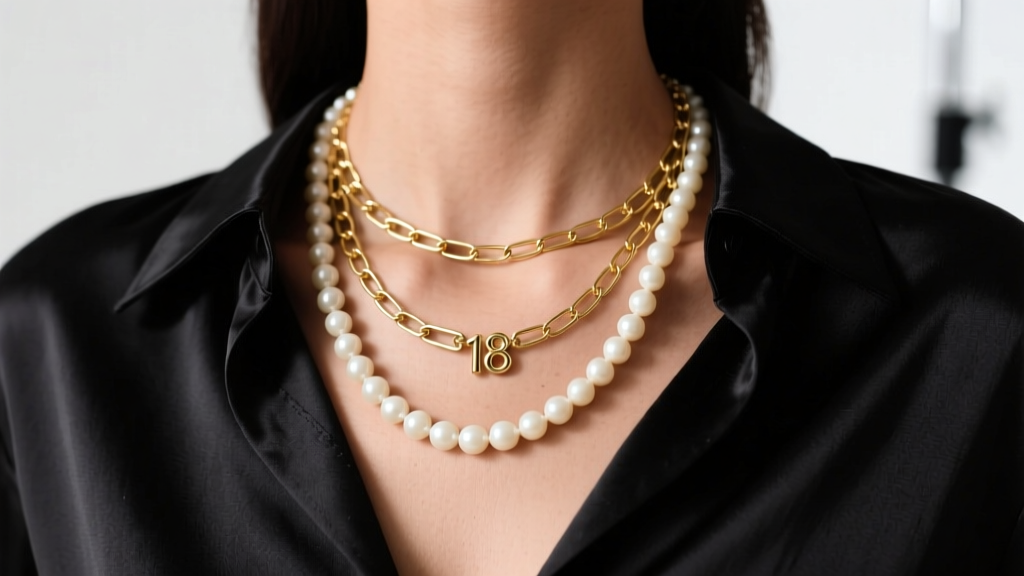
Ivory's warm, yellowed undertones (often referred to as a 'tea-stained' patina) pair exceptionally well with oxidized sterling silver or matte 14k yellow gold. Try layering a chunky 10mm vintage ivory choker with a delicate, modern 18k gold paperclip chain and a small, bezel-set onyx pendant. The contrast between the organic, porous texture of the antique beads and the sharp, reflective geometry of modern gold hardware creates a striking visual tension.
Hardware and Clasp Upgrades
Many vintage strands suffer from failing base-metal spring ring clasps or frayed cotton stringing. Upgrading the hardware is a highly recommended restoration step. Replacing a tarnished brass clasp with a 14k gold filigree box clasp or a sleek magnetic neodymium clasp not only secures the heavy beads but instantly modernizes the piece. Ensure the new clasp is soldered to a sturdy jump ring and attached using French silk thread rather than wire, which can saw through the organic bead material over time.
Preservation, Stringing, and Failure Modes
Organic gems require specialized care. According to the GIA Gem Encyclopedia, ivory is highly sensitive to extreme temperature fluctuations, low humidity, and harsh chemicals. Improper care leads to two primary failure modes: desiccation cracking and chemical yellowing.
Stringing Best Practices
If your vintage strand shows gaps between the beads or feels stiff, it requires immediate restringing. Use Size F or FF French silk thread for beads in the 6mm to 10mm range. Crucially, the strand must be hand-knotted between every single bead. This knotting serves two purposes: it prevents the beads from rubbing against each other (which causes friction wear around the drill holes), and it ensures that if the thread snaps, you only lose one bead rather than the entire strand.
Environmental Controls
Ivory is hygroscopic, meaning it absorbs and releases moisture from the air. Store your necklace in a soft, unbleached cotton pouch—never in an airtight plastic bag, which can trap moisture and encourage mold, or in a dry safe, which will cause the beads to shrink and crack. Maintain a storage environment with a relative humidity (RH) between 40% and 60%. To clean, gently wipe with a barely damp microfiber cloth; never use ultrasonic cleaners, steamers, or commercial jewelry dips, as the acids will permanently etch the surface.
The Sustainable Alternative: Tagua Nut
For those who love the aesthetic of a vintage ivory bead necklace but wish to avoid the ethical and legal complexities of animal ivory, Tagua nut (often called 'vegetable ivory') is an exceptional alternative. Harvested sustainably from palm trees in South America, tagua can be carved, polished, and aged to perfectly mimic the weight, grain, and warm patina of antique ivory, offering a guilt-free way to participate in this enduring style trend.


