Vintage Jadeite Necklace Troubleshooting: Repairs & Grading
Learn how to authenticate, clean, and restring your vintage jadeite necklace. Expert troubleshooting for Type A, B, and C jade and silk cord repairs.

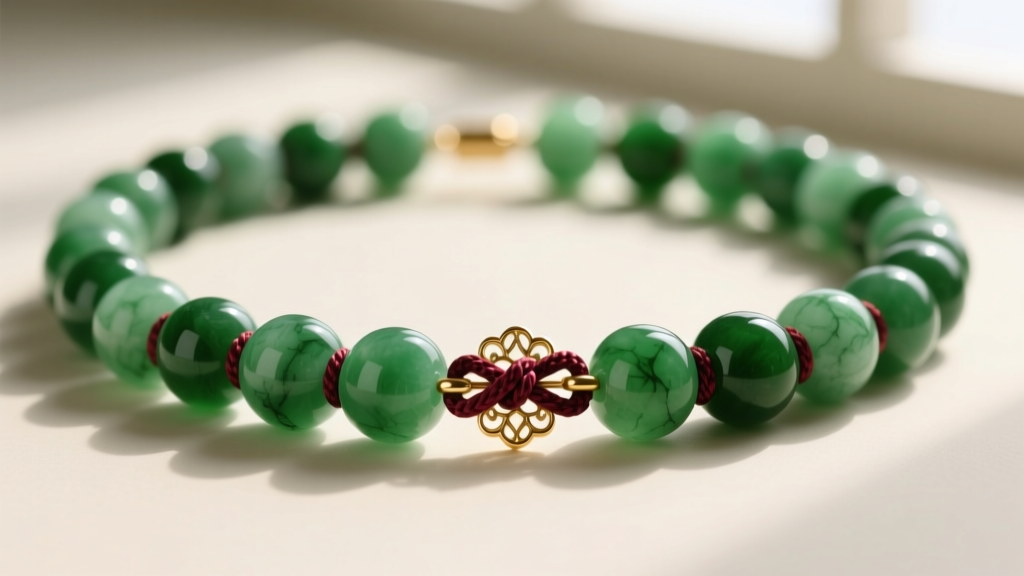
Acquiring a vintage jadeite necklace is an investment in both history and gemology. However, the secondary market for antique and mid-century jade jewelry is fraught with structural pitfalls and sophisticated treatments. Whether you have inherited a family heirloom or purchased a strand of mid-century Burmese jadeite beads, troubleshooting its condition requires a methodical approach. From identifying polymer-impregnated stones to addressing degraded silk cord, this comprehensive guide will help you restore, authenticate, and maintain your vintage jadeite necklace.
The Authenticity Crisis: Identifying Type A vs. Treated Jadeite
The most critical troubleshooting step for any vintage jadeite piece is verifying its treatment status. Unlike diamonds, jadeite is routinely subjected to chemical and physical alterations that drastically affect its value and structural integrity. The Gemological Institute of America (GIA) categorizes jadeite into three distinct types:
- Type A (Untreated): Completely natural jadeite, occasionally polished with a traditional, harmless plum wax. This is the only grade considered collectible and valuable in the vintage market.
- Type B (Bleached and Polymer-Impregnated): Jadeite that has been soaked in strong acids to remove brown or yellow impurities, leaving the stone porous. It is then injected with polymer resins to restore translucency and structural stability.
- Type C (Dyed): Jadeite that has been artificially colored, often to mimic the highly prized "Imperial Green" or lavender hues.
Troubleshooting Treated Jadeite at Home
While definitive grading requires a gemological lab, you can perform preliminary troubleshooting using a 10x triplet loupe and a 365nm UV flashlight.
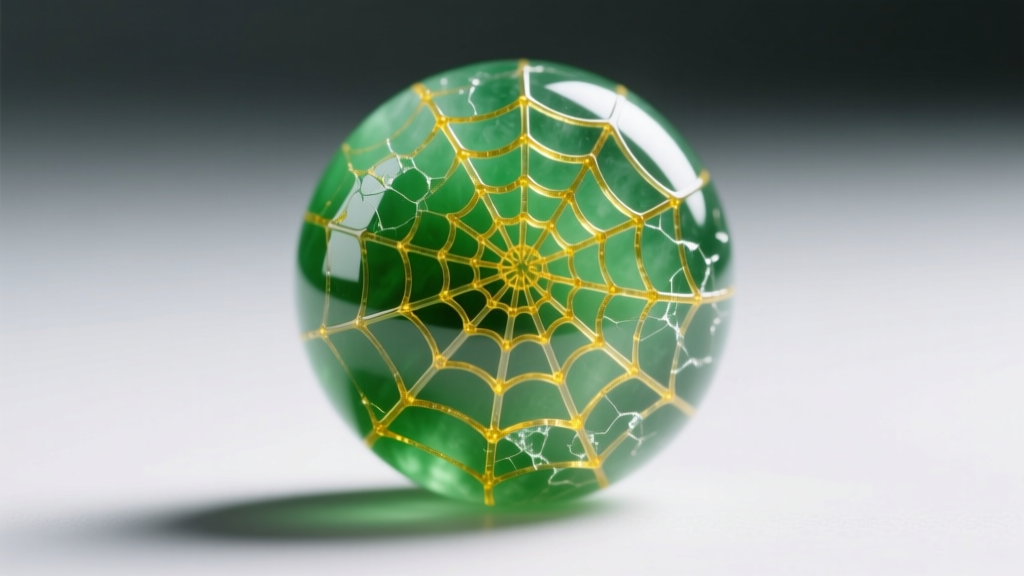
The Spiderweb Effect: Examine the surface of the beads under 10x magnification. Type B jadeite often exhibits a "spiderweb" or "chipped paint" texture. The acid bath dissolves the weaker intergranular material, and the polymer resin fills the voids, creating a network of depressed, web-like lines on the surface.
UV Fluorescence Test: Shine a 365nm (long-wave) UV light on the beads in a dark room. Type A jadeite is generally inert or may show a very weak, localized yellowish-green fluorescence due to natural trace elements. Conversely, Type B jadeite will typically emit a strong, chalky blue-white fluorescence across the entire bead, caused by the polymer resins used in the impregnation process.
Structural Troubleshooting: Restringing and Silk Degradation
Vintage jadeite necklaces were traditionally strung on silk cord with individual knots between each bead. Over decades, silk degrades, stretches, and absorbs skin oils, becoming brittle and prone to snapping. If your necklace feels stiff, shows fraying near the clasp, or if the beads slide more than a millimeter between knots, it requires immediate restringing.
Why You Must Never Use Wire
A common mistake in amateur jewelry repair is restringing heavy jadeite beads on beading wire (like Soft Flex or Tiger Tail). While jadeite is incredibly tough due to its interlocking crystalline structure, the drill holes in vintage beads are rarely perfectly smooth. Metal wire acts like a saw against the interior of the drill hole. Over time, the wire will cut through the jadeite, ruining the bead and causing catastrophic strand failure. Always use high-quality silk or specialized nylon cord.
Cord Sizing and Knotting Framework
Selecting the correct cord thickness is vital for ensuring the knots are large enough to prevent the beads from slipping through, yet small enough to pass through the vintage drill holes. Refer to the troubleshooting matrix below:
| Bead Diameter | Average Drill Hole | Recommended Cord | Knotting Technique |
|---|---|---|---|
| 4mm - 6mm | 0.8mm - 1.0mm | Size 2 Silk (Griffin) | Single knot, no bead tip |
| 8mm - 10mm | 1.2mm - 1.5mm | Size 6 Silk (Griffin) | Single knot with bead tip |
| 12mm - 15mm | 1.5mm+ | Size 8 Silk or Nylon | Double knot, French wire at clasp |
Pro Tip: When restringing, always use "French wire" (a tiny coiled metal spring) or "gimp" where the silk cord meets the metal clasp. This prevents the metal from sawing through the silk at the highest point of friction.
Diagnosing Flaws: Cracks vs. Natural Stone Lines
Vintage jadeite is rarely flawless. However, distinguishing between a natural geological inclusion and a structural crack is essential for determining the necklace's longevity and value. Mason-Kay Fine Jade Jewelry notes that understanding jade's internal landscape is key to proper appraisal.
The Fingernail and Light Transmission Tests
Stone Lines (Healed Fractures): These are natural geological features where the jadeite fractured millions of years ago and naturally healed with secondary mineral deposits. They appear as white or yellowish lines inside the stone. Run your fingernail gently over the surface of the bead; if the surface is perfectly smooth, it is an internal stone line and poses no structural threat.
Active Cracks: If your fingernail catches on a fissure on the surface of the bead, you have an active crack. To determine the depth, use a jeweler's light pen. Shine the light directly against the back of the bead. An active crack will disrupt the light transmission, creating a sharp, dark shadow line that extends to the surface. Active cracks significantly compromise the bead, and the necklace should be handled with extreme care to prevent the stone from splitting.
Cleaning and Maintenance Without Causing Damage
Proper cleaning is a frequent troubleshooting pain point, as using the wrong methods can permanently destroy a vintage jadeite necklace. The most critical rule: never use an ultrasonic cleaner. Ultrasonic waves can easily shatter beads with hidden internal fractures and will degrade the polymer resins in Type B jadeite, causing the stones to turn cloudy and brittle.
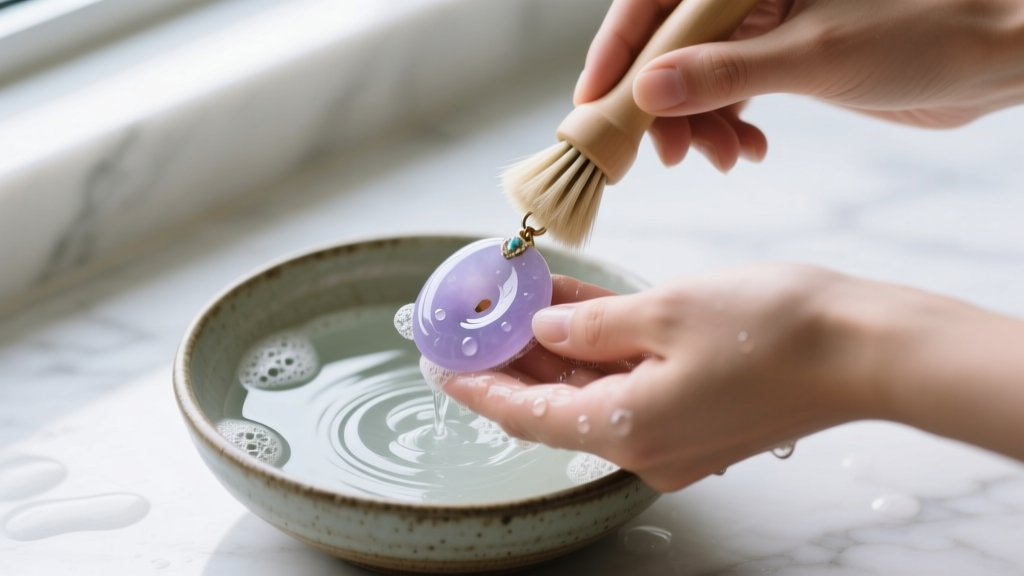
The Safe Cleaning Protocol
- Preparation: Fill a ceramic or glass bowl with lukewarm (never hot) water and add a few drops of pH-neutral, fragrance-free dish soap.
- Agitation: Submerge the necklace for no more than 3 to 5 minutes. Prolonged soaking can weaken the silk knots.
- Brushing: Use a soft-bristled natural hair brush (like a baby toothbrush or a makeup blending brush) to gently agitate dirt from around the drill holes and knots. Avoid stiff synthetic bristles that can micro-scratch the wax polish on Type A jade.
- Rinsing and Drying: Rinse briefly under a gentle stream of cool water. Pat dry with a microfiber cloth and lay the necklace completely flat on a towel to air dry for 24 hours. Never hang a wet silk-strung necklace, as the weight of the waterlogged beads will permanently stretch the wet silk.
Upgrading Failing Vintage Clasps
Mid-century jadeite necklaces frequently feature barrel clasps, fishhook clasps, or simple box clasps that have worn out over decades of use. If your clasp fails to click securely or the internal tension spring is dead, it must be replaced to prevent losing the strand.
When upgrading, avoid cheap base-metal clasps which can cause contact dermatitis and tarnish the adjacent silk. Opt for a solid 14k or 18k gold lobster clasp or a custom-carved jadeite toggle. If the piece is a documented museum-grade antique, consult a jewelry conservator before altering the original findings, as replacing a period-accurate clasp can reduce its historical provenance value by up to 15%.
Final Thoughts on Jadeite Preservation
Troubleshooting a vintage jadeite necklace requires a balance of gemological knowledge and delicate craftsmanship. By accurately identifying treatment types, utilizing the correct silk restringing materials, and employing safe cleaning protocols, you can ensure that your heirloom piece survives for another generation. When in doubt regarding authenticity or structural repairs, always defer to a certified gemologist who specializes in East Asian jade artifacts.


