How to Buy a Vintage Kramer of New York Necklace: Expert Guide
Discover how to authenticate, evaluate, and buy a vintage Kramer of New York necklace. Learn hallmark details, pricing tiers, and condition checks.

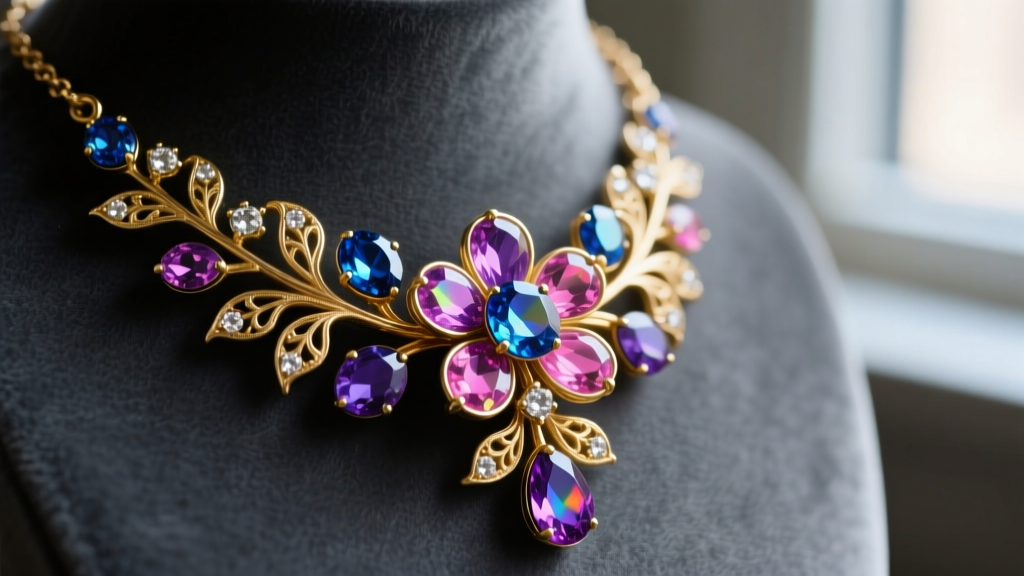
The Legacy of Louis Kramer: Beyond Basic Costume Jewelry
When building a curated vintage jewelry collection, certain names act as anchors of quality and design innovation. Louis Kramer founded his eponymous company in 1943, quickly elevating it to the upper echelon of American costume jewelry. Unlike brands that mass-produced cheap trinkets, Kramer of New York focused on intricate, high-quality craftsmanship, often utilizing heavy gold and rhodium electroplating over solid brass or high-grade pot metal. For serious collectors and style enthusiasts, acquiring a genuine Kramer of New York necklace is not just about owning a beautiful accessory; it is about securing a piece of mid-century fashion history. Kramer's reputation for excellence was so profound that the house was commissioned to manufacture jewelry for Christian Dior in the 1950s, a testament to their unparalleled technical skill. According to the Vintage Fashion Guild, Kramer's pieces from the 1940s through the 1960s remain some of the most highly sought-after items in the vintage market, prized for their elaborate floral motifs, pavé settings, and brilliant glasswork.
Decoding the Hallmarks: Authenticating Your Kramer Necklace
Authentication is the first and most critical hurdle when shopping for vintage costume jewelry. Because Kramer pieces command premium prices, the market is occasionally flooded with misattributed or outright counterfeit items. Knowing the exact evolution of their hallmarks is your best defense. The stamping on the clasp or the reverse of the pendant can tell you not only if the piece is genuine but also the approximate decade of its creation.
- "Kramer" (1940s): The earliest pieces typically feature a simple, block-letter "Kramer" stamp, sometimes accompanied by a patent number (e.g., Des. Pat. No.). These are rare and highly collectible, often featuring Art Deco or Retro Modern influences.
- "Kramer N.Y." or "Kramer New York" (1950s): As the brand expanded, the hallmark evolved to include the city of origin. This era is famous for the introduction of the Aurora Borealis (AB) rhinestones in 1956. If you see an AB stone alongside this hallmark, you can confidently date the piece to the late 1950s.
- "Kramer of New York" (Late 1950s–1970s): This is the most common hallmark found on the classic floral bib necklaces and sautoirs.
- The Copyright Symbol (©): Following the Copyright Act of 1955, Kramer began stamping the © symbol next to their mark. A necklace marked "Kramer of New York ©" is definitively post-1955. If a seller claims a piece with a © stamp is from 1948, they are incorrect.
- "Christian Dior by Kramer": The holy grail for many collectors. These pieces feature Dior's branding but were manufactured by Kramer. They are exceptionally rare and command the highest premiums.
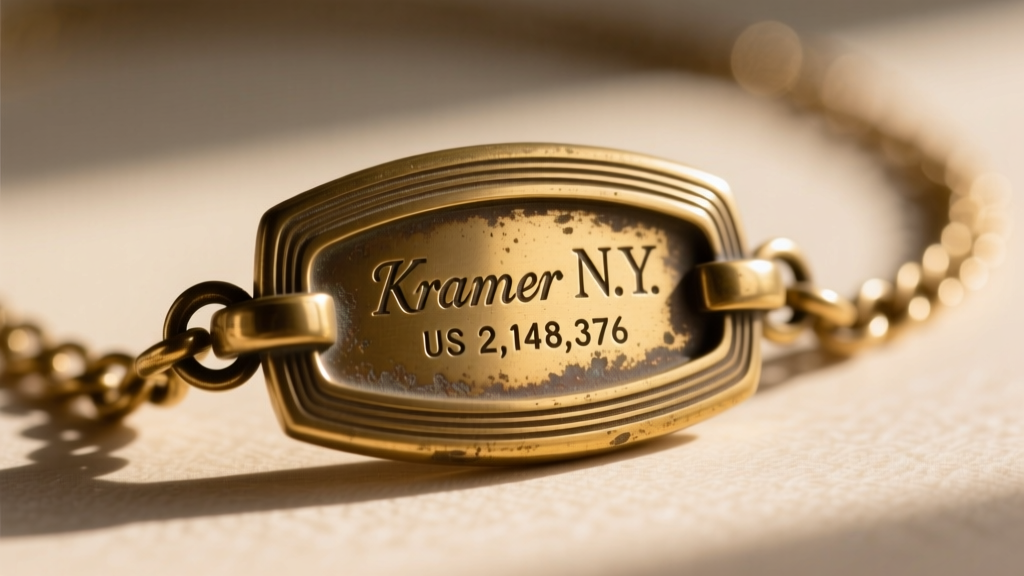
Always use a jeweler's loupe (10x magnification) to inspect the hallmark. Genuine Kramer stamps are crisp, deeply engraved, and perfectly aligned. Faint, sloppy, or laser-etched stamps on modern-looking clasps are immediate red flags. For deeper research into mid-century patent numbers and maker marks, Lang Antiques University offers an excellent, constantly updated database for cross-referencing vintage jewelry patents.
Material Composition & Common Failure Modes
Understanding what your necklace is made of—and how those materials age over 70 years—is essential for evaluating condition and negotiating price. Kramer primarily used heavy brass or white metal (pot metal) bases, plated with thick layers of 14k or 18k gold, or rhodium for a silver-tone finish. The stones were predominantly high-lead glass rhinestones, often foil-backed to maximize light refraction.
Identifying Structural and Cosmetic Failures
While Kramer's construction was top-tier, time and environmental factors take their toll. When inspecting a Kramer of New York necklace, look out for these specific failure modes:
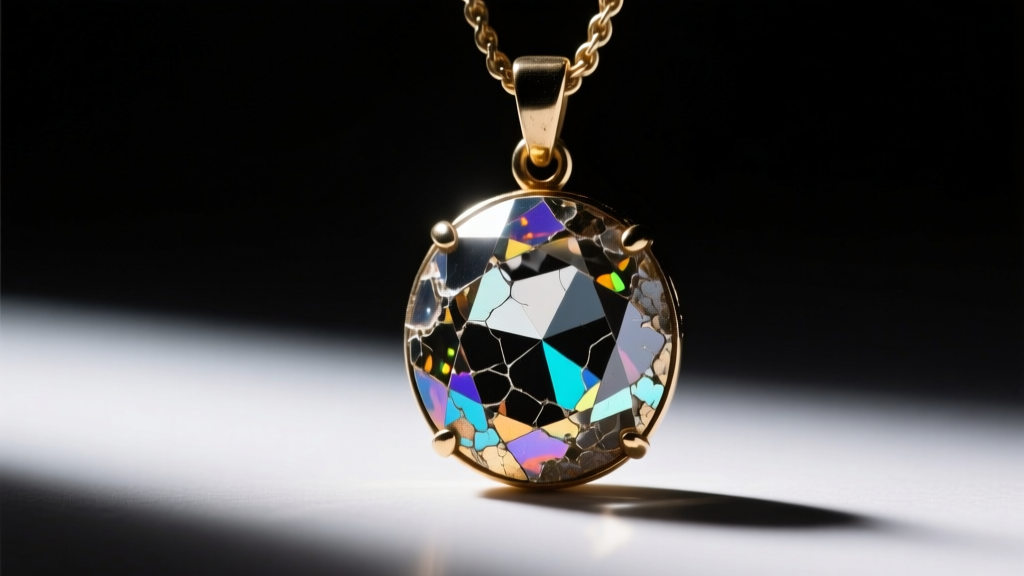
- Rhine Rot (Foil Degradation): This is the most common issue with vintage foil-backed rhinestones. If moisture breaches the stone's setting, the silver foil backing oxidizes and turns black, making the stone look dull, gray, or completely opaque. Rhine rot is irreversible without replacing the stone, which diminishes the piece's value.
- Pot Metal Cracking (Zinc Pest): Some mid-century white metal alloys are prone to "zinc pest," a crystalline degradation that causes the metal to become brittle and crack, particularly around the clasp solder joints or the bales of heavy pendants. Always gently flex the clasp area to check for micro-fractures.
- Clasp Spring Fatigue: Kramer frequently used trombone clasps, barrel clasps, and fold-over safety clasps. Decades of use can weaken the internal springs. Ensure the fold-over clasp snaps shut with a firm, audible click. A loose clasp is a security risk and requires professional jeweler intervention.
- Enamel Flaking: Kramer's cold enamel work (often seen in their floral and leaf designs) is beautiful but fragile. Inspect the edges of enameled petals under bright light for micro-chips or lifting.
Pricing Tiers: What to Pay in the 2026 Vintage Market
The vintage costume jewelry market has experienced significant shifts over the last few years. As of 2026, while basic, unsigned vintage pieces have stagnated in value, signed, high-tier mid-century pieces from prestigious houses like Kramer have appreciated by 15% to 25%, driven by archival fashion trends, TikTok-driven vintage aesthetics, and collector consolidation. Below is a realistic pricing framework for authentic, signed Kramer necklaces in the current market.
| Necklace Style & Era | Condition | Estimated Market Value (2026) | Collector Demand |
|---|---|---|---|
| Simple Chokers / Single Pendants (1960s-70s) | Good (Minor wear, all stones clear) | $65 – $140 | Moderate |
| Floral Sautoirs / Long Chain Necklaces (1950s) | Very Good (Original clasp, bright plating) | $180 – $350 | High |
| Intricate Bib / Collar Necklaces (1950s) | Mint (No rhine rot, perfect enamel) | $450 – $950 | Very High |
| Christian Dior by Kramer Parures | Excellent to Mint | $1,500 – $4,000+ | Investment Grade |
Note: Prices assume the piece is fully authenticated and complete. Missing stones, even tiny pavé accent stones, can reduce the value of a high-end bib necklace by 30% to 50%.
Sourcing Strategy: Where to Find Authentic Pieces
Finding a pristine Kramer of New York necklace requires patience and a strategic approach to sourcing. Avoid general thrift stores, as knowledgeable pickers usually snap up signed Kramer pieces before they hit the racks. Instead, focus your efforts on specialized channels:
- Specialized Vintage Dealers: Platforms like Ruby Lane and 1stDibs host vetted dealers who guarantee authenticity. While prices are at the top of the market, you are paying for the guarantee and the meticulous condition reports.
- Estate Auctions: Regional auction houses (such as Skinner or Heritage Auctions) frequently liquidate entire costume jewelry collections. This is where you can find rare 1940s pieces or Dior collaborations below retail market value, provided you are willing to pay the buyer's premium (usually 20-28%).
- Etsy and eBay (With Caution): You can find excellent deals here, but you must act as your own authenticator. Only buy from sellers who provide high-resolution, macro photographs of the hallmark, the clasp mechanism, and the back of every single rhinestone to check for rhine rot.
Care and Restoration Warnings
Once you have acquired your Kramer necklace, proper preservation is vital. The most common mistake new collectors make is treating vintage costume jewelry like fine jewelry. Never use ultrasonic cleaners, steam cleaners, or liquid silver/gold dips on a Kramer necklace. The harsh chemicals and high-frequency vibrations will instantly strip the foil backing from the rhinestones, dissolve the adhesive holding the stones in their prongs, and strip the electroplated gold finish down to the bare brass.
For routine cleaning, use a dry, ultra-soft makeup brush or a clean, dry microfiber cloth to gently wipe away skin oils and dust. If a stone is heavily soiled, use a cotton swab very lightly dampened with distilled water (never tap water, which contains minerals that cause spotting) to clean the surface of the glass, taking extreme care not to let any moisture seep under the prongs. Always store your necklace flat in a velvet-lined box with an anti-tarnish strip; hanging heavy vintage bib necklaces can stress the antique solder joints and cause the chain links to stretch or snap.
"A genuine Kramer of New York necklace is a masterclass in mid-century engineering and design. By prioritizing authentication, understanding material degradation, and practicing conservative care, collectors can preserve these wearable works of art for generations to come."


