Vintage Les Bernard Necklace: The Ultimate Buying Guide
Discover what to look for when buying a vintage Les Bernard necklace. Learn about hallmarks, materials, pricing tiers, and authentication tips.

The Legacy of Les Bernard Costume Jewelry
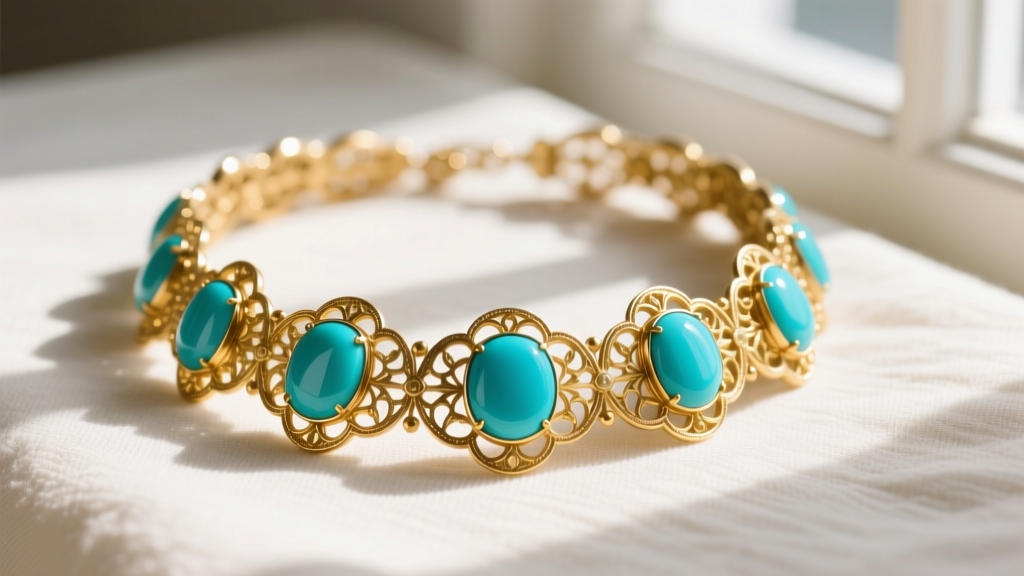
When navigating the 2026 vintage resale market, few names command as much respect in the realm of bold, architectural costume jewelry as Les Bernard. Founded in the 1960s by Bernard Shapiro and Lester Pitman, the brand quickly became synonymous with high-quality, avant-garde designs that rivaled fine jewelry in their visual impact. A vintage Les Bernard necklace is not merely an accessory; it is a wearable piece of mid-century and late-century design history. However, as the brand's popularity surges among collectors and stylists, the market has become saturated with misidentified pieces and overpriced replicas. This comprehensive buying guide will equip you with the exact metrics, material knowledge, and authentication frameworks needed to invest confidently in a genuine Les Bernard necklace.
Decoding Les Bernard Hallmarks & Signatures
Authentication begins and ends with the hallmark. According to antique appraisal resources like Kovels, Les Bernard utilized several distinct signatures over their decades of operation. Because the company produced thousands of SKUs, inconsistency in stamping is common, but specific patterns emerge based on the era of production.
The Primary Hallmark Variations
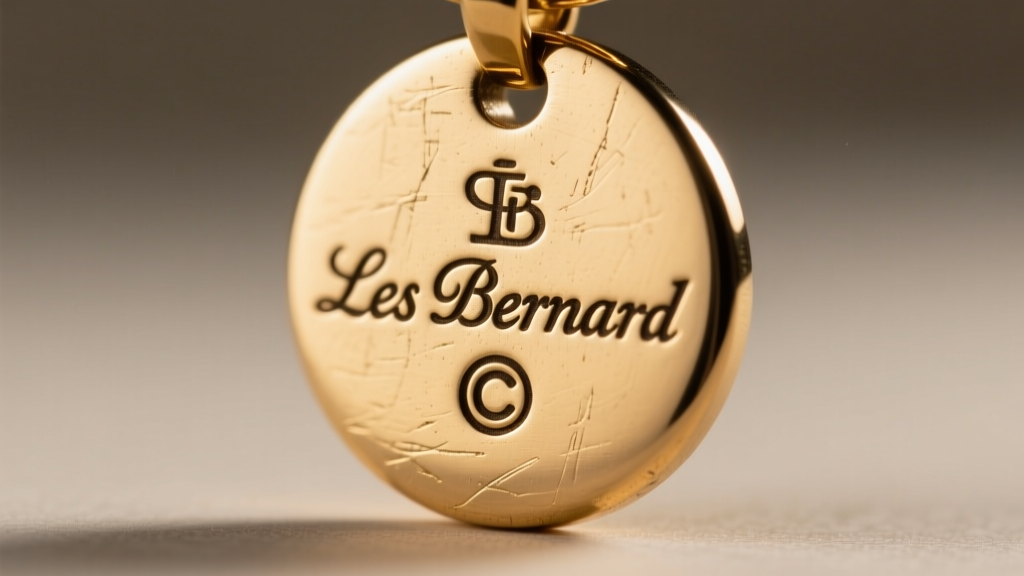
- The Script Logo: The most common hallmark from the 1970s through the 1990s features "Les Bernard" in a flowing, elegant script. This is often accompanied by a copyright symbol (©) or a registered trademark symbol (®).
- Block Letters: Earlier pieces from the late 1960s and early 1970s may feature "LES BERNARD" in a stark, uppercase block font. These are highly sought after by serious collectors.
- The "LB" Monogram: On smaller pendants or delicate chain links where real estate for a full stamp was limited, the brand used an interlocking or side-by-side "LB".
- Unmarked Pieces: Occasionally, a necklace will lack a physical stamp on the clasp or pendant. In these cases, authentication relies on the presence of original paper hang tags, the specific clasp hardware used by the brand, and the distinct weight of their proprietary pewter casts.
Material Composition & Craftsmanship
To accurately assess the value and longevity of a Les Bernard necklace, you must understand the metallurgy and stone-setting techniques they employed. Unlike fine jewelers who work exclusively in precious metals, Les Bernard mastered the art of costume metallurgy.
Base Metals & Plating Techniques
The foundation of most Les Bernard necklaces is a heavy base metal, typically a copper-alloy brass or a cast pewter. Pewter was favored for its ability to capture intricate, three-dimensional details in lost-wax casting processes. Once the base was formed, pieces were electroplated. The brand was known for its exceptionally thick gold wash (often mimicking 22k or 24k tones) and bright rhodium silver finishes. When inspecting a piece, look for "bleed-through" on high-friction areas like the back of the pendant or the clasp. Minor wear is expected on a 40-year-old piece, but deep pitting or flaking indicates poor storage and compromises the structural integrity of the plating.
Stones, Enamel, and Resin
Les Bernard frequently incorporated large, poured-glass cabochons, marbled lucite, and aurora borealis (AB) rhinestones. A key indicator of quality in their rhinestone pieces is the setting method. While some smaller stones were glued, their premium collar necklaces featured prong-set or bezel-set stones with intact foil backing. As noted by experts at The Spruce Crafts, the degradation of this foil backing is a primary condition flaw in vintage costume jewelry, turning once-brilliant stones dull and gray.
Pricing Guide: What Should You Pay in 2026?
The vintage jewelry market has stabilized after the pandemic-era boom, but premium Les Bernard pieces continue to appreciate. Use the following pricing matrix to ensure you are paying fair market value based on the piece's complexity and condition.
| Necklace Category | Defining Features | Estimated 2026 Market Value |
|---|---|---|
| Simple Chain & Pendant | Single cast pewter or brass pendant, basic link chain, standard lobster or spring ring clasp. | $45 - $95 |
| Enamel & Resin Collars | Chunky geometric or floral motifs, poured resin cabochons, cold enamel accents, heavy weight. | $120 - $220 |
| Rhinestone Bib & Statement | Dense pavé or prong-set AB/jet stones, intricate filigree backing, fold-over or box clasps. | $250 - $450 |
| Rare / Runway Archival | Limited edition Art Deco revivals, Egyptian motifs, documented editorial pieces, pristine condition. | $500 - $850+ |
Condition Checklist: Inspecting Vintage Pieces
Never purchase a vintage Les Bernard necklace without putting it through a rigorous physical inspection. The following checklist will help you identify fatal flaws that cannot be repaired without destroying the piece's value.
The "Green Death" and Verdigris
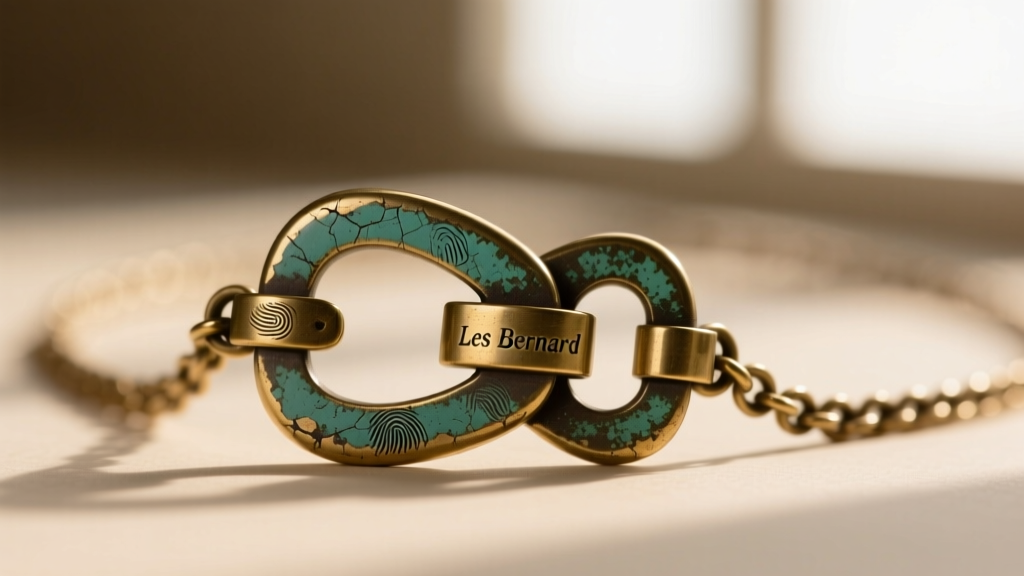
Because many vintage pieces were stored in humid environments, copper-based alloys often develop verdigris—a crusty, toxic green corrosion. While light surface tarnish can be gently polished away, deep verdigris that has eaten into the metal or settled beneath glued-in rhinestones is a dealbreaker. It weakens the prongs and can cause skin irritation.
Clasp Tension and Link Soldering
Les Bernard utilized heavy chains to support their substantial pendants. Inspect the soldered jump rings connecting the clasp to the chain. If the solder has cracked, the heavy pendant will snap the chain during wear. Additionally, test the tension of fold-over clasps; the internal spring mechanism often fails after decades of use, rendering the necklace unwearable without a modern replacement (which diminishes collector value).
Enamel Crazing and Resin Yellowing
If the necklace features cold enamel, use a jeweler's loupe to check for "crazing" (a network of fine cracks in the enamel surface). For pieces featuring white or clear lucite/resin, check for UV-induced yellowing, which is irreversible and significantly drops the resale value.
Where to Buy Authentic Les Bernard Necklaces
To avoid the pitfalls of mislabeled items on general marketplaces, focus your search on curated platforms. Dedicated vintage jewelry dealers on Ruby Lane and 1stDibs offer authenticated pieces, albeit at a premium. Estate sales and specialized auction houses remain the best avenues for acquiring rare archival pieces below retail market value. Always request high-resolution macro photos of the hallmark, the clasp, and the stone settings before committing to a purchase.
Final Verdict
A vintage Les Bernard necklace represents a masterclass in 20th-century costume jewelry design. By prioritizing authentic hallmarks, scrutinizing the base metal for corrosion, and understanding the current pricing tiers, you can build a collection that is both sartorially stunning and financially sound. Whether you are drawn to their bold 1980s geometric collars or their intricate 1970s floral pendants, buying with an expert eye ensures your investment will endure for decades to come.


