Vintage Magnifying Glass Necklace: 2026 Trend Guide
Discover how to style the vintage magnifying glass necklace in 2026. Explore dark academia trends, material guides, and layering tips.

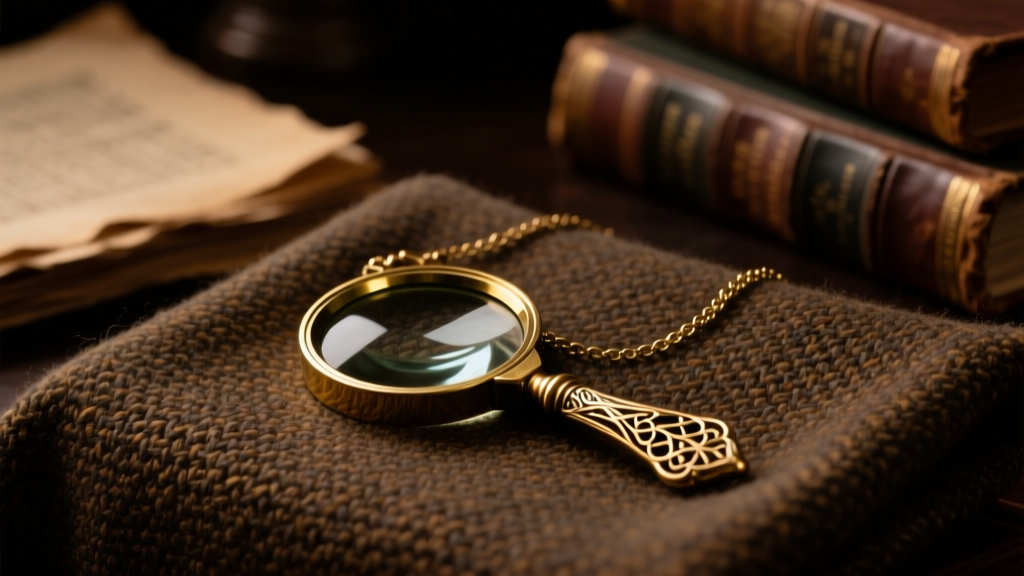
The Intersection of Utility and Ornamentation
In 2026, the jewelry landscape has decisively pivoted from ultra-minimalism toward "curated eccentricity" and functional adornment. At the forefront of this shift is the vintage magnifying glass necklace. Once relegated to steampunk cosplay or novelty gift shops, the magnifying glass pendant has been reclaimed by the dark academia and utility-chic movements. According to trend forecasts from Vogue Fashion Trends, modern collectors are seeking pieces that offer tactile engagement and historical weight. A vintage magnifying glass necklace provides exactly that: a functional optical instrument wrapped in Victorian or Edwardian metallurgy.
However, styling and purchasing these pieces requires a nuanced understanding of historical jewelry construction, optical materials, and structural integrity. This guide breaks down the exact specifications, pricing tiers, and styling frameworks you need to master this trend.
Anatomy of a Vintage Magnifying Glass Pendant
Lens Materials: Crown Glass vs. Acrylic
The defining feature of this pendant is the lens. True vintage pieces (dating from 1880 to 1940) typically feature crown glass or flint glass. According to the GIA Gem Encyclopedia, historical flint glass contains lead oxide, increasing its refractive index and giving the lens a brilliant, heavy sparkle. Crown glass is lighter but highly resistant to scratching, registering around 5.5 to 6 on the Mohs hardness scale.
Conversely, modern reproductions often use PMMA (acrylic) or cheap soda-lime glass. Acrylic registers at a mere 3 on the Mohs scale, meaning it will accumulate micro-scratches from everyday clothing friction within months, clouding the optical clarity. When sourcing a vintage magnifying glass necklace, always perform a thermal test: true glass feels distinctly cold to the touch and takes longer to warm up against the skin than acrylic.
Bezel Metallurgy and Patina
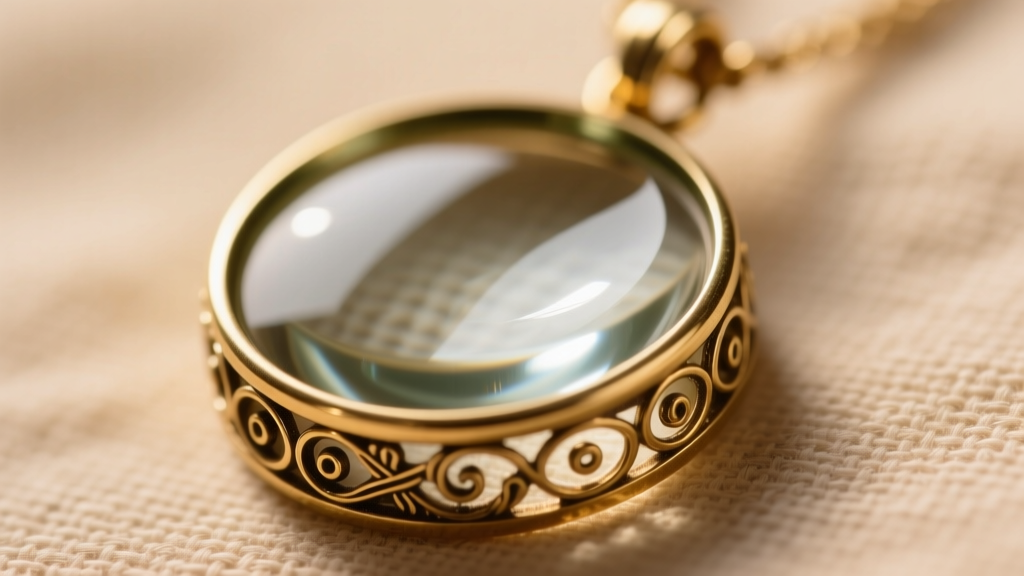
The bezel—the metal frame holding the lens—is usually crafted from brass, silver, or gold-filled alloys. Victorian-era brass was often drop-forged, resulting in a dense, durable frame with crisp filigree or rope-edge detailing. Over decades, this brass develops a rich, dark patina (verdigris) in the recesses. Do not aggressively polish this patina away; it provides visual depth and verifies the piece's age. If the metal is highly magnetic, it is a modern steel alloy with a brass plating, which will eventually flake and rust.
Weight, Tensile Strength, and Chain Selection
A critical failure point in styling heavy pendants is chain snap. A genuine 25mm to 30mm glass lens set in a solid brass bezel weighs between 18 and 35 grams. Most standard fashion chains (like 1.0mm cable or delicate box chains) have a tensile yield of under 10 grams and will stretch or snap under the pendulum motion of walking.
- Chain Gauge: Opt for a 2.0mm to 2.5mm Rolo, Figaro, or Curb chain. These interlocking link styles distribute weight evenly and resist stretching.
- Bail Sizing: Vintage pendants often feature thick, soldered bails. Ensure your chain's end-links or clasps can pass through an inner bail diameter of at least 4mm x 6mm.
- Clasp Hardware: Avoid 5mm spring rings. Upgrade to a 10mm or 12mm lobster clasp to ensure the connection point is stronger than the chain itself.
Market Analysis: Antique vs. Reproduction
Navigating the secondary market requires a keen eye for historical markers. Below is a comparative breakdown of what to expect when shopping for a vintage magnifying glass necklace in 2026.
| Era / Type | Price Range | Lens Material | Bezel Metal | Identifying Marks |
|---|---|---|---|---|
| Victorian (1880-1900) | $120 - $280 | Flint/Crown Glass | Solid Brass / Pinchbeck | T-slot hinges, C-clasps, heavy patina |
| Edwardian (1901-1915) | $150 - $350 | Optical Glass | Sterling Silver / Vermeil | Filigree work, maker's marks, glass clarity |
| Mid-Century Revival | $60 - $110 | Soda-Lime Glass | Brass Alloy | Modern lobster clasps, uniform casting lines |
| Modern Reproduction | $25 - $55 | Acrylic / Resin | Plated Zinc / Steel | Magnetic base, lightweight, seam lines on bezel |
For verified historical context on 19th-century optical accessories, the Metropolitan Museum of Art archives highlight how functional items like lorgnettes and magnifying pendants were essential social tools for the upper class, used to read menus or inspect textiles at a distance.
Styling Framework: Necklines and Layering
The magnifying glass pendant is inherently top-heavy and visually complex. It demands a canvas that grounds it without competing for attention. Here is the definitive 2026 styling matrix:
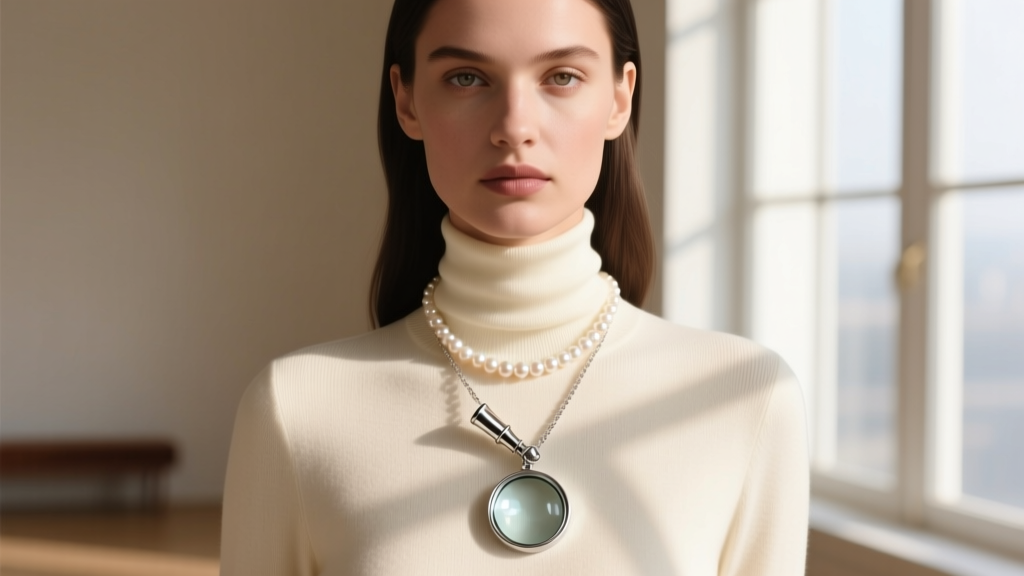
- The Dark Academia Base: A charcoal or forest green ribbed turtleneck. The high neckline pushes the 24-inch pendant down to the sternum, allowing the glass to catch ambient light. The ribbing provides a textured backdrop that complements brass filigree.
- The Peter Pan Collar: For a softer, cottagecore-adjacent look, pair a delicate sterling silver magnifying pendant with a crisp white blouse featuring a rounded Peter Pan collar. The pendant should rest exactly at the V-point of the collar.
- Asymmetrical Layering: Avoid layering with other circular pendants (like coins or lockets), which creates visual clutter. Instead, layer the magnifying glass with a 16-inch lariat necklace or a simple pearl choker. The contrasting geometries (circle vs. line) create a sophisticated, curated aesthetic.
Seasonal Material Pairings
Consider the metal alloy when transitioning between seasons. Brass and gold-filled magnifying pendants possess warm undertones that harmonize beautifully with autumn and winter textiles like houndstooth, corduroy, and heavy merino wools. Conversely, sterling silver or white-gold bezels offer a crisp, reflective quality that elevates spring and summer garments, particularly when layered over unbleached linen or sheer silk organza blouses. Matching the metal temperature to your seasonal wardrobe ensures the pendant feels like an integrated component of your outfit rather than an afterthought.
Troubleshooting and Maintenance
Bezel Lip Fatigue
The most common structural failure in vintage magnifying pendants is "bezel lip fatigue." The thin metal lip folded over the glass can bend outward over decades of snagging on knitwear. If your lens rattles, do not use superglue (cyanoacrylate), which will fog the glass permanently. Instead, place a piece of painter's tape over the glass to protect it, and use nylon-jaw jewelry pliers to gently crimp the metal lip back into place.
Managing Verdigris
While a dark patina is desirable, active green corrosion (verdigris) can transfer to your skin and clothing. If the brass has developed active, powdery green spots, gently scrub the metal crevices with a soft-bristled toothbrush dipped in a solution of warm water and mild dish soap. Avoid baking soda or vinegar, as these can alter the chemical composition of historical alloys and cause micro-pitting. Dry the metal immediately with a lint-free cloth, and apply a micro-thin layer of Renaissance Wax to seal the brass and halt further oxidation.
Optical Cleaning
Never use ammonia-based glass cleaners on vintage lenses, especially if they are set in porous materials or if the bezel has micro-fractures. Ammonia will strip the patina from brass and degrade the adhesive holding the lens. Use a dry microfiber cloth and a specialized optical lens spray, applying the spray to the cloth first, never directly onto the pendant.
Final Verdict
The vintage magnifying glass necklace is more than a fleeting trend; it is a masterclass in functional jewelry. By prioritizing optical glass over acrylic, selecting chains with adequate tensile strength, and embracing the historical patina of the bezel, you secure a piece that is both an optical tool and a wearable artifact. As 2026's fashion landscape continues to reward intellectual, detail-oriented styling, this pendant remains an indispensable anchor for the modern curator's wardrobe.


