The Ultimate Vintage Marvella Pearl Necklace Buying Guide
Discover how to authenticate, value, and buy a vintage Marvella pearl necklace. Expert tips on marks, pearl coatings, and 2026 market pricing.

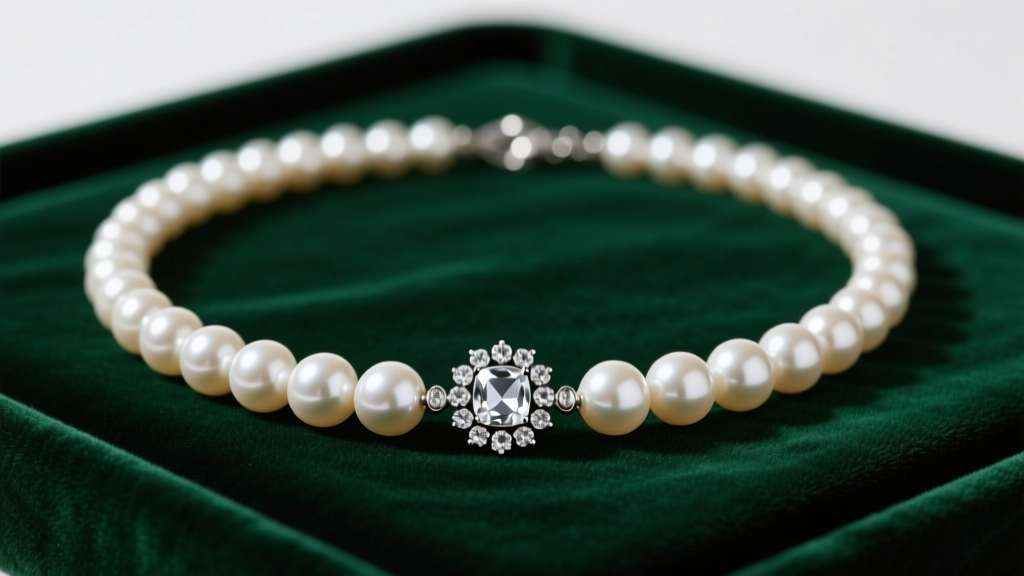
The Enduring Allure of Marvella Simulated Pearls
In the landscape of vintage costume jewelry, few names command as much respect for simulated pearls as Marvella. Founded in 1906 by Solomon Weinreich, the brand revolutionized the market by creating faux pearls that were virtually indistinguishable from cultured varieties to the naked eye. As we navigate the 2026 vintage jewelry market, the demand for a vintage Marvella pearl necklace has surged among collectors and style enthusiasts who appreciate mid-century elegance without the astronomical price tag of natural saltwater pearls.
However, buying vintage requires a discerning eye. Because Marvella pieces were produced over several decades, variations in markings, core materials, and clasp hardware are abundant. This comprehensive buying guide will equip you with the specialized knowledge needed to authenticate, evaluate, and purchase a vintage Marvella pearl necklace with absolute confidence.
Decoding Marvella Marks and Clasp Hardware
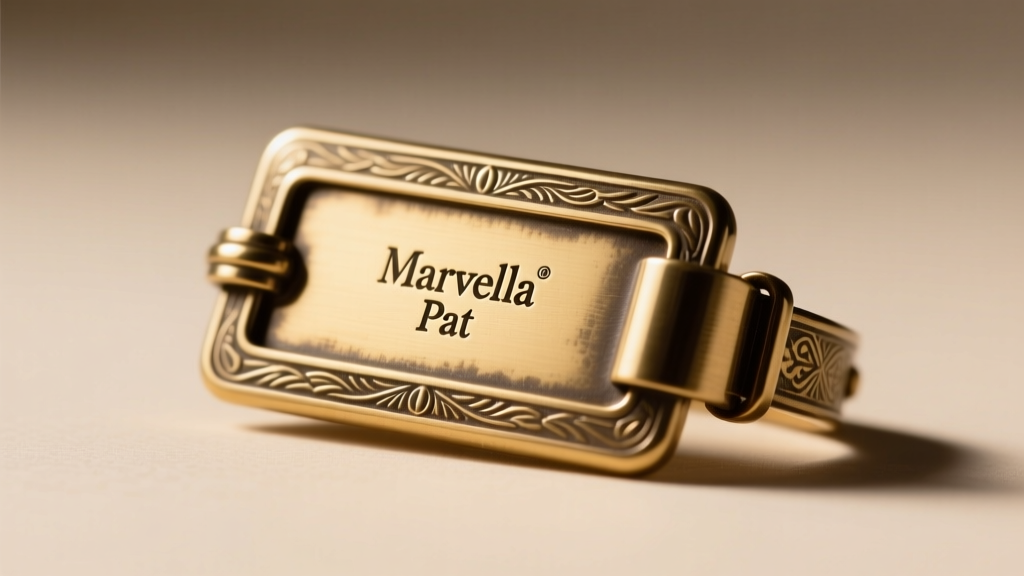
Authentication begins with the hardware. According to the Lang Antiques Antique Jewelry University, Weinreich was meticulous about patenting his designs and marking his jewelry. Identifying the correct hallmark is your first line of defense against counterfeit or misattributed pieces.
The Evolution of Marvella Signatures
- Early Era (1910s–1930s): Pieces from this era are rare and often feature the mark 'Weinreich' or 'Marvella Pat'd'. The clasps are typically simple barrel clasps or early trombone push-pull clasps without safety chains.
- Mid-Century Golden Age (1940s–1960s): This is the most highly sought-after period. Look for the stamp 'Marvella' or 'Marvella Pat'd' on the fold-over safety clasps. Many clasps from this era are embellished with marquis-cut rhinestones or feature a distinct textured gold-tone finish.
- Late Era (1970s–1980s): After the company was sold to Monet in the late 1960s, markings shifted. You may see 'Marvella' alongside Monet marks, or simpler, less ornate clasps. While still beautiful, these generally command lower prices than the mid-century originals.
Assessing the Cores: Glass vs. Mother-of-Pearl
Not all vintage Marvella pearls are created equal. The brand utilized two primary core materials, which significantly affect the necklace's weight, drape, and value. Understanding the difference is crucial when evaluating a piece in person or requesting detailed photos from an online seller.
| Feature | Glass Core Pearls | Shell (Mother-of-Pearl) Core Pearls |
|---|---|---|
| Weight | Heavier, substantial drape | Lighter, mimics natural pearl weight |
| Coating Adhesion | Prone to flaking if dropped | Excellent adhesion, highly durable |
| Luster Depth | High surface shine, less depth | Deep, glowing orient similar to real pearls |
| Collector Value | Moderate | Premium (Highly coveted by collectors) |
Marvella's early 'essence d'orient' coating was famously derived from guanine crystals found in fish scales, suspended in lacquer. When applied over a mother-of-pearl bead, the result was a simulated pearl with an astonishingly realistic luster. When shopping, gently feel the temperature of the pearls; glass cores will feel noticeably colder to the touch than shell cores.
Condition Checklist: What to Inspect Before Buying
Condition is the primary driver of value for any vintage Marvella pearl necklace. Simulated pearls are inherently more fragile than gemstones, and decades of wear can take a toll. Use this expert checklist before finalizing your purchase.
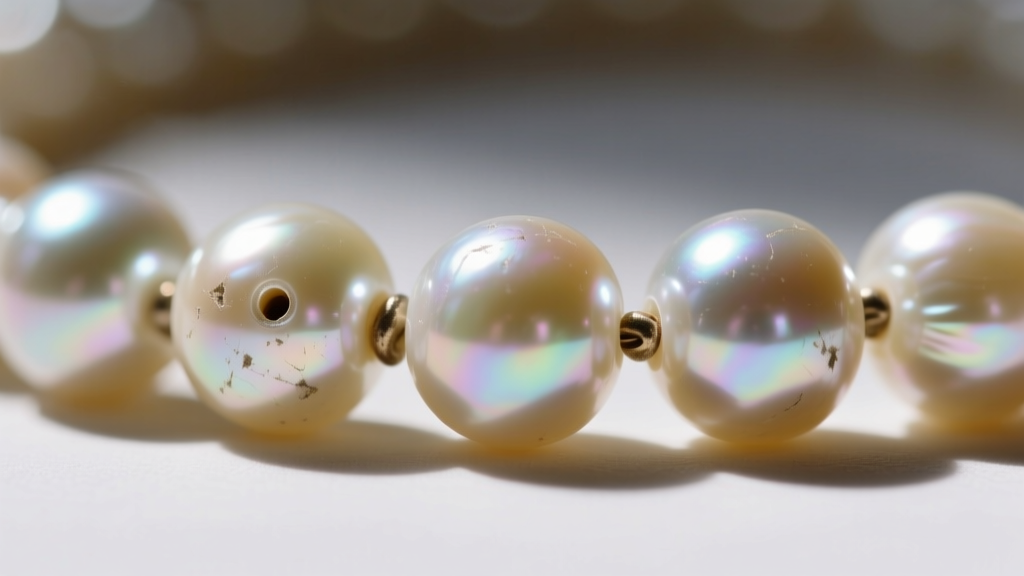
1. Inspect for Coating Flakes and 'Bald Spots'
Examine the pearls closely, especially near the drill holes. Friction from the stringing material and adjacent pearls often causes the pearlescent coating to wear away, revealing the dull glass or shell core beneath. While minor wear near the clasp is acceptable, widespread flaking or 'bald spots' on the front-facing pearls drastically reduces the necklace's value and should be avoided.
2. Check for Yellowing and Discoloration
Early organic coatings can yellow over time, particularly if exposed to nicotine, heavy perfumes, or improper storage. A slight cream or ivory tint is normal for vintage pieces, but a harsh, uneven yellowing indicates chemical degradation of the lacquer. As noted by Invaluable's Guide to Costume Jewelry Marks, severe discoloration is generally irreversible and serves as a major red flag for collectors.
3. Evaluate the Stringing Material
Authentic vintage Marvella necklaces were typically strung on silk thread with individual knots between each pearl. If the necklace is strung on modern nylon, wire, or lacks knots entirely, it has likely been restrung. While restringing isn't inherently bad—and can actually make the piece safer to wear—it does diminish the 'all-original' premium that serious collectors pay. Always ask the seller if the piece has been professionally restrung.
2026 Market Pricing and Valuation Guide
The vintage jewelry market has seen significant shifts, with high-quality costume pieces appreciating as fine jewelry prices continue to climb. Below is a realistic pricing framework for vintage Marvella pearl necklaces in the current market, assuming excellent condition with original hardware.
- Single Strand (16-18 inches, standard glass core): $45 – $95
- Single Strand (Shell core, rhinestone clasp): $120 – $220
- Multi-Strand Chokers (3+ strands, elaborate clasps): $250 – $450
- Rare Parure Sets (Necklace, bracelet, clip earrings): $400 – $800+
Pro-Tip for Buyers: Do not overpay for pieces with replaced clasps. A Marvella necklace featuring a modern lobster claw clasp has lost a significant portion of its historical integrity and should be priced at the lower end of the spectrum, regardless of the pearls' condition.
Styling and Care for Vintage Simulated Pearls
Once you have secured your vintage Marvella pearl necklace, proper care is essential to preserve the delicate coating. Never use ultrasonic cleaners, harsh chemicals, or commercial jewelry dips. These will strip the pearlescent finish instantly.
Instead, wipe the pearls gently with a soft, slightly damp microfiber cloth after each wear to remove body oils and cosmetics. Store the necklace flat in a soft pouch; hanging vintage silk-strung pearls can stretch the thread over time, leading to dangerous gaps and potential breakage.
Styling-wise, a vintage Marvella piece offers unparalleled versatility. A classic 18-inch single strand pairs beautifully with a modern silk blouse or a cashmere turtleneck, bridging the gap between mid-century sophistication and contemporary minimalism. For evening wear, a multi-strand Marvella choker with a diamanté clasp serves as a stunning focal point that requires no additional jewelry.
Final Thoughts on Collecting Marvella
Investing in a vintage Marvella pearl necklace is an exercise in appreciating lost artisanal techniques. The brand's commitment to simulating the deep, glowing orient of natural pearls resulted in costume jewelry that has outlasted trends and continues to captivate collectors today. By carefully examining the hallmarks, assessing the core materials, and rigorously checking the condition of the coating, you can confidently acquire a piece of mid-century luxury that will remain a cornerstone of your jewelry wardrobe for decades to come.


