Evaluating a Vintage Pearl Choker Necklace: Value & Budget Guide
Learn how to appraise a vintage pearl choker necklace. Discover pricing tiers, hidden restringing costs, and how to spot overpriced fakes.

The Allure and Market Reality of Vintage Pearl Chokers
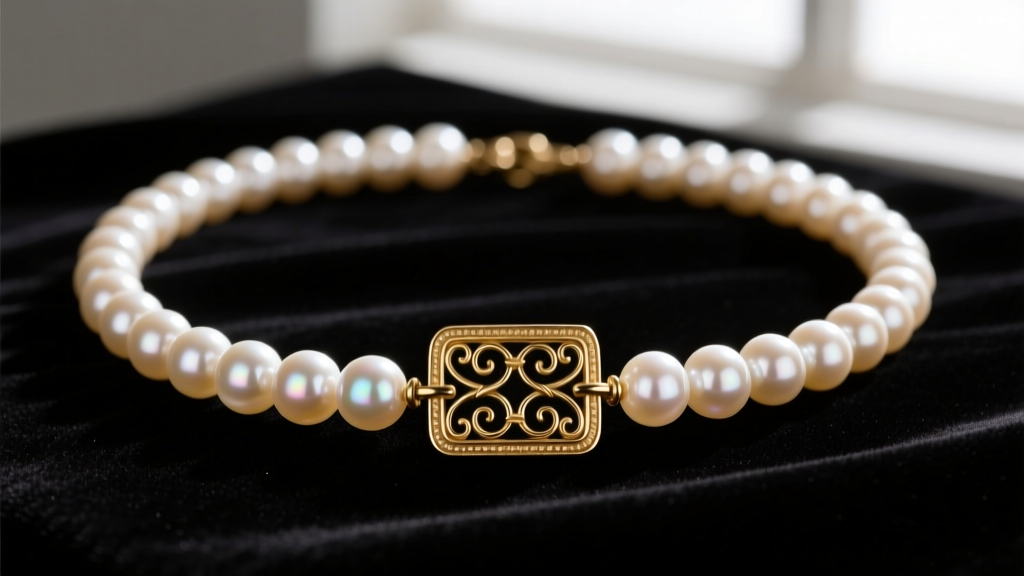
The vintage pearl choker necklace remains a cornerstone of classic elegance, evoking the refined aesthetics of the 1950s and the timeless grace of style icons like Audrey Hepburn. However, navigating estate sales, auction houses, and online vintage boutiques requires a sharp eye and a solid understanding of gemology. The secondary market is currently flooded with overpriced imitation strands, degraded silk, and misrepresented pearl types. For the budget-conscious collector, distinguishing between a genuine mid-century treasure and an overpriced costume piece is the difference between a brilliant investment and a costly mistake.
As a domain expert in vintage jewelry appraisal, I have evaluated thousands of pearl strands. This guide breaks down the exact metrics, material grades, and hidden costs you must consider when assessing the true market value of a vintage pearl choker necklace in today's market.
Decoding Pearl Types: What You Are Actually Paying For
Not all pearls are created equal, and the era in which a choker was manufactured heavily dictates the type of pearl used. Understanding these categories is your first step in budget assessment.
1. Vintage Akoya Cultured Pearls (The Gold Standard)
Originating primarily from Japan, Akoya pearls are the quintessential vintage choker pearl. Produced from the 1930s through the 1980s, these saltwater pearls are renowned for their mirror-like luster and perfectly round shapes. A standard vintage Akoya choker ranges from 6.0mm to 8.5mm in diameter. High-quality vintage Akoyas possess a nacre thickness of at least 0.4mm. If you see a chalky, dull appearance or a visible striping effect beneath the surface (known as "blinkers"), the nacre is dangerously thin, drastically reducing the value.
2. Vintage Freshwater Pearls (The Budget Alternative)
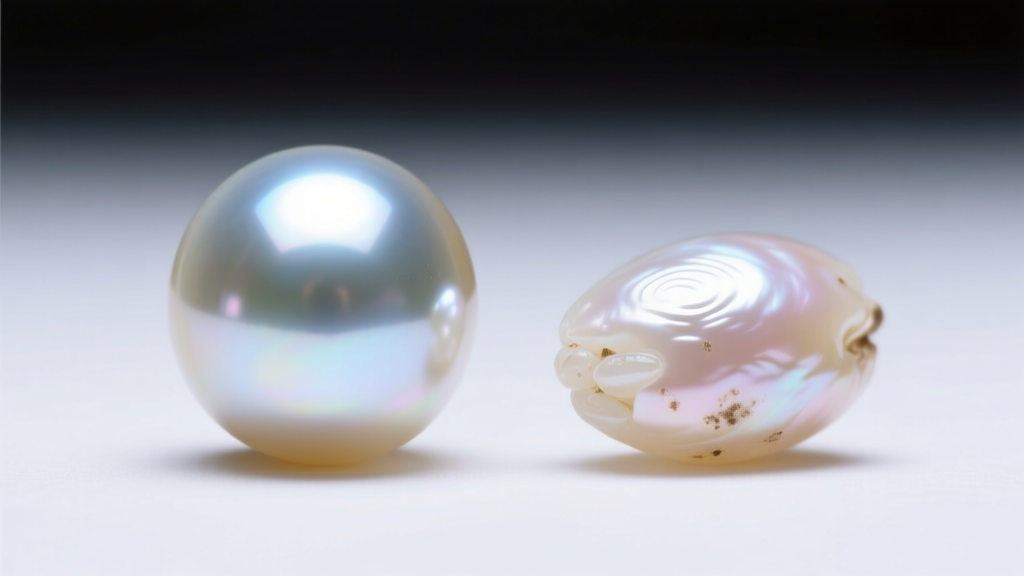
During the 1970s and 1980s, freshwater pearls from Lake Biwa in Japan and later from China flooded the market. Unlike Akoyas, these were often non-nucleated, resulting in solid nacre but irregular "rice" or "potato" shapes. While they lack the perfect spherical geometry of Akoyas, high-grade vintage Biwa pearls exhibit incredible, deep luster. They are an excellent budget-friendly option, provided the asking price reflects their non-round morphology.
3. Faux and Imitation Pearls (The Red Flag)
The most common overpriced items in the vintage market are faux pearls. Brands like Majorica created high-end imitations using glass beads coated with guanine (crystalline fish scale extract). While beautiful, they possess zero intrinsic gemological value. Plastic-coated beads from the mid-century are even less valuable. You should never pay premium vintage prices for synthetic materials.
The 5-Point Value Assessment Checklist
When holding a potential purchase, run it through this rigorous 5-point checklist to determine its fair market value. According to the GIA Pearl Quality Factors, luster is the most critical indicator of a pearl's worth.
- Luster: Look for sharp, distinct reflections on the pearl's surface. High-luster Akoyas will reflect the window frames or light sources in the room clearly.
- Surface Quality: Minor blemishes (pinpricks or slight ridges) are acceptable in vintage pieces and prove natural origin, but deep cracks or chalky spots indicate structural failure.
- Matching: A true vintage choker should have uniform color, overtone, and size. A strand with noticeable size graduation is likely a repurposed necklace, not an original factory-matched choker.
- Nacre Integrity: Inspect the drill holes. If you see peeling or flaking near the hole, the pearl is either faux or has severely degraded nacre.
- Clasp and Hallmarks: Authentic vintage luxury chokers feature 14k or 18k gold clasps. Look for stamps like "14k", "585", or "750". Base metal or plastic clasps on supposedly "luxury" pearls are an immediate dealbreaker.
Market Value Matrix: Pricing Tiers for a 16-Inch Vintage Choker
| Pearl Type | Typical Era | Nacre / Luster Quality | Fair Market Value (Good Condition) | Budget Verdict |
|---|---|---|---|---|
| Akoya (7-8mm) | 1950s-1970s | Thick nacre, mirror luster | $450 - $1,200+ | Premium Investment |
| Akoya (6-6.5mm) | 1980s-1990s | Medium nacre, good luster | $250 - $500 | Great Everyday Value |
| Biwa Freshwater | 1970s-1980s | Solid nacre, irregular shape | $120 - $300 | Budget Collector's Pick |
| Majorica (Faux) | 1960s-Present | Flawless surface, glass core | $40 - $90 | Costume Wear Only |
Hidden Costs: The Restringing Reality
One of the most common mistakes budget buyers make is ignoring the condition of the stringing material. Vintage pearl necklaces are strung on 100% silk thread, which degrades, stretches, and rots over decades due to skin oils and environmental humidity. According to GIA Pearl Care Guidelines, silk should be replaced annually if worn frequently, meaning almost every true vintage choker will require immediate restringing.
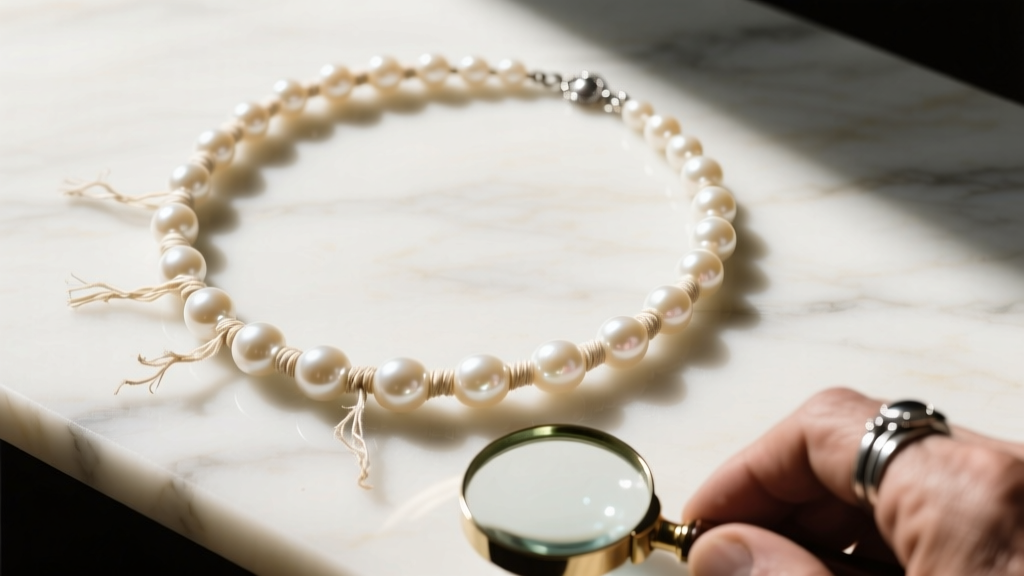
When assessing a budget, you must factor in professional restringing costs. Jewelers typically charge between $5.00 and $9.00 per inch for hand-knotting. For a standard 16-inch choker, expect to pay $80 to $144 for restringing. Furthermore, check the "French wire" (or gimp)—the tiny coiled metal spring that protects the silk from rubbing against the metal clasp. If this is frayed or missing, it must be replaced with fine silver or gold-filled coil during the restringing process. If you are buying a $300 vintage Akoya strand that requires $120 in immediate restringing, your true acquisition cost is $420.
Red Flags: Spotting Overpriced Synthetics
Sellers often misidentify or intentionally obscure the origins of imitation pearls. Here is how to protect your budget from deceptive listings:
"The 'Tooth Test' remains the most reliable field method for pearl identification. Gently rub the pearl against the biting edge of your front tooth. Genuine cultured pearls will feel distinctly gritty or sandy due to their crystalline aragonite structure, while glass or plastic imitations will feel perfectly smooth."
Additionally, inspect the drill holes under a jeweler's loupe or macro lens. Genuine pearls will have sharp, clean drill holes. Faux pearls often show rounded, melted edges around the hole where the plastic or glass coating has chipped away, revealing the base material underneath. If a vintage choker features perfectly uniform pearls with zero surface blemishes, identical drill holes, and a heavy, cold feel, you are likely holding a glass-bead imitation.
Final Verdict: Building a Budget-Friendly Vintage Collection
Acquiring a genuine vintage pearl choker necklace is an exercise in patience and gemological scrutiny. To maximize your budget, target 1970s 6.5mm Akoya strands or high-luster Biwa freshwater pieces, which often fly under the radar of high-end auction houses. Always verify the clasp hallmarks, perform the tooth test, and negotiate the price down by estimating the inevitable cost of professional silk restringing. By focusing on nacre integrity and luster rather than brand names, you can secure a breathtaking piece of mid-century history without overpaying for degraded or synthetic imitations.


