Vintage Red Bead Necklace: The Ultimate Occasion Gift Guide
Discover how to choose, authenticate, and gift the perfect vintage red bead necklace for any occasion, from Art Deco coral to Mid-Century Bakelite.

Why a Vintage Red Bead Necklace is the Ultimate Gift
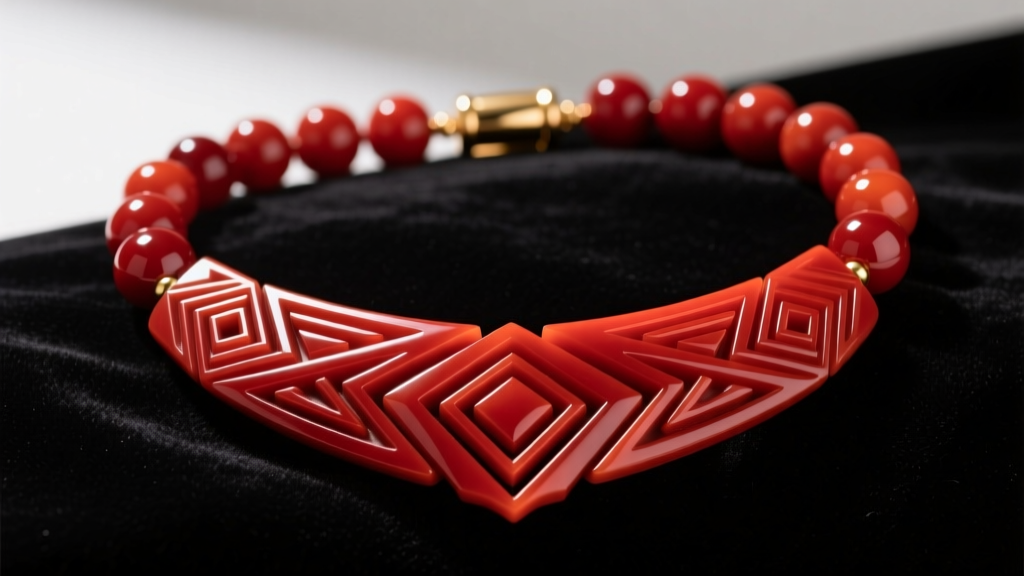
As we navigate the 2026 gifting season, the shift toward circular fashion and sustainable luxury has elevated antique and vintage jewelry to the top of discerning wishlists. Among the most coveted pieces is the vintage red bead necklace. Red is universally recognized as the color of passion, vitality, and deep affection, making it an emotionally resonant gift for anniversaries, milestone birthdays, and romantic holidays. Unlike mass-produced contemporary jewelry, a vintage piece carries historical weight, unique craftsmanship, and an inherent sustainability that modern buyers deeply value.
However, gifting vintage jewelry requires a nuanced understanding of materials, eras, and condition. A cherry-red Bakelite choker from the 1930s sends a very different message than a multi-strand carnelian matinee from the Victorian era. This guide will equip you with the gemological and historical expertise needed to select, authenticate, and present the perfect vintage red bead necklace for your recipient.
Decoding the Red: Materials and Eras
The term "red bead" encompasses a vast array of materials, each with distinct physical properties, care requirements, and historical contexts. Understanding these differences is critical for matching the necklace to the recipient's lifestyle.
Carnelian and Garnet: The Ancient & Victorian Reds
Carnelian, a reddish-orange variety of chalcedony, has been used in beadwork for millennia. According to the GIA's Carnelian Guide, this stone ranks 6.5 to 7 on the Mohs hardness scale, making it exceptionally durable for daily wear. Victorian-era carnelian necklaces often feature graduated beads with intricate silver or gold filigree clasps. Garnet beads, particularly the deep red pyrope variety, were also immensely popular in the 19th century, often cut into faceted rondelles to catch the candlelight.
Red Coral: The Organic Treasure
Genuine red coral (Corallium rubrum) was a staple of 1920s to 1950s fashion, prized for its opaque, matte finish and organic origin. However, coral is highly porous and ranks only 3.5 on the Mohs scale. It is sensitive to acids, perfumes, and even prolonged skin contact. Furthermore, due to modern environmental protections, the Gemological Institute of America (GIA) notes that coral is heavily regulated. Gifting a vintage coral necklace is not only a luxurious gesture but an environmentally conscious one, as it bypasses the need for modern harvesting.
Bakelite and Lucite: The Mid-Century Plastics
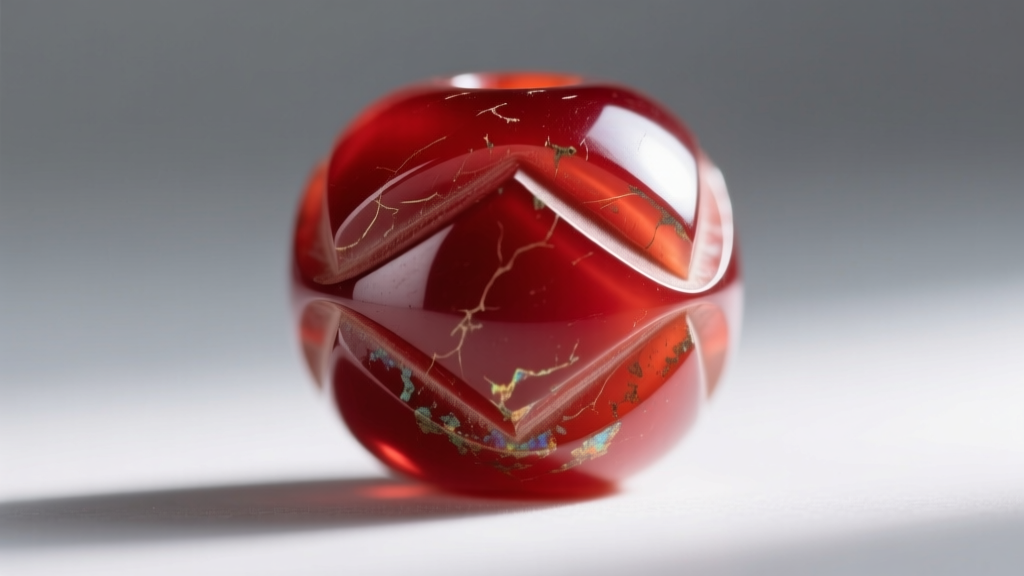
For the lover of bold, Art Deco, or Mid-Century modern aesthetics, vintage red plastic beads are highly collectible. Bakelite, the first synthetic plastic invented in 1907, was heavily used in the 1930s for carved "cherry red" or "applejuice" beads. Lucite followed in the 1940s and 50s, offering greater clarity and the ability to embed glitter or reverse-carved designs. These pieces are lightweight, making them ideal for statement necklaces that won't strain the neck.
Occasion Matching: Which Era Fits the Event?
Matching the historical era and material of the necklace to the specific gifting occasion ensures your present feels deeply personal and appropriate. Below is a strategic framework for occasion matching in the current market.
| Era & Material | Style Profile | Best Gifting Occasion | 2026 Market Price Range |
|---|---|---|---|
| Victorian (Carnelian/Garnet) | Romantic, ornate, graduated strands | Anniversaries, Valentine's Day, Heirloom Gifts | $400 - $1,200+ |
| Art Deco (Coral/Bakelite) | Geometric, bold, high-contrast | Milestone Birthdays, Fashion-Forward Graduations | $300 - $2,500 (Coral) |
| Mid-Century (Lucite/Murano) | Playful, chunky, colorful, artistic | Holidays, "Just Because", Creative Professionals | $150 - $600 |
| 1980s (Dichroic Glass/Resin) | Maximalist, avant-garde, layered | Fashion Students, Trend-Setting Friends | $80 - $250 |
Authentication and Condition: A Buyer’s Checklist
The vintage jewelry market is rife with reproductions. When sourcing a vintage red bead necklace, you must verify both the material and the condition of the structural components. The Victoria and Albert Museum emphasizes that examining the clasp and stringing is just as important as examining the beads themselves.
- The Clasp Test: Pre-1940s necklaces typically feature simple barrel clasps or screw-in cylinder clasps. If the piece claims to be from the 1920s but features a modern lobster claw clasp, it has either been restrung or is a reproduction. Push-in clasps with figure-eight safety catches became standard in the 1950s.
- The Bakelite Hot Water Test: To authenticate red Bakelite, run the bead under hot tap water for 15 seconds. Genuine Bakelite will emit a distinct, sharp camphor or formaldehyde smell. Alternatively, a Q-tip dipped in Simichrome polish rubbed on an inconspicuous area will turn bright yellow if it is true Bakelite.
- Stringing Integrity: Vintage beads were often strung on silk thread, which degrades over time. Check the spaces between the beads; if the thread is stretched, frayed, or stiff, the necklace will need to be professionally restrung. Factor a $50–$100 restringing cost into your gifting budget.
- Coral Verification: Genuine red coral will feel slightly warm to the touch compared to glass or plastic. Under a jeweler's loupe, you should see subtle organic growth rings or wood-grain-like striations, whereas glass will show perfectly smooth surfaces or molded swirl marks.
Sizing, Layering, and Presentation
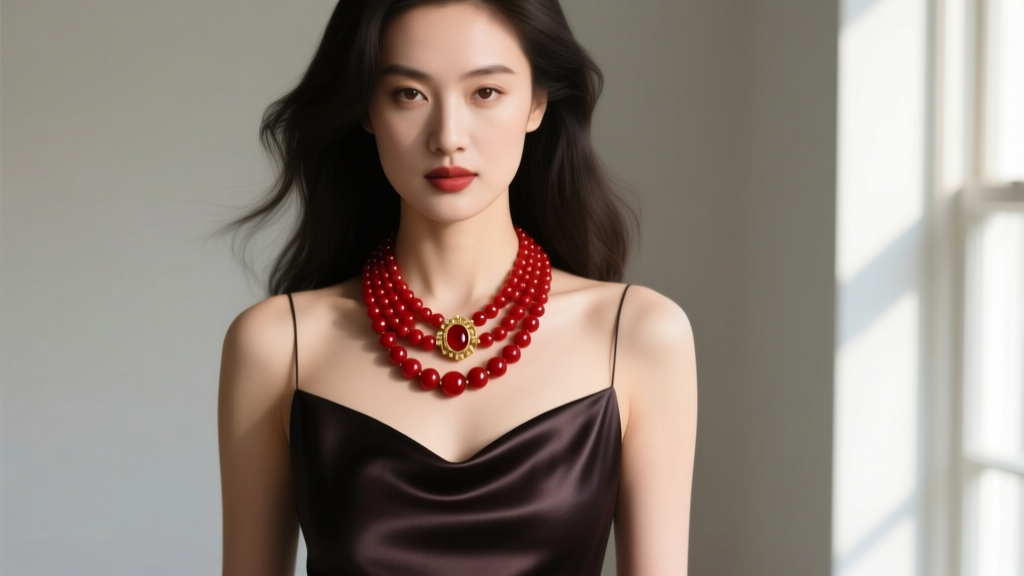
A necklace is only as good as its fit. Vintage necklaces often come in standard historical lengths: the 15-inch choker, the 18-inch princess, and the 24-inch matinee. If you are gifting a 16-inch Art Deco coral choker, ensure your recipient favors high-necked blouses or open collars, as chokers sit snugly against the base of the throat. For a versatile, foolproof gift, opt for an 18-inch or 20-inch carnelian strand, which rests perfectly on the collarbone and accommodates almost any neckline.
The Art of the Reveal
Presentation elevates a vintage gift from a simple transaction to a curated experience. Never gift vintage jewelry in a modern, synthetic velvet box that traps moisture. Instead, present the necklace in an archival-quality, acid-free jewelry box lined with unbleached cotton or anti-tarnish flannel. Include a handwritten provenance card detailing the estimated decade of origin, the specific material (e.g., "1930s Carved Cherry Red Bakelite"), and brief care instructions—such as keeping coral away from perfume and wiping Bakelite with a dry microfiber cloth. This level of detail demonstrates profound thoughtfulness and cements your reputation as an exceptional gift-giver.


