Vintage Sarah Cov Necklace Buying Guide: What to Look For
Discover our expert 2026 buying guide for vintage Sarah Cov necklaces. Learn to authenticate hallmarks, spot damage, and value rare costume pieces.

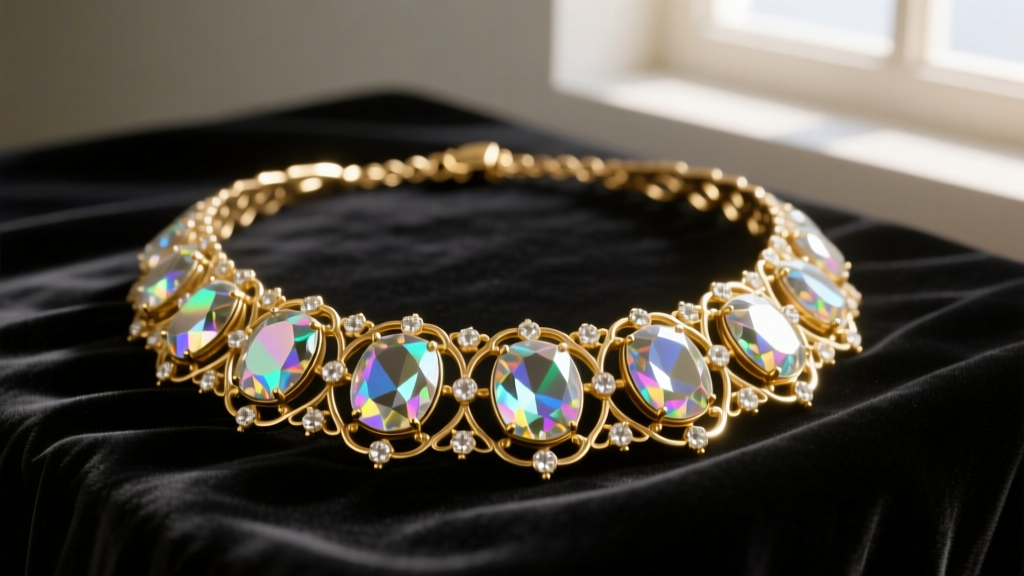
The Allure of the Vintage Sarah Cov Necklace
If you have spent any time scouring estate sales, antique malls, or online vintage markets in 2026, you have likely encountered the search term "Sarah Cov necklace." This popular shorthand refers to the iconic Sarah Coventry brand, a titan of mid-century costume jewelry. Founded in 1949 by Charles H. Stuart and named after his granddaughter, Sarah Coventry pioneered the home-party direct-sales model, bringing high-quality, accessible glamour directly into American living rooms. Though the original company ceased its primary operations in the early 1980s, the secondary market for these pieces remains fiercely competitive.
Collectors and stylists alike covet Sarah Coventry necklaces for their substantial weight, innovative clasp mechanisms, and brilliant use of Aurora Borealis (AB) glass stones. However, buying vintage costume jewelry requires a trained eye. Unlike fine jewelry, which is valued primarily by its raw material weight, a vintage Sarah Coventry necklace is valued by its condition, rarity, and structural integrity. This comprehensive buying guide will equip you with the exact specifications, hallmark identifiers, and failure modes you need to know before adding a piece to your collection.
Decoding the Hallmarks: Authentication Guide
The first step in evaluating any Sarah Cov necklace is locating and interpreting the maker's mark. Because the company produced millions of pieces over several decades, their hallmarks evolved. Authenticating these marks is crucial, as the brand's popularity has led to an influx of counterfeit and misattributed pieces in the modern market.
| Hallmark Stamp | Era of Use | Key Characteristics |
|---|---|---|
| Sarah Coventry | 1949 – Mid-1950s | Found on the earliest pieces; often stamped in a simple block font on a rectangular cartouche. |
| Sarah Cov | Mid-1950s – 1980s | The most common mark. Often accompanied by a copyright symbol (©) post-1955. |
| SC | 1960s – 1970s | An abbreviated mark used on smaller clasps or delicate chain links where space was limited. |
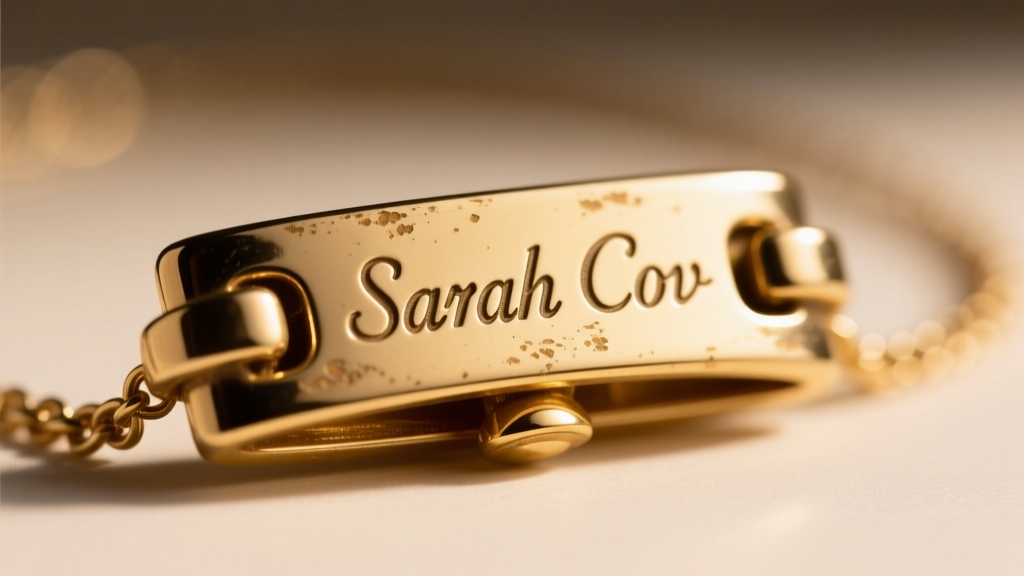
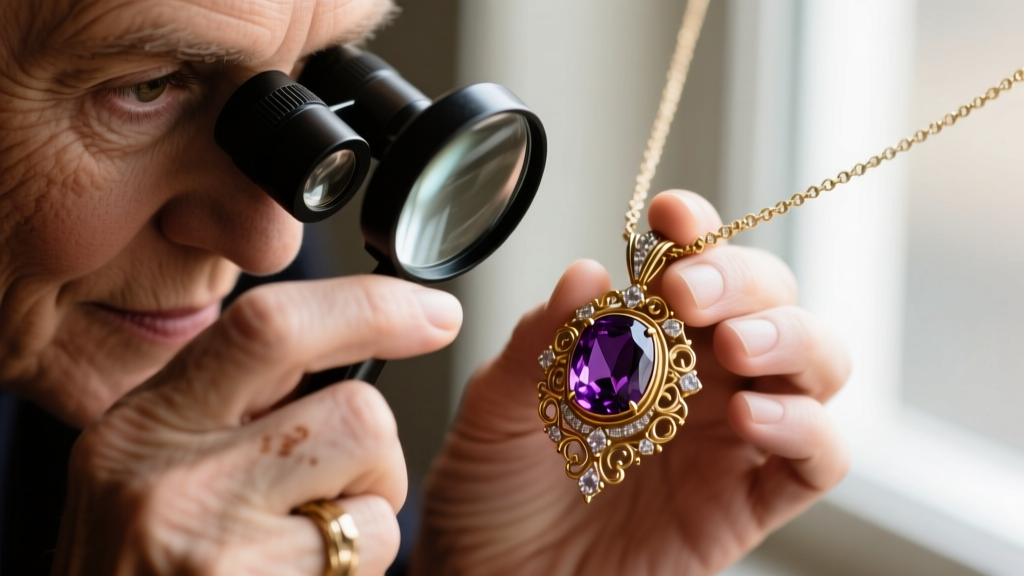
According to the archives at Costume Jewelry Collectors International (CJCI), the introduction of the copyright symbol (©) in 1955 was a watershed moment for the brand, allowing them to legally protect their intricate, nature-inspired motifs from being copied by competitors. When inspecting a necklace, always use a jeweler's loupe to check the back of the clasp or the reverse side of the primary pendant for these stamps. A missing hallmark does not automatically mean a piece is fake—early production runs occasionally missed the stamping die—but it does require you to authenticate the piece based on its hardware and stone settings.
Material Composition and Craftsmanship
Sarah Coventry positioned itself a tier above standard drugstore costume jewelry. They utilized heavy base metals (often brass or high-quality pot metal) and applied thick layers of gold-tone or rhodium plating. This is why many Sarah Cov necklaces from the 1960s still retain their brilliant luster today, provided they were stored correctly.
The Aurora Borealis (AB) Phenomenon
In the late 1950s and throughout the 1960s, Sarah Coventry heavily incorporated Aurora Borealis glass rhinestones. Originally developed by Swarovski in 1955, the AB finish is created by vaporizing metallic salts onto the surface of the glass, creating a mesmerizing, iridescent rainbow effect. When evaluating a Sarah Cov AB necklace, look for stones that flash with vibrant blues, pinks, and golds under direct light. Dull or uniformly clear stones indicate heavy wear or poor-quality replacements.
Faux Pearls and Cabochons
The brand was also renowned for its faux pearls, which were crafted from glass beads dipped in a high-quality pearlescent coating derived from fish scales and lacquer. While beautiful, these pearls are highly susceptible to environmental damage.
Critical Failure Modes: What to Inspect
When browsing listings on platforms like Ruby Lane or Etsy, high-resolution photos are your best defense against buying damaged goods. Here are the specific failure modes you must investigate before clicking "buy":
- Dead Rhinestones (Foil Degradation): Most vintage rhinestones rely on a delicate metallic foil backing to reflect light. If moisture penetrates the prong setting, the foil oxidizes and turns black or gray, rendering the stone "dead." Hold the necklace flat under a bright LED light; if a stone looks dark or muddy compared to its neighbors, the foil is compromised.
- Brass Bleed and Greenware: Inspect the high-friction areas of the necklace, particularly the fold-over clasps, jump rings, and the back of the pendant where it rests against the skin. If you see a yellowish or greenish hue bleeding through the gold-tone plating, the base metal is exposed. This cannot be polished away and will require professional re-plating.
- Pearl Balding: Run your fingers gently over any faux pearls. If you feel ridges, chips, or notice a clear glass bead showing through the pearlescent coating, the pearls are "balding." This damage is irreversible and significantly lowers the resale value of the piece.
- Clasp Spring Fatigue: Sarah Coventry frequently used fold-over clasps and barrel clasps. Over decades of use, the internal metal springs can lose their tension. A clasp that does not snap shut with a firm, audible click is a liability and will need to be replaced by a jeweler.
2026 Market Pricing and Valuation Guide
The vintage jewelry market has seen significant shifts over the last few years, with mid-century costume pieces appreciating as they become harder to find in pristine condition. Below is a realistic pricing framework for Sarah Cov necklaces in the current 2026 market.
| Necklace Style | Condition Grade | Estimated Market Value (USD) |
|---|---|---|
| Simple Gold-Tone Chains / Small Pendants | Good to Excellent | $15 – $40 |
| Faux Pearl Chokers / Collars | Very Good (No balding) | $45 – $95 |
| AB Rhinestone Statement Collars | Excellent (All stones alive) | $85 – $180 |
| Rare Parure Sets (Necklace + Earrings + Brooch) | Mint / With Original Box | $250 – $650+ |
Collector's Tip: A "parure" is a complete, matching set of jewelry. Finding a Sarah Coventry necklace that still retains its original matching clip-on earrings and brooch is incredibly rare and commands a massive premium among serious collectors.
Cleaning and Maintenance Protocols
Once you have secured your vintage Sarah Cov necklace, proper maintenance is vital to preserve its value. The most common mistake new collectors make is using modern ultrasonic cleaners or harsh chemical dips. Never put a vintage rhinestone or faux pearl necklace in an ultrasonic cleaner. The high-frequency vibrations will shatter the delicate glue holding the stones in their prongs, and the chemicals will instantly strip the pearlescent coating off faux pearls.
Instead, use a dry, ultra-soft microfiber cloth to gently buff the gold-tone metal. For stubborn dirt trapped in the prong settings, use a soft-bristled makeup brush or a cotton swab lightly dampened with distilled water—never tap water, as the minerals and chlorine can degrade the foil backing. Always store your necklaces flat in a climate-controlled environment, ideally with anti-tarnish strips and silica gel packets to absorb ambient moisture.
The Ultimate Pre-Purchase Checklist
Before finalizing your next vintage acquisition, run through this rapid-fire checklist to ensure you are getting a genuine, structurally sound piece:
- Verify the hallmark (Sarah Coventry, Sarah Cov, or SC) and check for the © symbol on post-1955 pieces.
- Tilt the necklace under a direct light source to ensure all rhinestones are "alive" and flashing, with no dead or gray stones.
- Inspect the back of the clasp and pendant for brass bleed or green corrosion.
- Test the clasp mechanism to ensure it snaps shut securely without slipping.
- Examine the prongs holding the stones; they should be tight against the glass, not bent outward or missing.
- Check faux pearls for smooth, unchipped coatings.
By understanding the history, materials, and specific vulnerabilities of these mid-century treasures, you can confidently navigate the vintage market. A well-chosen Sarah Cov necklace is not just a beautiful accessory; it is a wearable piece of American design history that will continue to elevate your wardrobe for decades to come.


