Gifting a Vintage White Bead Necklace: 2026 Occasion Guide
Discover how to choose, authenticate, and gift a vintage white bead necklace for any occasion. Expert tips on materials, pricing, and care.

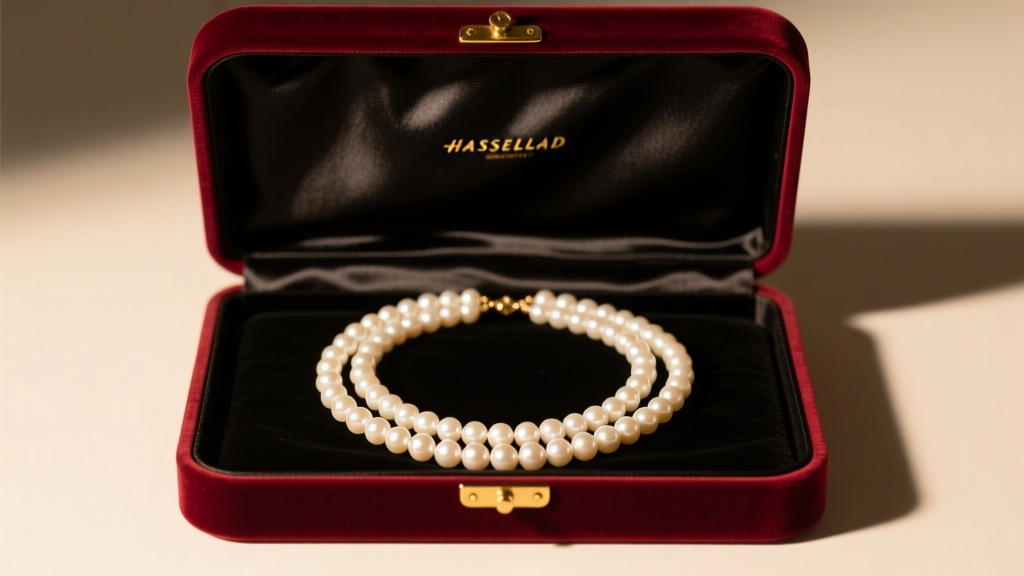
The Enduring Allure of the Vintage White Bead Necklace
In the ever-shifting landscape of jewelry trends, the vintage white bead necklace remains a cornerstone of timeless elegance. As we navigate the 2026 gifting season, collectors and style enthusiasts alike are turning away from mass-produced contemporary pieces, seeking instead the historical weight, unique patina, and unparalleled craftsmanship of vintage strands. Whether composed of luminous cultured pearls, hand-painted French glass, or early synthetic marvels like celluloid, a vintage white bead necklace is not merely an accessory; it is a wearable artifact.
However, gifting vintage jewelry requires a discerning eye. Unlike purchasing a modern piece from a boutique, buying vintage demands an understanding of material degradation, historical manufacturing techniques, and authentication protocols. This comprehensive guide will equip you with the expertise needed to select, authenticate, and gift the perfect vintage white bead necklace for any milestone occasion.
Decoding Materials: What Exactly Are Those White Beads?
The term "white bead" is a broad categorization that encompasses a vast spectrum of materials, each with distinct value propositions, care requirements, and historical contexts. Before making a purchase, it is critical to identify the exact composition of the beads.
Cultured Pearls vs. Glass vs. Synthetics
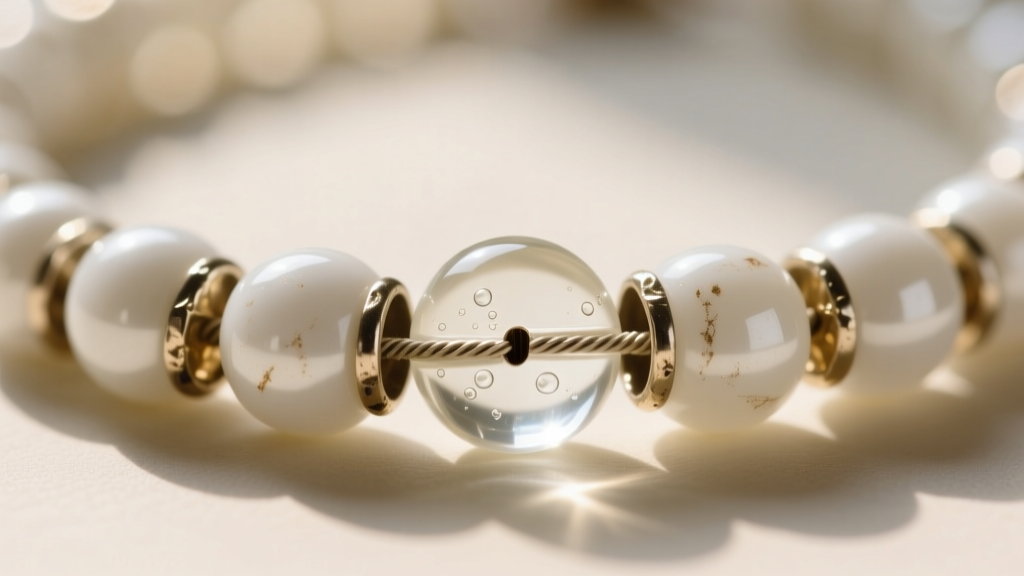
The most coveted vintage white beads are naturally Akoya or freshwater cultured pearls, particularly those from the mid-20th century. These beads boast a deep, mirror-like luster and a distinct "tooth" when rubbed gently against the enamel of your teeth. Conversely, vintage French glass beads—often manufactured in the 1920s and 30s—feature a painted or foil-backed interior that gives them a heavy, luminous glow, though they lack the organic nacreous overtones of real pearls.
Early plastics, such as celluloid and Bakelite, were also fashioned into white beads. While less valuable than pearls, high-quality vintage celluloid strands are highly sought after by costume jewelry collectors for their historical significance. Beware of "Majorica" pearls; while beautiful, these are simulated pearls (glass cores coated in a fish-scale derivative) and should be priced accordingly.
| Material Type | Era / Origin | Identification Clues | Price Range (16-18 inch strand) |
|---|---|---|---|
| Natural Saltwater Pearl | Pre-1920s / Global | X-ray required; irregular drill holes | $3,000 - $15,000+ |
| Akoya Cultured Pearl | 1950s-1980s / Japan | Sharp luster, rose/cream overtones, gritty tooth test | $400 - $1,800 |
| French Glass Bead | 1920s-1950s / France | Seam lines visible under loupe, foil backing | $80 - $350 |
| Celluloid | 1900s-1930s / Global | Warm to touch, faint camphor smell when rubbed | $50 - $150 |
| Majorica (Simulated) | 1950s-Present / Spain | Perfectly round, smooth tooth test, uniform drill holes | $40 - $120 |
Occasion Matching: Gifting the Perfect Strand
Matching the material and style of the vintage white bead necklace to the recipient's milestone ensures the gift resonates on a personal level. Here is a strategic framework for occasion-based gifting.
The Bridal & Wedding Gift
For weddings, provenance and permanence are key. A mid-century Japanese Akoya pearl strand (7mm to 8.5mm) is the quintessential bridal gift. Look for strands featuring a 14k or 18k white gold clasp with a safety chain. The creamy overtones of vintage Akoya pearls complement modern bridal silhouettes far better than the stark, bleached whites of some contemporary, heavily processed pearls.
Milestone Anniversaries & Graduations
For a 30th anniversary or a university graduation, consider a multi-strand vintage white bead necklace. A three-strand twisted pearl or glass bead choker from the 1980s offers a bold, sophisticated statement that transitions seamlessly from boardroom to evening wear. These pieces often feature elaborate, gem-set barrel clasps that serve as a secondary focal point.
The Fashion-Forward Collector
If the recipient is a trend-conscious collector, bypass traditional pearls and hunt for a 1920s Art Deco French glass bead sautoir (a long, opera-length or rope-length necklace). These can be looped multiple times or worn with a tassel drop, offering versatile styling options that align with the current 2026 resurgence of Roaring Twenties aesthetics.

Authentication & Inspection: Avoiding Costly Mistakes
The vintage jewelry market is fraught with misidentified pieces. Relying solely on a seller's description is a recipe for disappointment. As an informed buyer, you must conduct a rigorous physical or high-resolution visual inspection.
The Drill Hole & UV Light Tests
According to the Gemological Institute of America (GIA), examining the drill hole is one of the most reliable methods for identifying bead composition. Use a 10x jeweler's loupe to inspect the holes. Cultured pearls will show a sharp, clean edge where the nacre meets the nucleus, often with slight chipping if the strand is heavily worn. Glass beads will reveal a smooth, rounded edge, sometimes with a visible seam line where the glass mold met. Simulated pearls often show peeling or flaking of the coating around the drill hole edges.
Furthermore, utilize a long-wave UV light. Natural and cultured pearls typically exhibit a soft, milky blue or yellowish fluorescence, whereas glass and plastic beads will either remain inert or glow with the harsh, synthetic colors of modern optical brighteners.
Clasp and Thread Evaluation
The hardware tells the story of the necklace's age. A "trombone" clasp (a push-pull mechanism resembling the musical instrument) strongly indicates a European origin from the late 19th to mid-20th century. Barrel clasps with safety chains became standard in the mid-century American market. If a piece advertised as "1920s antique" features a modern lobster claw clasp, it has either been altered or is an outright reproduction.
Equally important is the stringing material. As noted by experts at Antique Jewelry University, vintage pearls should be knotted on silk thread with "French wire" (a delicate coiled metal gimp) protecting the silk where it meets the metal clasp. If a vintage strand is strung on unknotted monofilament wire, it has been improperly restored, significantly increasing the risk of catastrophic failure and bead loss.
Care & Maintenance: Preserving the Gift
Gifting a vintage piece comes with the responsibility of educating the recipient on proper preservation. Vintage white beads are highly susceptible to environmental and chemical damage.
Expert Warning on Silk Degradation: Human skin acidity and cosmetic chemicals rapidly degrade vintage silk thread. If the necklace is worn frequently, it must be professionally restrung every 3 to 5 years. Never pull a vintage strand; if you see gaps between the knots and the beads, the silk has stretched and is at imminent risk of snapping.
- Chemical Avoidance: Perfumes, hairsprays, and lotions will permanently dull the luster of porous pearls and degrade the painted coatings on glass beads. Always enforce the "last on, first off" rule.
- Storage Protocols: Never store a vintage white bead necklace in an airtight plastic bag. Pearls require ambient moisture to prevent the nacre from cracking and yellowing. Store them flat in a breathable, acid-free linen pouch.
- Cleaning Restrictions: Never use ultrasonic cleaners or steamers on any vintage bead necklace. The vibrations can shatter fragile glass and strip the nacre from thin-skinned pearls. Wipe gently with a damp, lint-free microfiber cloth after each wear.
Where to Source Authentic Vintage Pieces in 2026
Sourcing requires navigating platforms that offer robust buyer protections and vetted sellers. While estate sales and local antique malls offer the thrill of the hunt, they lack authentication guarantees. For high-value purchases, reputable digital marketplaces like 1stDibs and Ruby Lane enforce strict seller vetting processes, requiring accurate material disclosures and high-resolution macro photography.
When purchasing on broader platforms like Etsy, filter strictly for "Vintage" and scrutinize the seller's return policy. A reputable vintage dealer will always offer a minimum 14-day return window to allow you to have the piece evaluated by an independent gemologist. Finally, ensure that any antique pieces containing organic materials like ivory or tortoiseshell comply with CITES regulations, though for white bead necklaces, focusing on pearl, glass, and ethical synthetics remains the safest and most sustainable route for modern gifting.


