The Beginner's Guide to Buying a Vintage Whiting and Davis Necklace
Discover how to identify, price, and care for a vintage Whiting and Davis necklace. Your beginner-friendly guide to Art Deco mesh jewelry.

The Allure of Vintage Mesh Jewelry
When most collectors hear the name Whiting & Davis, they immediately picture the iconic metal mesh handbags that defined 1920s flapper fashion. However, the company’s jewelry division produced some of the most innovative, wearable, and highly collectible accessories of the 20th century. For beginners stepping into the world of antique and vintage jewelry, a vintage Whiting and Davis necklace offers a perfect entry point. These pieces bridge the gap between costume jewelry and fine antique pieces, offering incredible craftsmanship, historical significance, and a distinct liquid-metal drape that modern manufacturing simply cannot replicate.
Founded in 1876 by William Whiting and Charles Davis, the company revolutionized the jewelry industry by inventing machines that could weave fine metal wires into flexible mesh. According to the Whiting & Davis Heritage Archive, this technological breakthrough allowed them to mass-produce intricate mesh fabrics that were previously only possible through painstaking hand-weaving. Today, finding a genuine Whiting and Davis necklace in good condition is a thrilling treasure hunt. This guide will walk you through the specific mesh types, authentication markers, market pricing, and essential care protocols you need to know before making your first purchase.
Decoding the Mesh: Types of W&D Necklaces
Not all mesh is created equal. Whiting & Davis utilized several distinct weaving techniques and finishing processes between the 1910s and the 1950s. Understanding these variations is critical for evaluating both the aesthetic appeal and the structural integrity of a vintage piece.
Flat Mesh and Art Deco Geometry
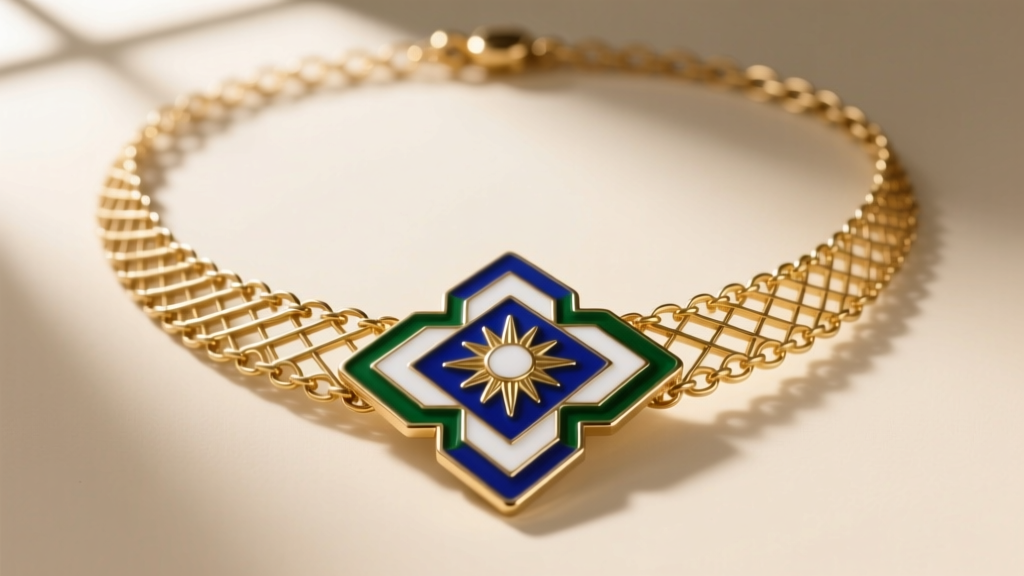
Flat mesh is the most recognizable style from the brand's 1920s and 1930s catalog. It features a smooth, almost fabric-like surface created by tightly interlocking flat metal rings. This style was frequently used as a foundation for Art Deco pendants featuring bold geometric shapes, onyx inlays, or vibrant guilloché-style enamel. Flat mesh necklaces are highly prized for their sleek, modernist look and their ability to lay perfectly flat against the collarbone.
Dresden Mesh: The Pinnacle of Enamel Artistry
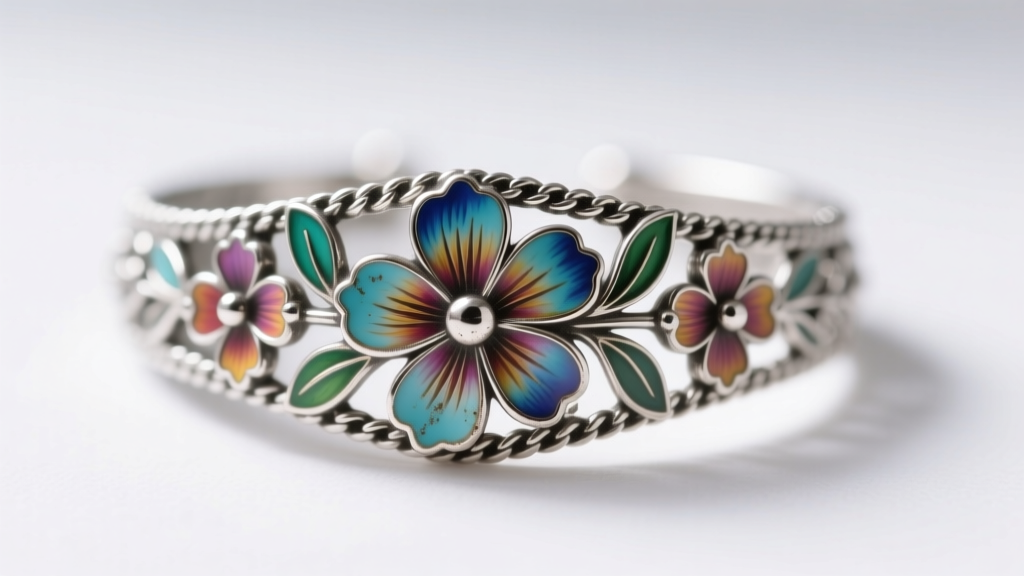
Dresden mesh represents the most delicate and valuable category of Whiting & Davis jewelry. This technique involved applying hand-painted, fired enamel directly onto the fine steel or brass mesh. The results were stunning, miniature pastoral scenes, floral motifs, or Egyptian Revival designs that seemed to float on a shimmering metal canvas. Because the enamel is baked onto individual tiny rings, Dresden mesh is notoriously fragile; bending the necklace too sharply can cause the enamel to crack or pop off.
Armor and Bead Mesh Variations
As fashion shifted in the late 1930s and 1940s, the brand introduced 'Armor Mesh,' which featured larger, interlocking, shield-like rings that provided a heavier, more structured drape. Concurrently, 'Bead Mesh' was developed, weaving tiny, spherical metal beads together to create a textured, granular surface that caught the light beautifully. These later styles are often found in choker lengths and are highly sought after by collectors of mid-century costume jewelry.
Authentication: Spotting a Genuine Piece
The vintage market is flooded with unmarked mesh jewelry from rival companies like Mandalian or generic European manufacturers. To ensure you are buying an authentic Whiting and Davis necklace, you must examine the hardware, the stamp, and the physical behavior of the mesh.
- The Hallmark Stamp: Look closely at the clasp and any decorative end-caps. Authentic pieces will typically be stamped with 'W&D', 'Whiting & Davis', 'Whiting & Davis Co.', or simply 'Mesh' inside a small rectangular cartouche. Early 1920s pieces sometimes feature a tiny, soldered metal hangtag rather than a direct stamp on the clasp.
- Clasp Mechanisms: The Lang Antique Jewelry University notes that hardware is a primary indicator of age. W&D frequently used specialized barrel clasps, fold-over safety clasps, and early spring-ring mechanisms. The solder joints connecting the clasp to the mesh should be clean and flush; messy, blob-like solder is a red flag for a later, amateur repair.
- The 'Liquid' Drape Test: Genuine W&D mesh was woven from high-tensile brass or steel wire and plated in 10k gold, silver, or rhodium. When held by one end, an authentic necklace will cascade downward with a heavy, fluid motion, resembling liquid metal. Stiff, kinked, or overly lightweight mesh usually indicates a modern reproduction or a piece that has suffered severe internal wire breakage.
Market Value and Pricing Guide
Pricing for vintage mesh jewelry varies wildly based on the mesh type, the presence of enamel, and the overall condition. Below is a current market breakdown to help you negotiate and evaluate listings.
| Necklace Style | Era | Condition Factors | Estimated Price Range (USD) |
|---|---|---|---|
| Simple Flat Mesh Choker (No Pendant) | 1930s-1940s | Good plating, minor wear, functional clasp | $45 - $85 |
| Art Deco Flat Mesh with Geometric Pendant | 1920s | Intact enamel, clear stamps, no rust | $120 - $250 |
| Dresden Mesh Pendant (Floral/Pastoral) | 1920s | Flawless enamel, no missing rings, original tag | $300 - $650+ |
| Egyptian Revival Armor Mesh Collar | 1930s | Rare motif, heavy drape, excellent patina | $400 - $900+ |
Note: Pieces featuring semi-precious stone cabochons (like carved jade or onyx) or those with documented provenance from major estate sales will command a significant premium over these baseline ranges.
How to Style Vintage Mesh for Modern Wardrobes
One of the greatest advantages of a Whiting and Davis necklace is its surprising versatility. While these pieces were originally designed to complement the dropped waists and silk chemises of the Jazz Age, they integrate seamlessly into contemporary styling.

Mastering the Layering Technique
Metal mesh provides a fantastic textural contrast when layered with modern chains. Try pairing a 16-inch silver-tone W&D flat mesh choker with a delicate 18-inch modern gold box chain and a 20-inch thick Cuban link. The juxtaposition of the vintage micro-mesh against solid, modern links creates a curated, editorial look. Because vintage mesh is relatively heavy, always ensure your accompanying modern chains are sturdy enough to prevent tangling and uneven weight distribution.
Neckline Pairings
Mesh necklaces, particularly those with Dresden enamel pendants, shine best against solid, unpatterned fabrics. A deep V-neckline in a matte fabric like crepe or heavy silk allows the reflective quality of the metal mesh to take center stage. Avoid wearing intricate mesh collars over lace or heavily sequined garments, as the metal rings can easily snag on loose threads, potentially unraveling both your clothing and the vintage jewelry.
Care and Maintenance: Preventing Tarnish and Snags
The most common failure mode for vintage mesh jewelry is catastrophic rusting. Because the core wire is often made of steel or untreated brass beneath a thin layer of gold or silver plating, moisture is the ultimate enemy. Once water penetrates the microscopic gaps between the rings, rust forms from the inside out, eventually causing the wires to snap.
The Golden Rules of Mesh Care
- Never Use Ultrasonic Cleaners: The high-frequency vibrations will shatter Dresden enamel and loosen the delicate solder joints at the clasp.
- Avoid Liquid Polishes: Chemical dips and liquid silver polishes can strip the original gold wash or rhodium plating, leaving you with a dull, brassy base metal. Furthermore, liquid can become trapped in the mesh weave, leading to delayed rusting.
- Dry Cleaning Only: To clean your necklace, lay it flat on a microfiber cloth. Use a brand-new, extra-soft makeup brush to gently sweep away dust and skin oils from the crevices. If the piece requires polishing, use a dry, treated silver-polishing cloth, lightly dabbing the surface without pulling or stretching the mesh.
- Proper Storage: Never store a heavy mesh necklace by hanging it on a standard jewelry hook for long periods; the constant gravitational pull can stretch the interlocking rings and weaken the clasp solder. Instead, store the necklace flat in an anti-tarnish flannel pouch, layered between acid-free tissue paper to prevent friction.
Final Thoughts on Building Your Collection
Acquiring a vintage Whiting and Davis necklace is more than just a fashion choice; it is an act of historical preservation. These pieces represent a unique intersection of industrial innovation and high artistry. By understanding the nuances of mesh types, rigorously checking authentication markers, and committing to strict, moisture-free care protocols, you can ensure that your vintage mesh jewelry remains a stunning, wearable artifact for decades to come. Whether you are drawn to the bold geometry of Art Deco flat mesh or the romantic, painted landscapes of Dresden enamel, the hunt for the perfect piece is a deeply rewarding journey into the golden age of American costume jewelry.


