Walter Van Beirendonck Necklace Value & Market Guide 2026
Evaluate the investment value of a Walter Van Beirendonck necklace. Discover 2026 pricing tiers, material breakdowns, and archival authentication tips.

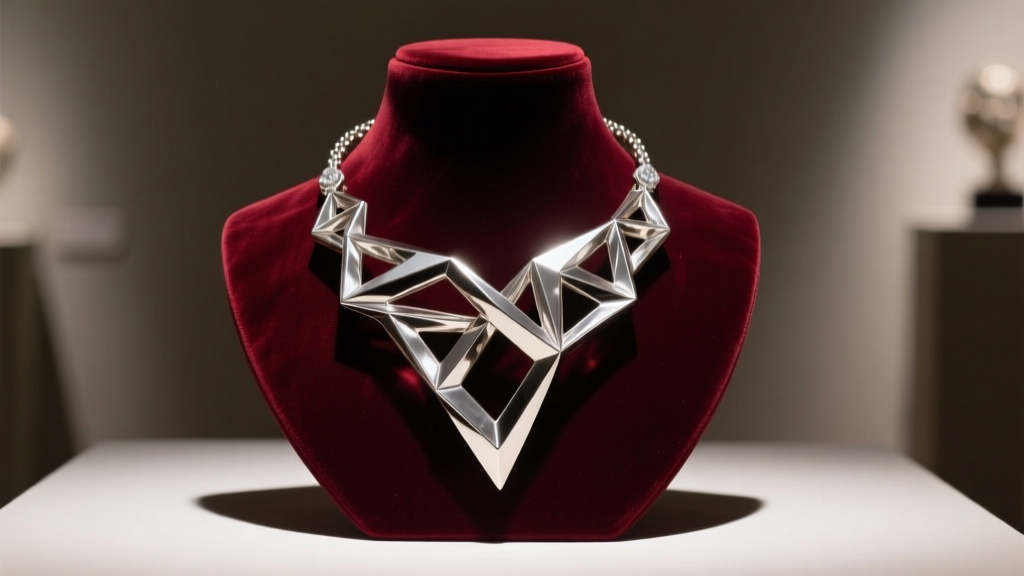
The Archival Allure of WVB Jewelry
Walter Van Beirendonck, a founding member of the legendary Antwerp Six, has spent decades blurring the lines between high fashion, tribal art, and futuristic sculpture. While his avant-garde garments are celebrated in museums worldwide, his jewelry—particularly his necklaces and collars—has quietly become one of the most fiercely contested categories in the archival fashion market. As we navigate the 2026 landscape, a Walter Van Beirendonck necklace is no longer just a runway accessory; it is a highly liquid, wearable asset. However, assessing the true budget and value of these pieces requires a deep understanding of unconventional materials, era-specific hallmarks, and the structural failure modes unique to his designs.
Unlike traditional fine jewelry, where value is heavily tethered to gemstone carat weight and precious metal melt value, WVB necklaces derive their premium from design provenance, material innovation, and scarcity. According to the MoMu Fashion Museum Antwerp, the preservation of mixed-media fashion artifacts is a growing priority, highlighting the historical significance of pieces that utilize early 3D printing and laser-cut acrylics. This guide breaks down exactly what you are paying for in the secondary market and how to evaluate a WVB necklace like an seasoned archivist.
The Material Reality: What Are You Actually Buying?
To accurately assess a Walter Van Beirendonck necklace, you must first decode its material composition. WVB rarely relies on traditional gold and diamond pairings. Instead, his material palette is a deliberate clash of the organic and the synthetic.
Laser-Cut Acrylic and Resin
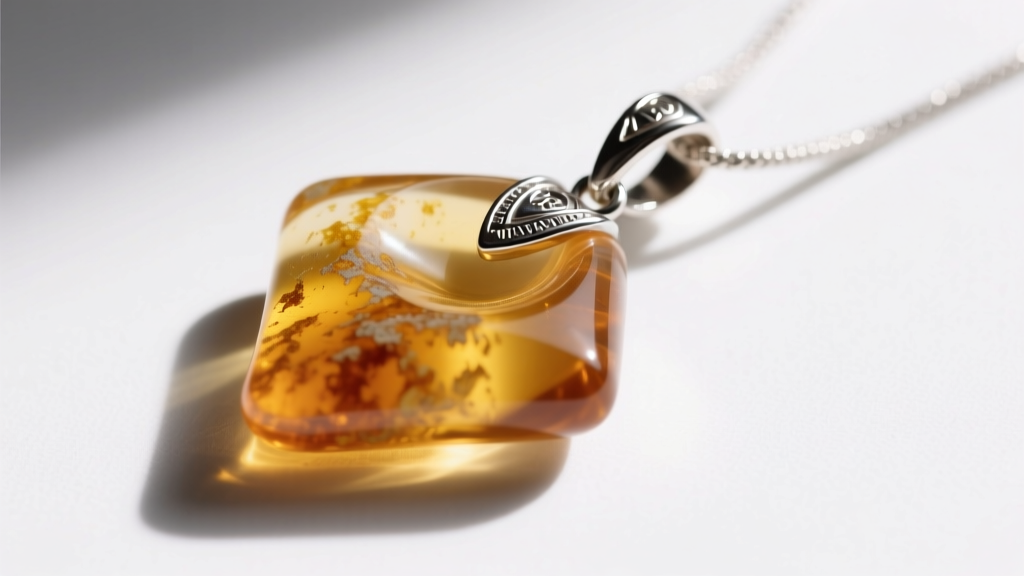
Prominent in his 1990s and early 2000s collections, neon and transparent acrylics are highly sought after but come with specific vulnerabilities. Early archival acrylics are prone to UV degradation. When inspecting a vintage piece, look for micro-fractures around the drill holes where the chain connects to the pendant. A slight amber yellowing in clear resin is expected and can actually serve as a proxy for authenticity, but deep structural cracking significantly diminishes the value.
3D-Printed Polyamide (SLS Nylon)
In the 2010s, WVB embraced Selective Laser Sintering (SLS) to create complex, interlocking geometric collars that would be impossible to cast in metal. While polyamide is incredibly durable against impacts, it is highly porous. Failure mode alert: polyamide absorbs skin oils and sweat over time, which can lead to a permanent darkening of the material at the posterior clasp area. A pristine, unyellowed white nylon collar commands a 30% premium over one with visible oil staining.
Sterling Silver and Gold Vermeil
When WVB uses metal, it is often heavily textured, oxidized sterling silver or thick gold vermeil over brass. The value here lies in the artisan silversmithing. Look for the weight distribution; authentic WVB silver collars are engineered to sit flush against the clavicle without choking the wearer, requiring complex, articulated hinge work that mass-market fakes simply cannot replicate.
2026 Market Pricing Tiers for WVB Necklaces
The secondary market for archival fashion jewelry has matured significantly. Based on recent auction data and platforms like Vestiaire Collective, we can categorize the current market value of a Walter Van Beirendonck necklace into three distinct tiers.
| Era / Collection Focus | Primary Materials | Condition Expectations | 2026 Market Value (USD) |
|---|---|---|---|
| 1990s W< Era (Wild and Lethal Trash) | Neon Resin, Base Metals, Acrylic | High wear, UV yellowing, rare survivors | $1,800 - $4,500+ |
| 2000s-2010s Runway Sculptural | Sterling Silver, Enamel, Polyamide | Moderate wear, enamel chips possible | $850 - $2,200 |
| 2020s Contemporary Menswear | Gold Vermeil, 3D Printed Nylon | Excellent, minimal structural fatigue | $400 - $950 |
Note: Pieces with direct runway provenance or celebrity styling history (e.g., worn by David Bowie or featured in prominent editorial spreads) can exceed these estimates by 50% to 100%.
Authentication: Spotting Fakes in the Archival Market
As the value of avant-garde jewelry rises, so does the sophistication of counterfeits. Authenticating a Walter Van Beirendonck necklace requires looking beyond the obvious branding.
- Hallmark Placement: Authentic silver pieces will feature a stamped hallmark, often reading 'WVB', 'ANTWERP', or the mark of the specific Belgian silversmith atelier that produced the run. Fakes often laser-engrave these marks superficially, whereas authentic stamps are deeply and cleanly pressed.
- Weight and Density: WVB's acrylic and resin pieces are engineered to be lightweight to prevent neck strain. If a supposedly 'resin' pendant feels dense, heavy, or cold to the touch like glass or cheap pot metal, it is a red flag.
- Clasp Engineering: The clasps on WVB collars are often custom-machined. Look for heavy-duty spring rings or custom magnetic locks with a satisfying, precise click. Fakes frequently substitute these with flimsy, generic lobster clasps that ruin the silhouette.
Maintenance Costs and Storage Realities
Budgeting for a WVB necklace doesn't end at the purchase price. Proper maintenance is critical to preserving your investment. Resin and acrylic pieces must be stored in UV-blocking archival boxes; prolonged exposure to sunlight will permanently bleach neon pigments and warp the structural integrity of the plastic. Polyamide pieces should be gently cleaned with a soft, dry microfiber cloth—never use liquid solvents or ultrasonic cleaners, as these will degrade the porous nylon matrix.
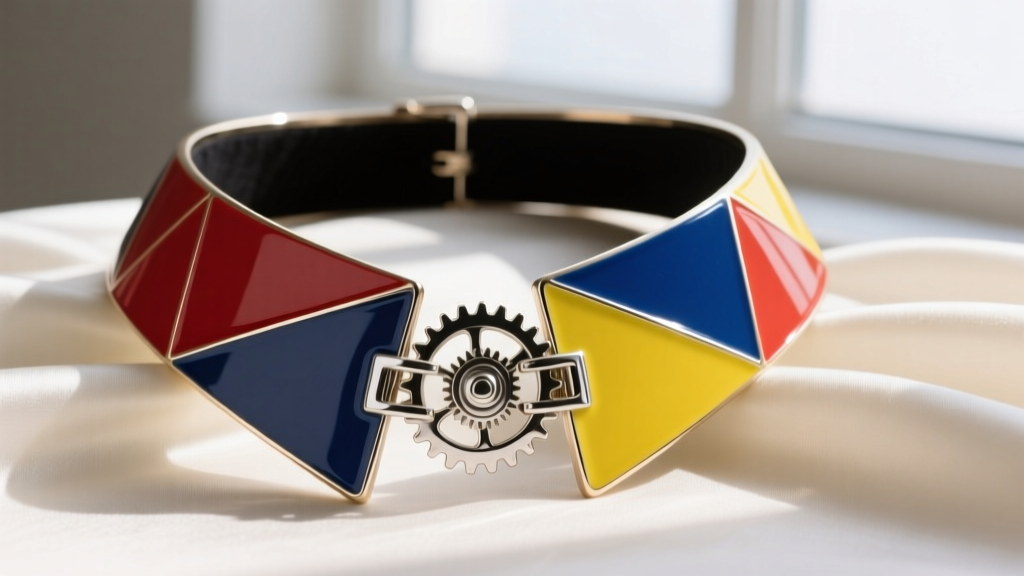
For sterling silver and enamel pieces, expect to budget roughly $50 to $120 every few years for professional conservation if the piece is worn regularly. Enamel, especially on the high-friction edges of geometric pendants, is prone to micro-chipping. A skilled jeweler can stabilize these chips, but prevention via careful styling (avoiding heavy layering that causes metal-on-enamel friction) is the most cost-effective strategy.
Styling Sculptural Silhouettes
From a stylistic perspective, a Walter Van Beirendonck necklace is a standalone statement. Because these pieces feature aggressive, sculptural silhouettes, they require specific neckline pairings to avoid visual clutter. Deep V-necks, structured turtlenecks, and minimalist crewnecks provide the necessary negative space. Avoid wearing WVB collars over ruffled blouses or complex patterned garments; the necklace should act as the architectural focal point of the outfit, not compete with it.
The Final Investment Verdict
Is a Walter Van Beirendonck necklace worth the premium in 2026? Absolutely, provided you are buying for design provenance rather than intrinsic material value. The archival fashion market has proven remarkably resilient, and WVB's most experimental jewelry pieces continue to appreciate as museums and private collectors hoard the remaining supply of his 1990s and 2000s mixed-media work. By prioritizing structural integrity, verifying hallmarks, and committing to proper UV-safe storage, you can confidently acquire a piece of wearable art that holds both cultural and financial weight.


