Wearing Rosary Necklace Styles: 2026 Trend Analysis
Discover the 2026 trends for wearing rosary necklace styles. Learn layering techniques, material grades, and respectful styling for secular fashion.

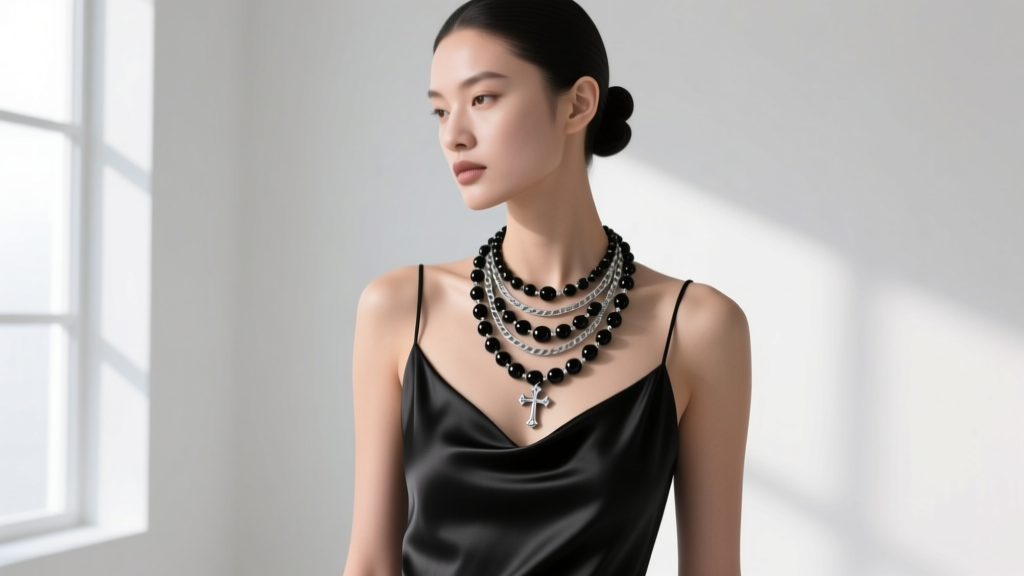
The Evolution of Sacred Jewelry in Secular Fashion
The intersection of sacred artifacts and secular fashion has always been a provocative and deeply expressive space. In 2026, the trend of wearing rosary necklace designs has evolved far beyond the punk-rock rebellion of the 1980s or the pop-star shock value of the early 2000s. Today, the aesthetic is defined by "heritage gothic" and "quiet luxury," where the rosary is appreciated for its intricate rhythm, structural drape, and historical weight. When wearing rosary necklace pieces in a modern context, the focus has shifted toward high-quality materials, intentional layering, and a deep respect for the craftsmanship of liturgical jewelry.
Historically, the rosary is a devotional tool consisting of five "decades" (sets of ten beads) separated by larger marker beads, culminating in a crucifix or religious medal. In the contemporary jewelry market, designers are adapting this structure into 18-inch to 24-inch fashion pieces. The rhythmic alternation of textures—smooth gemstone beads interrupted by metallic links—creates a visual cadence that standard chain necklaces simply cannot replicate. According to The Met's "Heavenly Bodies" exhibition, religious iconography has long served as a profound source of inspiration for haute couture, and this trickles down to everyday wearable art.
Anatomy of a Fashion Rosary: Gauges and Materials
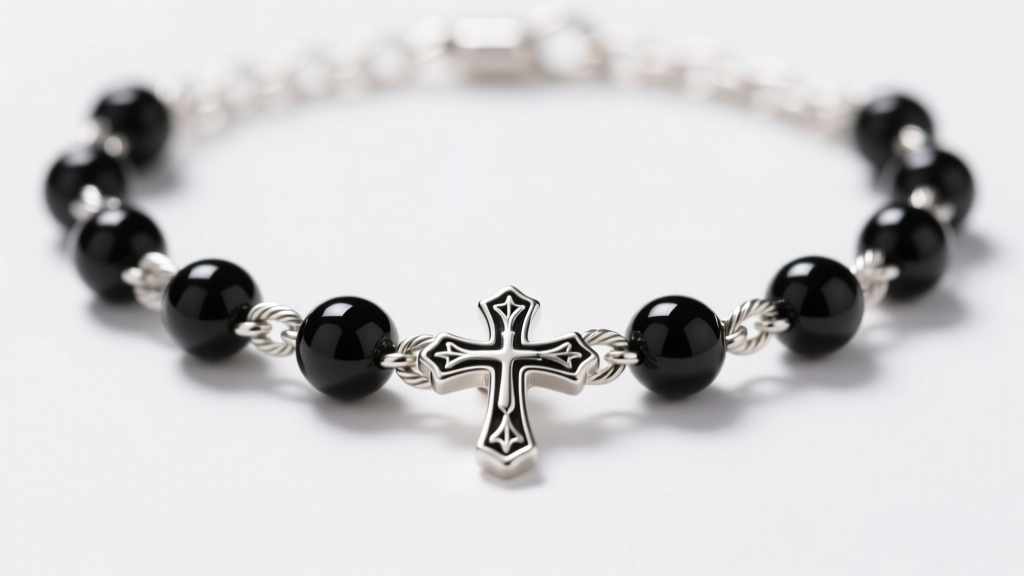
To evaluate the quality of a rosary necklace, one must look past the pendant and examine the chain gauge and bead composition. Fast-fashion alternatives often use 0.8mm wire-wrapped glass beads that kink and snap under minimal tension. High-end contemporary rosaries, however, utilize robust chainmaille techniques and genuine semi-precious stones.
Chain Gauge and Tensile Strength
The chain connecting the beads must balance delicacy with durability. A 1.2mm cable chain offers a vintage, fragile aesthetic but is prone to stretching if the pendant exceeds 15 grams. For everyday wear, a 1.5mm to 2.0mm rolo or curb chain is the industry standard. These gauges provide enough structural integrity to support heavier gemstone beads without compromising the fluid drape required for the necklace to lay flat against the sternum.
Gemstone Bead Composition
The beads themselves dictate the weight, drape, and price point of the piece. According to the Gemological Institute of America (GIA), materials like black onyx (Mohs hardness of 7) are highly resistant to scratching, making them ideal for beads that will constantly click against one another. Below is a breakdown of popular 2026 materials used in premium rosary necklaces.
| Material | Mohs Hardness | Price Range (USD) | Best Styling Application |
|---|---|---|---|
| Matte Black Onyx | 7.0 | $120 - $250 | Edgy, minimalist, masculine/unisex layering |
| Natural Lapis Lazuli | 5.5 - 6.0 | $180 - $400 | Rich, royal aesthetics; pairs well with 18k gold |
| Freshwater Pearl | 2.5 - 3.0 | $90 - $300 | Soft, romantic, "quiet luxury" evening wear |
| Swarovski Crystal | 6.0 - 7.0 | $60 - $150 | High-refraction, editorial, avant-garde styling |
Note: Lapis lazuli requires special care. As noted in the GIA's Lapis Lazuli guide, its calcite matrix makes it vulnerable to acidic cleaners and prolonged water exposure, meaning it should be removed before swimming or showering.
Clasp and Finding Mechanics
A frequently overlooked aspect of wearing rosary necklace designs is the clasp. Traditional devotional rosaries are often endless loops or feature simple wire hooks. In fine jewelry, the clasp must secure a heavy pendant while remaining unobtrusive. Spring ring clasfs are inadequate for chains thicker than 1.5mm or pendants over 10 grams. Instead, look for lobster clasfs with a reinforced jump ring, or a seamlessly integrated toggle clasp that acts as a secondary decorative element at the nape of the neck.
2026 Layering Frameworks for Rosary Necklaces
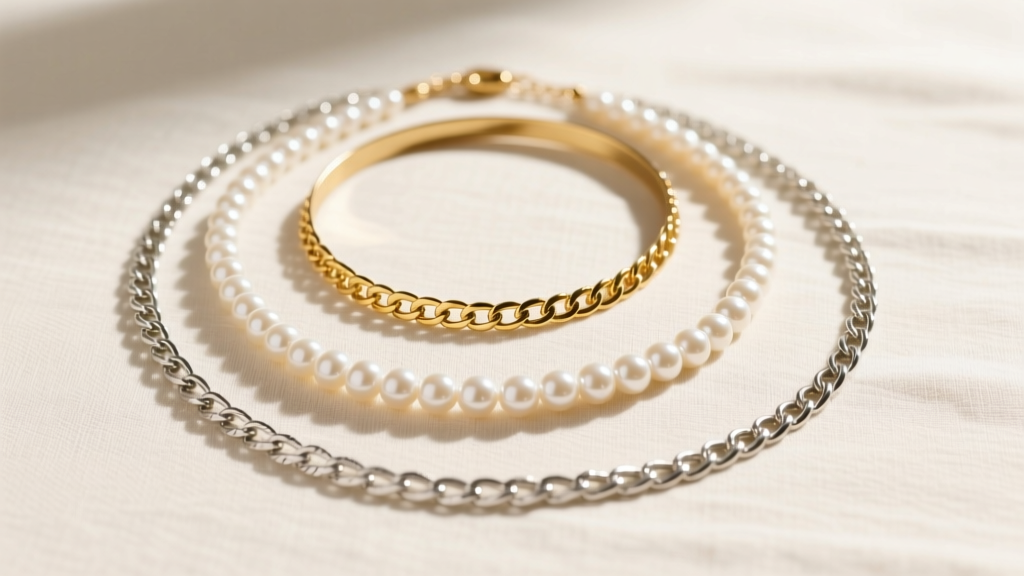
The rosary is inherently a layering piece due to its length and textural complexity. In 2026, the "rule of thirds" dominates necklace stacking. The goal is to create distinct visual zones without causing the chains to tangle.
The Three-Tier Stack
- Zone 1 (The Anchor): A 14-inch to 16-inch solid chain or choker. This sits at the base of the throat and provides a visual baseline. A 2.5mm gold Figaro chain works perfectly here.
- Zone 2 (The Rosary): A 20-inch to 22-inch gemstone rosary. This allows the crucifix or medal to rest precisely on the sternum, creating a V-shape that elongates the neck. Ensure the bead size is under 6mm to prevent the piece from looking overly bulky.
- Zone 3 (The Lariat/Extension): A 26-inch to 30-inch ultra-fine (0.9mm) chain with a small, solitary diamond or sapphire drop. This adds a subtle glint below the rosary pendant, drawing the eye downward and completing the cascade.
Mixing Metals and Textures
While matching metals was once a strict rule, 2026 styling embraces intentional dissonance. Pairing an oxidized silver onyx rosary with a polished 14k yellow gold choker creates a striking contrast that highlights the dark stones. The key to successful mixed-metal layering is ensuring the undertones of your skin and the rest of your accessories bridge the gap between the warm and cool tones.
Navigating Cultural and Religious Sensitivities
When adopting religious artifacts for secular fashion, respect and intentionality are paramount. The rosary is a sacred object of prayer for millions of Catholics and Anglicans worldwide. Wearing it purely as a provocative accessory or allowing it to dangle into inappropriate settings (such as low-hanging into food or drink) is widely considered disrespectful.
To wear a rosary necklace thoughtfully:
- Avoid Parody: Steer clear of pieces that incorporate offensive imagery, skulls, or parody text into the crucifix or medal components.
- Maintain Integrity: Treat the piece with the same care you would a vintage heirloom. Do not let it swing wildly or become tangled in a careless manner.
- Understand the Context: While wearing a rosary to a fashion event or a casual outing is generally accepted in modern secular spaces, wearing one to a formal religious ceremony as a non-practitioner purely for aesthetic reasons can be perceived as appropriative or mocking.
Many contemporary jewelers now design "rosary-inspired" necklaces that utilize the decade structure and rhythmic beading but replace the traditional crucifix with abstract geometric pendants, celestial motifs, or raw uncut stones. This offers a respectful alternative for those who love the structural aesthetic of the rosary but wish to avoid co-opting specific religious iconography.
Sourcing Authentic Craftsmanship
The market is saturated with mass-produced, wire-wrapped imitations that tarnish and break within weeks. For pieces that will last a lifetime, look toward specialized liturgical makers who have adapted to the fashion market, or high-end indie jewelers who source ethical gemstones. Estate sales and vintage curators are also exceptional resources for finding mid-century rosaries made with genuine sterling silver, 14k gold-filled wire, and hand-cut glass or genuine coral beads. When purchasing vintage, always inspect the wire wraps around the beads; if the wire is green or brittle, the piece will require professional restringing by a bench jeweler before it is safe to wear.


