Wedgwood Cameo Necklace Gift Guide: 2026 Edition
Discover the perfect Wedgwood cameo necklace for any occasion. Our 2026 gift guide covers Jasperware colors, authentication, metal mounts, and pricing.

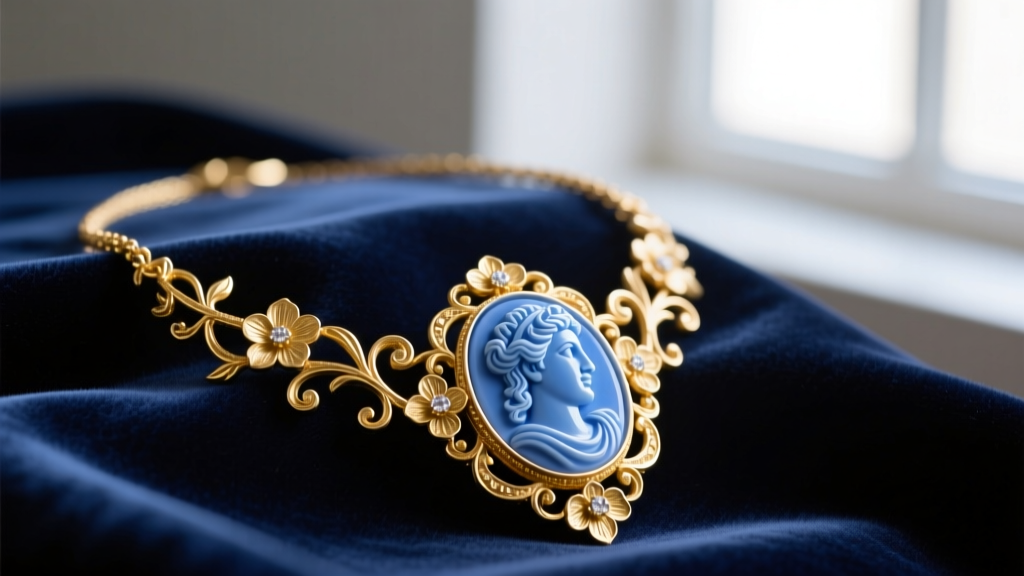
When it comes to gifting jewelry that carries both historical weight and timeless elegance, few pieces rival the wedgwood cameo necklace. Unlike traditional shell cameos carved by hand, Wedgwood’s ceramic cameos—crafted from their iconic Jasperware and Black Basalt—represent a triumph of 18th-century neoclassical design that remains highly coveted in 2026. Whether you are shopping for a milestone anniversary, a graduation gift, or a unique Mother's Day surprise, understanding the nuances of Jasperware colors, metal mounts, and authentication marks is essential for selecting the perfect piece.
The Anatomy of a Wedgwood Cameo
To gift a Wedgwood cameo intelligently, you must first understand what it is. Genuine Wedgwood cameos are not carved from a single piece of material. Instead, they are constructed using a technique called sprigging. A colored stoneware base (most commonly the famous Portland blue) is cast in a mold, and delicate white relief figures—often depicting classical Greco-Roman profiles, mythological scenes, or floral motifs—are applied by hand before firing. Because Jasperware is an unglazed, vitrified stoneware, it possesses a matte, porcelain-like finish that is incredibly durable yet distinctly porous.
Decoding Jasperware Colors for Occasion Matching
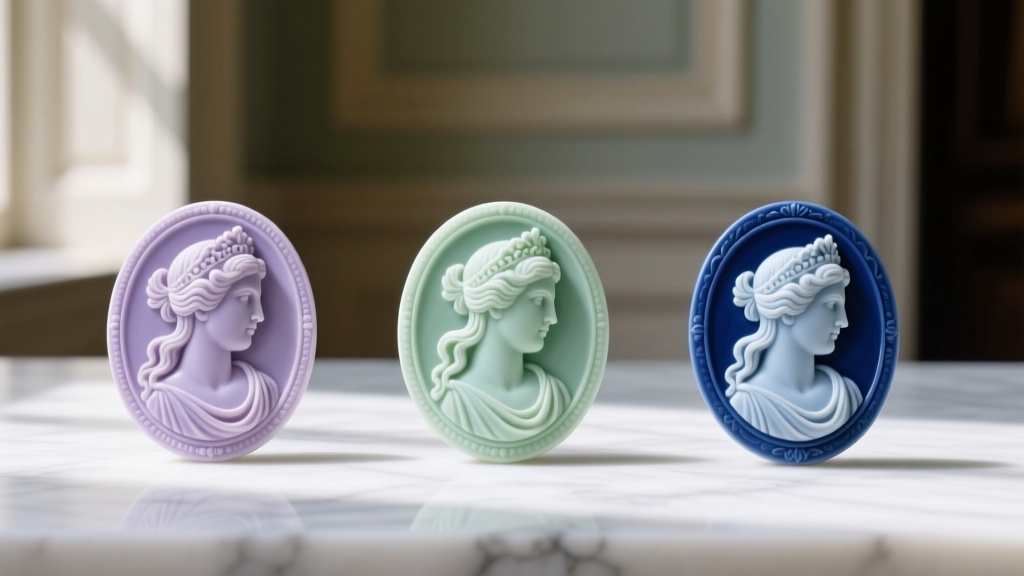
While Portland Blue is the undisputed classic, Wedgwood produced cameos in a spectrum of colors, each carrying its own aesthetic weight and gifting connotation. Choosing the right hue can personalize your gift to the recipient's taste or the specific occasion.
| Jasperware Color | Aesthetic Profile | Best Gifting Occasion |
|---|---|---|
| Portland Blue | Classic, regal, high-contrast white sprigs. | Milestone Anniversaries, Heirloom Gifts |
| Lilac / Pale Purple | Soft, romantic, vintage Victorian appeal. | Valentine’s Day, Sweet Sixteen, Bridal |
| Sage / Pale Green | Earthy, understated, botanical elegance. | Mother’s Day, Graduation, Spring Birthdays |
| Black Basalt | Striking, gothic, minimalist (often unglazed black with white or bronze). | Modern Milestones, Alternative Fashion, Menswear |
| Crimson / Terracotta | Rare, warm, dramatic classical revival. | Collector's Gifts, 40th/50th Anniversaries |
Authentication & Dating: A Buyer’s Framework
The secondary market for antique and vintage Wedgwood cameo necklaces is vast, but it is also fraught with imitations. To ensure you are gifting an authentic piece, you must examine the impressed mark on the reverse side of the ceramic cameo. According to the Victoria and Albert Museum's Wedgwood collection archives, the evolution of the Wedgwood stamp provides a reliable dating framework:
- Lowercase Wedgwood: Used between 1759 and 1768. These are exceptionally rare, museum-grade artifacts and rarely appear on the commercial market.
- Uppercase WEDGWOOD: Introduced in 1769 and used through the late 19th century. If the piece lacks a country of origin, it likely predates 1891.
- WEDGWOOD ENGLAND: Stamped between 1891 and 1908 to comply with the McKinley Tariff Act, which required imported goods to display their country of origin.
- WEDGWOOD MADE IN ENGLAND: Used from 1908 to the present day. Mid-century pieces (1950s–1980s) will carry this mark and are often set in silver-plated or base metal mounts.
Additionally, many 19th-century pieces feature a three-letter date code. For example, an 'O' signifies 1860, while a 'Z' signifies 1875. Familiarizing yourself with these codes elevates your purchase from a simple jewelry buy to a curated historical acquisition.
Evaluating the Metal Mounts and Settings
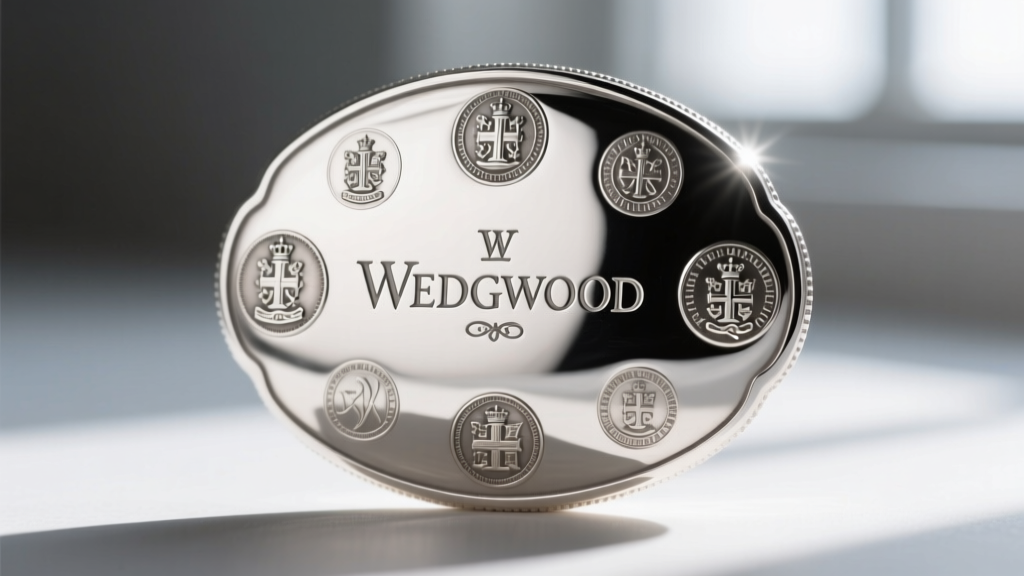
The ceramic cameo is only half the story; the metal mount dictates the necklace's value, durability, and formality. When browsing estate sales or antique jewelers, you will encounter several types of mounts:
Pinchbeck and Rolled Gold
Victorian-era cameos were frequently mounted in Pinchbeck (a brass-zinc alloy that mimics gold) or rolled gold. These pieces offer a warm, antique patina and are generally priced between $150 and $400. They are excellent gifts for lovers of Victorian history, though the gold layer can wear thin over decades of use.
Sterling Silver
Sterling silver bezels are the most common setting for both antique and mid-century Wedgwood cameos. Look for the '925' stamp or the British Lion Passant hallmark. Silver provides a crisp, high-contrast frame for Portland Blue and Lilac cameos. Pricing typically ranges from $200 for vintage pieces to $800 for ornate, hand-chased antique Edwardian frames.
Solid Gold (9k, 14k, 18k)
Gold-mounted Wedgwood cameos are the pinnacle of the secondary market. A well-preserved 14k or 18k gold bezel with intricate Etruscan revival granulation or floral repoussé work can command anywhere from $1,200 to over $4,000. These are the ultimate heirloom gifts, intended for significant life events.
2026 Occasion-Specific Gifting Guide
To streamline your selection process, use this targeted framework based on the recipient and the event:
- The 25th or 30th Anniversary: Opt for an antique (circa 1880-1910) Portland Blue cameo set in a 14k yellow gold bezel with a fine cable chain. The juxtaposition of the matte blue ceramic and warm gold symbolizes enduring, multifaceted love.
- Mother’s Day or Maternal Milestones: A Lilac or Sage Green Jasperware cameo in a delicate sterling silver setting feels personal, gentle, and distinctly spring-oriented. Pair it with a modern 18-inch rolo chain for everyday wearability.
- Graduation or Career Milestone: Break from tradition with a Black Basalt cameo. Often featuring classical profiles or mythological gods like Athena (wisdom), black basalt set in oxidized silver or mixed-metal chains offers a sophisticated, gender-neutral, and contemporary edge.
Care and Maintenance for Porous Stoneware
Gifting a Wedgwood cameo also means gifting the responsibility of its care. Because Jasperware and Basalt are unglazed and porous, they are highly susceptible to staining from oils, lotions, and perfumes. The Gemological Institute of America (GIA) notes that while ceramic cameos are harder than organic shell, their matte surface requires specific maintenance.
Expert Care Rule: Never clean a Wedgwood cameo in an ultrasonic cleaner or use harsh chemical dips. The vibrations can fracture the microscopic bonds between the white sprig and the colored base, causing the relief to detach.
Instead, advise the recipient to clean the piece using a soft, damp microfiber cloth with a drop of mild, non-detergent soap. A soft-bristled toothbrush can gently lift dirt from the crevices of the white relief, but it must be dried immediately to prevent water spotting on the porous ceramic. When not worn, the necklace should be stored in a fabric-lined box away from direct sunlight, which can cause certain historical dyes in the ceramic to fade over decades.
By understanding the rich history, material science, and aesthetic variations of the wedgwood cameo necklace, you can confidently select a piece that transcends seasonal trends and becomes a cherished, wearable artifact for generations to come.


