Riviere Diamond Necklace: 2026 Value & Budget Guide
Assess the true value of a riviere diamond necklace in 2026. Compare natural vs. lab-grown pricing, grading loopholes, and craftsmanship markers.

The Anatomy of a Riviere: What Actually Drives the Price?
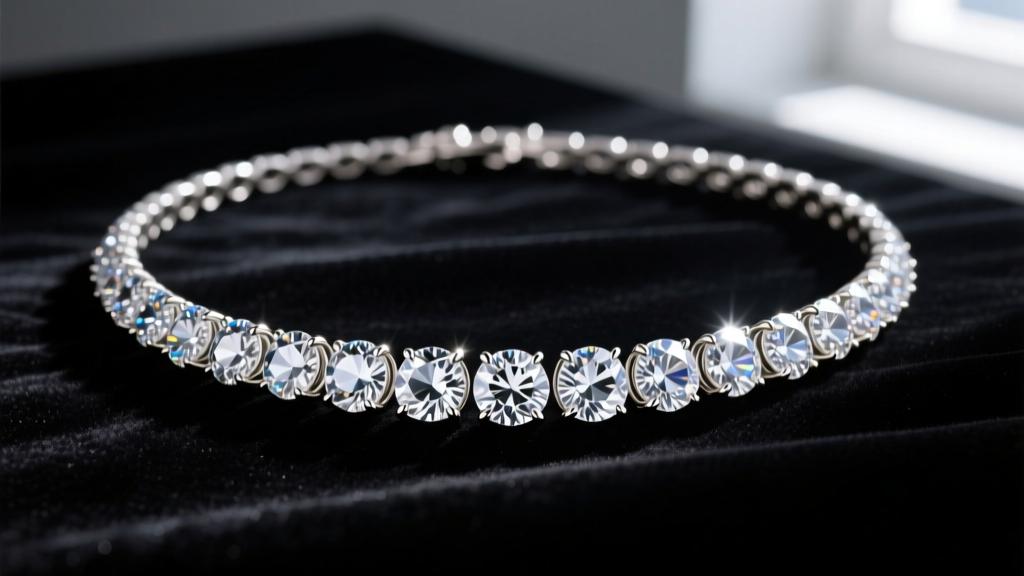
The rivière diamond necklace—a continuous, unbroken stream of gemstones—has been a staple of high jewelry since the 18th century. The term itself, derived from the French word for 'river,' perfectly captures the way these stones are meant to flow seamlessly around the collarbone. However, as we navigate the jewelry market in 2026, evaluating the true cost and inherent value of a riviere diamond necklace requires looking far beyond the total carat weight (TCW). Whether you are considering a vintage estate piece, a modern natural diamond strand, or a cutting-edge lab-grown alternative, understanding the nuanced economics of matched-stone jewelry is critical for making a financially sound purchase.
When assessing the value of any diamond jewelry, the 4Cs (Cut, Color, Clarity, Carat) are the baseline. But a riviere introduces a complex fifth dimension: the matching premium. According to industry data tracked by Rapaport, sourcing dozens of individual diamonds that share identical optical properties, facet proportions, and color grades is exponentially more difficult than sourcing a single solitaire stone. Consequently, jewelers apply a 'matching premium' that typically adds 15% to 30% to the raw material cost of the diamonds. If a riviere features 45 individual stones, a cutter must sift through hundreds of rough diamonds to find a cohesive set. You are paying for the scarcity of uniformity, not just the carat weight.
Furthermore, the metalwork and articulation dictate the necklace's functional value. A high-quality riviere must drape like liquid fabric. This requires intricate micro-hinges—often three to five articulated joints per stone setting—allowing the piece to flex with the wearer's movements. Budget manufacturers often cut costs by stringing stones on rigid wire or using stiff, soldered bezels that cause the necklace to kink, gap, and eventually suffer metal fatigue. When inspecting a piece, lift it by the clasp; it should cascade smoothly without any stiff, protruding angles. The metal weight also matters. A durable platinum or 18k gold riviere of 16 inches should contain between 18 and 30 grams of precious metal to support the weight of the stones without stretching over time.
2026 Market Pricing: Natural vs. Lab-Grown Rivieres
The advent of high-quality chemical vapor deposition (CVD) and high-pressure high-temperature (HPHT) lab-grown diamonds has completely disrupted the pricing matrix for riviere necklaces. In 2026, the price gap between natural and lab-grown matched strands is staggering, primarily because the 'matching premium' for lab stones is virtually nonexistent. Lab diamond manufacturers can grow rough crystals in controlled batches, yielding highly uniform color and clarity grades with minimal waste. Below is a comparative breakdown of estimated retail pricing for a 16-inch, G-color, VS2-clarity riviere necklace set in 14k white gold, based on current 2026 market averages.
| Total Carat Weight (TCW) | Natural (G/VS2) Est. Retail | Lab-Grown (G/VS2) Est. Retail | Primary Value Driver |
|---|---|---|---|
| 5.00 - 7.00 CT | $12,000 - $18,000 | $1,500 - $2,500 | Stone matching premium |
| 8.00 - 12.00 CT | $35,000 - $55,000 | $3,500 - $6,000 | Large stone scarcity |
| 15.00 - 20.00+ CT | $90,000 - $150,000+ | $8,000 - $14,000 | Master setter labor & rarity |
While lab-grown options offer immense visual value for the budget-conscious buyer, it is vital to understand the long-term depreciation curve. Natural diamonds retain a measurable, albeit depreciated, resale value tied to the wholesale market. Lab-grown diamonds, conversely, currently possess near-zero secondary market liquidity. If your goal is pure aesthetic adornment, a lab-grown riviere is the undisputed champion of budget allocation. If you view the piece as a generational asset, natural stones remain the mandatory choice.
Hidden Value Traps in Discount Riviere Necklaces
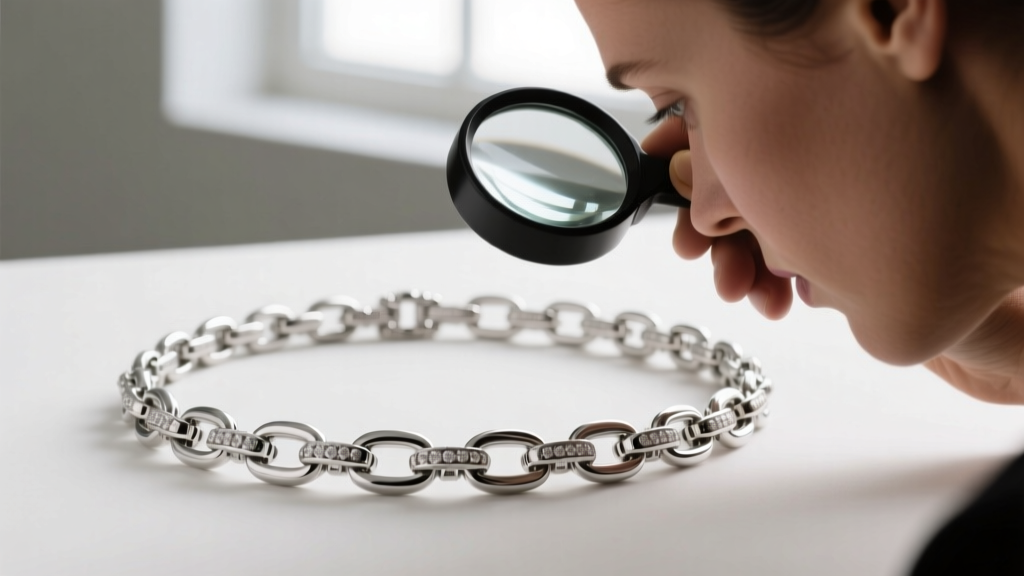
Discount jewelry retailers often advertise '10 Carat Total Weight Diamond Rivieres' at suspiciously low price points. As a savvy buyer, you must look past the headline TCW and scrutinize the grading disclosures. The Gemological Institute of America (GIA) grades individual loose diamonds with extreme precision. However, many mass-market rivieres are sold with 'in-house' appraisal certificates that grade the entire strand as a single entity. This creates a massive loophole. A strand graded as 'I1 Clarity' might actually consist of heavily included I2 and I3 stones mixed with a few SI2 stones to bring up the average. Similarly, a 'J-K Color' strand may feature noticeable brown or yellow tints in the smaller accent stones near the clasp, which are hidden from the central focal point.
Another common budget trap is the 'illusion setting.' This technique uses intricately carved, highly polished white metal halos around very small diamonds (often 0.05 carats or less) to mimic the face-up size of a much larger stone. While this creates a high-impact look for a fraction of the cost, the resale value of illusion-set jewelry is practically limited to the scrap metal weight. Furthermore, over time, the polished metal facets scratch and dull, revealing the tiny diamonds beneath and drastically altering the necklace's appearance. Always opt for traditional four-prong or bezel settings where the diamond's actual millimeter diameter is visible and measurable.
How to Allocate Your Budget for Maximum Visual Impact
To maximize your budget without sacrificing the iconic riviere aesthetic, consider the structural design of the stone layout. A 'uniform' riviere features stones of the exact same carat weight from clasp to clasp. Because large, matched diamonds are rare, a uniform 10 TCW necklace commands a massive premium. A 'graduated' riviere, however, features the largest stone at the center (the nadir) with progressively smaller stones tapering toward the clasp. Graduated designs require fewer large stones, significantly reducing the overall cost while actually enhancing the visual perception of size and depth at the décolletage. You can often achieve the same visual footprint for 20% to 30% less by choosing a graduated layout over a uniform one.
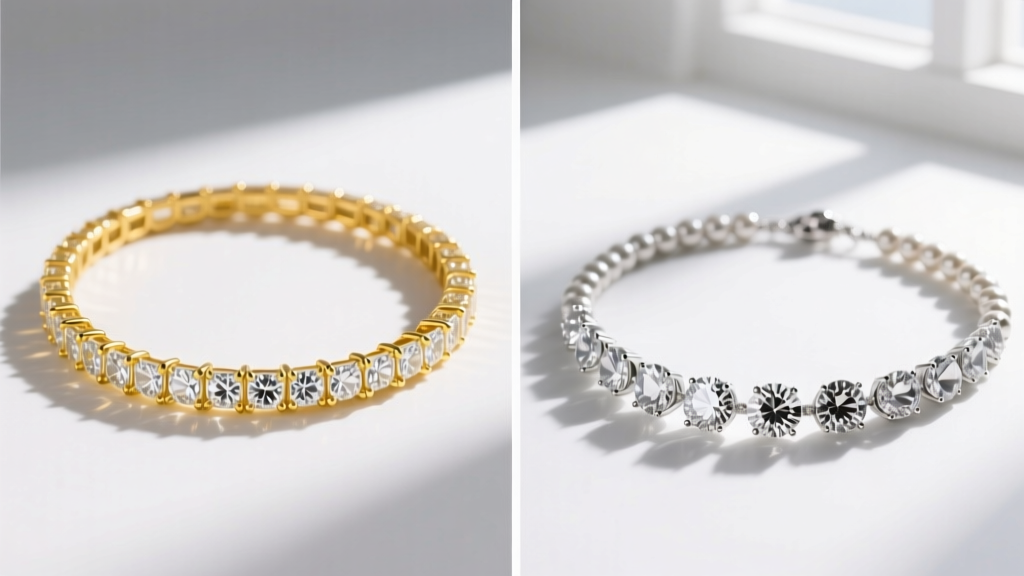
Metal selection also plays a hidden role in your long-term budget. While 14k and 18k white gold are popular for their bright, silvery appearance that complements colorless diamonds, they are actually yellow gold alloys plated with rhodium. Over a decade of wear, the friction against the skin and clothing will wear away the rhodium, requiring professional replating every few years at a cost of $50 to $150 per session. Platinum, while carrying a 30% to 50% higher upfront cost, is naturally white and will never require replating, making it the more economical choice for a piece intended to be worn daily over a lifetime.
The Investment Verdict: Resale and Appraisal Realities
Finally, buyers must confront the reality of jewelry as a financial asset. The Jewelers Vigilance Committee frequently warns consumers against purchasing diamond jewelry strictly as an investment. The retail markup on a finished riviere necklace—which covers the jeweler's overhead, the master setter's labor, and the brand's marketing—often ranges from 100% to 300% over the wholesale cost of the materials. If you attempt to sell a natural diamond riviere to a secondary buyer or auction house, you will typically be offered the wholesale melt-and-stone value, which is a fraction of the retail price. Therefore, the true 'value' of a riviere diamond necklace must be measured in its cost-per-wear, its emotional resonance, and its enduring versatility in your wardrobe, rather than its potential for financial appreciation.


