Jellyfish Necklace Terraria: Expert Replica Crafting Guide
Discover the metallurgy, resin casting, and luminescent techniques needed to craft a durable, screen-accurate jellyfish necklace Terraria replica.

Translating Pixel Art to Physical Jewelry
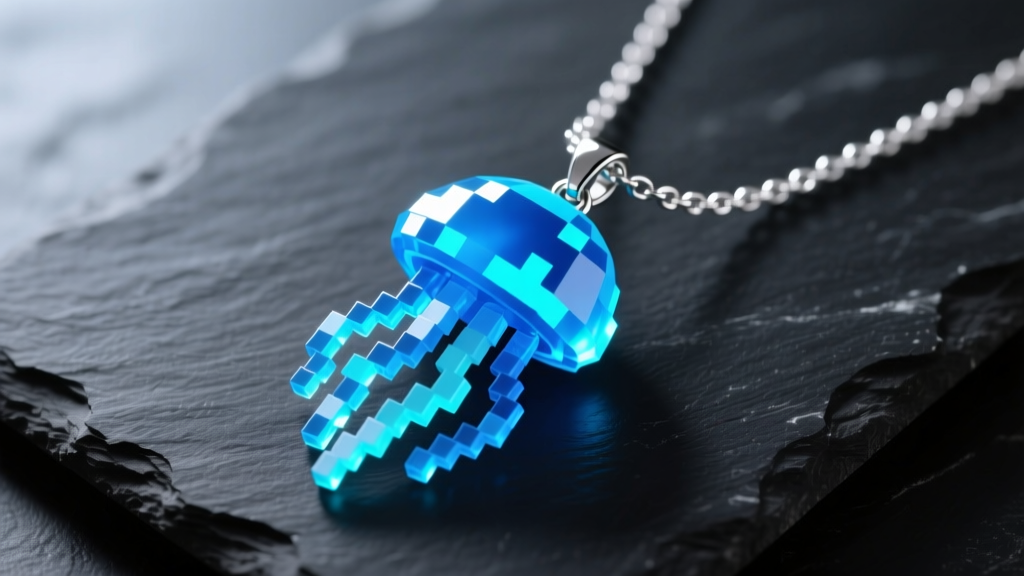
In the expansive sandbox universe of Terraria, the Jellyfish Necklace is a highly sought-after accessory. Crafted at a Loom using one Jellyfish and ten Silk, it provides a vital underwater illumination buff. However, translating this iconic 32x32 pixel sprite into a tangible, high-quality piece of physical jewelry requires a deep understanding of material science, lapidary arts, and metallurgy. For collectors and master crafters in 2026, creating a screen-accurate, durable jellyfish necklace Terraria replica goes far beyond simple plastic molds. It demands precision engineering to capture the ethereal, bioluminescent essence of the digital item while ensuring the piece withstands daily wear.
According to the official Terraria Wiki, the item emits a cyan-blue glow. Replicating this specific wavelength and the physical anatomy of the jellyfish bell and trailing tentacles requires a strategic approach to resin casting and luminescent chemistry.
The Bell and Tentacles: Resin Casting vs. Lampwork Glass
The primary challenge in crafting a jellyfish pendant is achieving absolute optical clarity in the bell while maintaining structural integrity for the delicate tentacles. There are two dominant methods used by expert jewelers: deep-pour epoxy resin and borosilicate lampwork glass.
Deep-Pour Epoxy Resin
For complex, multi-layered tentacle structures, a high-grade, low-viscosity epoxy resin is the industry standard. Master casters utilize a pressure pot set to 40 PSI during the curing phase. This compresses micro-bubbles down to microscopic sizes, rendering them invisible to the naked eye and ensuring the jellyfish bell remains crystal clear. As noted by the experts at Resin Obsession, using a resin with a Shore D hardness rating of 80 or higher is critical to prevent the tentacles from snapping under mechanical stress.
Borosilicate Lampwork Glass
For high-end, heirloom-quality replicas, lampwork glass offers superior scratch resistance and optical refraction. Artisans melt borosilicate glass rods using a dual-fuel torch, shaping the bell and pulling the tentacles in real-time. The piece must then be kiln-annealed at 960°F to relieve internal thermal stresses, preventing spontaneous shattering.
The Science of the Glow: Strontium Aluminate Chemistry
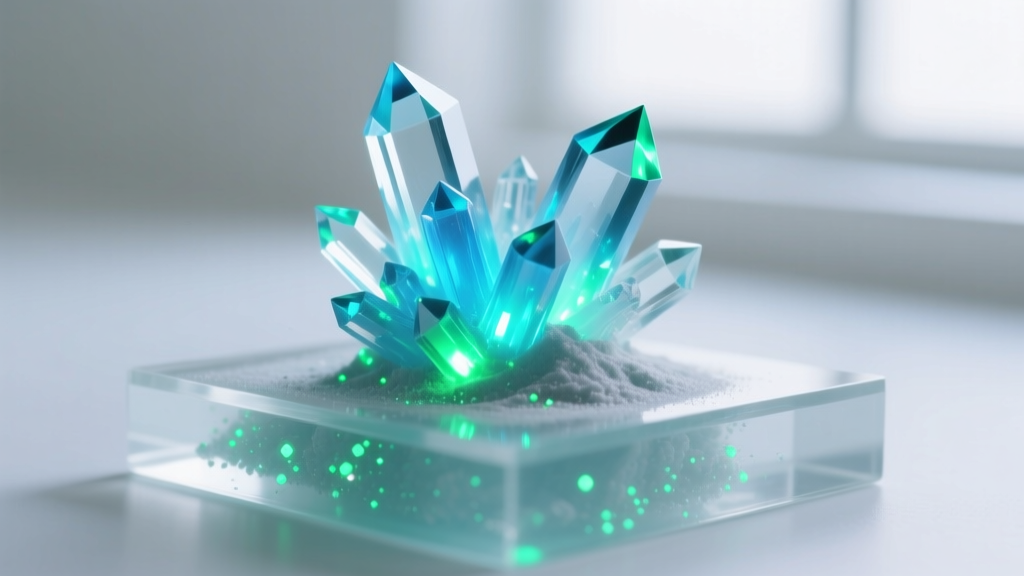
The defining feature of the Terraria Jellyfish Necklace is its bioluminescence. Cheap, mass-market replicas rely on Zinc Sulfide phosphors, which emit a weak green glow that fades within 30 minutes. To achieve a true, screen-accurate cyan-blue glow that lasts through the night, expert crafters use Strontium Aluminate doped with Europium and Dysprosium.
Strontium Aluminate is a photoluminescent pigment that is approximately ten times brighter and lasts up to ten times longer than traditional zinc-based alternatives. When integrating this powder into a resin matrix, the ideal loading ratio is 12% to 15% by weight. Exceeding 20% compromises the structural integrity of the resin and makes the pendant overly opaque, ruining the translucent fleshy look of the jellyfish bell. To achieve the specific Terraria cyan hue, crafters often layer a translucent blue alcohol ink wash over a core of blue-green powder, creating depth and a realistic aquatic gradient.
Mold Making and Silicone Selection
Before any resin is poured or glass is melted, the master model must be translated into a reliable mold. For a jellyfish pendant with intricate, under-cut tentacles, a simple two-part block mold will fail. Expert jewelers utilize a multi-part platinum-cure silicone mold. Platinum-cure silicones, unlike tin-cure alternatives, exhibit virtually zero shrinkage and do not degrade when exposed to the exothermic heat of curing epoxy. A Shore A hardness of 30 to 40 is ideal; it provides enough flexibility to demold the delicate, sweeping tentacles without tearing the silicone or snapping the master model. Draft angles must be carefully calculated in the 3D-printed master to ensure the resin releases cleanly without the need for aggressive mold release agents, which can cloud the optical clarity of the final piece.
Chain Metallurgy and Bail Engineering
A pendant is only as good as the chain that supports it. For a piece meant to emulate an underwater, aquatic theme, the chain must be highly resistant to moisture, sweat, and oxidation. Sterling silver, while beautiful, is prone to tarnishing when exposed to humidity and skin acids. Therefore, 316L surgical-grade stainless steel or platinum-plated brass are the superior choices for daily wear.
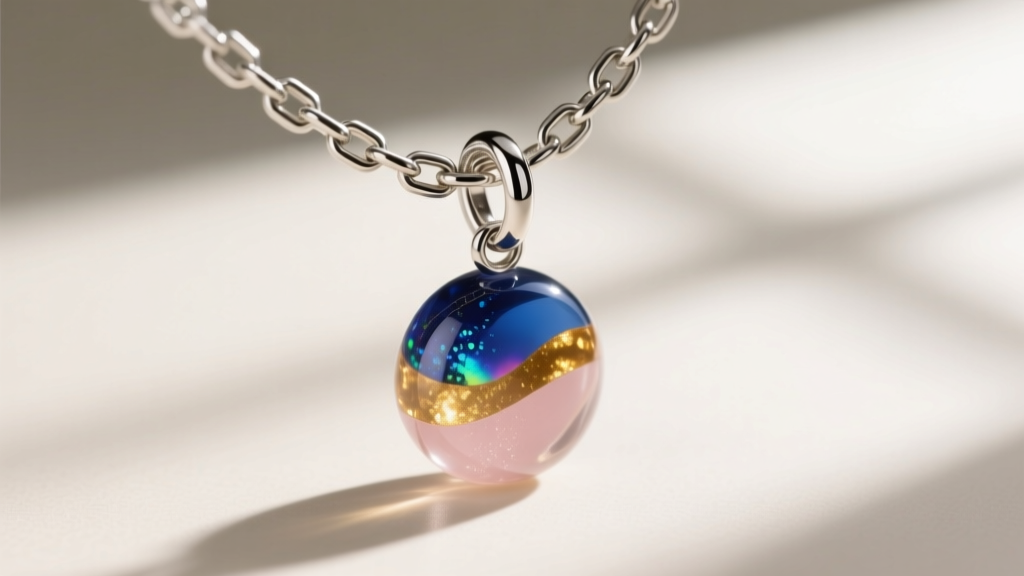
According to jewelry supply authority Rio Grande, the geometry of the chain links dictates both drape and durability. A 1.5mm Rolo chain provides an excellent balance of visual weight and tensile strength. The bail, the component connecting the pendant to the chain, must be engineered to prevent the resin tentacles from catching and snapping. An 18-gauge seamless jump ring or a custom-cast sterling silver bail with a polished, snag-free interior loop is mandatory. Avoid standard pinch-bails, as the sharp prongs will eventually crack the resin over time due to thermal expansion and contraction.
Furthermore, the clasp mechanism is a frequent point of failure in gaming merchandise. Standard spring-ring clasps are notoriously difficult to operate and prone to internal spring fatigue. A high-quality replica should utilize a 10mm or 12mm cast lobster clasp with a heavy-duty stainless steel jump ring. For those who prioritize ease of wear, a neodymium magnetic clasp with a safety catch offers a secure, modern alternative that prevents accidental loss if the chain is snagged during daily activities.
Market Tiers and Sourcing Framework
When sourcing or commissioning a jellyfish necklace Terraria replica, buyers should understand the distinct market tiers. The price correlates directly with the material science and labor hours invested.
| Tier | Materials | Luminescence | Price Range |
|---|---|---|---|
| Mass-Market | Polyurethane resin, alloy chain | Zinc Sulfide (fades in 30m) | $15 - $35 |
| Artisan Custom | Optical epoxy, 316L steel chain | Strontium Aluminate (8-12 hrs) | $80 - $150 |
| Heirloom Glass | Borosilicate glass, 18k gold findings | Internal LED or rare-earth doping | $250 - $450+ |
Long-Term Care and UV Degradation
Even the highest quality epoxy resins are susceptible to photo-oxidation, which manifests as a yellowing of the clear jellyfish bell over time. To combat this, expert casters incorporate Hindered Amine Light Stabilizers and UV absorbers directly into the resin mixture before pouring. However, no chemical additive can completely halt UV degradation indefinitely.
To maintain the pristine clarity and glow capacity of your necklace, store it in an opaque, velvet-lined box when not in use. Prolonged exposure to direct sunlight will not only yellow the resin but can also degrade the organic dyes used to tint the tentacles. Clean the piece using only a microfiber cloth and mild, non-abrasive soap; never use ultrasonic cleaners or alcohol-based solvents, as these will induce micro-fractures in the resin matrix and strip the polished finish from the metallic findings.