Wedgwood Pendant Necklace Value Guide: Vintage vs Modern
Discover the true value of a Wedgwood pendant necklace. Compare vintage Jasperware cameos to modern pieces, analyze metal settings, and learn pricing tiers.

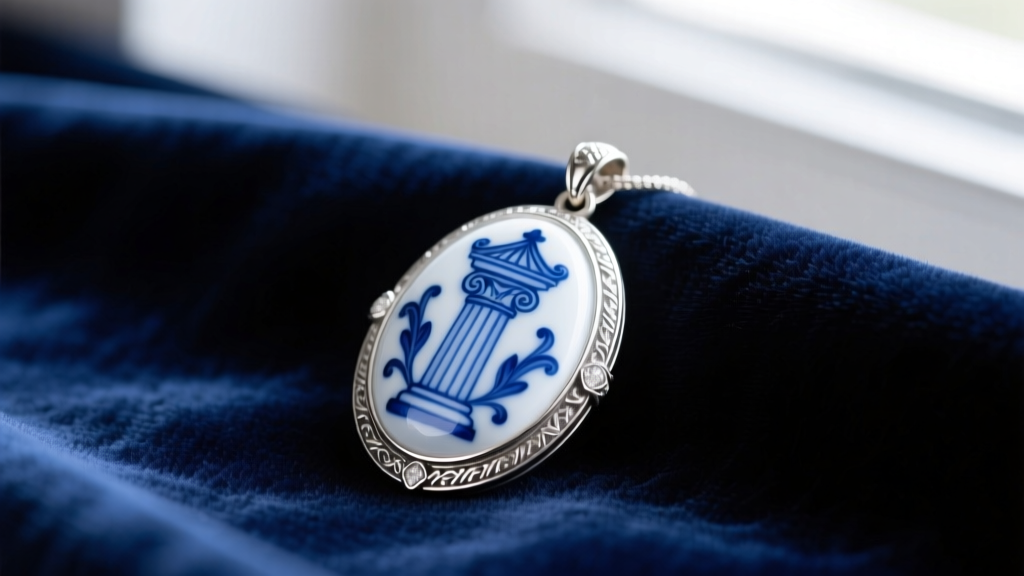
When evaluating fine jewelry with historical significance, few pieces carry the weight and recognizable prestige of a wedgwood pendant necklace. Founded by Josiah Wedgwood in 1759, the brand revolutionized ceramics, and its iconic Jasperware—characterized by matte, unglazed stoneware adorned with white classical relief figures—remains a highly sought-after collector's item. However, navigating the secondary market for these pendants requires a keen eye. The price gap between a genuine Victorian-era antique and a mass-produced 1980s replica is vast.
In this comprehensive budget and value assessment, we break down the anatomy of Wedgwood pendants, decode the maker's marks, and provide actionable pricing frameworks to ensure you never overpay for your next acquisition.
The Anatomy of Value: Jasperware, Basalt, and Sprigging
To accurately assess a Wedgwood pendant necklace, you must first understand the materials and manufacturing techniques that dictate its baseline value. While pale blue (often called Portland Blue) is the most famous, Wedgwood produced pendants in black basalt, sage green, lilac, and yellow.
The 'Sprigging' Technique
The true hallmark of a high-value Wedgwood cameo is the 'sprigging' process. Authentic reliefs are not painted on, nor are they molded as a single piece with the background. Instead, the white classical figures are cast separately in plaster molds and carefully applied to the colored stoneware base using liquid clay (slip) before the piece is fired.
- High-Value Indicator: Run your finger lightly over the relief. You should feel sharp, distinct edges and deep undercuts. The white figures should sit slightly proud of the background.
- Low-Value/Fake Indicator: If the design feels flat, painted, or lacks three-dimensional depth, it is likely a transfer-printed imitation or a modern molded replica.
Pricing Tiers: What Should You Actually Pay?
The value of a Wedgwood pendant necklace is heavily dictated by its era, the clarity of its mark, and the quality of the metal setting. Below is a structured pricing matrix based on current 2026 estate and auction market data.
| Era / Classification | Typical Maker's Mark | Common Settings | Estimated Value Range |
|---|---|---|---|
| Victorian Antique (1837–1901) | Impressed 'WEDGWOOD', sometimes with 3-letter date codes | Pinchbeck, early 925 Silver, 15k Gold | $250 – $1,200+ |
| Edwardian to Mid-Century (1901–1960) | Impressed 'WEDGWOOD' & 'ENGLAND' or 'MADE IN ENGLAND' | Sterling Silver, Gold Vermeil | $90 – $350 |
| Late 20th Century (1970–1999) | Printed or laser-etched marks, often with '®' | Gold-plated base metals, low-karat gold | $40 – $120 |
| Modern / Contemporary (2000–Present) | Branded packaging, modern hallmarks | Sterling Silver, Fashion Alloys | $60 – $180 (Retail) |
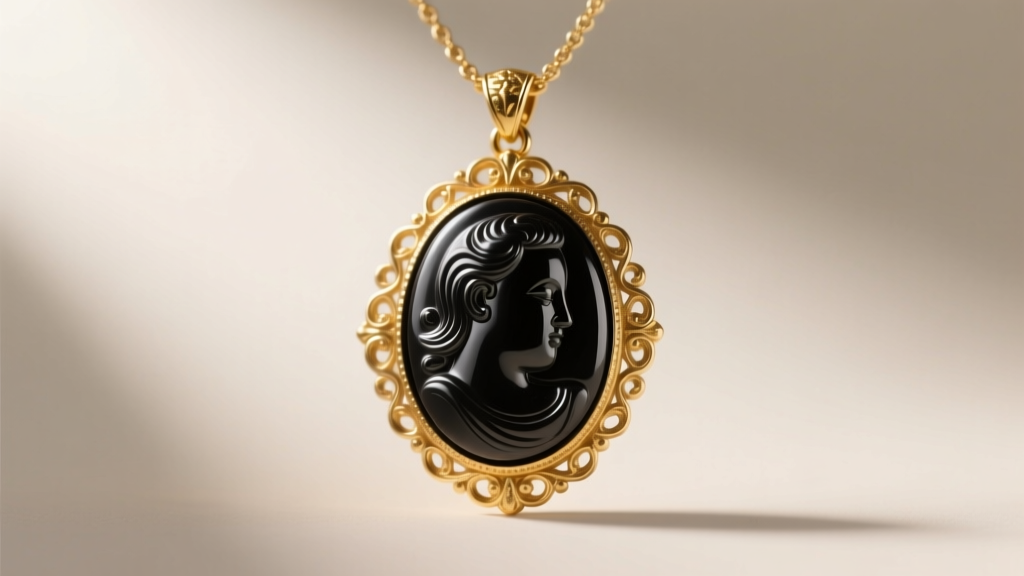
Decoding the Marks: Authentication and Date Codes
Authenticating a Wedgwood pendant necklace requires flipping the piece over and examining the back with a jeweler's loupe. According to the Victoria and Albert Museum's archives on Wedgwood, the company's marking system evolved significantly over the centuries, providing a reliable roadmap for dating your jewelry.
The Three-Letter Date Code (1860–1907)
If you are hunting for high-value antique pieces, look for a three-letter code impressed into the back of the Jasperware. This system was introduced in 1860 to denote the year of manufacture. For example, the letter 'O' represents 1887, while 'V' represents 1894. Finding a pendant with a clear, legible date code can increase its collector value by 30% to 50% compared to unmarked Victorian pieces.
The 'ENGLAND' Addition
The McKinley Tariff Act of 1891 required all imported goods to bear the country of origin. Therefore, if a Wedgwood pendant features the impressed word 'ENGLAND' alongside the Wedgwood name, it was manufactured after 1891. If it says 'MADE IN ENGLAND', it dates to the 20th century (post-1898). Pieces with no country of origin mark are generally pre-1891, placing them in a higher value bracket.
The Metal Setting Multiplier: Don't Ignore the Bezel
A common mistake budget-conscious buyers make is focusing entirely on the ceramic cameo while ignoring the metalwork. The setting of a Wedgwood pendant necklace can either multiply its value or severely diminish it.
Expert Insight: An 1880s Jasperware cameo placed in a modern, mass-produced alloy bail loses significant historical integrity. Conversely, a mid-century pendant housed in an ornate, hand-chased Birmingham sterling silver bezel can command a premium well above the value of the ceramic alone.
When evaluating the metal, consult resources like 925-1000.com to decode British silver hallmarks. Look for the Lion Passant (sterling silver), the Anchor (Birmingham assay office), and the Leopard's Head (London). A heavy, solid 925 silver setting with a secure, soldered bail adds $50 to $150 to the intrinsic scrap and craftsmanship value of the piece.
Condition and Flaws: What Kills Resale Value?
Because Jasperware is an unglazed, vitreous stoneware, it is surprisingly durable but susceptible to specific types of damage that will instantly tank your investment.
- Micro-Chipping on the Sprigs: The delicate white reliefs (especially the tips of spears, leaves, or fingers) are prone to snapping. Use a macro lens or loupe to inspect the high points. Even a 1mm chip reduces value by 40%.
- Staining and 'Sick' Glass: Because the matte surface is porous, decades of skin oils, perfumes, and cosmetics can stain the lighter colors (like pale blue or white). While mild soap and a soft-bristle brush can clean surface dirt, deep-set stains are permanent.
- Bail Stress Fractures: Inspect the very top of the pendant where the metal bail grips the ceramic. If the metal is too tight, it can cause a hairline stress fracture in the stoneware. Hold the pendant up to a strong light source to check for translucent cracks.
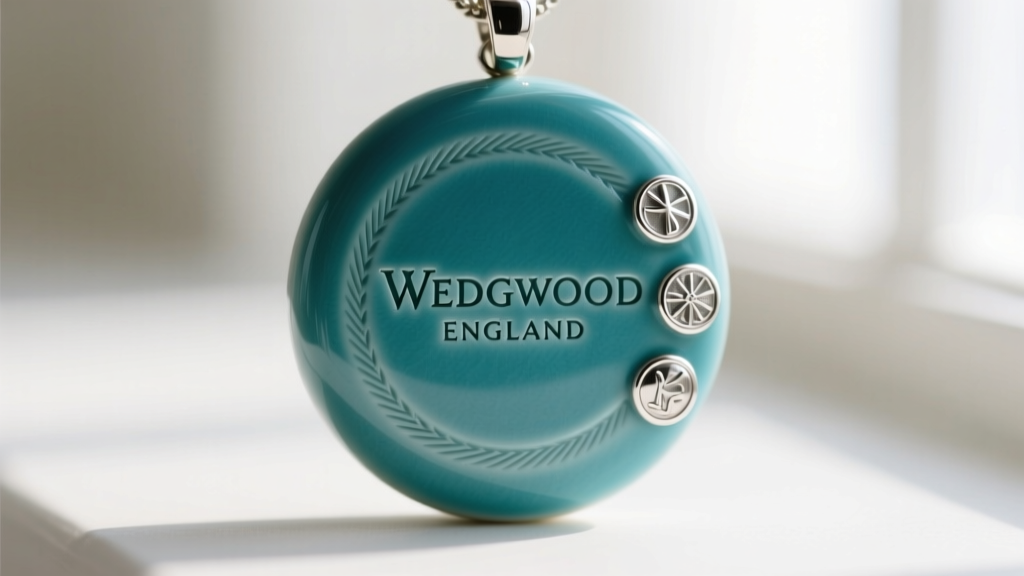
A Warning Against Ultrasonic Cleaners
Never place a vintage Wedgwood pendant necklace in an ultrasonic jewelry cleaner. The high-frequency vibrations can easily snap the delicate, hand-applied white sprigs or shatter the ceramic if microscopic internal fissures are present. Always clean these pieces by hand with lukewarm water and a cotton swab.
Where to Source for the Best Budget-to-Value Ratio
If your goal is to acquire a high-quality Wedgwood pendant necklace without paying retail auction premiums, your sourcing strategy matters.
- Estate Sales & Local Auctions: The best place to find Victorian and Edwardian pieces with solid gold or heavy silver settings. Often, liquidators undervalue the ceramic component, allowing you to acquire the piece for the melt value of the metal.
- Specialized Antique Jewelry Dealers (Ruby Lane / 1stDibs): Higher prices, but you are paying for guaranteed authenticity, professional polishing, and accurate historical dating. Ideal for investment-grade pieces.
- eBay / Etsy: Excellent for mid-century and 1970s pieces in the $50–$120 range. However, you must rigorously demand macro photos of the back stamps and the edges of the relief to avoid transfer-printed fakes originating from overseas manufacturers.
Final Verdict: Is the Investment Justified?
A genuine Wedgwood pendant necklace represents a unique intersection of fine jewelry and decorative art. From a strict budget perspective, modern iterations (post-1980) offer little investment value and should only be purchased for personal aesthetic enjoyment, ideally under the $100 mark.
However, if you are willing to hunt for pre-1920s examples featuring crisp, undercut sprigging, verified three-letter date codes, and original British hallmarked silver settings, the value proposition is exceptional. These antique pieces have historically held their value, often appreciating as the pool of well-preserved, wearable Victorian and Edwardian jewelry continues to shrink. By focusing on the craftsmanship of the relief and the integrity of the metal mount, you can confidently build a collection that is as financially sound as it is beautiful.


