What Is a Choker Necklace? A 2026 Budget & Value Guide
Discover what is a choker necklace and how to evaluate its true value. Our 2026 budget guide breaks down materials, hardware, and pricing tiers.

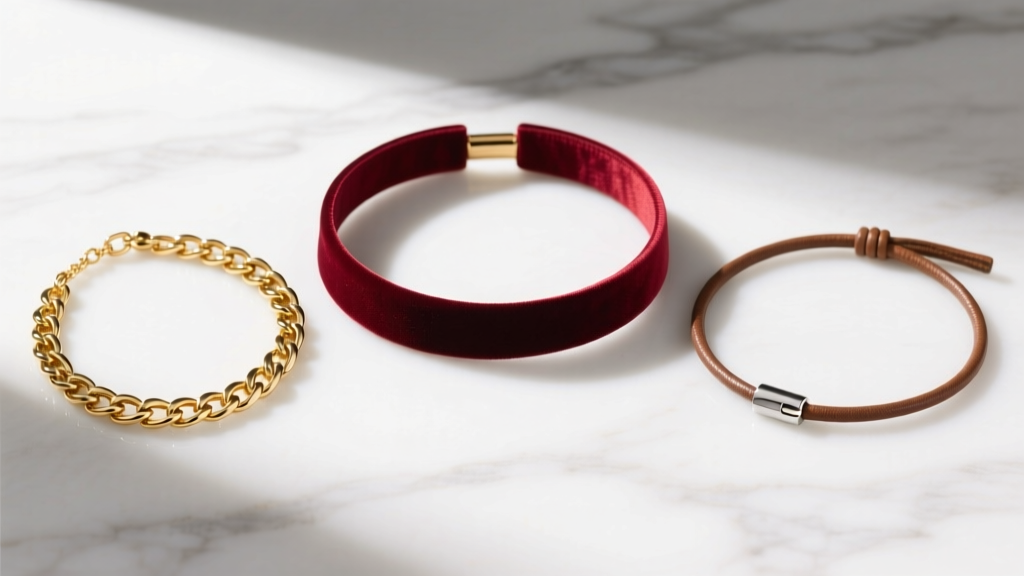
If you have ever found yourself asking what is a choker necklace beyond its aesthetic appeal, you are not alone. While fashion blogs often focus on how to style them, very few discuss the structural and material realities that dictate a choker's true value. As a senior appraiser and style analyst for Jewel Style Radar, I evaluate hundreds of neckpieces annually. In this comprehensive budget and value assessment, we will define the exact parameters of a choker, dissect the metallurgy and hardware that separate a $20 disposable accessory from a $500 heirloom, and provide a concrete framework for maximizing your jewelry budget in 2026.
What Is a Choker Necklace? Defining the Fit and Function
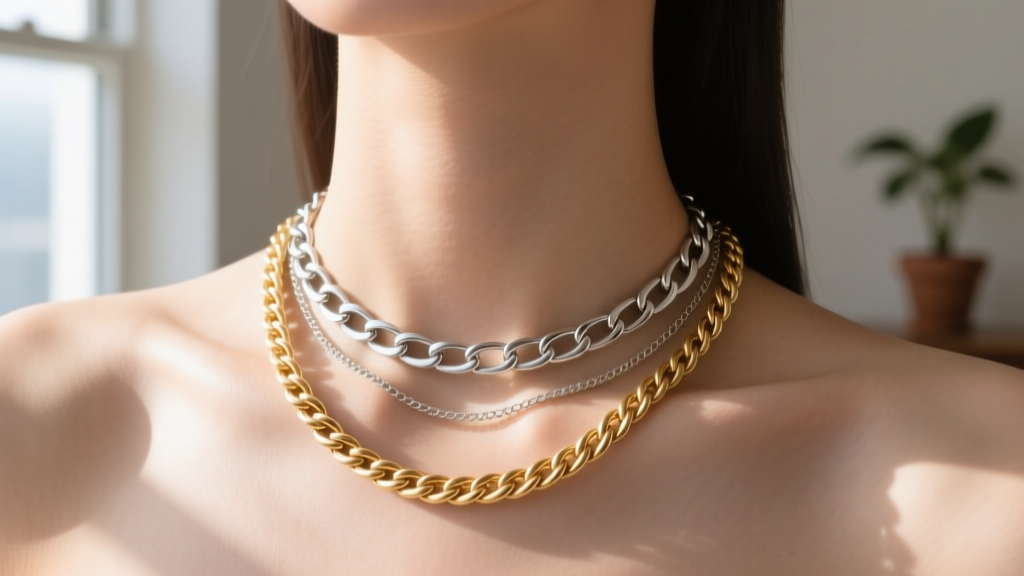
Technically speaking, a choker necklace is defined by its length and placement. While standard princess necklaces sit at 18 inches and matinee necklaces fall between 20 to 24 inches, a true choker measures between 14 and 16 inches (35.5 to 40.6 cm). It is engineered to rest snugly at the base of the neck, just above the collarbone.
This specific anatomical placement creates unique physical stressors. Unlike longer chains that hang freely and move with gravity, a 14-inch choker is subjected to constant lateral tension, friction from skin and clothing, and repetitive stretching when the wearer turns their head. Therefore, understanding what a choker is requires understanding its mechanical demands. A chain that survives perfectly well at 24 inches may snap within months when sized down to a 14-inch choker due to the increased torque on the links and clasp.
The True Cost of Chokers: Material Grades and Pricing Tiers
When evaluating budget versus value, the base material is the single largest cost driver. However, marketing terms like "gold dipped" or "hypoallergenic metal" often obscure the actual metallurgical composition. According to the Gemological Institute of America (GIA), understanding karatage and plating thickness is essential for assessing intrinsic value.
Below is a breakdown of the most common choker materials, their average weights for a standard 2mm curb chain, and their realistic market pricing in 2026.
| Material Grade | Avg. Weight (15" 2mm Chain) | 2026 Price Range | Tarnish Resistance | Estimated Lifespan |
|---|---|---|---|---|
| Brass / Base Metal (Plated) | 3.5 - 5.0 grams | $15 - $45 | Very Low (Weeks/Months) | 1 - 2 Years |
| Sterling Silver (925) | 4.0 - 6.0 grams | $40 - $90 | Moderate (Requires Polish) | 10+ Years |
| Gold Vermeil (Over 925) | 4.5 - 6.5 grams | $65 - $140 | High (Until Plating Wears) | 3 - 5 Years (Daily Wear) |
| Solid 10k / 14k Gold | 6.0 - 9.0 grams | $280 - $650+ | Excellent | Lifetime / Heirloom |
Note: Gold vermeil must legally consist of a sterling silver base plated with at least 2.5 microns of 10k gold or higher. Anything less is considered standard gold-plated jewelry and holds virtually no resale or intrinsic value.
Hardware and Construction: Where Cheap Chokers Fail
If you are investing over $100 in a choker, the chain links are only half the battle. The hardware—specifically the clasp and the jump rings—is where budget manufacturers cut corners, leading to catastrophic failure modes.
The Clasp Tension Problem
Because a choker sits tightly against the neck, the clasp endures continuous pulling. Budget chokers almost universally use spring ring clasps. These are inexpensive to produce but rely on a tiny, fragile internal steel spring. Under the constant tension of a 14-inch fit, spring rings frequently fatigue, fail to close completely, or snap open unexpectedly, resulting in lost jewelry.
The Value Upgrade: Always look for a lobster claw clasp on a choker. Lobster clasps feature a solid internal mechanism and a heavier casting that resists lateral torque. For chains wider than 3mm, a locking push-clasp or a magnetic neodymium clasp with a safety figure-8 catch is the gold standard for security.
Link Welding and Soldering
Examine the links under a jeweler's loupe or your phone's macro lens. High-value chokers feature laser-welded or soldered links, meaning each individual oval or circle is sealed shut. Budget chains use "open links" that are merely bent into shape. When an open-link choker catches on a sweater or a pet's claw, the link will simply pull apart. Soldered links will hold their shape, transferring the stress across the chain rather than failing at a single weak point.
How to Assess Value: A Buyer’s 5-Point Checklist
Before purchasing a choker, whether from a luxury boutique or an independent Etsy artisan, run it through this rapid value-assessment checklist to ensure you are paying a fair price.
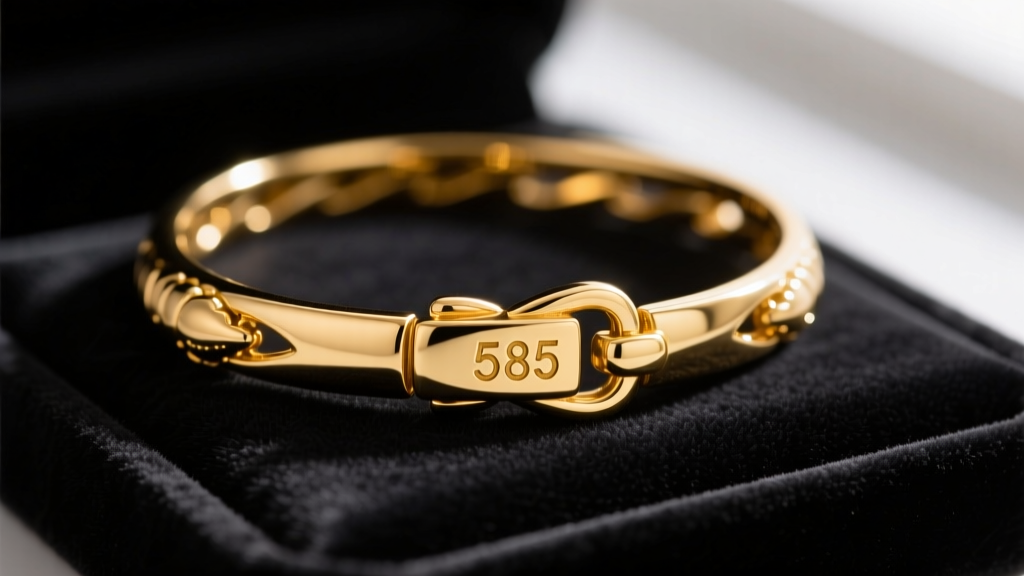
- 1. Verify the Hallmark: Look for stamps like '925', '14k', '585', or '750'. The Jewelers Vigilance Committee (JVC) strictly regulates these marks in the US. If a piece claims to be solid gold but lacks a hallmark or a maker's mark, walk away.
- 2. The Drape Test: Hold the choker by the clasp and let it hang. A high-quality chain will drape fluidly like liquid metal without kinking or twisting back on itself. Stiffness indicates poor link tolerances or heavy, cheap plating.
- 3. Check the Jump Rings: The small rings connecting the chain to the clasp should be soldered shut or made of heavy-gauge wire. If you can see a gap in the jump ring with the naked eye, it is a liability.
- 4. Weigh the Piece: Use a digital kitchen scale. If a seller claims a 15-inch 3mm Cuban link choker is solid 14k gold, but it weighs only 8 grams, it is likely hollow-core or heavily plated brass. A solid 3mm 15-inch 14k chain should weigh closer to 14-18 grams.
- 5. Assess the Clasp Action: Open and close the clasp 10 times. It should offer firm resistance and snap shut with a crisp, audible click. Mushy or loose levers indicate poor manufacturing tolerances.
Brand Value vs. Intrinsic Value: Are Designer Chokers Worth It?
A critical part of budget assessment is understanding the difference between intrinsic metal value and brand premium. In 2026, the market is saturated with direct-to-consumer (DTC) jewelry brands selling 14k gold chokers for $350 to $800.
To calculate the intrinsic value, you must look at the scrap gold price and the weight of the piece. For example, if a 14k gold choker weighs 5 grams, its raw melt value is roughly $160 (based on early 2026 gold spot prices). The remaining $190 to $640 you are paying covers the brand's marketing, packaging, retail overhead, and design aesthetics.
Is it worth it? If the choker features a proprietary, patented design, custom-milled links, or hand-set gemstones, the markup is justified by the labor and artistry. However, if the brand is simply sourcing standard Figaro or cable chains from overseas manufacturers and stamping them with a logo, you are paying a 400% markup for a basic commodity. In these cases, buying from a reputable local jeweler or a specialized chain manufacturer will yield the exact same intrinsic quality for 40% less cost.
Final Verdict: Maximizing Your Choker Budget
So, what is a choker necklace in the context of smart jewelry investing? It is a high-tension, high-visibility accessory that demands superior hardware and resilient materials. If your budget is under $50, avoid base metals entirely; opt for a simple, lightweight sterling silver cable chain that you can polish and maintain. If your budget allows for $150 to $300, demand heavy gold vermeil (at least 2.5 microns) over sterling silver, paired with a robust lobster clasp. Finally, if you are crossing the $400 threshold, insist on solid 14k or 18k gold with laser-welded links and verified hallmarks.
By shifting your focus from fleeting aesthetic trends to metallurgical realities and hardware integrity, you can build a choker collection that not only elevates your neckline but also retains its structural and financial value for decades to come.


