What Is a Hawaiian Necklace Called? Guide to Lei & Heirloom Pendants
Discover what a Hawaiian necklace is called. Explore the cultural roots of the lei, niho palaoa pendants, and classic Hawaiian heirloom gold jewelry.

When planning a trip to the islands, studying Polynesian culture, or browsing specialized jewelry collections, a common question arises: what is a Hawaiian necklace called? The answer is not a single word. Unlike Western jewelry, which categorizes pieces strictly by chain type or metal, Hawaiian neckwear is deeply rooted in cultural function, natural materials, and historical eras. Broadly, any garland worn around the neck is called a lei. However, when you enter the realm of fine jewelry, sacred chiefly adornments, and Victorian-influenced goldwork, the terminology becomes highly specific.
In this comprehensive guide, we will break down the exact names, materials, and cultural significance of Hawaiian necklaces. Whether you are looking for an authentic niho palaoa, a strand of polished kukui nuts, or a classic 14k gold Hawaiian heirloom pendant, understanding the correct terminology is the first step to making an informed, respectful purchase.
The Lei: Beyond the Airport Welcome
The most universally recognized Hawaiian necklace is the lei. While tourists often associate the word solely with the fragrant orchid or plumeria garlands handed out at Honolulu airports, the term lei actually encompasses any necklace, garland, or crown made from natural materials. According to the Bishop Museum, Hawaii's premier institution for natural and cultural history, the lei is a profound symbol of aloha, respect, and connection to the ʻāina (land).
When shopping for permanent, non-perishable lei necklaces in jewelry contexts, you will encounter two primary materials:
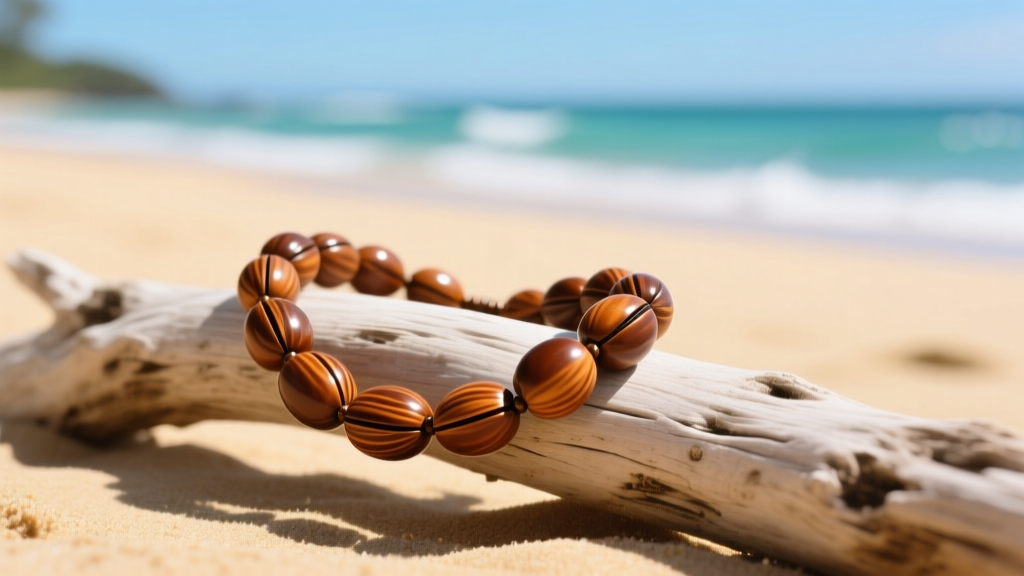
- Kukui Nut Lei: The kukui (candlenut) is the state tree of Hawaii. Artisans harvest the nuts, sand them down to a smooth finish, and polish them using natural oils or modern lacquers. They range in color from deep mahogany to pale yellow. A high-quality kukui nut lei is strung on heavy-duty nylon or traditional olonā fiber and serves as a durable, everyday necklace.
- Puka Shell Lei: True puka shells are the naturally occurring, cone-shaped remnants of the cone snail. The word puka translates to "hole" in Hawaiian. Authentic puka necklaces feature asymmetrical, naturally formed holes and a pearlescent finish. Beware of cheap imitations made from punched plastic or bleached sea shells, which lack the natural curvature and durability of genuine cone snail shells.
The Haku Technique
For floral and fern necklaces, the traditional method of creation is called haku. This involves braiding and binding materials onto a backing cord without the use of needles. A haku lei is considered a high art form, requiring deep botanical knowledge and exceptional manual dexterity. While not a permanent jewelry piece, a haku lei is the pinnacle of Hawaiian ceremonial neckwear.
Niho Palaoa: The Sacred Whale Tooth Pendant
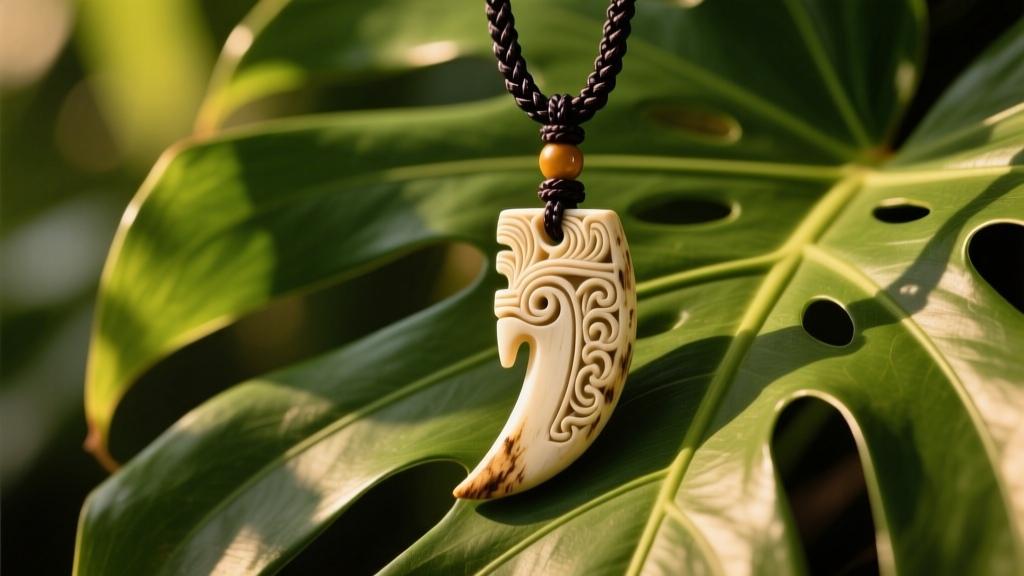
If you are asking "what is a Hawaiian necklace called" in the context of pre-contact, high-status indigenous jewelry, the answer is the niho palaoa. This is not a full chain, but rather a highly sacred, crescent-shaped pendant traditionally carved from the tooth of a sperm whale (palaoa).
The niho palaoa was exclusively worn by the aliʻi (Hawaiian royalty and chiefs). The crescent shape is widely believed to represent a tongue, symbolizing the chief's mana (spiritual power), their divine right to speak, and their role as the voice of the people. The pendant was suspended from a pali—a thick, intricate braid made from thousands of strands of human hair or the ultra-strong olonā plant fiber.
Modern Interpretations and Materials
Today, harvesting whale ivory is strictly prohibited and culturally inappropriate for commercial sale. However, the niho palaoa remains a vital cultural symbol. Modern Hawaiian artisans carve these pendants from alternative, sustainable materials:
- Carved Bone: Typically cow or buffalo bone, offering a similar porous texture and weight to ivory.
- Wood: Dense, native woods like kou or milo are polished to a high shine.
- Coral and Stone: Occasionally carved from local limestone or fossilized coral.
When purchasing a modern niho palaoa, ensure it is carved by a Native Hawaiian artisan. Mass-produced resin replicas sold in tourist shops lack the cultural weight and precise anatomical proportions of authentic carvings. For deeper cultural context on indigenous adornments, the University of Hawaii system offers extensive open-access archives on traditional Hawaiian material culture.
Hawaiian Heirloom Jewelry: The Modern Classic
Walk into any fine jewelry store in Waikīkī or Maui today, and if you ask for a Hawaiian necklace, you will be directed to Hawaiian Heirloom Jewelry. This style represents the bridge between ancient Hawaiian motifs and Victorian-era metalworking.
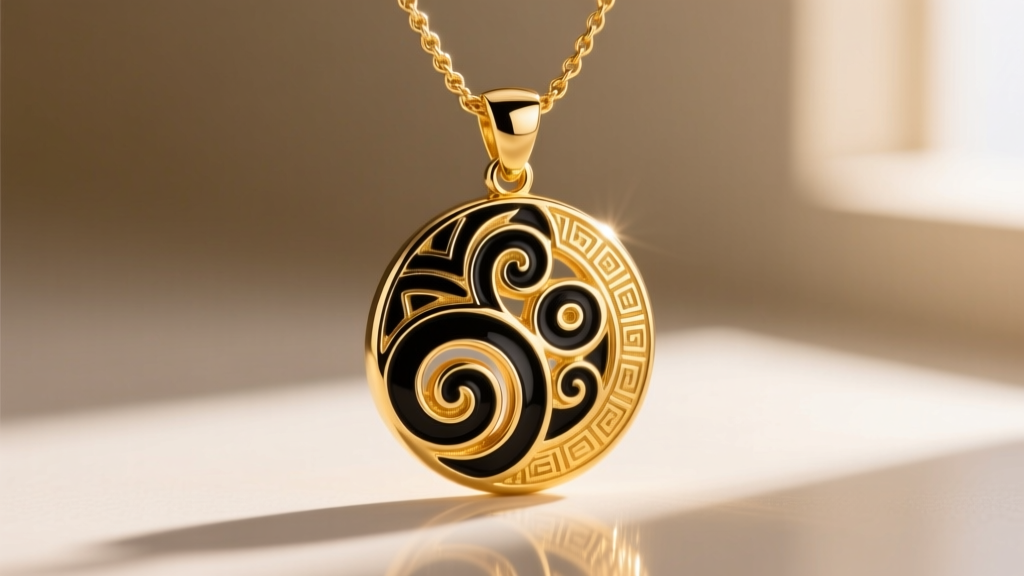
The tradition began in the late 19th century. Following the death of Prince Albert Edward (son of Queen Victoria) in 1892, Queen Liliʻuokalani and the Hawaiian royal family adopted the Victorian mourning practice of wearing black enameled gold jewelry. The Queen famously gifted intricate gold bracelets and pendants, engraved with Hawaiian scrollwork and filled with black enamel, to her ladies-in-waiting. This sparked a localized jewelry movement that survives to this day.
Anatomy of an Heirloom Pendant
Authentic Hawaiian heirloom necklaces feature distinct characteristics that separate them from generic gold pendants:
- Metal Purity: Traditional pieces are cast in 14k or 18k yellow, white, or rose gold. 10k gold is sometimes used for budget-friendly options, but 14k remains the industry standard for durability and color.
- Black Enamel Inlay: The defining feature is the deep black vitreous enamel baked into recessed scrollwork. This provides a striking contrast against the polished gold.
- Motifs: The engravings typically feature the Maile leaf (a sacred vine used in ceremonies), the plumeria flower, or the hibiscus.
- Personalization: It is standard practice to have the wearer's first name or a Hawaiian phrase engraved in an Old English or script font on the face of the pendant.
Comparing Hawaiian Necklace Types
To help you navigate your purchase, here is a structured comparison of the three primary categories of Hawaiian necklaces available on the market today.
| Necklace Type | Primary Materials | Price Range (USD) | Cultural Context & Occasion |
|---|---|---|---|
| Kukui / Puka Lei | Natural nuts, cone snail shells, nylon cord | $40 - $150 | Casual wear, beach attire, everyday island lifestyle |
| Niho Palaoa | Carved bone, wood, braided cord | $120 - $450 | Ceremonial wear, graduation, formal cultural events |
| Heirloom Pendant | 14k/18k Gold, vitreous black enamel | $600 - $3,500+ | Milestone gifts, weddings, legacy family pieces |
Sourcing Authentic Hawaiian Necklaces
The market is flooded with imported, mass-produced "Hawaiian-style" jewelry. To ensure you are buying an authentic piece that supports the local economy, follow these sourcing rules:
- Look for the 'Made in Hawaii' Tag: By law, jewelry manufactured outside the state cannot legally be sold as authentic Hawaiian jewelry in local markets. However, online retailers may bend this rule, so always verify the manufacturer's location.
- Check the Heirloom Hallmark: Reputable Hawaiian heirloom manufacturers (such as Royal Hawaiian Heritage or Maile's Jewelry) stamp their pieces with a specific maker's mark alongside the gold purity stamp (e.g., "14K").
- Support Indigenous Artisans: For niho palaoa and carved bone pieces, purchase directly from Native Hawaiian artists at verified craft fairs like the Made in Hawaii Festival or through verified indigenous art cooperatives.
Care and Maintenance: Expert Guidelines
Different Hawaiian necklaces require vastly different care routines. Using the wrong cleaning method can permanently destroy these pieces.
Caring for Heirloom Gold and Enamel
Never put Hawaiian heirloom jewelry in an ultrasonic cleaner. The high-frequency vibrations used to shake dirt out of diamond settings will cause the brittle vitreous black enamel to micro-fracture and eventually pop out of the gold recesses. Instead, clean heirloom pendants using a soft, lint-free microfiber cloth and warm water with a drop of mild dish soap. Gently rub the gold with a soft-bristled baby toothbrush, avoiding aggressive scrubbing on the enamel channels.
Maintaining Kukui Nut and Puka Leis
Kukui nuts are organic and can dry out, crack, or lose their luster over time. Every six months, rub a small amount of food-grade mineral oil or specialized wood wax into the nuts to restore their deep mahogany sheen and prevent moisture loss. Puka shells are highly durable but the nylon or silk stringing material is not. If you wear your puka lei in the ocean frequently, the salt and sun will degrade the cord. Have your lei professionally restrung every 2 to 3 years using heavy-duty, UV-resistant nylon thread.
Final Thoughts
So, what is a Hawaiian necklace called? It is a lei when crafted from the earth's natural bounty, a niho palaoa when carved into a sacred symbol of leadership, and a Hawaiian heirloom pendant when forged in gold and enamel to mark a life milestone. By understanding these distinctions, you move beyond the role of a simple tourist and become an informed collector who respects the deep, enduring history of Hawaiian adornment.


