Where Is Sophie's Necklace? 2026 Value & Auth Guide
Tracking down high-profile provenance jewelry? Discover our 2026 budget and value assessment guide to authenticate and price vintage diamond necklaces.

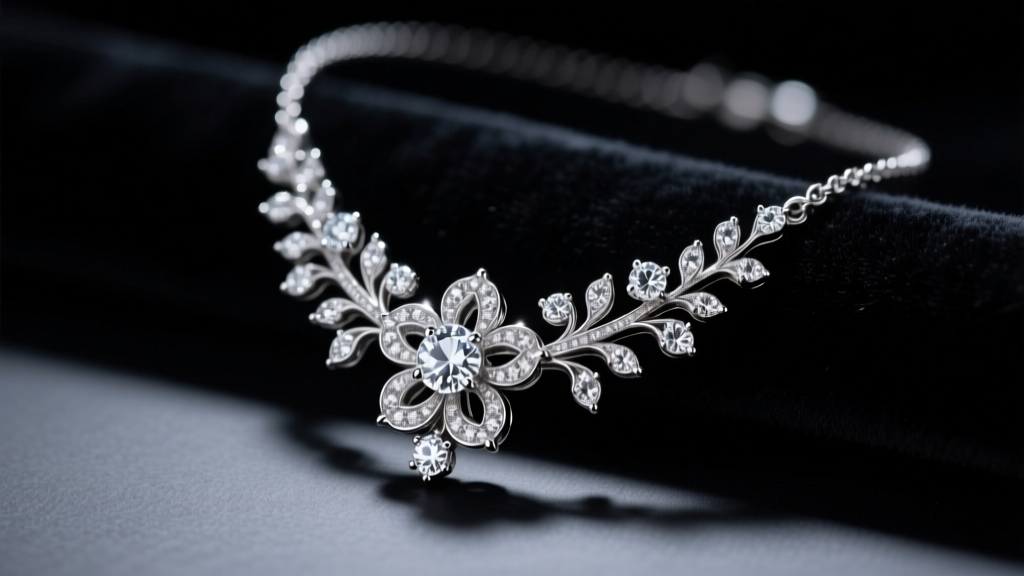
The Viral Hunt: What "Sophie's Necklace" Teaches Us About Provenance
When collectors, royal watchers, and vintage jewelry enthusiasts type where is sophie's necklace into search engines, they are usually tracking a high-profile piece of provenance jewelry—whether referring to custom celebrity wedding diamonds or historic royal floral colliers that occasionally vanish from public view into private vaults. But beyond the internet mystery, this specific search query highlights a massive trend in the 2026 jewelry market: the intense demand for provenance (the documented history of ownership) and how it radically skews budget and value assessments.
As a senior appraiser, I see buyers routinely overpay for "celebrity-adjacent" pieces or severely undervalue authentic vintage necklaces simply because they lack a recognizable name. Understanding where a specific necklace is, who made it, and how to assess its intrinsic versus historical value is the cornerstone of smart jewelry investing. This guide deconstructs the exact frameworks we use to evaluate, authenticate, and price high-stakes necklaces.
Deconstructing the Provenance Premium
The "provenance premium" is the additional financial value a necklace commands purely because of its previous owner or historical significance. According to archival data from the Christie's Jewellery Department, a documented royal or A-list celebrity provenance can inflate a necklace's hammer price by 40% to over 300% compared to its intrinsic melt-and-stone value.
However, the budget-conscious buyer must separate the story from the specifications. If you are hunting for a necklace with a similar aesthetic to a famous "Sophie" piece but lack a six-figure budget, you must evaluate the piece based on its material grades and structural integrity.
The "Frankenstein" Failure Mode
The most common failure mode when buying vintage provenance necklaces on the secondary market is the "Frankenstein" assembly. This occurs when a seller pairs an authentic vintage pendant with a modern, mass-produced chain to replace a broken original. While this makes the piece wearable, it instantly destroys the provenance premium. Furthermore, modern chains often lack the structural shear strength to hold heavy vintage pendants. For example, a 12-gram vintage diamond cross pendant will rapidly stretch and snap a modern 1.0mm cable chain. For heavy pendants, you must insist on a minimum 2.5mm gauge chain with a reinforced lobster or bolt-ring clasp.
Budget Assessment: Pricing Tiers for High-Value Necklaces
To build a realistic budget in 2026, you must understand the pricing tiers for diamond and gemstone necklaces. Below is a comparative assessment of a classic 3-carat total weight (CTW) diamond floral pendant necklace across different market categories.
| Category | Material Specs | Estimated 2026 Price Range | Value Proposition |
|---|---|---|---|
| Modern Lab-Grown | 14k Gold, 3 CTW Lab Diamonds (E/VS1) | $1,800 - $2,800 | Best for pure aesthetics on a strict budget; zero resale value. |
| Modern Natural | 18k Gold, 3 CTW Natural (F/VS2) | $12,000 - $18,000 | Strong intrinsic value; highly liquid if backed by GIA grading. |
| Unsigned Vintage (1920-1950) | Platinum 950, 3 CTW Old Mine Cut | $15,000 - $25,000 | Excellent craftsmanship; appeals to collectors of antique cuts. |
| Signed Provenance (e.g., Cartier, Boucheron) | Platinum, 3 CTW, Archival Documentation | $45,000 - $85,000+ | High provenance premium; acts as a stable alternative asset. |
Material Grades and Pricing Realities
When assessing value, the Gemological Institute of America (GIA) grading standards remain the absolute benchmark. In 2026, the price gap between D-color (colorless) and G-color (near colorless) diamonds in vintage settings has widened. A G-color, VS1 clarity diamond offers a 20-30% discount compared to a D-color stone, with a difference that is entirely invisible to the naked eye once set in a complex floral or halo pendant. Budget-savvy buyers should always target G-H color ranges and VS1-SI1 clarity grades to maximize carat weight without sacrificing visual brilliance.
Authentication Framework: Verifying High-Stakes Necklaces
If you believe you have found the real deal—whether it is a piece connected to a famous Sophie or a high-end signed vintage collier—you must run it through a rigorous authentication framework before transferring funds.
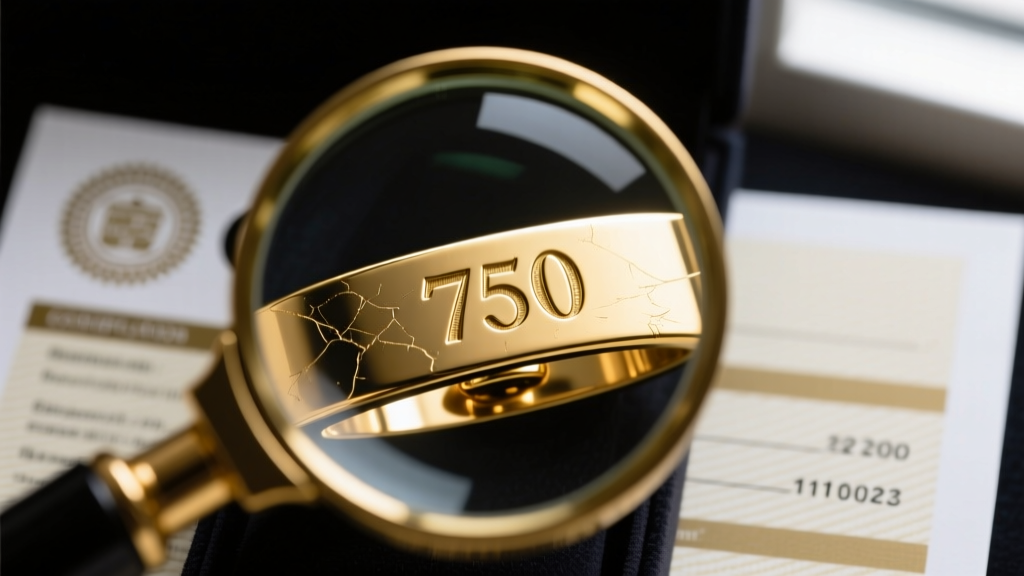
- Hallmark Verification: Use a 10x jeweler's loupe to inspect the clasp and the jump ring. Look for precise metal purity marks. Platinum must be stamped 950 or PLAT. 18k gold will be stamped 750 or 18k. Beware of blurry, shallow, or misaligned stamps, which indicate modern laser forgery or a replaced clasp.
- Maker's Mark Cross-Referencing: Signed houses use specific, registered maker's marks (e.g., Cartier's interlocking Cs or Boucheron's specific serial numbering). These must match the era of the piece. A 1930s Art Deco piece should not feature a modern serial number format.
- Stone Consistency Check: Under UV light, natural vintage diamonds often show varied fluorescence, whereas modern synthetic stones or glass pastes will react uniformly or show mold marks under magnification.
- Archival Matching: Request high-resolution archival photos from the seller. Compare the exact prong placement, the number of melee diamonds in the halo, and the specific chain link pattern. Even a single missing millimeter of chain can indicate a repair that alters the value.
Where to Source Authentic Vintage Pieces on a Budget
Knowing where to look is just as important as knowing what to look for. If you are trying to track down a specific style of necklace without paying the retail provenance premium, avoid standard luxury boutiques. Instead, target the following channels:
- Regional Auction Houses: While Sotheby's and Christie's handle the multi-million-dollar royal pieces, regional houses (like Bonhams or local estate auctioneers) frequently misattribute unsigned vintage pieces. You can often find high-quality platinum and diamond necklaces selling for 30% below market value simply because they lack a famous signature.
- Estate Liquidations: Buying directly from estate liquidators before items are curated for vintage jewelry dealers allows you to acquire pieces at near-melt value. This requires you to have your own authentication skills dialed in.
- Specialized Online Forums: Communities like the Antique Jewelry University or specialized collector forums often feature private sales where enthusiasts trade documented pieces without the 25-40% buyer's premium charged by major auction houses.
Final Verdict: Is the Provenance Premium Worth It?
The enduring question of where is sophie's necklace ultimately boils down to understanding vault rotations and private collections. For the everyday buyer, chasing the exact provenance of a viral or royal necklace is a budget trap. The true value lies in using those famous pieces as aesthetic benchmarks. By applying strict material assessments—demanding proper chain gauges, verifying 750/950 hallmarks, and targeting near-colorless diamond grades—you can acquire a necklace that rivals any celebrity piece in beauty and structural integrity, while keeping your budget firmly grounded in reality.


