Is Your Necklace Old? Vintage & Antique Buying Guide
Learn how to authenticate and buy an old necklace. Discover hallmark secrets, clasp identification, and era-specific pricing for antique pendants.

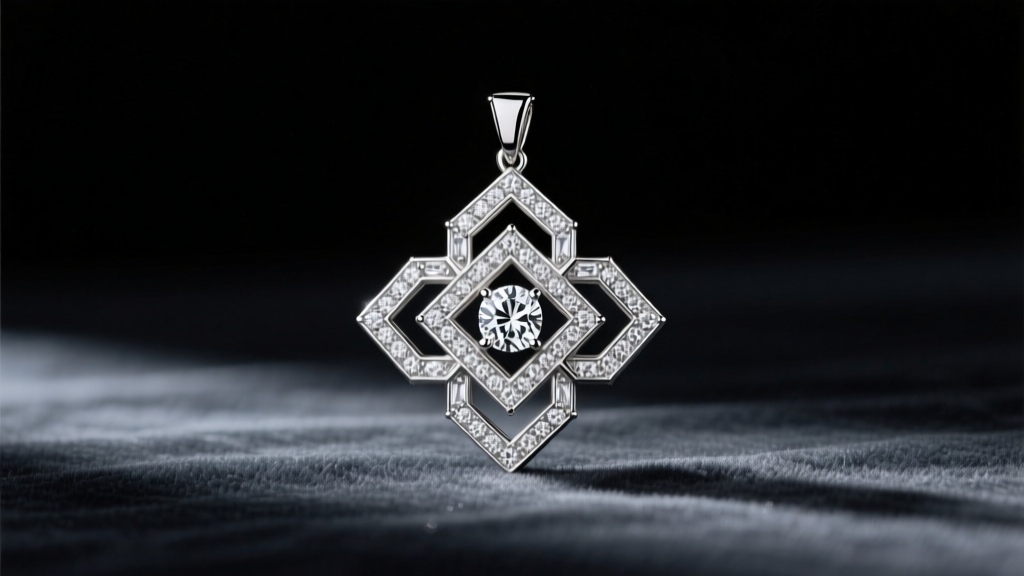
The Secondary Market in 2026: Why Buy an Old Necklace?
The secondary market for antique and vintage jewelry has surged, driven by a desire for sustainable luxury and unparalleled craftsmanship. When evaluating a necklace, old world techniques—such as hand-forged links and intricate filigree—offer a level of artistry rarely seen in modern mass production. However, navigating the vintage pendant market requires a trained eye. Reproductions have become increasingly sophisticated, making it essential to understand the structural and historical markers of genuine antique jewelry. This guide will equip you with the exact metrics, hallmark codes, and construction details needed to authenticate and price an old necklace confidently.
Era Identification: Dating Your Pendant
An antique necklace is generally defined as being over 100 years old, while vintage pieces are at least 20 to 30 years old. Identifying the era is your first step in authentication.
Victorian (1837–1901)
Victorian necklaces often feature yellow gold (typically 15k or 18k) and romantic motifs like serpents, flowers, and lockets. Early Victorian pieces may feature foil-backed gemstones. Warning: Never submerge foil-backed stones in water, as the foil will degrade and turn black. Look for hand-engraved details and slightly irregular, hand-cut rose diamonds.
Art Nouveau (1890–1910)
Characterized by flowing, organic lines, nature motifs (dragonflies, nymphs), and the use of plique-à-jour enamel. Gold was often lower karat (14k or 18k) to allow for intricate metal bending.
Art Deco (1920–1935)
The pinnacle of geometric design. Art Deco pendants are predominantly crafted in platinum or white gold, featuring stark linear patterns, calibré-cut sapphires, and old European cut diamonds. Sautoir (long chain) necklaces with tassel pendants are highly sought after.
Retro (1935–1950)
Due to platinum shortages during WWII, Retro jewelry heavily utilized rose and yellow gold. Necklaces from this era are bold, chunky, and feature large, dramatic gemstones like aquamarines and citrines in substantial, three-dimensional settings.
Authentication: Clasps, Chains, and Construction
When examining a necklace, old construction methods are your primary defense against modern reproductions. The clasp and chain links often reveal more about a piece's true age than the pendant itself.
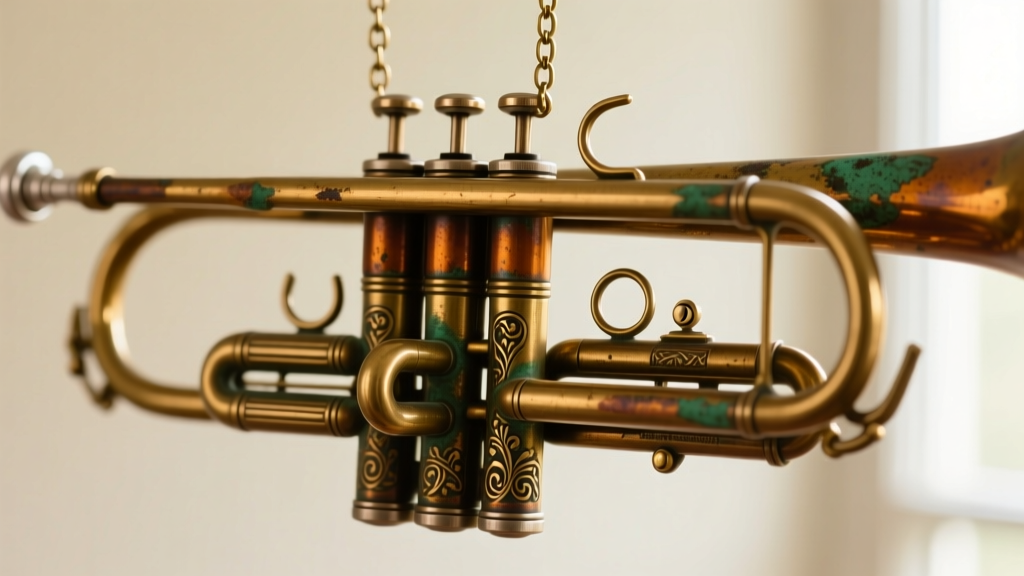
The Clasp Timeline
- C-Clasp (Pre-1900s): A simple 'C' shaped hook without a locking mechanism. Commonly found on Victorian and early Edwardian brooches and heavy chains.
- Trombone Clasp (1890s–1950s): A push-pull tube mechanism widely used in European jewelry. If a piece claims to be American-made but features a trombone clasp, investigate further.
- Spring Ring (1900s–Present): Invented in the early 1900s but became standard later. Early spring rings were often larger and lacked the tiny lever found on modern versions.
- Lobster Claw (Post-1970s): If an 'antique' necklace features a modern lobster clasp, it has either been repaired, or the entire chain is a modern replacement.
Chain Link Profiles
Antique chains were soldered link by link. Run your fingernail over the links; you should feel tiny, distinct soldering joints. Modern chains are often machine-stamped and seamlessly welded. Furthermore, antique guard chains (used to secure pocket watches or pendants) often feature a swivel dog clip, which should show appropriate wear and patina consistent with the chain's metal.
Decoding Hallmarks and Metal Purity
Hallmarks are the fingerprints of antique jewelry. According to the Lang Antiques University, understanding international assay marks is non-negotiable for serious collectors.
| Country | Mark | Meaning | Era Notes |
|---|---|---|---|
| France | Eagle Head | 18k Gold or higher | Used since 1838. Look for it on the pendant bail or clasp. |
| France | Boar Head / Crab | Silver / Gold (post-1900s) | Boar head for silver; crab for 18k gold in specific regions. |
| United Kingdom | Lion Passant | Sterling Silver (925) | Accompanied by a date letter and town mark (e.g., anchor for Birmingham). |
| United Kingdom | Crown & Number | Gold Purity (e.g., 18, 14) | Standardized heavily after 1854. |
| United States | Maker's Mark / Karat | Varies (e.g., 14K) | No official government assay system; relies on maker's stamps. |
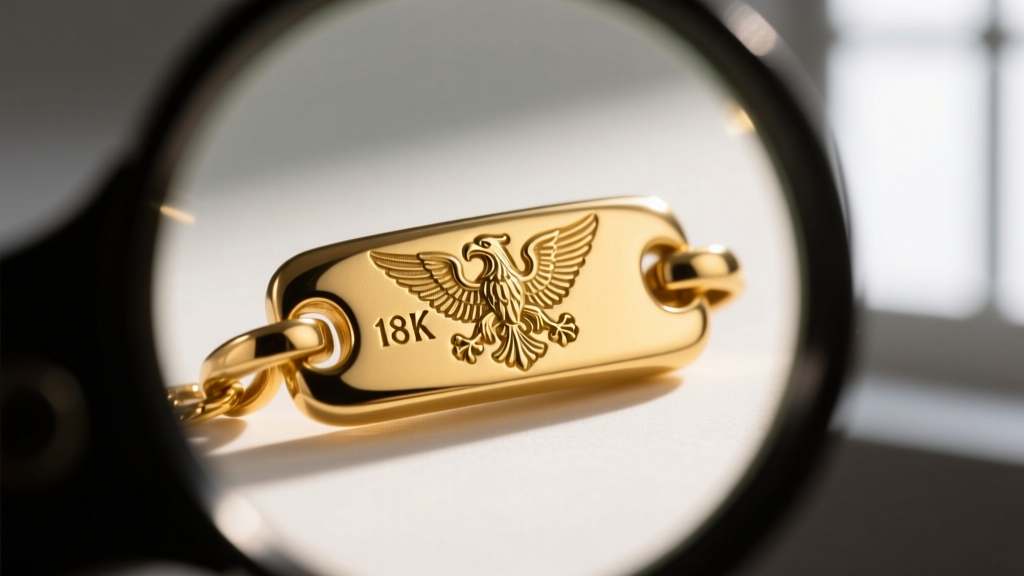
Pro Tip: Always use a 10x or 20x jeweler's loupe to inspect hallmarks. Modern laser engraving looks crisp and uniform, whereas antique hand-stamped hallmarks will show slight unevenness, double-striking, or softening due to decades of polishing.
Gemstone Cuts: The Devil is in the Facets
The Gemological Institute of America (GIA) notes that diamond cutting technology evolved drastically over the centuries. An old necklace will rarely feature modern brilliant-cut diamonds.
Old Mine Cut (18th Century – Late 1800s)
Characterized by a squarish or cushion shape with a high crown, deep pavilion, and a large, flat culet (the bottom point of the stone). These were cut by hand to maximize carat weight rather than brilliance, giving them a romantic, chunky sparkle.
Old European Cut (Late 1800s – 1930s)
The precursor to the modern round brilliant. These are round but feature a smaller table (top facet), higher crown, and an open culet that is often visible to the naked eye as a tiny dark circle in the center of the stone.
Rose Cut (16th Century – Present)
Flat on the bottom with a domed top covered in triangular facets. Highly prevalent in Victorian and Georgian lockets. Because they lack a pavilion, rose cuts are more transparent and require a foil or dark backing to create contrast and sparkle.
Pricing Framework: What You Should Actually Pay in 2026
Pricing an antique pendant requires factoring in historical provenance, material value, and rarity. Below is a baseline pricing framework for authenticated pieces in good condition.
- Victorian 15k Gold Locket (Hand-Engraved, Empty): $600 – $1,800. (Hairwork or original tintype portraits add $300–$500).
- Art Deco Platinum & Diamond Sautoir (15-18 inches): $4,500 – $12,000. (Dependent on total carat weight and melee quality).
- Art Nouveau 18k Gold & Enamel Pendant: $2,000 – $8,000. (Plique-à-jour enamel in pristine condition commands a massive premium).
- Retro 14k Rose Gold & Aquamarine Pendant: $1,200 – $3,500. (Highly dependent on the size and clarity of the center stone).
Buyer's Rule of Thumb: Never pay a premium for 'antique' status if the piece has been heavily altered. A Victorian pendant mounted on a modern 14k white gold chain should be priced for the pendant alone, minus the cost of chain replacement.
Final Checklist Before You Buy
Before finalizing your purchase, run through this authentication checklist:
- Check the Wear: Look at the jump ring connecting the pendant to the chain. Is it worn thin? Genuine antique pieces will show soft, rounded wear patterns, not sharp, modern filing marks.
- Test the Metal: If buying from a private seller, request an XRF (X-ray fluorescence) test or a careful acid test on an inconspicuous area to verify gold purity.
- Inspect the Prongs: Antique prongs are often hand-carved and may be flat or slightly rounded. Ensure they are not overly worn, as replacing them with modern rounded prongs alters the historical integrity.
- Verify the Stones: Use a loupe to check for girdle inscriptions. Modern lab-grown diamonds often have microscopic laser inscriptions that will instantly debunk an 'antique' claim.
Buying an old necklace is an investment in history. By focusing on structural clues, historical hallmarks, and period-correct gemstone cuts, you can build a collection that is not only financially sound but rich in heritage and artistry.


