How to Choose and Style a Genuine Morgan Dollar Necklace
Discover how to buy, authenticate, and style a genuine Morgan dollar necklace. Learn about silver grades, bezel settings, and chain pairings.

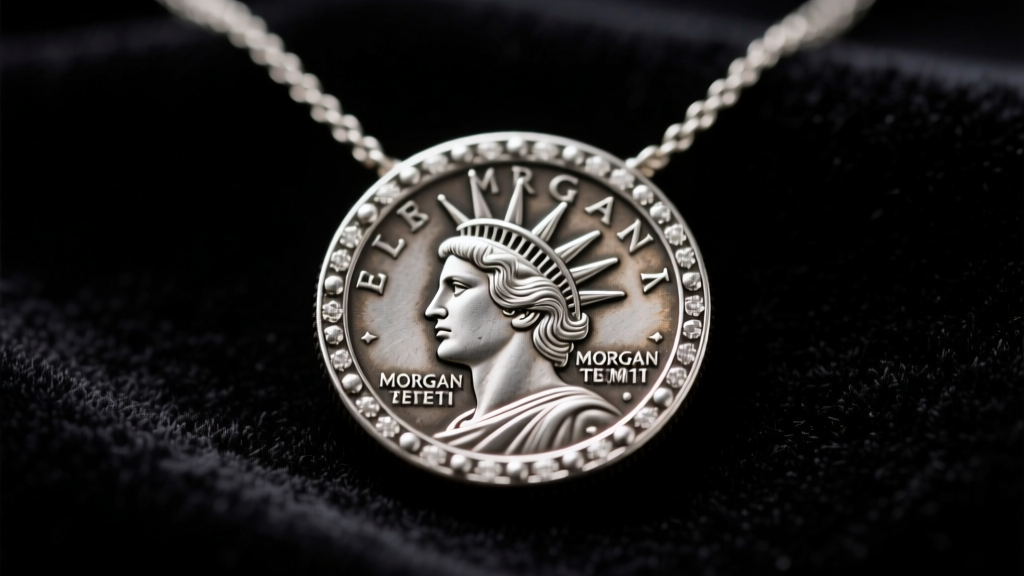
The Intersection of Numismatics and Everyday Style
Wearing a piece of history around your neck is a powerful style statement, and few artifacts capture the American imagination quite like the Morgan silver dollar. Minted between 1878 and 1921, these coins were the workhorses of the Wild West and the Gilded Age. Today, the morgan dollar necklace has transcended its roots as a mere souvenir to become a staple in vintage-inspired, Western, and heritage fashion. However, transitioning a numismatic treasure into a wearable pendant requires careful consideration. Unlike stamping a blank piece of silver, modifying a historical coin carries risks to both its structural integrity and its financial value. This beginner-friendly guide will walk you through the exact specifications, setting techniques, and authentication methods you need to know before investing in your own piece of wearable history.
Understanding the Anatomy of a Morgan Silver Dollar
Before you purchase a coin for jewelry, you must understand what you are actually buying. Designed by George T. Morgan, this iconic coin is not pure silver. According to the Professional Coin Grading Service (PCGS), the standard Morgan dollar is composed of 90% silver and 10% copper. This copper alloy was essential; pure silver is too soft to withstand the high-pressure striking process of minting or the daily wear of circulation.
Critical Specifications for Jewelry Makers
- Total Weight: 26.73 grams (±0.09 grams tolerance)
- Diameter: 38.1 millimeters
- Thickness: Approximately 2.4 millimeters
- Actual Silver Weight (ASW): 0.77344 troy ounces
Because the coin weighs nearly 27 grams, your jewelry findings must be robust. A flimsy chain or a poorly soldered bail will inevitably snap under the pendulum-like motion of a heavy pendant. Furthermore, the 10% copper content means the coin is susceptible to environmental toning and tarnish, which we will address in the care section below.
Bezel vs. Prong: Choosing the Right Setting
The most critical decision when creating a morgan dollar necklace is how the coin is secured. The method you choose can either preserve the coin's numismatic premium or destroy it entirely.
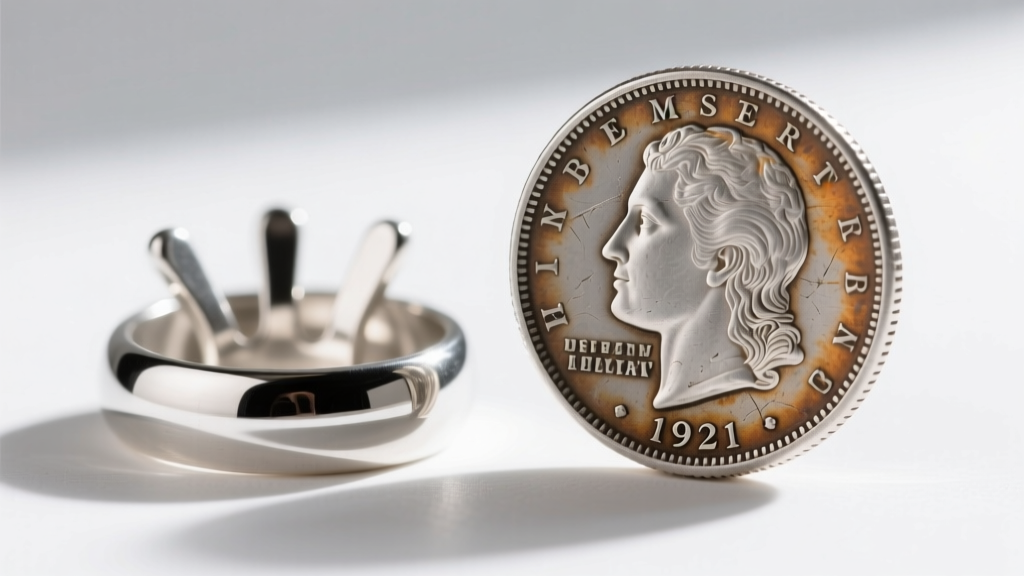
The Coin Bezel (The Professional Choice)
A custom-fitted sterling silver or 14k gold bezel is the gold standard for coin jewelry. A jeweler creates a metal frame that wraps snugly around the 38.1mm edge of the coin, with a lip that folds over the obverse and reverse rims. This method requires zero adhesives, zero drilling, and zero heat. Crucially, it protects the vulnerable rim from dings and drops. For highly graded coins (MS63 and above), jewelers often use a 'coin capsule' bezel, which seals the coin inside an airtight acrylic or glass dome to prevent tarnish and preserve the mint luster.
Prong Settings and Soldered Bails (The Danger Zone)
Some mass-market jewelers use four-prong settings that grip the edge of the coin. While this leaves more of the rim visible, the prongs must be pushed tightly against the silver, which often results in deep scratches or pressure marks on the coin's edge. Worse still are 'drilled' pendants, where a jeweler bores a hole directly through the top of Lady Liberty's head to thread a jump ring. In the numismatic community, a drilled coin is considered 'damaged' and instantly loses its collector premium, dropping its value to mere silver melt weight. Always opt for non-destructive bezel settings.
How to Authenticate Your Morgan Dollar
The market is currently flooded with counterfeit Morgan dollars, particularly low-weight base metal replicas manufactured overseas. Because you are buying a morgan dollar necklace for its historical and material value, you must verify authenticity. The American Numismatic Association (ANA) recommends several non-destructive tests that beginners can perform.
The Weight and Dimension Test
Invest in a digital jeweler's scale (accurate to 0.01g) and a digital caliper. A genuine Morgan dollar will weigh exactly 26.73 grams. If the coin weighs 24 grams or 30 grams, it is a fake. Counterfeiters often struggle to replicate the exact density of the 90/10 silver-copper alloy. Similarly, measure the diameter; it must be precisely 38.1mm. Fakes are frequently slightly undersized or oversized.
The Magnet and Ping Tests
Silver is diamagnetic, meaning it does not attract to magnets. If a rare-earth neodymium magnet sticks to the coin, it contains iron or steel and is an immediate fake. For the 'ping' test, gently strike the edge of the coin with another silver coin or a wooden pencil. Genuine 90% silver produces a high-pitched, resonant ring that sustains for several seconds. Base metal fakes produce a dull, flat 'clink' that dies instantly.
Third-Party Grading Slabs
If you are buying a high-end necklace featuring a rare date (like the 1893-S or 1889-CC), ensure the coin is housed in a tamper-evident slab from PCGS or the Numismatic Guaranty Company (NGC). Jewelers can create custom bezels that frame these slabs without breaking the seal, guaranteeing authenticity and grade.
Pairing Your Pendant with the Perfect Chain
A 38mm silver dollar in a sterling bezel can easily weigh between 35 and 45 grams total. Standard fashion chains (1mm to 2mm) will warp, stretch, or snap under this weight. You need a chain with structural integrity and a secure clasp mechanism.
| Chain Style | Minimum Gauge (mm) | Clasp Requirement | Best For |
|---|---|---|---|
| Rope Chain | 3.5mm - 5.0mm | Large Lobster Claw | Classic, durable, catches the light beautifully |
| Figaro Chain | 4.0mm - 6.0mm | Heavy Spring Ring | Western wear, vintage Americana aesthetics |
| Wheat (Spiga) Chain | 3.0mm - 4.5mm | Lobster Claw | Intricate texture, highly resistant to kinking |
| Curb Chain | 5.0mm+ | Toggle or Lobster | Bold, masculine, or heavy statement layering |
Pro-Tip on Bails: Ensure the 'bail' (the loop connecting the bezel to the chain) is cast or soldered from solid sterling silver. Plated brass bails will wear through rapidly due to the friction caused by the heavy coin swinging against it.
Styling Your Numismatic Jewelry
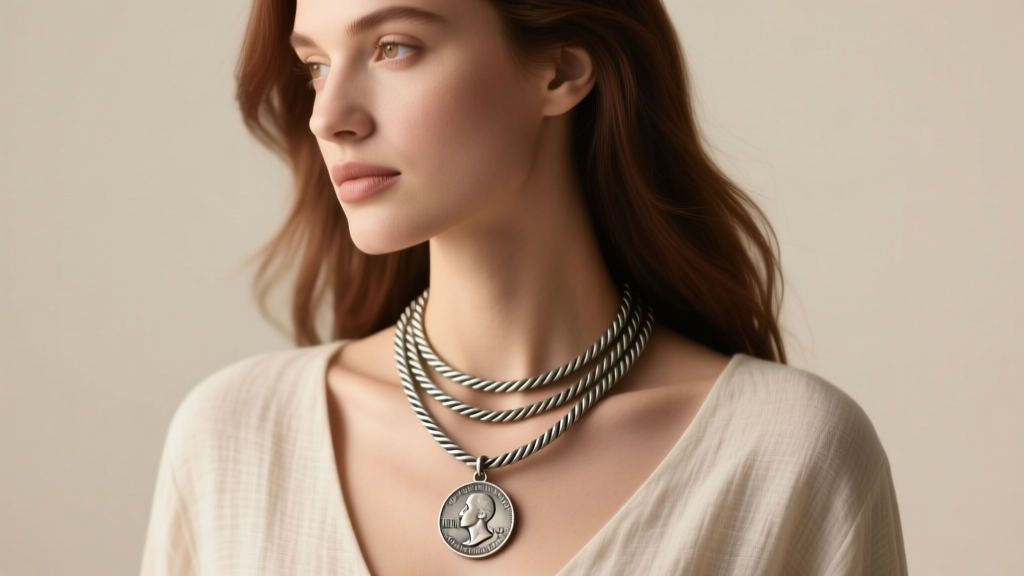
The morgan dollar necklace is inherently bold. Its 38mm profile demands attention, making it an excellent anchor piece for layered necklace stacks or a standalone statement item. For a rugged, heritage look, pair a heavily circulated (Extra Fine or About Uncirculated) coin set in an oxidized sterling silver bezel with a dark denim shirt or a flannel. The dark, tarnished recesses of the coin will complement the oxidized chain.
For a more refined, elevated aesthetic, choose a coin with original mint luster (often featuring vibrant rainbow 'toning') and set it in a polished 14k yellow gold bezel. Worn at a 20-inch or 22-inch length over a solid-colored linen blouse or a deep V-neck sweater, the gold rim and brilliant silver face create a striking contrast that bridges vintage history with modern luxury.
Care and Maintenance: Preserving the Patina
The most common mistake beginners make with silver coin jewelry is aggressively cleaning it. In the numismatic world, a coin's natural toning (patina) is highly prized. Dipping a Morgan dollar in harsh chemical silver cleaners (like Tarn-X) strips away the toning and the top layer of silver, leaving the coin with a flat, frosty, unnatural white appearance. This instantly diminishes its value to serious collectors.
Instead, maintain your necklace using a dry, untreated microfiber cloth or a specialized jeweler's polishing cloth (like a Sunshine cloth). Gently rub only the high points of the relief—Lady Liberty's cheek, the eagle's breast feathers, and the bezel rim. Leave the dark, oxidized silver in the recessed lettering and stars intact; this contrast is what gives the Morgan design its stunning three-dimensional depth. When not wearing the piece, store it in an anti-tarnish flannel pouch to slow the oxidation process caused by ambient humidity and sulfur in the air.


