The Ultimate 2026 White Gold Opal Necklace Gift Guide
Discover the perfect white gold opal necklace for every occasion in our 2026 gift guide. Learn about opal types, karat grades, and pricing.

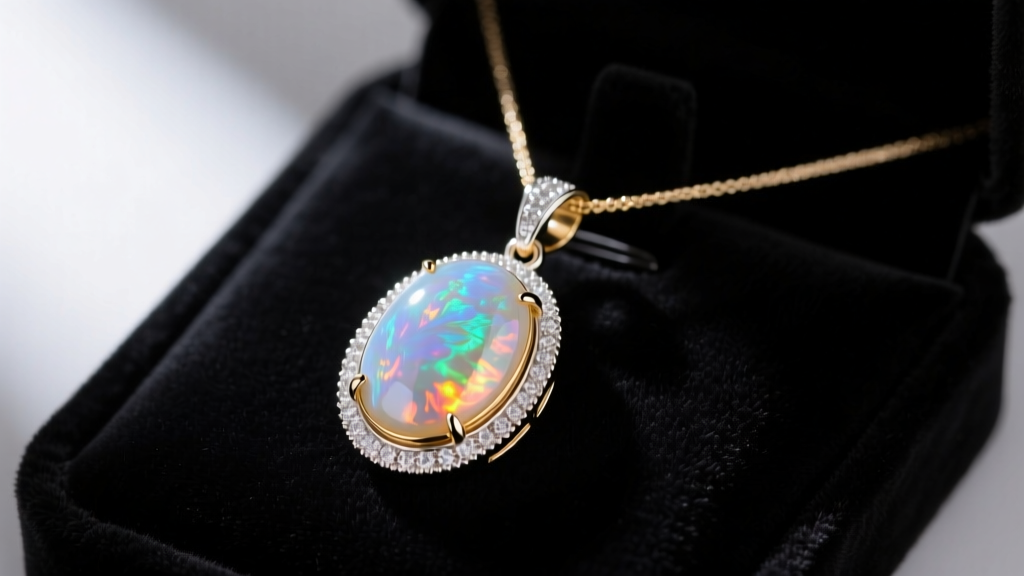
The Enduring Allure of the White Gold Opal Necklace
Gifting jewelry is an exercise in emotional translation. You are attempting to capture a relationship, a milestone, or a shared memory in a tangible object. In 2026, the white gold opal necklace has surged to the forefront of meaningful gifting, offering a striking contrast between the cool, modern luster of rhodium-plated white gold and the ancient, fiery play-of-color inherent in opals. Unlike the predictable sparkle of a diamond, an opal is a living canvas of spectral light, making it an deeply personal choice for anniversaries, birthdays, and graduations.
However, gifting an opal requires more than just picking a pretty color. Opals are complex, water-bearing gemstones that demand specific setting styles and care routines. Furthermore, the term 'white gold' encompasses a range of alloy mixes that directly impact the longevity of the piece. This comprehensive guide will equip you with the gemological knowledge and market insights necessary to select a white gold opal necklace that will be cherished for a lifetime, rather than relegated to a jewelry box after a single season.
Decoding Opal Varieties: Australian vs. Ethiopian
The most critical decision you will make when purchasing an opal necklace is selecting the gem's origin. The market is currently dominated by two distinct types of opal, each with unique structural properties, price points, and care requirements. According to the Gemological Institute of America (GIA), understanding the difference between hydrophane and non-hydrophane opals is essential for long-term wearability.
Ethiopian Welo Opals: The Hydrophane Marvel
Ethiopian Welo opals are volcanic in origin and are classified as 'hydrophane,' meaning they are porous and can absorb water. When exposed to moisture, these opals can temporarily lose their play-of-color, turning transparent or yellowish until they dry out. While this sounds alarming, it is a natural characteristic. Ethiopian opals are celebrated for their intense, neon-like flashes of red, green, and blue against a translucent or white body color. They are also significantly more affordable than their Australian counterparts, making them the premier choice for budget-conscious gifters who want maximum visual impact.
Australian Solid Opals: The Sedimentary Standard
Australian opals, particularly Black and Boulder opals, are sedimentary and non-hydrophane. They do not absorb water, making them far more stable for everyday wear. Australian Black opals feature a dark body tone that acts as a backdrop for brilliant, electric flashes of color, while Boulder opals are cut with the host ironstone still attached, creating unique, earthy patterns. Because they are geologically stable and increasingly rare due to depleted mines, Australian opals command a premium price and are considered heirloom-grade investments.
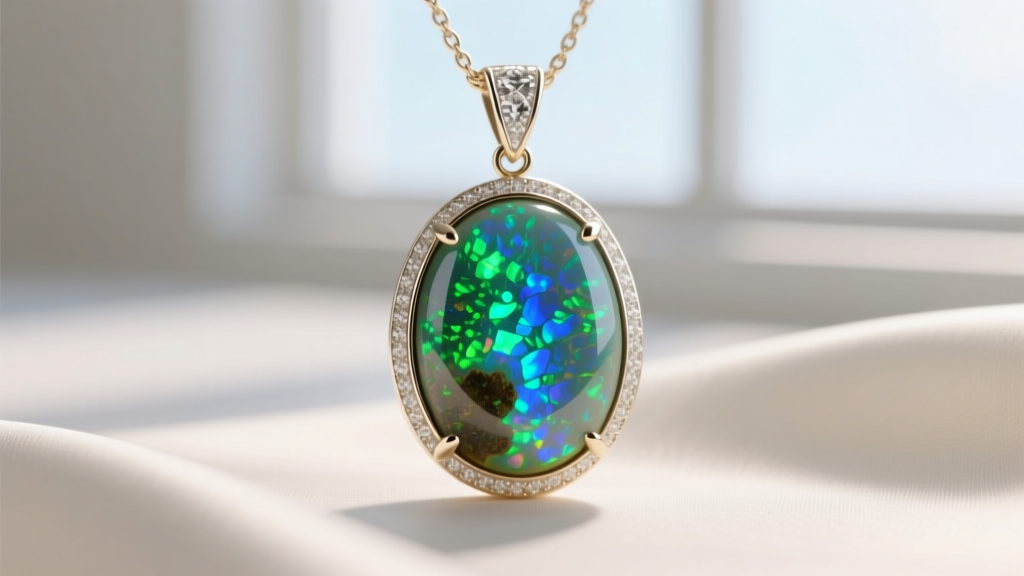
White Gold Karats and Setting Styles for Fragile Gems
Opals rank between 5.5 and 6.5 on the Mohs scale of hardness, making them relatively soft and prone to chipping if struck against a hard surface. Therefore, the karat weight of the white gold and the style of the setting are not merely aesthetic choices; they are structural necessities.
- 14K White Gold: Composed of 58.5% pure gold and 41.5% alloy metals (like nickel, zinc, or palladium), 14K white gold is harder and more durable. It is the superior choice for prong settings, as the stiffer metal will securely grip the fragile opal without bending out of shape during daily wear.
- 18K White Gold: Containing 75% pure gold, 18K is softer and possesses a slightly warmer undertone before rhodium plating. While it offers a richer, more luxurious feel, it is better suited for bezel settings where the metal fully encircles the opal's girdle, protecting the edges from impact.
- The Rhodium Factor: All white gold is plated with rhodium to achieve its bright, mirror-like finish. Over time, this plating wears away, revealing the slightly yellowish alloy beneath. When gifting, include a note that the necklace will require professional re-plating every 12 to 18 months depending on the wearer's skin chemistry.
Occasion Matching: A Gifter’s Matrix
Matching the specific type of white gold opal necklace to the occasion ensures your gift resonates on the appropriate emotional and practical level. Use this matrix to guide your 2026 purchasing strategy.
| Occasion | Recommended Opal Type | Ideal Setting & Chain | Estimated Budget |
|---|---|---|---|
| 10th+ Anniversary | Australian Black Opal | 18K Bezel Pendant on 1.5mm Box Chain | $2,500 - $8,000+ |
| Milestone Birthday (21, 30) | Ethiopian Welo Fire Opal | 14K Halo Prong Pendant on 1.2mm Cable Chain | $400 - $1,200 |
| College Graduation | Australian Boulder Opal | 14K East-West Bezel on 1.8mm Rope Chain | $1,500 - $3,500 |
| Holiday / Valentine's | Ethiopian Pink/White Opal | 10K or 14K Solitaire Prong on delicate chain | $150 - $350 |
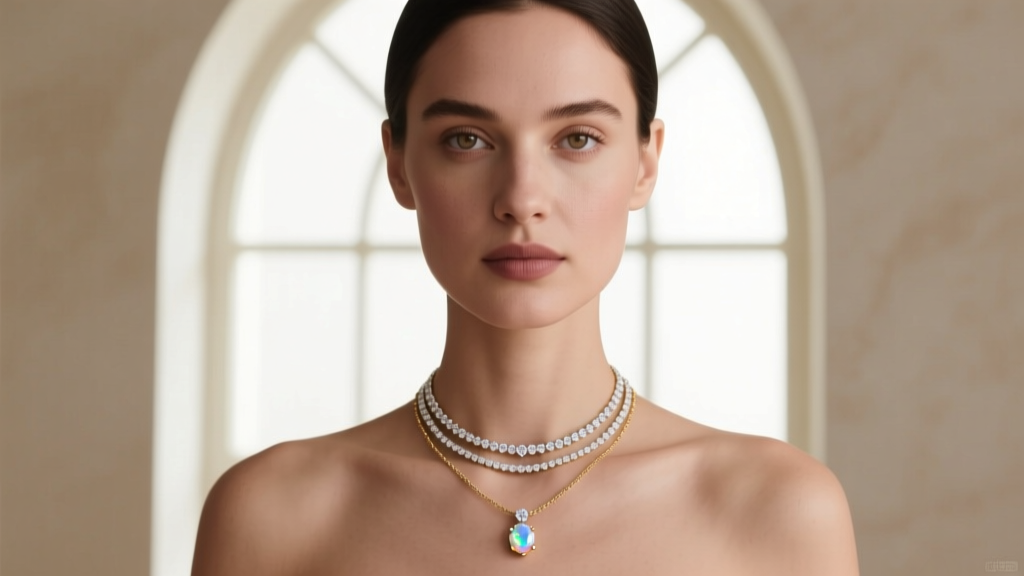
Pricing Tiers and Market Realities
When shopping for a white gold opal necklace, pricing is dictated by the opal's origin, the brightness and pattern of its play-of-color (with 'harlequin' and 'pinfire' patterns commanding the highest premiums), and the weight of the gold. In the current market, you can expect the following pricing tiers:
Entry-Level ($150 - $500): In this tier, you will find Ethiopian Welo opals set in 10K or 14K white gold. The opals are typically smaller (under 2 carats) and may exhibit less vibrant flash. These are excellent for trendy, fashion-forward gifts where the recipient may not wear the piece daily.
Mid-Range ($600 - $2,000): This is the sweet spot for high-quality Ethiopian opals with intense, full-spectrum fire, set in substantial 14K white gold mountings with diamond accent halos. You will also find entry-level Australian white opals in this bracket, though they may lack the dark body tone of premium black opals.
Heirloom / Investment ($2,500 - $10,000+): Here, you enter the realm of solid Australian Black opals and high-grade Boulder opals. The white gold settings are typically custom-designed, heavy 18K gold, often featuring intricate milgrain detailing or high-grade side diamonds (VS clarity, F-G color). According to the American Gem Society, purchasing at this level warrants requesting a formal gemological appraisal for insurance purposes.
The Unspoken Rule: Gifting Care Instructions
The most common point of failure in gifting opals is not the purchase itself, but the recipient's lack of knowledge regarding opal care. Because opals contain up to 20% water, they are highly susceptible to 'crazing'—a network of fine cracks that forms when the stone dries out too quickly or is exposed to extreme heat. To ensure your gift remains pristine, present the necklace with a beautifully printed care card detailing the following rules:
"Opals are organic, water-bearing gems. Never clean this necklace in an ultrasonic cleaner, as the high-frequency vibrations will shatter the stone. Avoid exposing the opal to harsh chemicals, perfumes, or extreme temperature changes. Clean gently with a soft, damp cloth and store in a padded pouch away from harder gemstones like diamonds that could scratch its surface."
By pairing a stunning white gold opal necklace with the knowledge of how to preserve it, you elevate your gift from a mere accessory to a curated, lifelong treasure. For more detailed maintenance protocols, refer to the GIA's official opal care guidelines before making your final selection.


