White Gold and Yellow Gold Necklace: Beginner Guide
Discover how to choose, wear, and care for a white gold and yellow gold necklace. Compare karats, alloys, pricing, and styling tips for beginners.

Introduction: The Two-Tone Dilemma
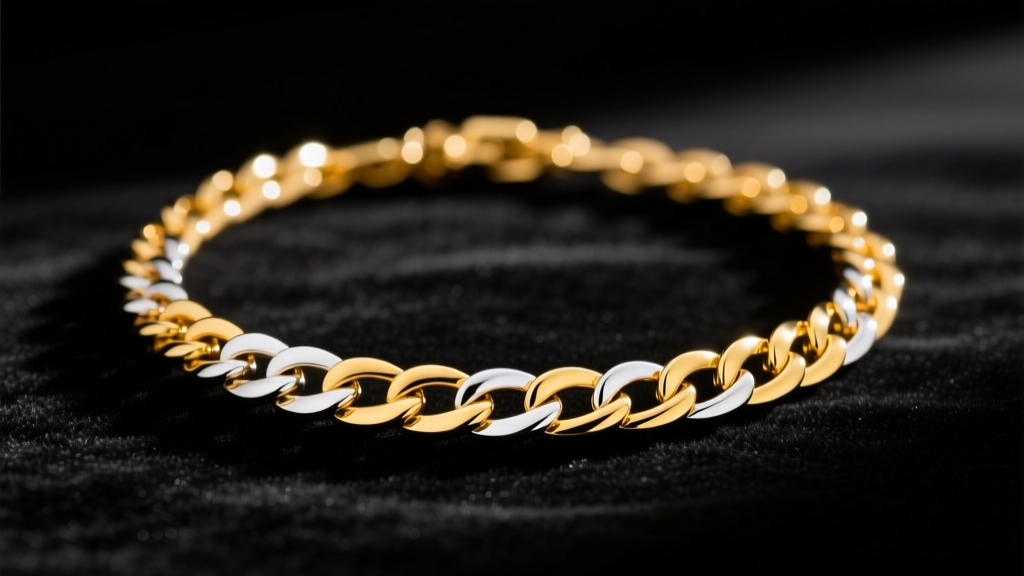
When stepping into the world of fine jewelry, few choices feel as monumental as selecting your first precious metal chain. For many, the decision ultimately narrows down to a classic debate: should you invest in a yellow gold piece, a sleek white gold alternative, or embrace the best of both worlds with a two-tone design? A white gold and yellow gold necklace offers a versatile bridge between vintage warmth and modern icy brilliance. But beyond aesthetics, these two metals behave very differently on a molecular level.
As a beginner, it is easy to assume that color is the only differentiator. However, understanding the underlying metallurgy, karat weights, and long-term maintenance requirements will save you hundreds of dollars and ensure your necklace withstands daily wear. In this comprehensive guide, we will break down exactly what you need to know before making your first fine jewelry purchase.
The Metallurgy: What Actually Makes the Color?
Pure gold (24 karat) is naturally a rich, buttery yellow. However, in its pure state, gold is far too malleable for everyday jewelry. A 24K chain would stretch, warp, and break under the weight of a simple pendant. To solve this, jewelers alloy pure gold with other metals to increase tensile strength and alter the color.
Yellow Gold Alloys
Yellow gold retains its natural hue by being alloyed primarily with copper and zinc. A standard 18K yellow gold recipe consists of 75% pure gold, 12.5% copper, and 12.5% zinc. The copper adds a subtle rosiness and structural integrity, while the zinc lightens the color and prevents the copper from oxidizing too quickly. According to the Gemological Institute of America (GIA), the precise ratio of these base metals is what gives high-quality yellow gold its signature warm, sunlit glow without compromising durability.
White Gold Alloys and Rhodium Plating
White gold does not exist in nature. It is created by alloying yellow gold with white metals like nickel, palladium, or silver. However, the resulting alloy usually still has a faint yellowish or grayish tint. To achieve the brilliant, mirror-like finish associated with white gold, the piece is electroplated with a microscopically thin layer of rhodium—a rare, ultra-hard platinum group metal.
Beginner Warning: If you have sensitive skin or a known nickel allergy, always ask your jeweler if their white gold is alloyed with palladium instead of nickel. Palladium-based white gold is hypoallergenic and slightly more expensive, but it prevents the itchy, red rashes that nickel alloys can cause against the delicate skin of the neck.
Karat Weight: 14K vs. 18K for Everyday Necklaces
Karat (K) measures the purity of the gold. While 24K is 99.9% pure, the jewelry market primarily relies on 14K and 18K for chains and pendants. Here is how they compare for a beginner building their collection:
| Feature | 14K Gold (58.3% Pure) | 18K Gold (75% Pure) |
|---|---|---|
| Durability | Highly durable; resists scratching and bending. | Softer; more prone to micro-scratches and clasp wear. |
| Color Depth | Slightly paler yellow; less contrast in two-tone pieces. | Rich, saturated yellow; striking contrast against white gold. |
| Price Point | More affordable; excellent for thicker, heavier chains. | Premium pricing; usually reserved for delicate chains or pendants. |
| Best For | Everyday wear, active lifestyles, heavier pendants. | Heirloom pieces, fine diamond pendants, occasional wear. |
For a beginner purchasing their first white gold and yellow gold necklace, 14K is often the smartest choice for the chain itself. The higher alloy content provides the necessary tensile strength to support a pendant without the chain stretching over time. You can then pair it with an 18K pendant for a subtle mix of durability and luxury.
Chain Styles That Shine in Two-Tone
If you are opting for a single necklace that features both white and yellow gold (a true two-tone piece), the chain style dictates how well the contrast reads from a distance.
- Figaro Chains: Originating in Italy, the Figaro features a pattern of flattened short links followed by one elongated link. When the short links are white gold and the long links are yellow gold, the alternating pattern creates a striking, vintage-inspired aesthetic.
- Rope Chains: Composed of small metal links twisted to mimic a woven rope. A two-tone rope chain is exceptionally brilliant because the twisted facets catch the light from multiple angles, making the white gold links sparkle almost like pavé diamonds.
- Box Chains: Made of square, interlocking links. A two-tone box chain offers a highly modern, geometric look. The flat surfaces reflect light differently, providing a sharp, architectural contrast between the warm and cool metals.
Pricing and Market Value
Understanding pricing helps you avoid overpaying. Gold jewelry is priced based on the spot price of gold, the weight of the piece (in grams), and the manufacturing labor (the 'making charge').
As of early market trends, a standard 14K yellow gold 1.5mm cable chain (18 inches) weighing roughly 4 grams will typically retail between $350 and $550. The exact same chain in 18K gold will jump to $600–$850 due to the higher pure gold content. If you are looking at a specialized two-tone white gold and yellow gold necklace, expect to pay a 15% to 25% premium over a single-color chain. This premium covers the extra labor required to cast, solder, and plate two distinct metals seamlessly.

Styling Your Necklace: Necklines and Layering
A white gold and yellow gold necklace is a styling cheat code because it bridges the gap between cool-toned and warm-toned wardrobes. Here is how to wear it effectively:
The Layering Technique
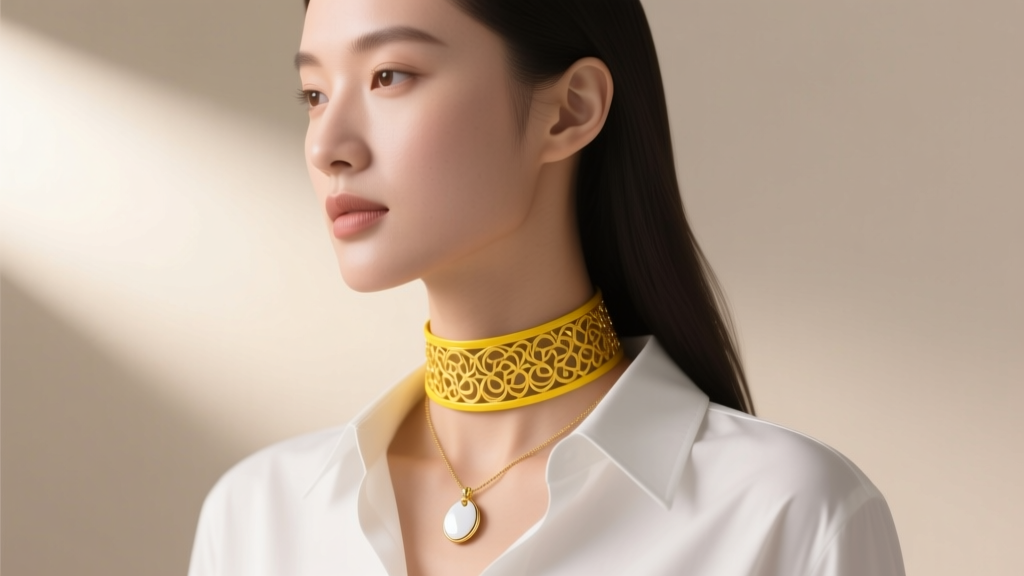
Mixed-metal layering is a dominant trend. Start with a 14K yellow gold choker (14-16 inches) sitting close to the collarbone. Layer it with an 18K white gold pendant necklace (20-22 inches) that drops lower on the chest. This creates depth and prevents the chains from tangling, a common frustration for beginners.
Matching Necklines
- V-Neck Tops: Pair with a Y-necklace or a pendant chain that mimics the V-shape of the shirt. A two-tone pendant draws the eye downward, elongating the neck.
- Crew Necks: Opt for a shorter, thicker chain (like a 16-inch two-tone Figaro) that rests just above the fabric line, acting as a built-in collar accent.
- Button-Down Shirts: Leave the top two buttons undone and let a delicate 18-inch rope chain rest directly against the skin for an effortless, professional look.
Maintenance: Keeping the Shine Alive
The maintenance routines for yellow and white gold are fundamentally different, which is crucial to remember if you own a two-tone piece.
Yellow gold is relatively low maintenance. It does not tarnish, though it can accumulate skin oils and lotions. A simple soak in warm water with a few drops of mild dish soap, followed by a gentle brushing with a baby-soft toothbrush, will restore its luster. According to the American Gem Society, you should avoid harsh chemical cleaners or chlorine, which can permanently discolor the copper alloys in yellow gold.
White gold, however, requires a long-term financial and time commitment. Because the rhodium plating wears away over time—especially on areas that experience high friction, like the back of the neck or the clasp—the underlying yellowish alloy will eventually show through. You will need to have your white gold (or two-tone) necklace professionally re-rhodium plated every 1 to 3 years. This service typically costs between $50 and $100 at a local bench jeweler.
Expert Tip: If you want the icy look of white gold without the recurring cost and hassle of rhodium replating, ask your jeweler about platinum or palladium alternatives for your pendant setting, while keeping the chain in durable 14K yellow gold.
Final Verdict for Beginners
Choosing a white gold and yellow gold necklace is an investment in versatility. For your very first fine jewelry chain, prioritize a 14K two-tone Figaro or Rope chain. It offers the perfect balance of structural durability, manageable maintenance, and timeless style that transitions seamlessly from casual daywear to formal evening events. By understanding the alloys, karat weights, and care requirements outlined above, you are now equipped to make a confident, informed purchase that will last a lifetime.


