Whiting and Davis Snake Necklace: A Collector's Buying Guide
Discover how to authenticate, evaluate, and buy a vintage Whiting and Davis snake necklace with our expert collector's guide.

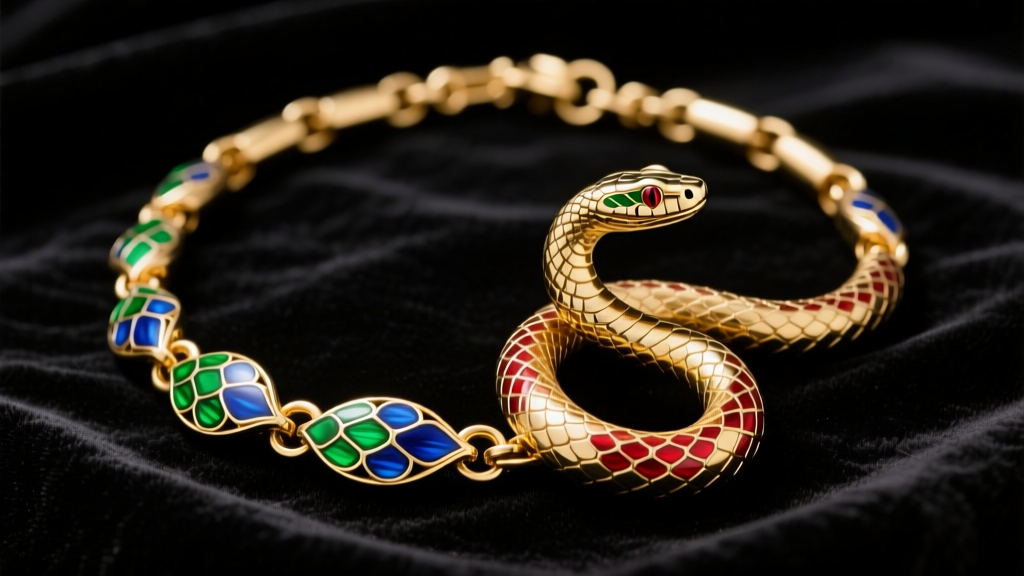
The Allure of the Whiting & Davis Serpent
When discussing iconic vintage metalwork, the Whiting and Davis snake necklace stands as a masterclass in early 20th-century articulation and design. Founded in 1876, Whiting & Davis (W&D) originally built its empire on fine jewelry before pivoting to the legendary metal mesh handbags that defined the Art Deco and Flapper eras. However, it is their crossover pieces—specifically the articulated reptilian jewelry—that remain some of the most fiercely coveted items in the 2026 vintage collector’s market.
Unlike stamped metal novelty jewelry of the mid-century, a genuine Whiting and Davis snake necklace is an engineering marvel. Crafted using specialized variations of their patented mesh techniques, these necklaces mimic the sinuous, fluid movement of a living serpent. For collectors and vintage stylists, acquiring one requires a keen eye for metallurgy, enamel preservation, and historical hallmarks. This comprehensive buying guide will walk you through the exact specifications, condition red flags, and authentication markers you need to know before investing in this wearable piece of art.
Anatomy of an Authentic Piece
To properly evaluate a Whiting and Davis snake necklace, you must first understand how it was constructed. The brand utilized several distinct metalworking techniques, and the snake motif typically features a hybrid approach.
The Head and Tail
The head of the serpent is almost always a solid cast metal piece, usually brass or a brass alloy, heavily detailed with hand-painted cold enamel or guilloché-style scaling. The eyes are a critical authentication point: authentic W&D pieces typically feature glass or gemstone cabochons (often ruby-red or emerald-green) set into tiny bezels. The tail tapers off into a finely articulated mesh whip, ending in a rounded or slightly blunted metal tip.
The Body: Armor Mesh vs. Scale Links
While W&D is famous for 'Dresden Mesh' (fine, bead-like interlocking rings used on their evening bags), their snake necklaces predominantly utilize a specialized 'Armor Mesh' or custom interlocking scale link. These flat, overlapping metal scales are riveted or looped together to allow the necklace to coil flat against the collarbone without kinking. When you hold an authentic piece, it should pass the 'drape test'—meaning it slithers and pools like heavy liquid metal rather than holding a rigid, stiff shape.
Condition Checklist: What to Inspect Before Buying
Because these necklaces are often over 80 to 100 years old, condition is the primary driver of both value and wearability. When browsing auction houses or vintage dealers on platforms like Ruby Lane, request high-resolution macro photos of the following specific areas.
| Condition Factor | What to Look For | Impact on Value |
|---|---|---|
| Enamel Integrity | Check the painted scales on the head and upper body for micro-chipping or flaking. Temperature changes over decades cause the lacquer to brittle. | High. Pristine enamel commands a 40% premium. |
| Articulation (The Drape) | Gently bend the mesh. Stiffness indicates trapped debris, oxidation, or bent interior loops. It should coil effortlessly. | Medium. Stiffness can sometimes be professionally cleaned, but risks link breakage. |
| Verdigris (Green Rot) | Inspect the crevices between the brass scales for powdery green oxidation. This is caused by moisture and skin acids reacting with copper alloys. | High. Verdigris is corrosive and can eventually eat through the metal links. |
| Cabochon Eyes | Ensure both eyes are present and original. Missing eyes are often replaced with mismatched plastic or incorrect glass by amateur restorers. | Medium. Original glass/stone eyes are vital for serious collectors. |
Decoding Clasps and Hallmarks
Authentication of early W&D jewelry can be notoriously tricky. Unlike their mesh bags, which almost always feature a clearly stamped clasp or interior tag, early jewelry pieces were sometimes left unmarked, or the original clasps were replaced decades ago when spring-ring mechanisms failed.
Original vs. Replacement Clasps
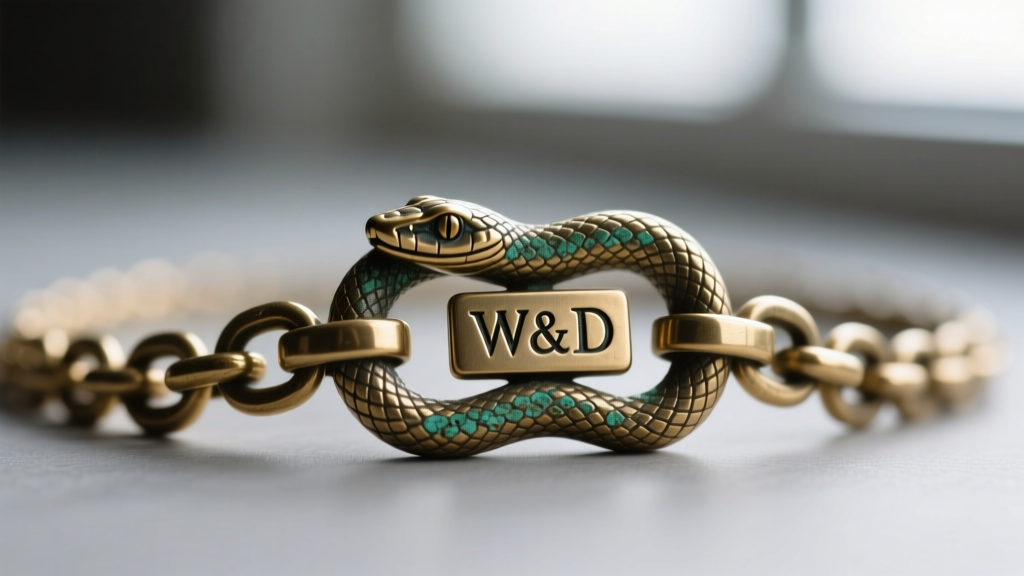
An original Whiting and Davis clasp from the 1920s or 1930s will typically be a fold-over clasp or a specific barrel clasp stamped with 'W&D' or 'Whiting & Davis Co.' in a distinct, slightly serifed font. If the necklace features a modern lobster claw or a base-metal jump ring that looks soldered on, it has been altered. While a replacement clasp doesn't render the piece worthless, it does lower its value to museum-grade collectors.
The 'Unmarked' Reality
Do not immediately dismiss an unmarked piece. According to archives documented by the Vintage Fashion Guild, many early mesh accessories and matching jewelry sets relied on the packaging or the accompanying bag for brand identification. Instead of relying solely on a stamp, authenticate via the unique interlocking scale pattern, the specific weight of the brass alloy, and the quality of the cabochon setting.
2026 Market Value & Pricing Guide
The vintage jewelry market has seen a massive resurgence in Art Deco and Victorian-revival animalier motifs. As of 2026, the Whiting and Davis snake necklace has transitioned from a quirky vintage find to a serious collector's asset. Auction results tracked by Invaluable show a steady upward trajectory for pieces in excellent condition.
- Fair Condition ($90 - $180): Noticeable enamel loss on the snake’s head, mild verdigris in the links, or a replaced, non-original clasp. Suitable for costume design or casual wear, but not for serious investment.
- Good Condition ($250 - $450): Intact cabochon eyes, minor wear to the enamel on the lower scales, fully articulated body with original clasp. The sweet spot for vintage stylists and everyday collectors.
- Excellent/Mint Condition ($600 - $1,200+): Flawless hand-painted enamel, zero oxidation, original stamped clasp, and exceptional fluid drape. Rare colorways (such as deep cobalt blue or emerald green enameling) will push the price to the top of this bracket.

Styling and Care: Preserving the Serpent
Owning a piece of wearable history requires specific maintenance protocols. The most common mistake new collectors make is attempting to clean their Whiting and Davis snake necklace with commercial jewelry dips or ultrasonic cleaners. Never use ultrasonic cleaners or liquid silver/gold polishes on these pieces. The harsh vibrations will shatter the vintage glass cabochon eyes, and the chemicals will instantly strip the hand-painted cold enamel.
Proper Cleaning Technique
To remove dust and skin oils from the intricate scales, use a dry, soft-bristled makeup brush (like a clean blush brush) to gently sweep between the metal links. If the brass is heavily tarnished, you can carefully apply a tiny amount of high-quality jewelry polishing cloth to the solid metal head, strictly avoiding any painted areas. Store the necklace coiled in a soft, acid-free tissue paper inside a breathable cotton pouch; never store it in an airtight plastic bag, as trapped humidity accelerates verdigris.
Styling the Mesh
The fluid nature of the armor mesh makes this necklace incredibly versatile. It pairs exceptionally well with deep V-necklines, where the snake’s head can rest elegantly against the collarbone, or draped loosely over a high-necked black silk blouse for a striking, gothic-romantic contrast. Because the metal is substantial, avoid pairing it with other heavy chain necklaces; let the serpent be the undisputed focal point of your neckline.
Final Thoughts for the Collector
The Whiting and Davis snake necklace is more than just an accessory; it is a triumph of early 20th-century metalworking. By understanding the nuances of its articulation, respecting the fragility of its enamel, and knowing how to properly decode its hallmarks, you can confidently navigate the vintage market. Whether you are hunting for a pristine museum piece or a beautifully worn-in artifact with a story to tell, this guide ensures your next acquisition will be a treasured addition to your jewelry archive.


