How to Buy and Style a Whiting Davis Snake Necklace
Discover how to identify, price, and style a vintage Whiting Davis snake necklace. Our beginner guide covers mesh types, authentication, and care.

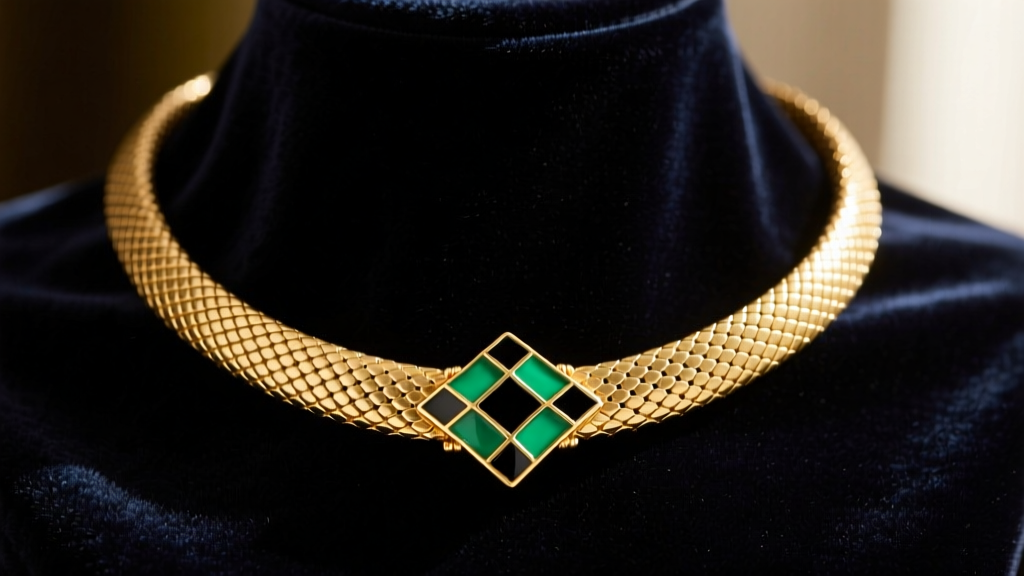
When it comes to vintage and antique jewelry, few brands command the immediate respect and recognition of Whiting & Davis. While the brand is most famous for its iconic mesh handbags, its jewelry line—particularly the highly sought-after whiting davis snake necklace—remains a holy grail for collectors and vintage styling enthusiasts alike. Whether you are referring to their fluid, serpentine mesh collars that drape like a snake, or their later tubular snake chain designs, owning one of these pieces is like wearing a tangible slice of Art Deco history.
For beginners stepping into the world of vintage jewelry, navigating the secondary market can be daunting. How do you authenticate a piece? What is the difference between Dresden and flat mesh? How do you prevent the delicate links from kinking? This comprehensive, beginner-friendly explainer will walk you through everything you need to know about buying, caring for, and styling a Whiting Davis snake necklace in 2026.
What Exactly is a Whiting Davis Snake Necklace?
To understand the appeal, we first need to clarify the terminology. In the vintage jewelry community, the term "snake necklace" when applied to Whiting & Davis usually refers to one of two distinct styles:
- The Serpentine Mesh Collar: This is the brand's signature. Crafted from thousands of tiny interlocking metal rings, this mesh is so fluid and heavy that it slithers and drapes around the neck exactly like a snake. These were immensely popular in the 1920s and 1930s.
- The Tubular Snake Chain: In later decades (particularly the 1970s and 1980s revivals), the brand also produced traditional tubular snake chains—tightly wound, smooth metal ribbons that form a flexible, scaly-looking tube.
While both are beautiful, it is the Art Deco mesh collar that holds the most historical weight and collector value. Founded in 1876, Whiting & Davis revolutionized the jewelry and accessory industry by inventing a machine that could automatically weave fine metal mesh, a process that previously had to be done entirely by hand. According to the official Whiting & Davis history archives, this innovation allowed them to mass-produce high-quality, flexible metal fabrics that were quickly adapted into necklaces, bracelets, and bags.
Decoding the Mesh: Dresden vs. Flat Weave
If you are hunting for a vintage mesh snake necklace, you will immediately encounter two primary types of weaves. Understanding the difference is crucial for both authentication and pricing.
| Feature | Dresden Mesh | Flat Mesh (Armor Mesh) |
|---|---|---|
| Link Shape | Small, uniform, rounded rings | Flat, rectangular or square stamped links |
| Drape & Weight | Extremely fluid, lightweight, silk-like | Heavier, structured, stiffer drape |
| Visual Texture | Shimmering, granular, almost liquid | Geometric, mirrored, armor-like |
| Common Embellishments | Enamel painting, rhinestone clasps | Art Deco geometric pendants, enameling |
| Collector Value | Generally higher, especially with enamel | Moderate to high, depending on condition |
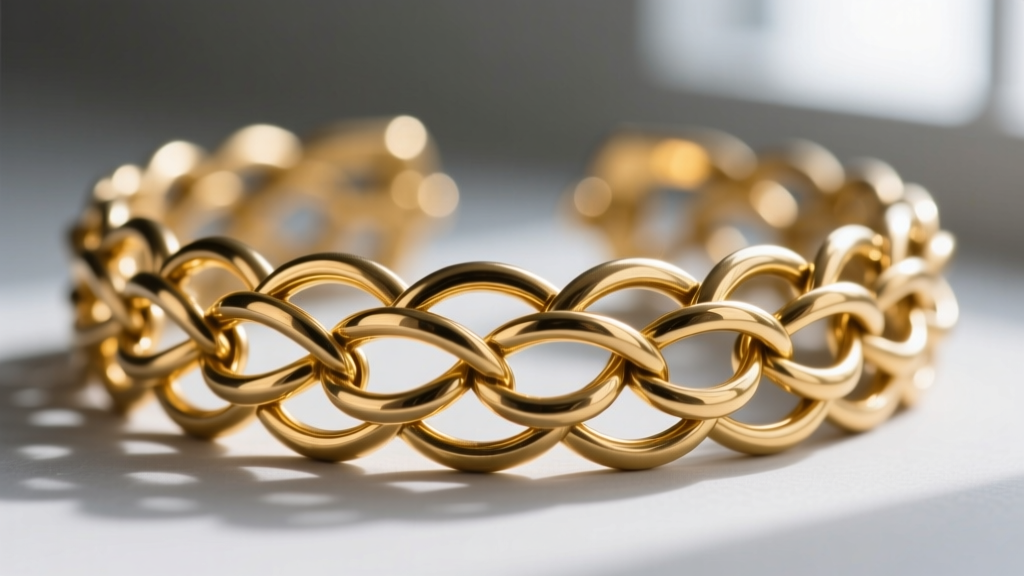
As noted by antique jewelry experts at Lang Antiques, Dresden mesh was prized for its ability to mimic the drape of fine fabric, making it the preferred base for the intricate, hand-painted enamel scenes that defined the Art Deco era. Flat mesh, on the other hand, catches the light in broad, geometric flashes, making it a favorite for bold, modernist statement pieces.
Authentication: Spotting Genuine Vintage Pieces
The secondary market is flooded with modern reproductions and unbranded vintage mesh collars. To ensure you are purchasing a genuine Whiting Davis snake necklace, look for these specific hallmarks of authenticity:
1. The Hallmark and Clasp
Early 1920s pieces may not have a prominent stamp on the metal itself. Instead, look for a tiny, oval metal hangtag attached to the clasp or the first few links, stamped with "W&D" or "Whiting & Davis." By the 1930s and later, the brand began stamping the logo directly onto the box clasp. The clasp itself should be a sturdy, period-appropriate box clasp, almost always accompanied by a figure-eight safety catch—a crucial detail that modern cheap reproductions often skip.
2. The Weight and Base Metal
Genuine vintage mesh was typically woven from brass or a high-quality pot metal base, then heavily plated in gold or silver tone. It should feel substantial in your hand. If the necklace feels exceptionally light or has a plasticky, hollow sound when the links clink together, it is likely a modern, machine-stamped imitation.
3. The Drape Test
Hold the necklace by the clasp and let it fall. A true vintage Whiting & Davis mesh will cascade smoothly, pooling like liquid metal. If the mesh feels stiff, brittle, or holds a rigid "kinked" shape, it has likely suffered from decades of improper storage, internal rust, or accumulated skin oils and dirt locking the links together.
Pricing Guide: What Should You Pay in 2026?
Pricing for a whiting davis snake necklace varies wildly based on the mesh type, embellishments, and condition. Here is a realistic breakdown of current market values for authentic vintage pieces:
- Basic Flat Mesh Collar (Unembellished, minor wear): $75 – $150. A great entry-level piece for everyday vintage styling.
- Standard Dresden Mesh with Rhinestone Clasp: $200 – $450. The rhinestones should be intact, and the mesh should have no dark spots or rust.
- Enamel-Embellished Mesh (Floral or Geometric): $500 – $1,200. Hand-painted enamel on the mesh or on an oversized Art Deco slide pendant commands a premium.
- Rare Fully Enameled Mesh (Jade, Coral, or Black Onyx): $1,500 – $3,500+. These are museum-quality collector pieces. The enamel must be free of major cracking or flaking to achieve top dollar.
Care and Maintenance: Preventing Mesh Kinks
The greatest enemy of any mesh necklace is gravity. Never hang a Whiting Davis mesh necklace on a jewelry stand. The sheer weight of the metal will slowly stretch the links over time, permanently warping the collar and weakening the structural integrity of the weave.

Proper Storage
Always store your mesh necklace flat. Lay it out in a shallow drawer lined with acid-free tissue paper or anti-tarnish cloth. If you must travel with it, coil it loosely into a circle (like a rope) and place it in a padded jewelry box. Never fold it sharply or crush it at the bottom of a jewelry box, as bent mesh links are nearly impossible to repair without leaving a visible scar.
Cleaning the Links
Do not use harsh chemical dips or ultrasonic cleaners, as these can strip the gold or silver plating and destroy any enamel work. Instead, use a soft-bristled makeup brush (like a clean eyeshadow brush) to gently sweep away dust and dead skin cells from between the links. For stubborn tarnish on unembellished flat mesh, lightly rub the surface with a dry, treated silver-polishing cloth, being careful not to snag the edges of the links.
Styling Your Snake Necklace for Modern Wardrobes
A vintage Whiting Davis snake necklace is a masterclass in contrast. Because the metal is so intricate and historically rich, it pairs best with clean, modern, and minimalist silhouettes.
- The High-Neck Contrast: Pair a gold-tone Dresden mesh collar with a fitted black silk turtleneck or a fine-knit merino wool sweater. The dark, matte fabric allows the shimmering metal to take center stage without competing with patterns.
- The Deep V-Neck: A longer, unclasped mesh snake chain (or a mesh lariat style) looks stunning over a deep V-neck wrap dress. The fluid metal will mimic the lines of the neckline, drawing the eye downward and elongating the torso.
- Layering with Caution: While layering is a massive trend in 2026, be very careful when layering mesh with other chains. The tiny rings of a Dresden mesh can easily catch on the links of a modern cable chain, potentially tearing the vintage weave. If you must layer, ensure the companion necklaces are significantly longer or shorter to prevent friction.
Investing in a Whiting Davis snake necklace is more than just a fashion choice; it is an act of historical preservation. By understanding the nuances of the mesh, authenticating the hallmarks, and caring for the delicate links, you ensure that this Art Deco marvel will continue to slither elegantly through the decades to come.


