The Beginner’s Guide to Styling a Pilgrim Flower Necklace
Discover how to style, layer, and care for your Pilgrim flower necklace. A beginner-friendly guide to Scandi botanical jewelry and enamel care.

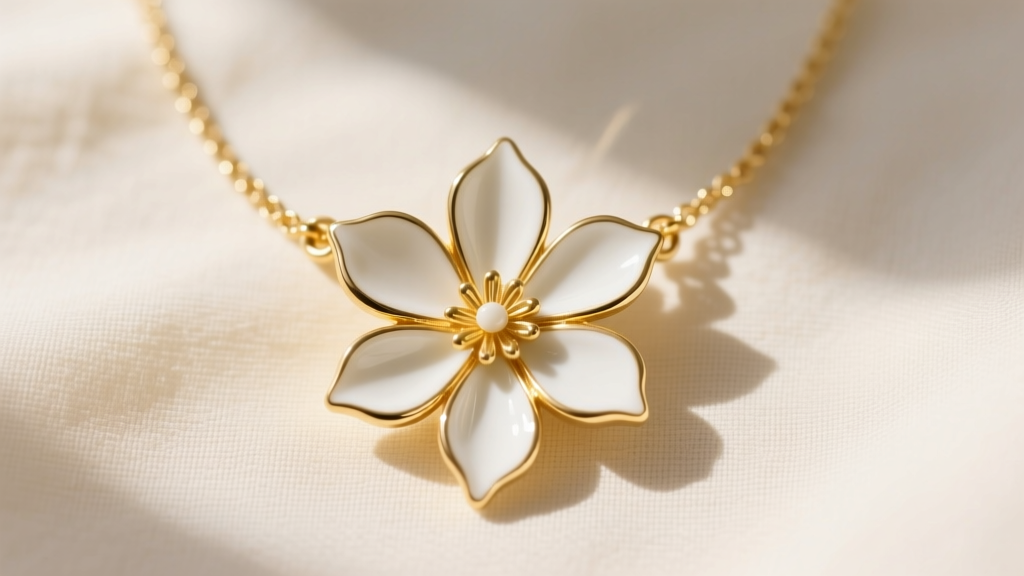
When it comes to Scandinavian jewelry design, few pieces capture the essence of Nordic elegance quite like the Pilgrim flower necklace. Founded in Denmark in 1983, Pilgrim has built a global reputation for crafting botanical-inspired jewelry that bridges the gap between high-end luxury and accessible everyday wear. For beginners stepping into the world of enamel and plated botanical pendants, understanding how to style, layer, and maintain these specific pieces is crucial for maximizing their lifespan and aesthetic impact. This comprehensive guide will walk you through the material science, styling frameworks, and care routines necessary to get the most out of your floral jewelry in 2026 and beyond.
The Anatomy of a Pilgrim Floral Pendant
Before diving into styling, it is essential to understand what you are wearing. A genuine Pilgrim flower necklace is not stamped from a single sheet of metal. The brand is renowned for its hand-assembled, multi-layered floral motifs—ranging from classic daisies to intricate lotus and wildflower designs. The base of these pendants is typically crafted from recycled brass, chosen for its malleability and durability. This brass core is then meticulously plated and finished with hand-painted cold enamel to create the vibrant, glossy petals that define the brand's signature look.
Unlike fine jewelry that relies on the intrinsic value of solid gold or precious gemstones, the value of a Pilgrim flower necklace lies in its craftsmanship, design heritage, and the specific techniques used to achieve its lightweight, hypoallergenic finish. According to Pilgrim's official sustainability and craftsmanship guidelines, the brand strictly adheres to nickel-free and lead-free manufacturing standards, making their floral pendants an excellent entry point for those with sensitive skin or contact dermatitis.
Material Science: Plating and Cold Enamel Explained
To properly care for your necklace, you must understand its material composition. The metallic finish on a Pilgrim floral pendant is achieved through electroplating. The brass base is submerged in an electrolyte bath, depositing a layer of either 18-karat gold or rhodium (for the silver-tone pieces). In the fashion jewelry sector, plating thickness is measured in microns. Pilgrim typically utilizes a plating thickness of 1.0 to 1.5 microns, which provides a rich, durable color but requires mindful maintenance to prevent premature wear.
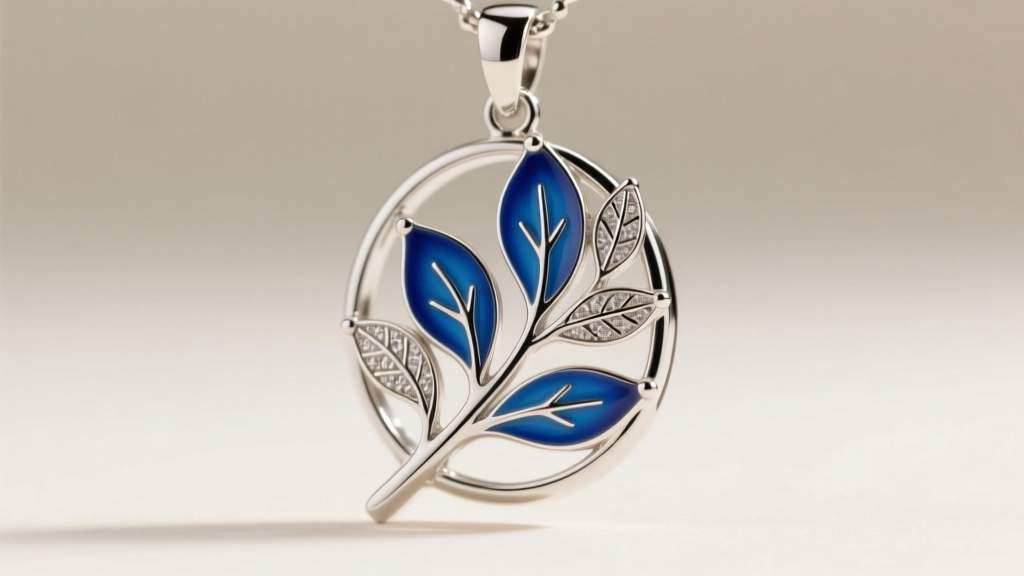
The colorful centers and petals of the flowers are created using cold enamel. Unlike traditional vitreous enamel, which is powdered glass fired in a kiln at over 1400°F, cold enamel is actually a two-part epoxy resin. This resin is mixed with pigments and carefully dropped into the metal bezels of the flower pendant, then left to cure and harden. Cold enamel is favored in contemporary botanical jewelry because it allows for a wider spectrum of vibrant, opaque colors and is significantly more resistant to shattering upon impact than kiln-fired glass.
Quick Material Facts for Beginners
- Base Metal: Recycled Brass (provides weight and structural integrity).
- Plating: 1.0 - 1.5 microns of 18k Gold or Rhodium.
- Coloring: Epoxy-based Cold Enamel (shatter-resistant, vibrant).
- Allergy Profile: 100% Nickel-free and Lead-free.
How to Style Botanical Pendants by Neckline
One of the most common mistakes beginners make is pairing the wrong chain length with their outfit's neckline, causing the floral pendant to either hide beneath the fabric or clash with the garment's geometry. A Pilgrim flower necklace usually features a pendant drop between 15mm and 30mm, meaning it acts as a delicate focal point rather than a heavy statement piece. To ensure your botanical pendant complements your wardrobe, use the following neckline-to-length matrix.
| Garment Neckline | Ideal Chain Length | Styling Rationale & Visual Effect |
|---|---|---|
| Crew Neck (T-shirts, Sweaters) | 18 to 20 inches | Allows the floral pendant to rest entirely on the fabric, creating a crisp contrast against the cotton or wool. |
| V-Neck & Wrap Dresses | 16 to 18 inches | The chain should mirror the 'V' shape of the garment, with the flower resting just above the apex of the neckline. |
| Scoop Neck & Boat Neck | 14 to 16 inches (Choker/Collar) | Keeps the pendant high on the collarbone, filling the negative space without competing with the wide neckline. |
| Turtlenecks & Mock Necks | 24 to 30 inches (Matinee) | A longer chain elongates the torso and allows the enameled flower to rest prominently over the dark, solid fabric. |
The Art of the Layered Stack
Layering is a cornerstone of modern jewelry styling, but mixing a detailed enameled flower pendant with other chains can quickly look cluttered if done incorrectly. As highlighted in Vogue's comprehensive guide to necklace layering, the secret to a harmonious stack is the 'Two-Inch Rule' and mixing chain textures.
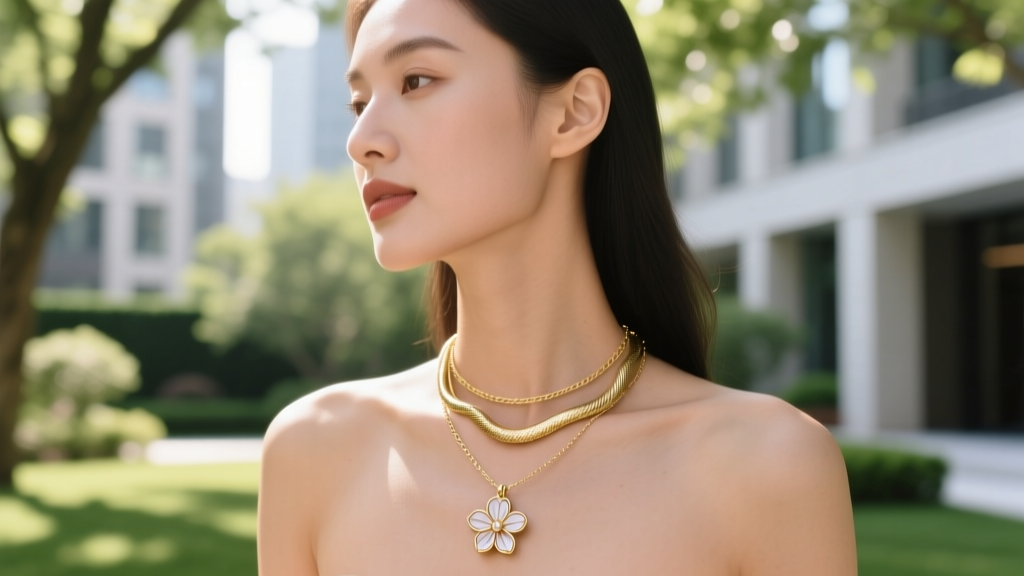
When building a stack around your Pilgrim flower necklace, ensure that each subsequent chain is at least two inches longer or shorter than the next. This prevents the clasps and pendants from tangling and ensures each piece has its own dedicated visual real estate. Furthermore, contrast the chain textures. If your floral pendant hangs on a classic, delicate cable chain, pair it with a smooth, reflective snake chain or a structured box chain. The contrast in light reflection between the glossy cold enamel, the textured cable links, and the smooth snake chain creates a rich, multi-dimensional look.
Beginner Layering Formula
- Base Layer (14-15 inches): A minimalist 1.5mm gold snake chain worn tight against the collarbone.
- Focal Layer (17-18 inches): Your Pilgrim flower necklace on a standard 1.2mm cable chain.
- Anchor Layer (20-22 inches): A simple, unadorned 2.0mm rope chain to draw the eye downward and elongate the neck.
Longevity and Care: Protecting Cold Enamel
Because cold enamel is an epoxy resin and the plating is relatively thin, traditional jewelry cleaning methods can be highly destructive. Never place a Pilgrim flower necklace in an ultrasonic cleaner; the high-frequency vibrations can cause the cured resin to micro-fracture or detach from the metal bezel. Similarly, avoid alcohol-based cleaners, perfumes, and harsh chemical dips, which can cloud the glossy finish of the enamel and strip the gold or rhodium plating.
According to the Gemological Institute of America (GIA) jewelry care protocols, plated and enameled jewelry should be cleaned using only lukewarm water, a drop of mild, phosphate-free dish soap, and a soft-bristled baby toothbrush. Gently brush the metal links and the edges of the enamel, rinse thoroughly, and immediately pat dry with a lint-free microfiber cloth. Always store your botanical pendant in an anti-tarnish ziplock bag or a dedicated jewelry box with silica gel packets to control ambient humidity, which is the primary catalyst for brass oxidation beneath the plating.
Price Expectations and Authenticity
As you begin shopping for your first Pilgrim flower necklace, it is helpful to know the standard market pricing to avoid overpaying for counterfeits or marked-up secondhand pieces. Authentic, brand-new Pilgrim floral pendants on a standard chain typically retail between $45 and $95 USD, depending on the complexity of the flower design and the presence of supplementary cubic zirconia accents. If you encounter a piece claiming to be an authentic Pilgrim floral pendant priced well below $30, scrutinize the clasp; genuine pieces feature high-quality lobster clasps, often stamped with the brand's subtle hallmark, and include a sturdy 2-inch extender chain. By understanding the materials, mastering the layering techniques, and adhering to proper enamel care, your Scandinavian botanical jewelry will remain a vibrant, timeless staple in your collection for years to come.


