2026 Gift Guide: Choosing a Vintage Cameo Locket Necklace
Discover how to choose, authenticate, and gift the perfect vintage cameo locket necklace. Our 2026 guide covers materials, clasps, and occasions.

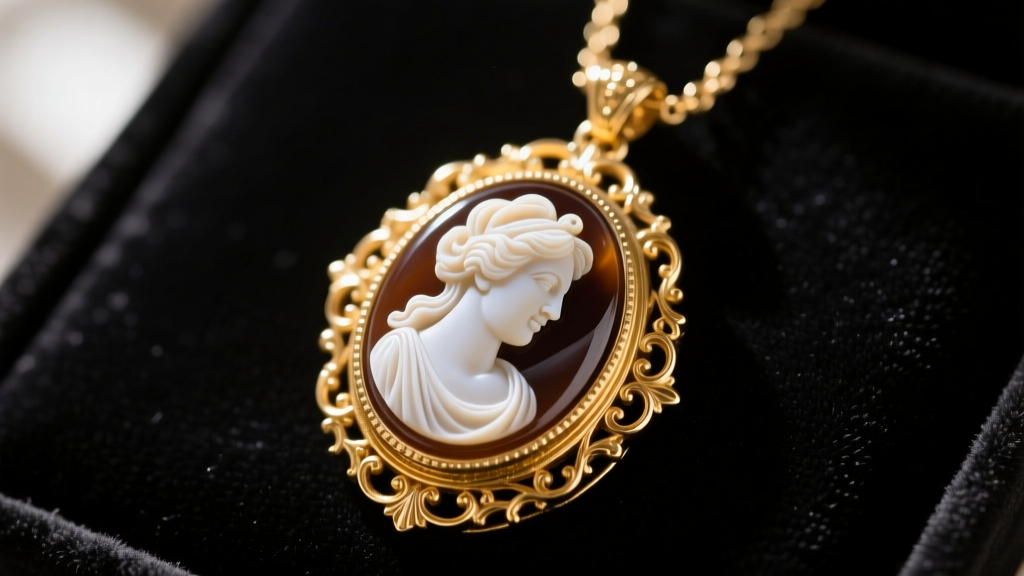
Gifting jewelry is an exercise in storytelling, but few pieces carry the historical weight and intimate secrecy of a vintage cameo locket necklace. Unlike standard cameo pendants, which are carved from a single solid piece of stone or shell, a cameo locket features a carved face that acts as a hinged lid, concealing a hidden compartment. In 2026, as collectors and gift-givers increasingly pivot toward sustainable, heirloom-quality antique jewelry, these dual-purpose masterpieces have surged back into the spotlight.
Whether you are commemorating a milestone anniversary, celebrating a graduation, or preserving a family legacy, selecting the right vintage cameo locket requires a nuanced understanding of materials, carving techniques, and antique mechanics. This comprehensive guide will equip you with the gemological and historical knowledge needed to make an informed, deeply meaningful purchase.
The Anatomy of a Cameo Locket: What Sets It Apart
The defining feature of a cameo locket is the bezel and hinge mechanism. The carved cameo—whether shell, agate, or lava stone—is set into a metal frame (the bezel) that is soldered to a hidden hinge and a locking clasp. When the cameo is swung open, it reveals a shallow cavity originally designed to hold woven hairwork, miniature tintype photographs, or pressed botanicals.
Because the carving must be backed by a thin metal plate to form the locket lid, cameo lockets are inherently heavier and more complex than standard pendants. A high-quality 15k or 18k gold agate cameo locket from the Victorian era typically weighs between 18 and 35 grams. This substantial weight dictates not only the pricing but also the type of chain required to support it safely.
Material Matrix: Shell, Agate, and Lava
Understanding the carving medium is critical for both valuation and durability. According to the Metropolitan Museum of Art's guide on carved gems, the material chosen by the lapidary often dictates the depth of the relief and the era of the piece.
| Material | Characteristics & Carving Depth | Mohs Hardness | 2026 Market Price Range |
|---|---|---|---|
| Queen Conch Shell | Peach/pink background with white relief. Moderate carving depth. Prone to micro-fissures if exposed to extreme heat or dry climates. | 2.5 - 3.0 | $250 - $800 |
| Sardonyx Agate | Banded brown/white or black/white. Allows for extreme 'undercut' carving where the profile stands entirely away from the background. | 6.5 - 7.0 | $1,200 - $4,500+ |
| Vesuvian Lava | Matte brown, grey, or reddish stone. Popularized during the 18th/19th-century Grand Tour. Carving is bold but lacks fine undercut detail. | 3.0 - 4.0 | $300 - $950 |
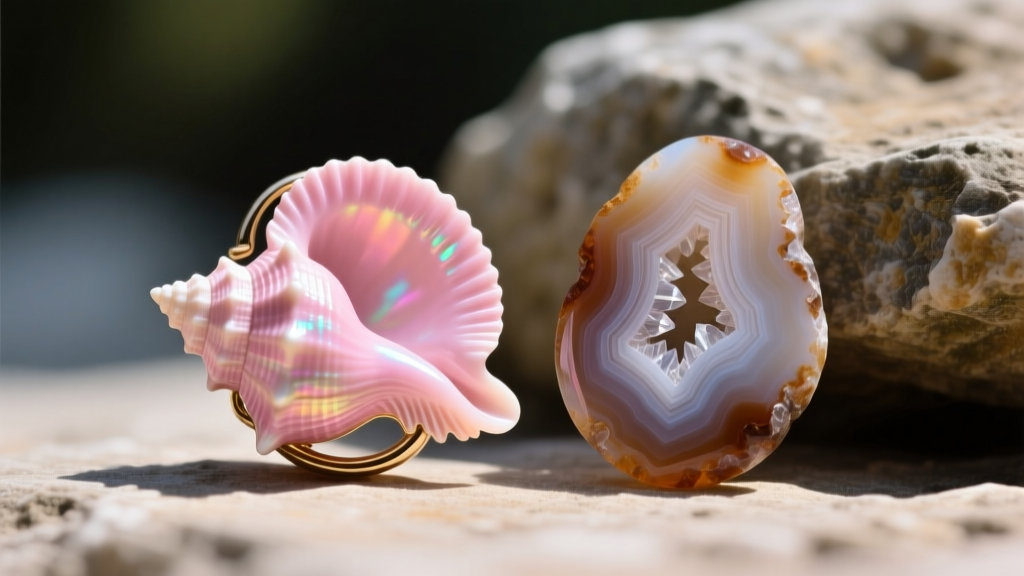
Expert Insight: When examining a shell cameo, look closely at the edges of the carved profile. Shell is a laminate material; if you see a sharp, glassy fracture line or a 'chalky' patch, the piece has suffered from dehydration or a past impact. Agate, being a cryptocrystalline quartz, is vastly more durable for everyday wear, making it the superior choice for a locket meant to be worn frequently.
Matching the Locket to the Occasion
A vintage cameo locket necklace is not a one-size-fits-all gift. The material, subject matter, and inner contents should align with the emotional resonance of the occasion.
The Milestone Anniversary (10th to 35th)
For major anniversaries, opt for a sardonyx agate cameo set in 15k or 18k gold. Agate represents endurance and permanence. Look for a right-facing female profile, which is the classical standard for Victorian and Edwardian pieces. The hidden compartment can be fitted with a modern, custom-cut photograph of the couple, bridging the 19th-century craftsmanship with a 21st-century memory.
Graduation or Coming of Age
A shell cameo set in 9k or 14k rose gold is an exceptional gift for a young woman entering a new chapter. Shell cameos are lighter, more affordable, and possess a romantic, soft-peach hue that flatters younger skin tones. Consider gifting it with the compartment empty, symbolizing a 'blank page' for her future adventures.
Sympathy and Memorial Gifting
If gifting to someone who has experienced a loss, a lava stone or dark agate cameo offers a somber, respectful elegance. Historically, these lockets were used to hold woven hair of the deceased (hairwork). Today, they serve as a beautiful, private vessel for a small folded note, a lock of hair, or cremation ashes sealed behind a custom glass insert.
Authentication: Clasps, Hinges, and Hallmarks
The vintage jewelry market is flooded with modern resin and plastic replicas. Authenticating a true vintage cameo locket necklace requires inspecting the hardware and the carving style. The Victoria and Albert Museum notes that the tools and clasps used during specific eras leave distinct forensic markers.
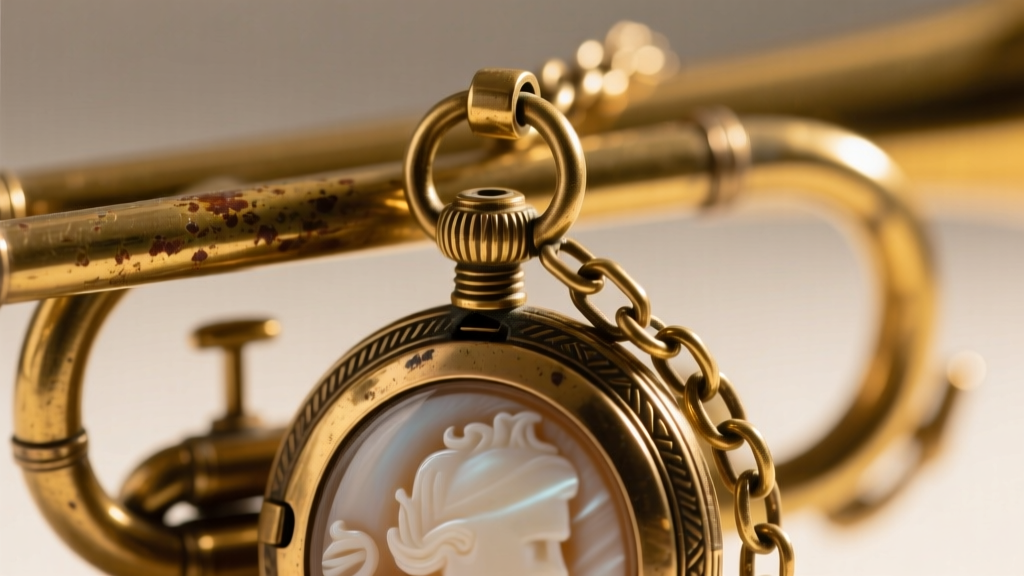
- The Trombone Clasp (c. 1890–1940): Common on European lockets, this mechanism features a cylindrical tube that pushes over the end of the 'C' catch to lock the chain in place. If the locket has a modern lobster claw, it has either been altered or is a reproduction.
- The 'C' Clasp (Pre-1900): Early Victorian lockets feature a simple 'C' shaped wire catch with no safety mechanism. The pin stem will often extend slightly past the edge of the 'C', which is a hallmark of hand-forged 19th-century construction.
- Hinge Tension: A genuine antique locket hinge should have a slight 'snap' or resistance when opened and closed. If the lid swings entirely loose or droops, the hinge pin is worn and will require restoration by a specialist jeweler (typically a $75–$150 repair).
- Carving Direction: Traditional cameos feature a right-facing profile. A left-facing profile is much rarer and was often considered a symbol of luck or a marker of later Art Deco (1920s) revival pieces.
Sourcing and Chain Pairing Strategies
Finding a genuine vintage cameo locket requires patience. Avoid generic mall jewelers. Instead, source from vetted antique platforms like 1stDibs, Ruby Lane, or specialized estate auction houses. Always request high-resolution macro photos of the hinge, the clasp, and the back of the carving to check for tool marks (hand-carved pieces will show microscopic parallel striations from the burin, whereas molded resin or machine-carved pieces will look waxy or perfectly uniform).
The Chain Dilemma: Weight and Tensile Strength
The most common mistake buyers make is pairing a heavy 25-gram agate cameo locket with a delicate, modern 1mm cable chain. This will inevitably result in a snapped chain and a lost heirloom.
Recommended Chain Pairings:
- Antique Foxtail Chains (18k or 14k): The woven, V-shaped links of a foxtail chain distribute weight evenly and offer a fluid, fabric-like drape that complements the rigidity of the locket.
- Graduated Belcher Chains: A Victorian belcher chain with graduated links (thicker at the back of the neck, tapering toward the clasp) provides exceptional tensile strength while maintaining historical accuracy.
- Length Matters: Victorian lockets were designed to sit at the collarbone (15 to 16 inches). For a modern 2026 aesthetic, a 20-inch chain allows the locket to rest over the top of a blouse or sweater, turning it into a striking statement piece.
Gifting a vintage cameo locket necklace is an act of preserving history while creating new memories. By understanding the geological origins of the carving medium, the mechanics of antique clasps, and the emotional language of the hidden compartment, you elevate your gift from a simple accessory to a profound, wearable legacy.


