The Fish Hook Necklace Meaning: How to Choose, Style, and Gift
Discover the fish hook necklace meaning, from Polynesian Makau symbolism to modern styling. Learn how to choose authentic materials and gift it right.

Decoding the Roots: The True Fish Hook Necklace Meaning
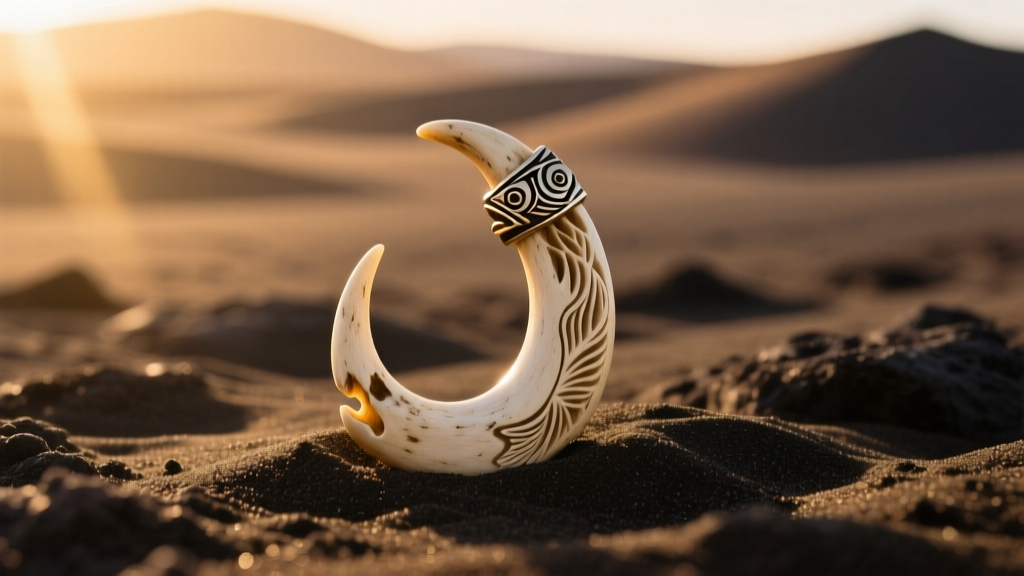
Before you purchase or layer this iconic piece of jewelry, it is crucial to understand the deep cultural roots behind it. In Hawaiian and broader Polynesian culture, the fish hook is known as the Makau. According to the Hawaiian Dictionary and cultural archives, the Makau is not merely a decorative motif; it is a powerful talisman. The traditional fish hook necklace meaning revolves around safe passage over water, immense physical and spiritual strength, prosperity, and a deep respect for the ocean.
The legend most closely tied to the Makau is that of the demigod Māui, who used a magical fish hook to pull the Hawaiian islands up from the ocean floor. When you wear a fish hook pendant, you are symbolically aligning yourself with this narrative of determination, provision, and protection during travel. Understanding this profound backstory is the first step in selecting a piece that honors its heritage while fitting seamlessly into your modern wardrobe.
Step 1: Match the Material to Your Intent
The material of your fish hook pendant drastically alters both its aesthetic weight and its symbolic resonance. Traditional carvers utilized whale bone or human bone, but modern ethical standards and conservation laws have shifted the market toward sustainable alternatives. Here is how to choose the right material based on what you want your necklace to communicate.
| Material | Symbolic Resonance | Durability & Care Profile |
|---|---|---|
| Carved Cow Bone | Ancestral connection, raw strength, tradition | Highly durable; requires occasional mineral oil to prevent cracking. |
| Koa Wood | Warrior spirit, courage, deep Hawaiian roots | Moderate; susceptible to water damage. Requires beeswax polishing. |
| Sterling Silver (925) | Modern adaptability, clarity, enduring value | High; tarnishes over time. Needs regular polishing with a microfiber cloth. |
| Titanium | Unbreakable resilience, contemporary edge | Extreme; hypoallergenic and entirely waterproof. Zero maintenance. |
If your primary goal is to honor the traditional Polynesian fish hook necklace meaning, opt for hand-carved bone or Koa wood sourced from local Hawaiian artisans. If you are buying for daily wear in humid or aquatic environments, a 925 sterling silver or titanium hook will survive the elements without degrading.
Step 2: Select the Right Dimensions and Hardware
A common mistake buyers make is ignoring the scale of the pendant relative to the chain hardware. The Makau is a bold, asymmetrical shape that requires specific structural support to hang correctly against the sternum.
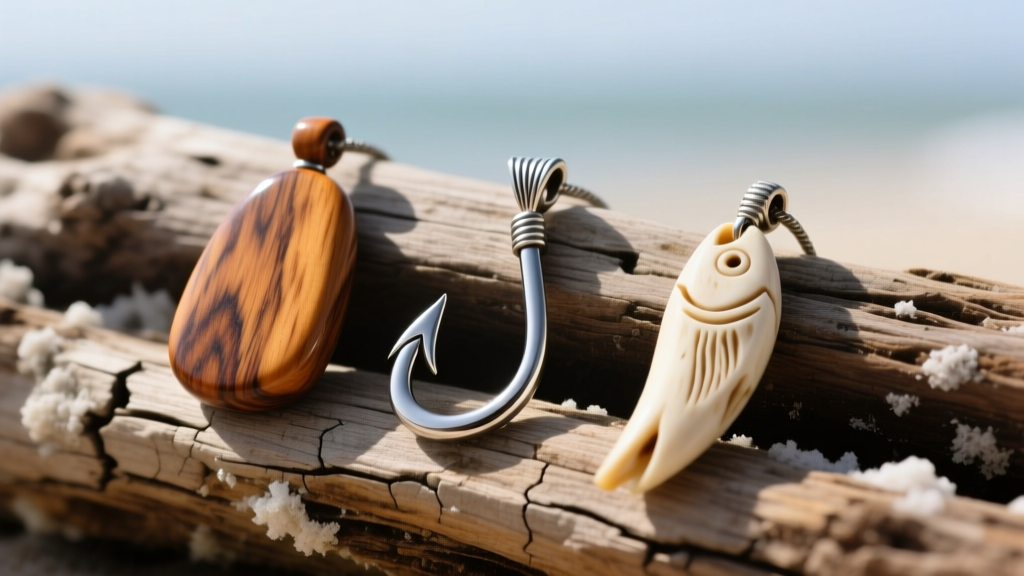
Pendant Sizing Guidelines
- The Subtle Layering Piece (1.0" - 1.5"): Best for delicate chains (1.0mm - 1.5mm). Ideal for wearing under a collar or layering with shorter chokers.
- The Statement Standard (2.0" - 2.5"): The most versatile size. Requires a medium-weight chain (2.0mm - 3.0mm). Hangs perfectly at the 20-inch or 22-inch mark, resting on the upper chest.
- The Bold Carving (3.0"+): Traditional bone hooks often fall into this category. These require thick, braided cords or heavy rope chains (4.0mm+) to prevent the hardware from snapping under the pendant's weight.
Bail and Chain Pairings
Avoid snake chains entirely. The rigid, tubular structure of a snake chain fights the natural swing of the asymmetrical fish hook, causing it to flip awkwardly. Instead, utilize a flexible rope chain or a boxed cable chain. These links allow the pendant to swivel freely and settle naturally with the curve of the hook facing outward. Ensure the bail (the loop connecting the hook to the chain) is at least 4mm in diameter to accommodate chains thicker than 2.5mm.
Step 3: Master the Layering Technique
Integrating a culturally significant piece into a contemporary necklace stack requires balance. The fish hook has a distinct, elongated silhouette that can easily become tangled or visually lost if layered incorrectly.
The 2-Inch Rule for Stacking
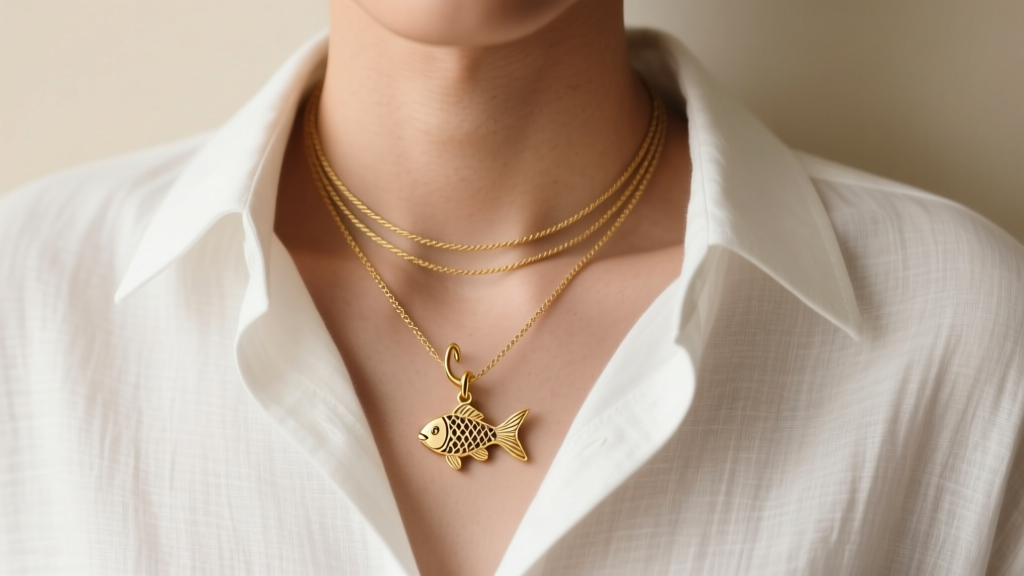
When layering your Makau pendant with other chains, maintain a strict minimum 2-inch length difference between each necklace. If your fish hook sits at 20 inches, your accompanying chain should be no longer than 18 inches and no shorter than 16 inches.
Pro-Tip: Pair a 2-inch bone fish hook on a 22-inch leather cord with a simple 18-inch sterling silver bead chain and a 16-inch minimalist herringbone choker. This creates a cascading visual triangle that draws the eye downward, highlighting the intricate carving of the hook without overcrowding the neckline.
Stick to complementary metals. If your fish hook features a silver wire-wrap bail, ensure your secondary chains are also white metals. Mixing warm gold chains with a cool silver bail on an organic bone carving creates visual dissonance that detracts from the pendant's craftsmanship.
Step 4: Navigate the Etiquette of Gifting
One of the most fascinating aspects of the fish hook necklace meaning is the cultural etiquette surrounding its acquisition. In traditional Hawaiian belief, a Makau carries mana (spiritual energy). There is a widespread superstition that buying a fish hook necklace for yourself can invite bad luck or negate its protective qualities over water.
According to cultural historians and institutions like the Bernice Pauahi Bishop Museum, the protective power of the Makau is amplified when it is given as a gift. If you are purchasing this necklace for a loved one who travels frequently, sails, surfs, or works on the ocean, you are actively participating in a centuries-old tradition of bestowing safe passage. If you are buying it for yourself, the modern workaround is to have a friend or family member physically hand it to you and place it around your neck, symbolically transforming the purchase into a gift.
Step 5: Care and Maintenance Protocol
Organic materials like bone and wood react to human skin oils, saltwater, and UV exposure. To ensure your pendant retains its structural integrity and visual depth, follow these specific maintenance steps recommended by gemological and organic material experts, such as the guidelines outlined by the Gemological Institute of America (GIA) for organic gems.
- For Carved Bone: Once every three months, apply a single drop of food-grade mineral oil to a soft cloth and rub it into the bone. This prevents the calcium structure from drying out and developing micro-fissures. Never use chemical jewelry dips on bone.
- For Koa Wood: Keep the wood away from prolonged saltwater exposure, which will raise the grain and ruin the polish. Buff the wood annually with a natural beeswax conditioner to maintain its deep, chatoyant grain.
- For Sterling Silver Hooks: Store the pendant in an anti-tarnish ziplock bag with a silica gel packet when not in use. If the silver features intentional oxidation (blackened grooves to highlight the carving), do not use abrasive polishing pads, as they will strip the dark contrast from the etched lines. Use only a treated silver-polishing cloth on the raised surfaces.
By respecting the origins, selecting the appropriate materials, and maintaining the physical integrity of your pendant, you ensure that the fish hook necklace meaning remains a powerful, stylish, and enduring part of your personal jewelry collection.


