Troubleshooting Your Wings of Fire Necklace: Fixes & Care
Is your Wings of Fire necklace tarnishing or breaking? Discover expert troubleshooting tips, metal care guides, and repair hacks for dragon pendants.

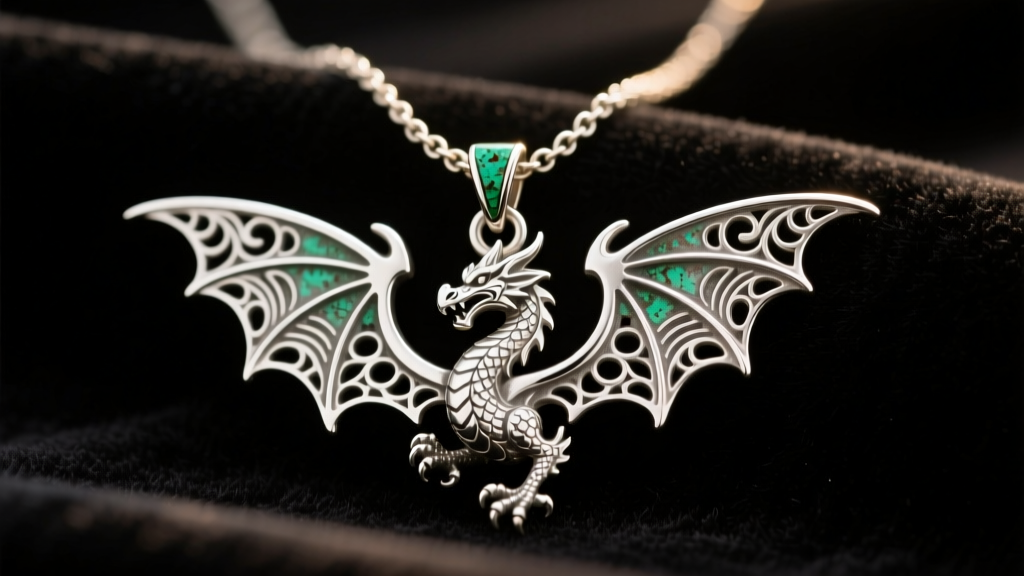
The Wings of Fire universe has captivated millions, sparking a massive demand for dragon-inspired jewelry. From intricate NightWing star-scale pendants to sprawling IceWing silhouettes, these necklaces are more than just accessories; they are badges of fandom. However, as the franchise continues to expand its animated and graphic novel footprint in 2026, many fans are discovering that their beloved dragon pendants are prone to specific structural and material failures.
Whether you own official mass-produced merchandise or a custom artisan piece, understanding the metallurgy and mechanics of your jewelry is crucial. This comprehensive troubleshooting guide will help you diagnose common issues, perform at-home repairs, and restore your Wings of Fire necklace to its former glory.
The Anatomy of a Wings of Fire Necklace: Why They Fail
Before diving into repairs, it is essential to understand how these necklaces are manufactured. The vast majority of official convention and retail merchandise is cast from Zamak #3, a zinc-based alloy that is inexpensive and easy to mold into complex dragon shapes. To make it look like silver or gold, manufacturers apply a microscopic layer of electroplating—often less than 0.5 microns thick.
This creates three inherent failure points:
- Plating Wear: The thin metallic skin rubs off against the skin and clothing, exposing the reactive base metal.
- Structural Weakness: Intricate designs, such as a SandWing tail barb or RainWing ruff, create thin appendages that easily snap under pressure.
- Hardware Mismatch: Heavy, solid-cast dragon pendants are frequently attached to lightweight, hollow cable chains using undersized jump rings.
Troubleshooting Common Pendant & Chain Issues
1. The "Green Neck" & Tarnishing Problem
If your skin turns green or black beneath your necklace, you are experiencing a classic galvanic reaction. This is not an allergic reaction, but rather a chemical one. When the copper or brass base metal beneath the worn plating is exposed to the acids, salts, and moisture in your sweat, it creates copper chloride—a green compound that stains the skin.
The Fix:
- Immediate Cleaning: Remove the necklace and wash your neck with warm soap and water. The stain is harmless and will wash off.
- Barrier Method (Temporary): Paint the back of the pendant and the inside of the chain with a thin layer of clear jeweler's lacquer or Renaissance Wax. This creates a moisture barrier between the metal and your skin.
- Permanent Solution: Take the piece to a local jeweler to have it professionally rhodium-plated or stripped and cast in 925 sterling silver. According to the Gemological Institute of America (GIA), sterling silver contains 92.5% pure silver and 7.5% copper, which significantly reduces severe skin discoloration compared to raw brass alloys.
2. Broken Jump Rings on Heavy Dragon Pendants
A common complaint among fans is losing a pendant because the jump ring pulled apart. Mass-market necklaces typically use 20-gauge (0.8mm) wire for jump rings, which is far too weak to support a heavy, solid-alloy dragon pendant weighing over 15 grams.
Pro-Tip: Never pull a jump ring open sideways like a door on a hinge. This permanently distorts the circle and weakens the metal. Always twist the ends toward and away from you in a twisting motion to maintain the structural integrity of the ring.
The Fix: Discard the factory jump ring. Purchase 16-gauge (1.3mm) or 18-gauge (1.0mm) stainless steel split rings or soldered jump rings from a jewelry supplier like Rio Grande. Split rings function like tiny keychains and are physically impossible to pull open under the weight of a pendant.
3. Chipped Enamel on Tribe Symbols
Many tribe-specific necklaces feature vibrant colors—crimson for SkyWings, deep purple for NightWings, or shifting greens for RainWings. In affordable jewelry, this color is achieved using cold enamel (an epoxy resin). Unlike vitreous enamel, which is kiln-fired glass fused to metal at extreme temperatures, cold enamel is essentially hardened glue. It is highly susceptible to chipping if dropped on a hard surface.
The Fix: For minor chips, you can carefully fill the void using a two-part clear jeweler's epoxy mixed with a tiny drop of alcohol ink to match the original color. Apply it with a toothpick, let it cure for 24 hours, and gently buff it flush with a micro-mesh pad. For a deeper understanding of enamel types and their durability, consult resources on vitreous versus cold enamel techniques.
Material Comparison Chart: Official Merch vs. Custom Artisan
When shopping for a replacement or upgrading your current Wings of Fire necklace, use this chart to understand what you are actually buying.
| Material Type | Base Metal | Plating / Finish | Durability & Tarnish Resistance | Average Price Range |
|---|---|---|---|---|
| Mass-Market Merch | Zamak (Zinc Alloy) | Flash Silver/Gold (0.5µm) | Low. Tarnishes quickly, high risk of skin staining. | $15 - $35 |
| Artisan Brass | Solid Jeweler's Brass | None (Polished) | Medium. Will develop a patina over time, requires regular polishing. | $40 - $80 |
| Artisan 925 Silver | Sterling Silver | Optional Rhodium | High. Can be polished indefinitely, heirloom quality. | $90 - $250+ |
| Surgical Steel | 316L Stainless | None (PVD or Polished) | Very High. Hypoallergenic, waterproof, virtually untarnishable. | $30 - $60 |
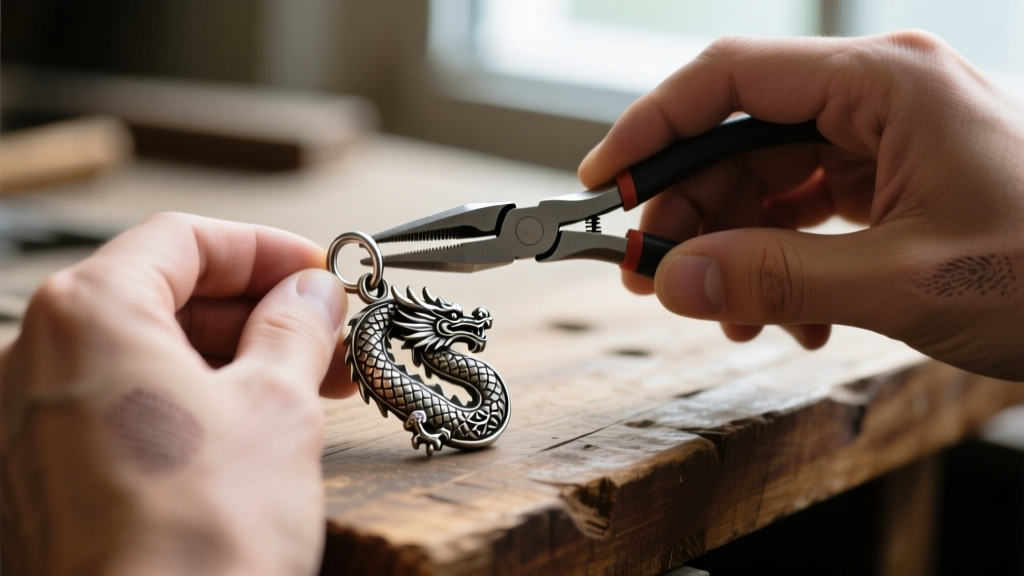
Step-by-Step Repair Guide for Snapped Chains
Dragon pendants with sharp edges (like SeaWing dorsal fins or MudWing horns) can act like tiny saws, slowly cutting through the links of a delicate cable chain over time. If your chain snaps, do not throw it away. You can repair it at home with the right tools.
Tools Required:
- Two pairs of chain-nose or flat-nose pliers (avoid serrated teeth, which will mar the metal).
- Flush wire cutters.
- Replacement chain links or a new matching chain segment.
The Repair Process:
- Assess the Break: Identify if a single link snapped or if the chain pulled through the end loop. If a link is deformed, use your flush cutters to snip out the damaged section.
- Open the Adjacent Link: Using your two pairs of pliers, grip the intact link on either side of the cut. Twist your wrists in opposite directions to open the link laterally.
- Insert the Connector: Slide the broken ends of the chain back into the opened link. If the chain is too short now, insert a new segment of matching chain.
- Close and Secure: Twist the link back into place. Ensure the ends meet perfectly flush. If you feel a "click" or catch with your fingernail, the link is not fully closed and will eventually pull apart again.
Long-Term Storage & Maintenance for Animus-Touched Treasures
How you store your jewelry when you are not wearing it to school, work, or conventions dictates its lifespan. Leaving a zinc-alloy or brass necklace out on a bathroom counter exposes it to high humidity and aerosolized chemicals, accelerating oxidation and tarnishing.
Best Practices for 2026 and Beyond:
- Use Anti-Tarnish Strips: Place a 3M anti-tarnish strip inside your jewelry box. These strips absorb sulfur compounds in the air that cause silver and brass to turn black.
- Avoid PVC Plastics: Never store your necklace in cheap plastic baggies made of PVC. Polyvinyl chloride releases gases that will permanently pit and ruin metal finishes. Use zip-top bags made of polyethylene or specialized anti-tarnish fabric pouches.
- The Aluminum Foil Bath: If your sterling silver NightWing pendant has turned completely black, line a glass bowl with aluminum foil (shiny side up). Add a tablespoon of baking soda and a pinch of salt, then pour in boiling water. Submerge the necklace for 30 seconds. The ion exchange will instantly lift the tarnish without removing any silver, leaving your dragon scales gleaming.
By understanding the materials and mechanics behind your Wings of Fire necklace, you can transition from a passive consumer to an active curator of your collection. Whether you are upgrading a flimsy jump ring on a convention haul or carefully restoring the enamel on a custom SkyWing crest, a little bit of jewelry knowledge ensures your favorite tribe's colors will fly high for years to come.


